
How Smart Heating Controls Can Help Reduce Heating Costs in UK Homes
How Smart Heating Controls Can Help Reduce Heating Costs in UK Homes
Smart heating controls reduce running costs by directing heat only to the rooms and times you actually need, rather than letting a system operate on a fixed schedule regardless of occupancy. For homeowners looking to reduce heating costs UK-wide this season, upgrading to a smart thermostat or Wi-Fi-enabled panel heater is one of the more straightforward improvements available, and Meteor Electrical carries a solid selection to choose from.
This blog covers why heating bills have become such a pressure point for households, how smart controls deliver genuine savings, which specifications are worth prioritising, a few specific products to consider, and some habits that help you get more out of the equipment.
Why Heating Costs Have Become Such a Concern
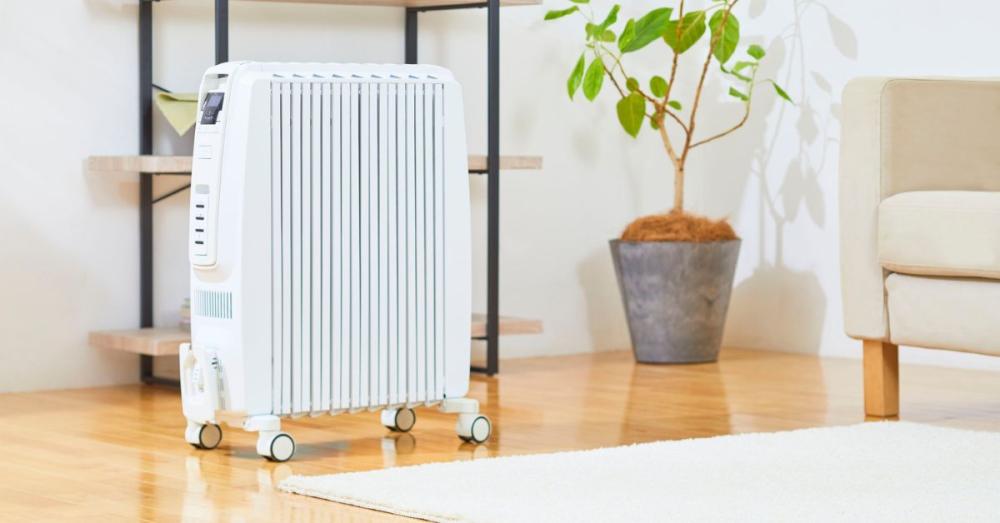
Energy prices have shifted considerably over recent years, and heating remains the largest single expense on most household energy bills. This is particularly true for older UK properties with solid wall construction, poor draught-proofing, or single glazing, all of which allow heat to escape faster than it can be replaced.
The trouble with a conventional heating setup is that it tends to run without much regard for what's actually happening in the house. A boiler or storage heater left on a fixed timer will happily keep working away long after everyone's left for the day, or continue heating a spare room that hasn't been used in weeks.
This is precisely the gap that smart controls are built to close. Rather than relying on a preset schedule that doesn't account for actual usage, these systems use sensors and app-based scheduling to align heat output with genuine demand.
How Smart Controls Actually Bring Costs Down
The value here isn't cosmetic; it changes how heat is delivered throughout a property. The following points outline the core mechanisms responsible for the savings:
- Room-by-room heating – rather than warming an entire property uniformly, smart systems allow individual rooms to be controlled separately, so a rarely used bedroom or study doesn't draw the same energy as a living room.
- Adaptive scheduling – many smart thermostats and radiator valves learn household routines over a short period and adjust output accordingly, reducing heat before occupants leave and restoring it shortly before they return.
- Remote control via app – heating left on by mistake can be adjusted from a smartphone, avoiding hours of unnecessary operation that would otherwise go unnoticed.
- Precise temperature regulation – digital controls maintain a set temperature far more accurately than a manual dial, which tends to overshoot and undershoot, wasting energy in the process.
- Consumption reporting – a number of smart heaters and valves record usage data, making it easier to identify which rooms or habits are contributing most to the bill.
Taken together, these functions allow a heating system to respond to how a property is actually used, rather than operating on a fixed and often outdated routine.
Source - Best Electric Radiators
Features Worth Prioritising When Choosing Smart Heating Equipment
Not every product marketed as "smart" offers the same practical value, so it helps to know which specifications genuinely affect efficiency and running costs.
- Wi-Fi connectivity – enables scheduling and monitoring from a mobile device, which is particularly useful for households with irregular routines or more than one property to manage.
- Open window detection – automatically pauses heating when a sudden temperature drop suggests a window has been left open, preventing heat from being lost outdoors unnecessarily.
- Frost protection mode – keeps a room at a safe minimum temperature during cold spells without operating the heater at full output.
- Digital thermostatic control – allows finer temperature adjustment than an analogue dial, often in half-degree increments, reducing the energy waste that comes with overshoot.
- Compatibility with existing radiators – devices such as thermostatic radiator valves retrofit onto standard radiators, meaning a full system replacement isn't required to benefit from smarter control.
Getting these details right tends to make a more noticeable difference than the "smart" label alone would suggest.
Recommended Smart Heating Products from Meteor Electrical
For those ready to upgrade, the following products from Meteor Electrical's heating range are worth considering:
1. ATC Almeria 2kW Digital Panel Heater (DPH2000-ECO)
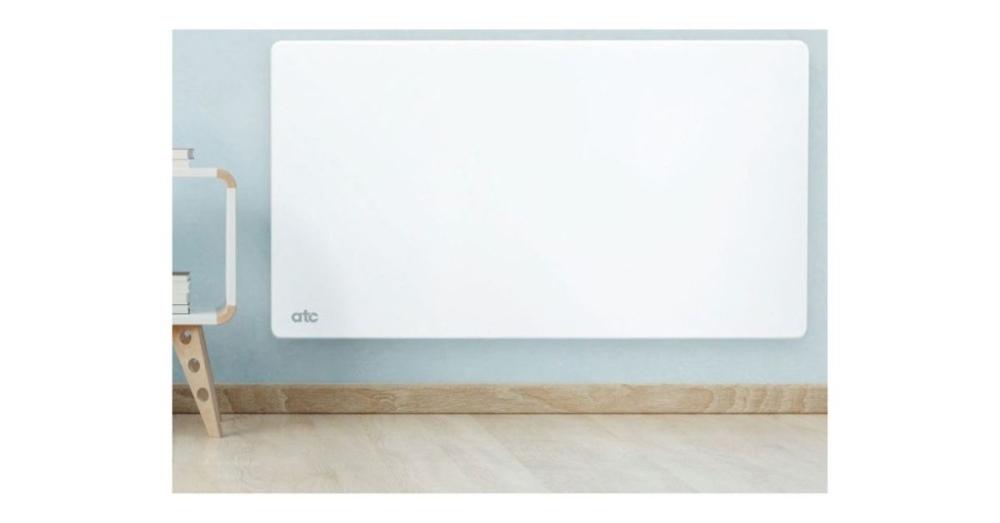
A wall-mounted electric panel heater with a built-in digital thermostat and programmable timer, suited to medium-sized rooms requiring consistent, controllable heat without a central heating upgrade.
2. ATC Almeria 1.5kW Digital Panel Heater (DPH1500-ECO)
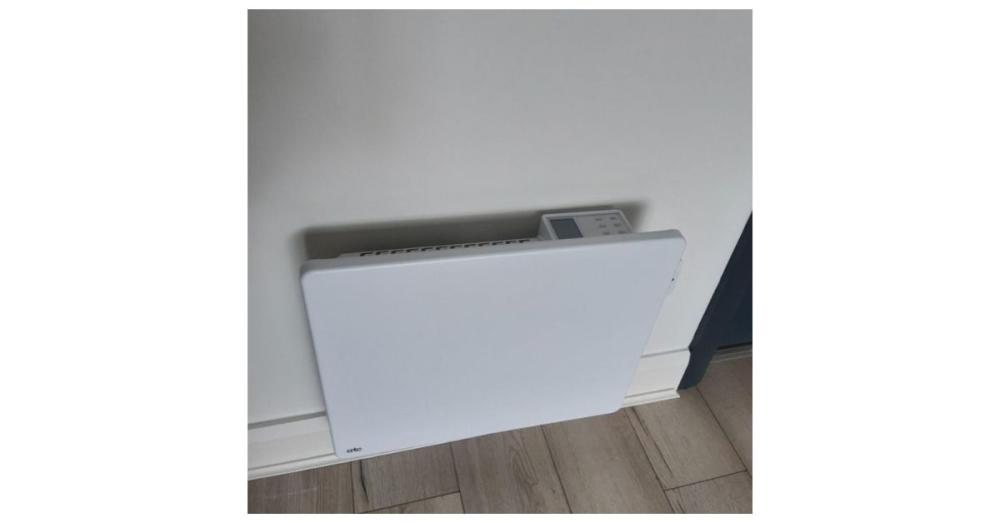
It offers the same digital control as the larger model at a lower wattage, making it a practical option for bedrooms or home offices where lower running costs are a priority.
3. Almeria 750W Eco Panel Heater (DPH750-ECO)
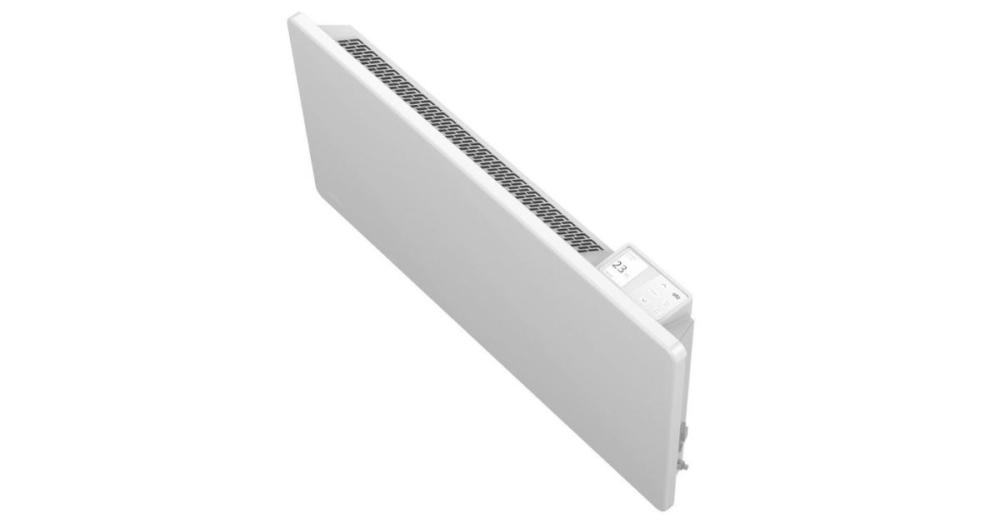
A compact panel heater suited to smaller spaces such as box rooms or bathrooms, combining digital temperature control with a lower energy draw.
4. Eterna Intelligent Thermostatic Radiator Valve
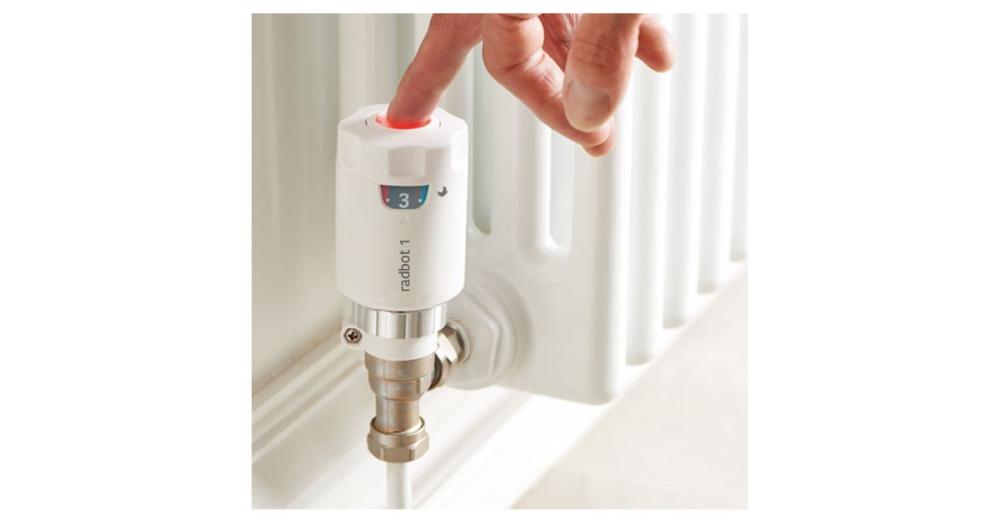
Fits directly onto an existing radiator, allowing room-by-room scheduling without replacing the boiler or any pipework.
5. ATC Almeria Eco Wi-Fi Panel Heater 1kW
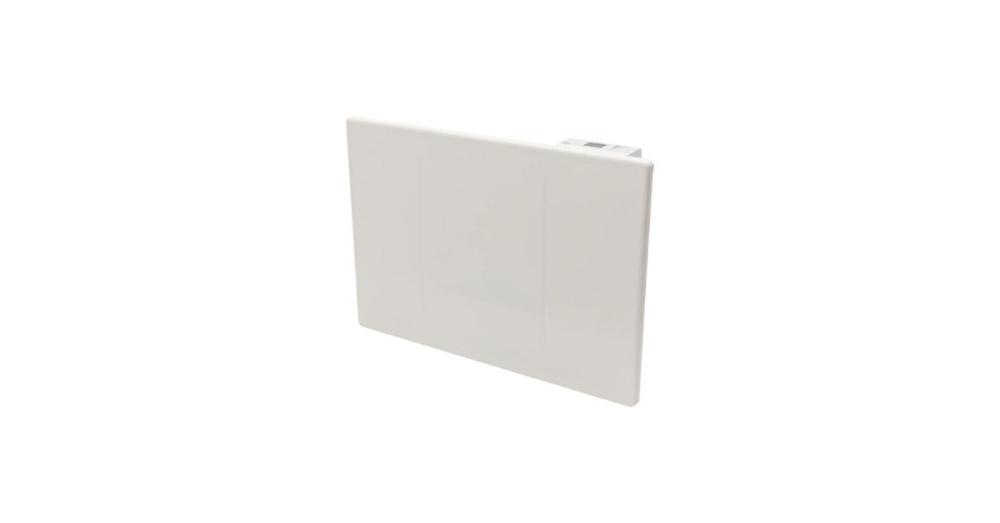
Adds smartphone app control to the established Almeria panel heater range, allowing settings to be adjusted remotely to avoid heating an empty property.
6. Illumina 400W Frost Watcher with Thermostat
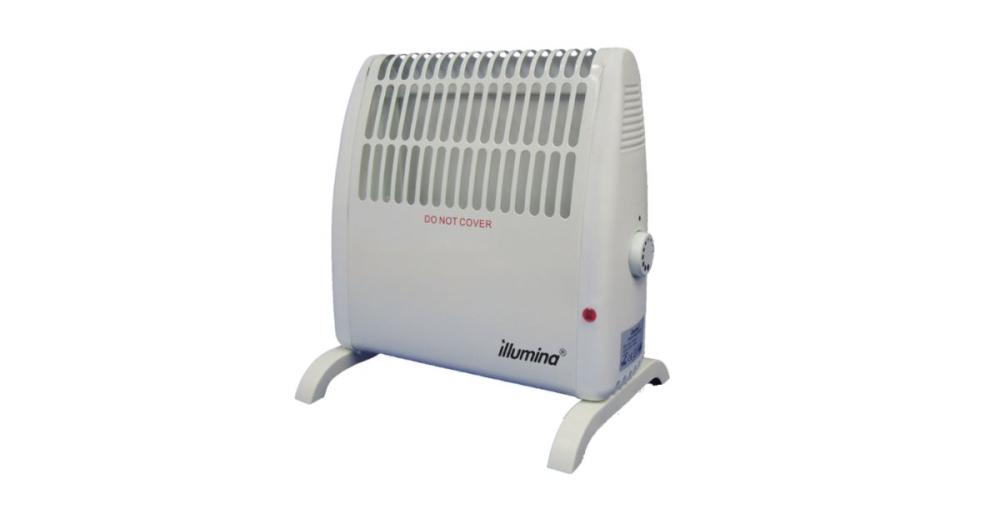
A dedicated frost protection heater designed for garages, outbuildings, or conservatories, activating only when temperatures risk dropping to damaging levels.
Each of these addresses a slightly different heating requirement, so the right choice depends largely on room size and the level of control required.
Habits That Help Maximise the Savings
Installing smart controls is only part of the equation; how the equipment is used day to day matters just as much.
- Set a sensible target temperature – around 18-21°C is comfortable for most living spaces without drawing excessive energy.
- Use scheduling rather than continuous operation – programme heating to align with when rooms are genuinely occupied.
- Bleed radiators periodically – trapped air reduces efficiency regardless of how advanced the controls fitted might be.
- Pair smart heating with adequate insulation – draught-proofing and loft insulation reduce the overall workload placed on the heating system.
- Review consumption data regularly – checking usage figures from time to time helps identify unusual spikes before they become a recurring cost.
These adjustments are straightforward, but when consistently applied, they can be just as significant as the equipment itself.
Wrapping up
Reducing heating costs across UK homes doesn't require a complete system overhaul, only more precise control over where and when heat is used. From digital panel heaters to intelligent radiator valves, modest upgrades can produce a noticeable difference over the course of a heating season.
Meteor Electrical's heating range offers a practical starting point for anyone looking to take firmer control of their energy bills. Browse our website to view the full range of electrical equipment. Order now!
FAQs
Q1. How to reduce heating costs UK homes fast?
Fit smart thermostats, lower room temperatures slightly, use scheduling instead of constant heating, and bleed radiators regularly for efficiency.
Q2. Do smart heating controls really save money?
Yes, they prevent heating unoccupied rooms and allow precise scheduling, which typically reduces unnecessary energy use across a household.
Q3. Are smart radiator valves worth installing?
Yes, they fit onto existing radiators, enabling room-by-room control without requiring a new boiler or heating system.
Q4. What temperature should I set my thermostat to?
Around 18-21°C suits most UK homes, balancing comfort with sensible, cost-conscious energy consumption.
Q5. Can Wi-Fi panel heaters replace central heating?
They work well as standalone heating for individual rooms, though full replacement depends on the property's specific needs.