
Smoke Alarms
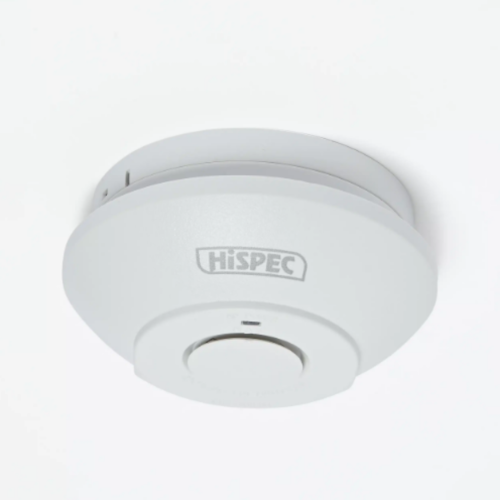
A smoke alarm is a self-contained detector that senses smoke particles and sounds a loud alarm so occupants have time to escape. We stock optical and photoelectric smoke alarms from X-Sense, Firehawk, Kidde and Hispec, covering mains-powered models with rechargeable or 9V back-up, sealed 10-year battery units and radio-frequency alarms that interlink wirelessly.
Test and silence remotes and spare bases complete the range. Buy at trade prices and get in-stock orders placed before 5pm on a weekday delivered the next working day to NI and ROI.


How to choose the right smoke alarm
Most smoke alarm decisions come down to three questions: what kind of sensor, how it is powered and how it links to the other alarms in the building.
Optical vs other sensor types
Optical (photoelectric) smoke alarms detect larger smoke particles from slow, smouldering fires and are less prone to false alarms from cooking, making them the common choice for hallways, landings and living areas. In kitchens and garages, a heat alarm is usually more appropriate.
Power and interlink options
- Mains with back-up: models with rechargeable lithium or alkaline/9V back-up for new builds and rewires, often on fast-fix bases.
- Sealed 10-year battery: no wiring, no battery changes; replaced as a complete unit at end of life.
- Radio frequency (RF): interlinks alarms without an interconnect cable, useful in occupied homes.
- App-connected: X-Sense ProConnected alarms work with a home base station for phone alerts.
Useful extras
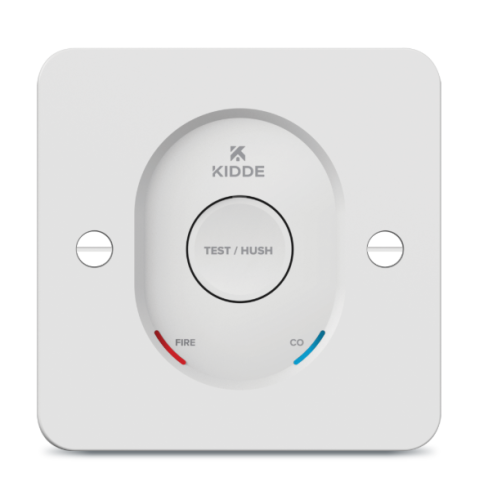
A Firehawk FHN600 remote lets users test and silence compatible alarms from the floor, while a Kidde control switch provides a convenient test and hush point on a wired system. Spare bases suit replacement of matching heads without disturbing wiring.
Installation and compliance
Mount on the ceiling, clear of walls, light fittings and air vents, and keep alarms out of bathrooms and steamy areas. The number of alarms and whether they must be mains powered and interlinked depend on property type and current building regulations, so check before you specify. Mains installations should follow BS 7671 and the manufacturer's instructions; many electricians pair them with fire-resistant cable where specified. Add carbon monoxide alarms where there are fuel-burning appliances.
We are a family-run wholesaler with 40+ years in the trade. Free delivery applies over £30 / €35 ex VAT, Click & Collect is available in Cookstown, and credit accounts are offered subject to approval.
FAQ's
- What are smoke alarms?
- How do smoke alarms work?
- How will I know my smoke alarm has detected smoke?
- Where are smoke alarms installed?
- Where should I not install a smoke alarm?
- Is it a legal requirement to have smoke alarms?
- Can I install smoke alarm myself?
- How long do smoke alarms last?
- How many smoke alarms are needed in my house?
- How do I know if my smoke alarm needs replacing?
- What is the difference between optical and ionisation smoke alarms?
- Can smoke alarms be fitted on a wall instead of a ceiling?
- What is an RF smoke alarm?