
Information
Coin Meters for Landlords: Coin, Euro and Top-Up Electric Meters
Updated November 2026 · Meteor Electrical guides · 9 min read
Quick answer: A coin meter is a prepayment electric meter that a property owner has fitted after the supplier's meter. Occupants insert £1/£2 or €1/€2 coins, the meter turns each coin into units at the price per kWh you programme, and it switches the supply off when credit runs out. Smart online top-up meters do the same job without cash.
If you let rooms, flats, holiday homes or caravans, or share a building with other users, a coin meter or a smart top-up meter lets each occupant pay for the electricity they use, up front. You stop chasing bills, and occupants can see exactly what they are spending.
This guide covers how coin operated electric meters work, £ and € versions, pricing, online top-up meters and where the meter goes. For an overview of all meter types, see our trade guide to electric meters.
In this guide
- Who uses coin and top-up meters?
- How does a coin operated electric meter work?
- Who sets the price per unit, and what are the resale rules?
- Smart online top-up meter vs coin meter
- Coin meter comparison table
- Emptying a coin meter and keeping it secure
- Choosing a rating: why 100A?
- Where does a prepayment sub-meter go?
- Installation: use a qualified electrician
- Supplier smart meters are a different thing
- FAQs
Who uses coin and top-up meters?
A prepayment sub-meter suits any space where one person or business pays the main electricity bill but someone else uses the power. Common examples:
- Landlords and HMOs: one meter per let room or flat.
- Holiday lets: guests pay as they go for heating and hot water.
- Caravans and static homes: one meter per pitch or unit.
- Workshops and shared units: each tenant pays for their own tools and lighting.
- Shared spaces: clubs, halls and annexes used by different groups.
How does a coin operated electric meter work?
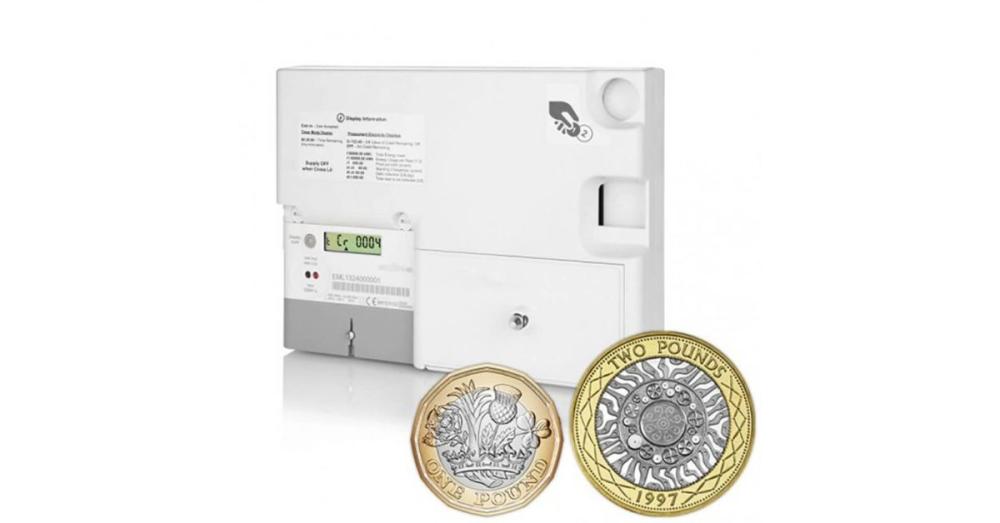
A coin meter for electricity is an electronic kWh meter with a coin mechanism and a built-in switch. It measures the energy used on the circuit it supplies and keeps a running credit balance. In simple terms:
- The occupant inserts a coin. The meter checks it and returns any coin it hasn't been programmed to accept.
- The meter adds credit based on the coin value and the price per unit you have set.
- As electricity is used, the credit counts down. The LCD display shows the remaining balance.
- When credit runs out, the meter switches the supply off until more coins go in. Where it is set up, emergency credit can keep the power on for a short time.
£1/£2 or €1/€2: which coin meter do you need?
Choose the version that matches the currency your occupants carry. The coin mechanism is set for one currency, so a sterling meter won't take euro and the euro meter won't take sterling.
- Emlite 100A £1 & £2 coin meter: for Northern Ireland and GB. Its product page lists MID approval, two accepted coin values, an LCD display, a coin reject for non-programmed coins, and adjustable rates, standing charges and emergency credit.
- Euro 1 & 2 100A electronic coin prepayment meter: for the Republic of Ireland and euro-paying sites. It is part of the Emlite coin meter range and accepts euro coins only. Its product page lists MID approval, coin meter and timer modes, Economy 7 (two-rate) operation, push-button programming, a standing charge and debt collection features.
Who sets the price per unit, and what are the resale rules?
The owner sets the tariff. When the meter is programmed, you enter the price per kWh (for the euro meter, the page describes this as a set number of cents per kWh), and on meters that support it, a standing charge and emergency credit. Each coin then buys credit at that rate.
You cannot simply pick any price. If you resell electricity to tenants or occupants, there are rules on the maximum price you can charge. Ofgem sets these in Great Britain, and separate arrangements apply in Northern Ireland and the Republic of Ireland. Check the maximum resale price rules for your area before you programme the meter, and again whenever your own tariff changes.
Pro tip: Keep your own supply bills alongside a note of each tariff change you make on the meter. If a tenant ever questions the price per unit, you can show how it was set.
Write the arrangement into the tenancy or booking terms too, including what happens to any credit left when someone moves out.
Smart online top-up meter vs coin meter
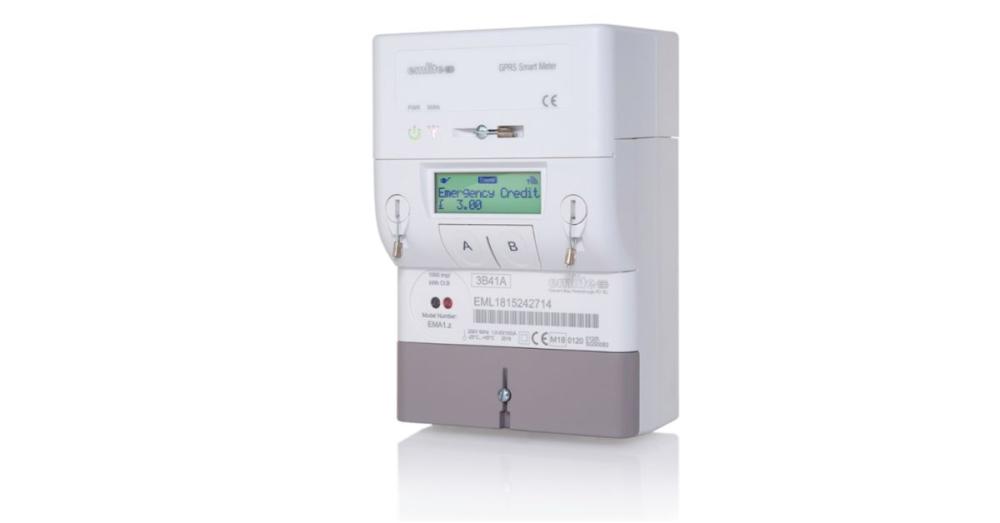
A smart online top-up meter replaces coins with credit bought online. The Emlite 100A model we stock has GPRS communications with a roaming SIM, so credit can be sent to the meter remotely and there is no cash or token to handle. Its product page also lists:
- Tariff pricing, time-of-use and block tariffs
- An emergency credit option
- An in-home display (IHD) and an optional gas sender for dual fuel
- Active energy accuracy Class B to EN 50470-1/3, an IP52 rating and a BS 7856 terminal arrangement
Which suits you better?
Choose a coin meter where there is no reliable mobile signal, where occupants prefer cash, or for short stays where guests won't want to set up an online account, such as caravans and holiday lets. You will need to visit and empty it.
Choose a smart online top-up meter for longer tenancies, HMOs and properties you don't visit often, as there is no cash on site. Check mobile coverage at the meter position first, and ask our team how the online top-up service is set up before you order.
Coin meter comparison table
Here is how the four main options compare. Specs come from our product pages; check the datasheet on each page for full details.
| Coin meter (£) | Coin meter (€) | Smart online top-up | Standard kWh sub-meter | |
|---|---|---|---|---|
| How the occupant pays | £1 and £2 coins at the meter | €1 and €2 coins at the meter | Credit bought online and sent to the meter | They don't. You read the meter and bill them |
| Who sets the price | Owner programmes the tariff | Owner programmes the tariff | Owner sets the tariff | Owner calculates the bill from kWh used |
| Rating | 100A | 100A | 100A | 100A single phase (three-phase also available) |
| Features listed | MID approved, coin reject, standing charge, emergency credit | MID approved, kWh or timer mode, two-rate, standing charge, debt collection | GPRS with roaming SIM, time-of-use and block tariffs, emergency credit, IHD | kWh register only; some models have an LCD and pulse LED |
| Cash on site | Yes, needs emptying | Yes, needs emptying | No | No |
| Cuts supply at zero credit | Yes | Yes | Yes | No |
| Best for | Lets, HMOs, caravans and workshops in NI and GB | Holiday lets, caravans and lets in ROI | HMOs, flats and remote-managed lets | Annexes and shared units billed on trust |
| Shop | Emlite £ coin meter | Euro coin meter | Emlite smart top-up | Landis+Gyr 100A or TAINIHAN 100A |
When a standard kWh sub-meter is enough
If you trust the occupant to pay a bill, a plain kWh check meter is simpler: you read it and invoice the units used. Our guide to choosing and installing single-phase kWh meters covers this in detail.
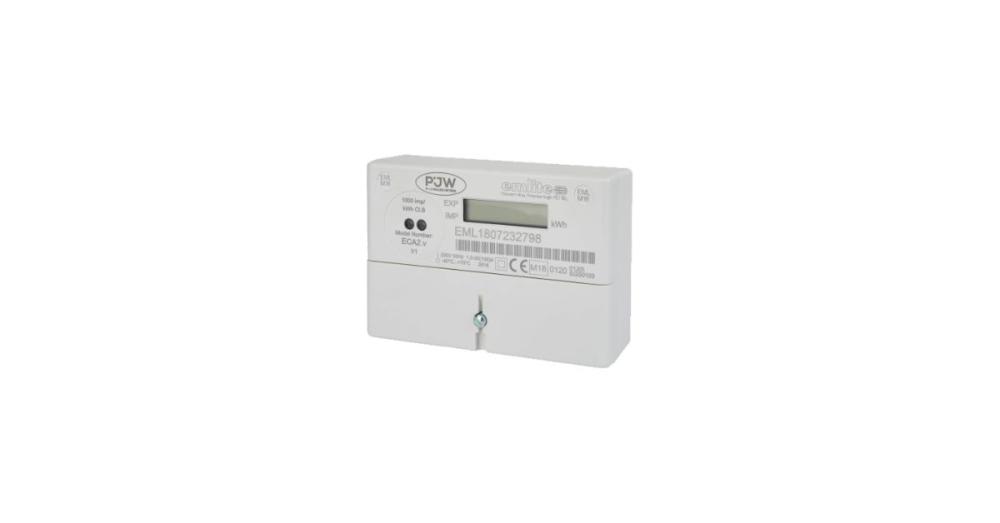
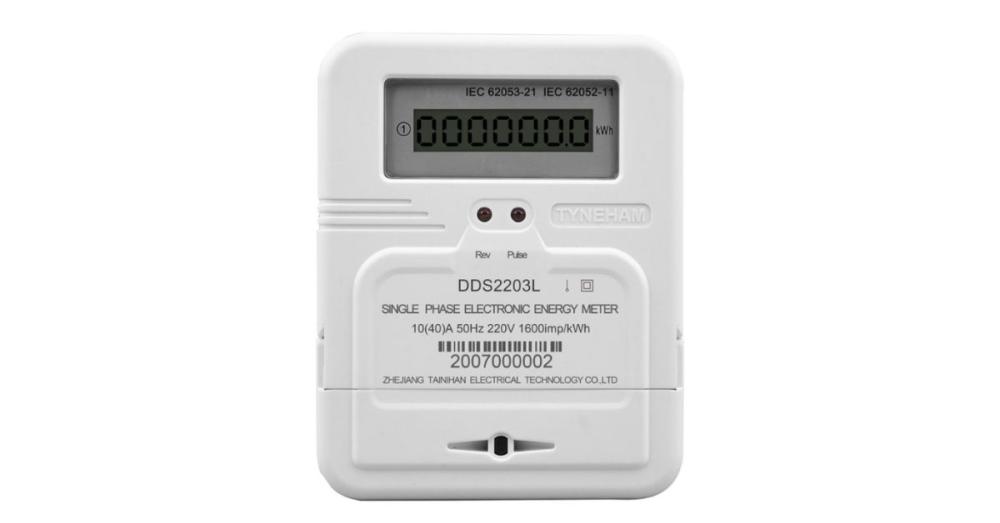
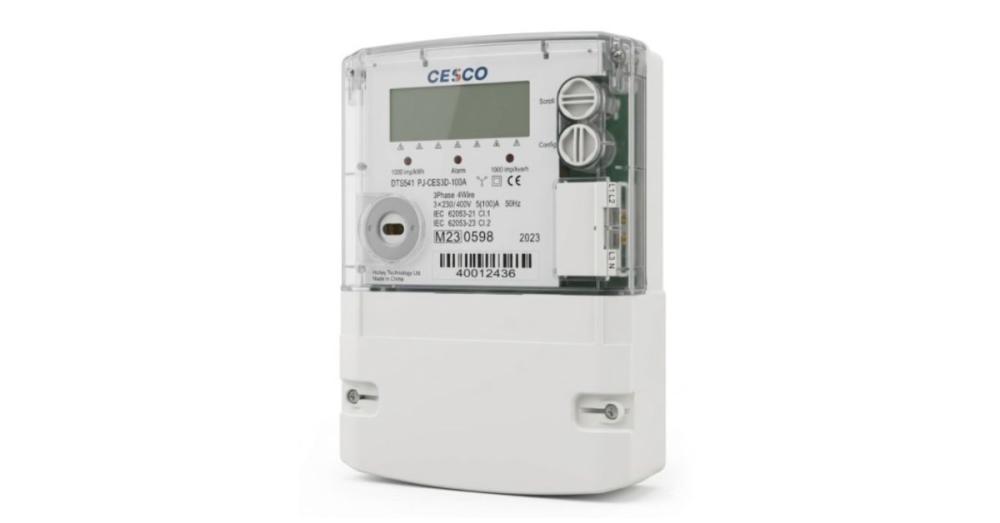
For a three-phase workshop, a three-phase kWh meter such as the CESCO 100A records use, but the prepayment meters here are single phase.
Emptying a coin meter and keeping it secure
Cash in a coin meter is a target, so plan how you will collect and protect it:
- Empty it regularly so there is never much cash on site.
- Keep the coin box secured and access to it limited to you or your agent.
- Record the kWh reading each time you empty it. Comparing cash collected with units used shows up faults, tampering or a wrong tariff setting quickly.
- Fit the meter somewhere sensible: indoors, protected from the weather and knocks, and visible enough that occupants can check their credit.
- Check the seals and casing on each visit. Any sign of interference needs an electrician to investigate before the meter goes back into use.
Choosing a rating: why 100A?
All three prepayment meters we stock are rated at 100A, single phase, and are connected directly in line with the supply they meter. 100A covers the maximum load of a typical flat, room, holiday let, caravan or small workshop, so the meter itself is rarely the limit.
The meter measures and switches; it does not protect anything. The supply to the let space still needs the right overcurrent and RCD protection, normally in its own consumer unit, and the cable to the meter must be sized for the load and the way it is installed. Your electrician will work that out. For a three-phase supply, talk to our team before you order, as the coin and top-up meters here are single phase.
Where does a prepayment sub-meter go?
A coin or top-up meter is an owner's sub-meter. It sits on your side of the supply, after the supplier's billing meter, on the circuit or sub-main that feeds the let space. It is not a supplier prepayment meter and doesn't replace one. A typical arrangement looks like this:
- The network operator's service head and the supplier's billing meter (not to be touched).
- The owner's main switch and distribution board, with a protective device for the sub-main to the let space.
- The coin or top-up meter, often with an isolator so it can be worked on safely.
- The let space's own consumer unit and final circuits.
Safety: Never open, move, bypass or interfere with the supplier's meter or the main fuse. They belong to your supplier or network operator (such as NIE Networks or ESB Networks), and tampering with them is illegal and dangerous. If the supplier's equipment needs changing, contact your supplier.
Installation: use a qualified electrician
Fitting a prepayment sub-meter means working on the incoming supply and usually adding or altering a circuit, so it is a job for a qualified electrician working to BS 7671. In general, they will:
- Check the existing supply, earthing and capacity, and agree where the meter and the let space's consumer unit will go.
- Install the meter, isolation and protection on a suitable sub-main.
- Programme the coin values or tariff, standing charge and emergency credit, following the manufacturer's instructions.
- Test the installation, show you how to read and reset the meter, and issue the correct certificate.
In England and Wales, new circuits can be notifiable under Part P of the Building Regulations. In Northern Ireland, use a registered or competent electrician. In the Republic of Ireland, the work should be done and certified by a Safe Electric registered electrician. Check current regulations for your property. If you are adding a separate board for the let space, our guide on how a consumer unit is installed explains what is involved.
Supplier smart meters are a different thing
The "smart meter" your energy supplier fits is a different product. In Great Britain these are SMETS2 meters provided by the supplier, and Northern Ireland and Ireland have their own programmes. They measure your whole supply for billing and come from your supplier, not a wholesaler.
The coin and top-up meters in this guide are owner's sub-meters for dividing up that supply. They work alongside the supplier's meter and never replace it. The video below explains how supplier smart meters work.
Video: How do smart meters work, Which? on YouTube
Key takeaways
- A coin meter lets occupants prepay for electricity with £1/£2 or €1/€2 coins, and it cuts the supply when credit runs out.
- You programme the price per unit, but you must follow the maximum resale price rules for your area.
- Smart online top-up meters remove cash handling but need a mobile signal at the meter.
- A 100A single-phase meter suits most rooms, flats, holiday lets, caravans and small workshops.
- It is an owner's sub-meter after the supplier's meter, installed by a qualified electrician. Never touch the supplier's meter.
Shop coin and top-up meters
£ and € coin meters, smart online top-up meters and kWh sub-meters. Trade prices, next working day delivery across NI & ROI on in-stock orders before 5pm.
Shop electric metersShop coin metersNeed help choosing? Call our team on 028 8675 1515 (048 from ROI), Monday to Friday, 8am–5pm.
FAQs
Can a landlord fit a coin meter for tenants?
Yes, as an owner's sub-meter on the supply to the let room, flat or unit, after the supplier's meter. It must be fitted by a qualified electrician, the tenancy agreement should explain how electricity is charged, and you must follow the maximum resale price rules for your area.
How much can I charge per unit through a coin meter?
You programme the price per kWh yourself, but you cannot charge whatever you like. Rules on the maximum resale price of electricity apply, set by Ofgem in Great Britain, with separate arrangements in Northern Ireland and Ireland. Check the current rules for your area before you set the tariff.
Is there a euro coin meter for the Republic of Ireland?
Yes. The Euro 1 and 2 100A electronic coin prepayment meter accepts €1 and €2 coins only. Its product page lists MID approval, a kWh or timer mode, two-rate operation, a standing charge and debt collection features, which suits holiday lets, caravans and rented rooms paid in euro.
What is the difference between a coin meter and a top-up meter?
A coin meter takes cash at the meter, so someone has to empty it. A smart online top-up meter takes credit bought online and sent to the meter over its built-in mobile data connection, so there is no cash to collect. It needs a usable mobile signal where it is fitted.
Can I replace my supplier's prepayment meter with a coin meter?
No. The billing meter belongs to your supplier or network operator, and only they can change it. Tampering with or bypassing it is illegal and dangerous. A coin or top-up meter is an extra sub-meter fitted by an electrician on your side of the supply, after the supplier's meter.
What size coin meter do I need?
The coin and top-up meters we stock are rated at 100A single phase, which covers the load of a typical flat, room, holiday let or small workshop. The meter is not a protective device, so the circuit it feeds still needs the correct breakers and RCD protection in a consumer unit.