
Why Is an Electric Meter Essential? A Trade-Focused Guide for UK Homes and Businesses
Why Is an Electric Meter Essential? A Trade-Focused Guide for UK Homes and Businesses
Every robust property requires a reliable energy setup, and the critical heartbeat of this infrastructure is undoubtedly the electric meter. Whether a contractor is fitting a compact holiday home or upgrading a sprawling commercial facility, selecting the correct hardware ensures regulatory compliance, tenant satisfaction, and long-term reliability.
Clients and property owners frequently ask, "Why is an electric meter essential for managing commercial energy costs?" The answer is simple. These devices are absolutely vital for tracking power consumption, preventing tenant energy debt, and ensuring entirely accurate billing.
For facilities managers and professional electricians, understanding how to select, install, and read the right equipment (from basic single-phase units to advanced prepayment models) is non-negotiable for optimising energy usage and controlling operational costs.
Understanding Electric Meters - Core Functions and Types
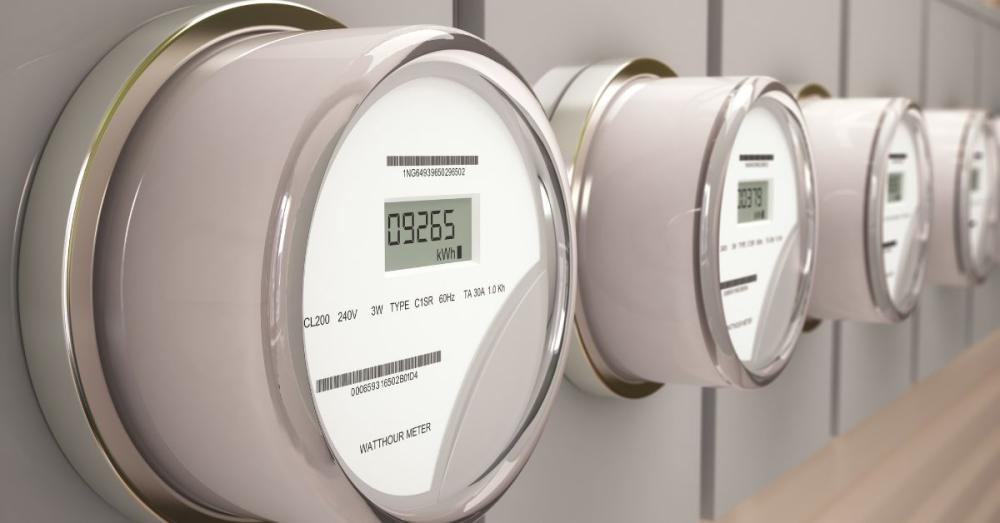
Before selecting materials for your next installation, it helps to understand the underlying mechanics and categorisations of modern energy consumption monitoring equipment.
How Does an Electrical Meter Work?
An electrical meter is usually installed precisely where power lines enter a building. These essential devices operate non-stop, diligently tracking power usage and displaying the total amount of energy consumed since their initial installation. They measure this ongoing power usage in kilowatts (kWh). To put this into perspective, a watt represents the smallest unit of electrical power, and a kilowatt equals one thousand watt-hours.
By calculating these watts over a specific period, the unit provides a highly accurate reflection of energy draw.
Analogue vs. Digital vs. Smart Meters
The industry has seen significant technological advancements, but you will still encounter three primary categories in the field:
- Analogue Meters: These traditional units rely on rotating dials or spinning disks to display energy consumption. While they are gradually being replaced by modern alternatives, they remain prevalent in many older areas.
- Digital Meters: Highly accurate and reliable, digital electric meters display energy consumption in clear numerical form on an LCD screen. They frequently feature backlit displays showing the date, time, and Maximum Demand Indicator (MDI) readings.
- Smart Meters: These advanced devices provide real-time energy usage data to both consumers and utility companies. They offer incredible insights into energy consumption patterns and support modern features like time-of-use pricing alongside remote connection capabilities.
Source - Which?
Single-Phase vs. Three-Phase Meters - Which Do You Need?
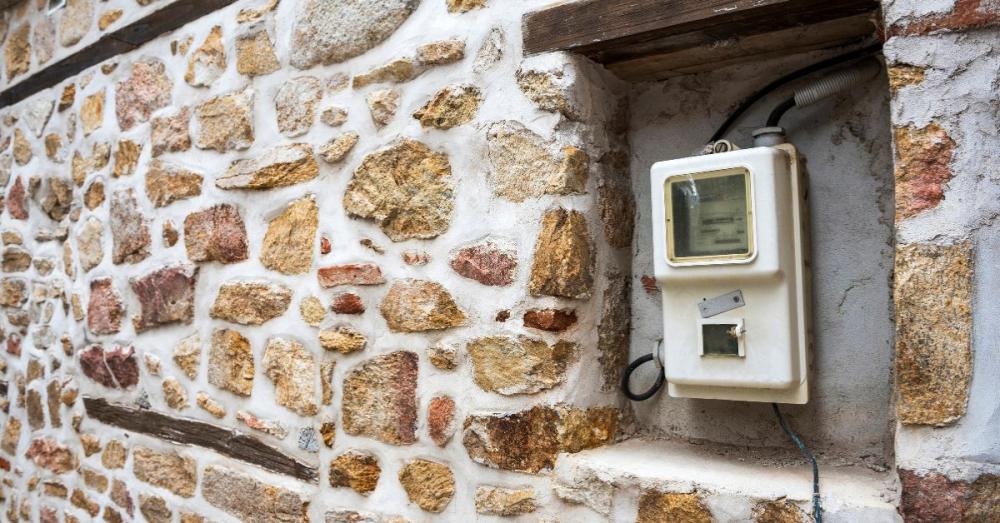
When mapping out a new residential meter installation or commercial grid, a common query arises. Property owners often ask, "What is the difference between a single-phase and three-phase electric meter?" The choice depends entirely on the required electrical load.
Single-Phase Meters for Residential Applications
Single-phase electric meters are widely used in standard household settings. They operate efficiently at 230 or 240 volts and utilise a simple two-wire setup (one active conductor and one neutral). Because they are typically used for standard home appliances, they are the go-to standard for basic domestic properties.
Three-Phase Meters for Heavy Commercial Loads
In contrast, a three-phase system accommodates a much larger, continuous flow of power. These setups utilise four wires (three conductors and one neutral). The power supply in a three-phase unit is continuous and never drops to zero. This uninterrupted, high-capacity flow makes three-phase units absolutely critical for handling the heavy, non-stop electrical loads required in large commercial facilities and industrial environments.
Advanced Energy Control - Prepayment and Sub-Metering
Managing commercial electricity tracking often requires more nuanced solutions than a standard single-phase setup can provide.
The Benefits of Prepayment Electrical Meters
A prepayment unit allows the end-user to pay for their electricity in advance. If the user runs out of prepaid credit, the supply halts, which prevents the utility provider from back-charging and creating potential energy debt. This makes electronic coin prepayment meters a highly convenient and secure option for landlords managing holiday homes, shared apartments, and rental properties.
Maximising Efficiency with Sub-Metering
For expansive properties, installing additional meters to measure energy usage in specific areas or individual devices is a highly effective strategy. This practice, known as sub-metering, helps facilities managers easily identify high-usage zones so they can implement targeted efficiency measures.
Did You Know - Modern solid-state electronic meters contain advanced components to measure electrical energy with significantly higher accuracy and lower power consumption than traditional induction models?
Top Electric Meters for Your Next Project: Buy Online at Meteor Electrical
Sourcing reliable distribution and control equipment is vital for a callback-free installation. Here are some top-tier electric meters available for your next project.
1. 100A Single Phase Mains Electric & Solar kWh Meter LANDIS+GYR
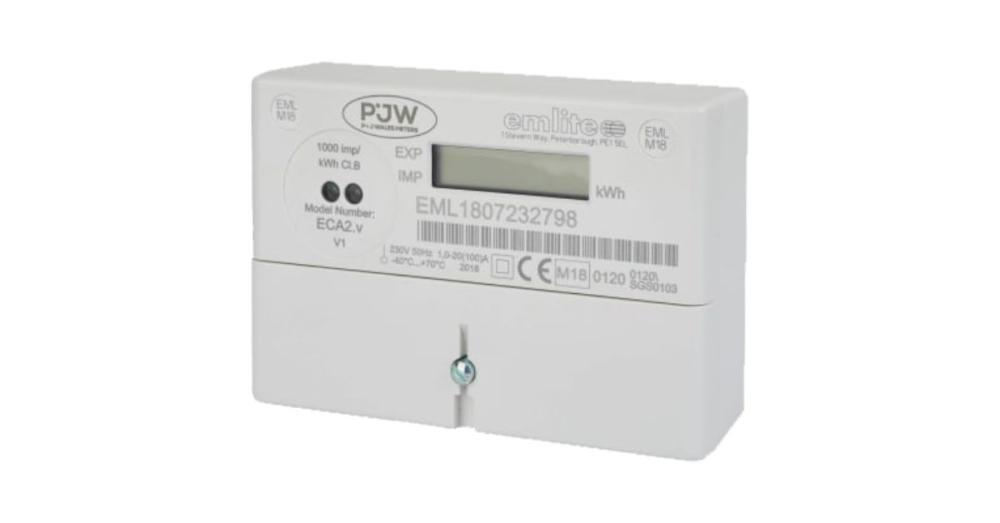
This solar energy generation meter is perfect for consumers looking to generate their own power. Metrology LED is incorporated into this port and pulses at a rate of 1000 impulses per kWh. Sealed for life by a liquid welding process, it does not carry an external wire seal. It also features an optical port used for reprogramming and is ideal for domestic and commercial Solar PV Systems.
Key Features:
- Compact design, 100 amp single phase credit meter.
- Voltage: 240v
- Direct connection meter
- Measures and registers kWh TMs up to class 1.0 accuracy.
Shop 100A Single Phase Mains Electric & Solar kWh Meter LANDIS+GYR
2. 100A £1 & £2 Coin Meter Emlite
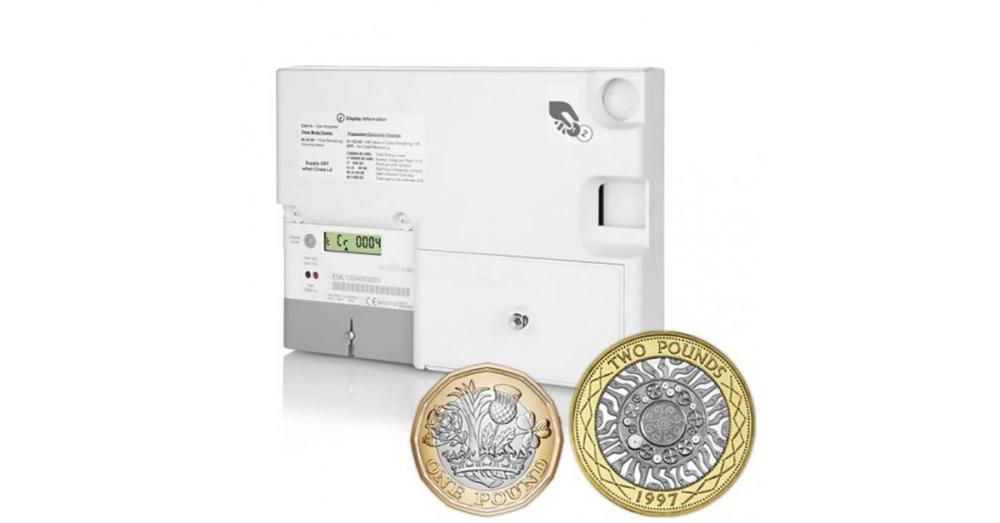
The Emlite 100A £1 & £2 Coin Meter is highly functional and designed for shared accommodations, holiday stays, and caravan parks. With a dual coin meter design and LCD display, this MID-approved unit offers incredible versatility. The landlord can easily adjust rates, standing charges, and emergency credits with its user-friendly interface.
Key Features:
- MID Approved
- Dual Coin Meter (Two Coin Values Accepted)
- Rating: 100A
- Coin reject feature for non-programmed coins
Shop 100A £1 & £2 Coin Meter Emlite
3. GARO Solar Distribution Board with Meter
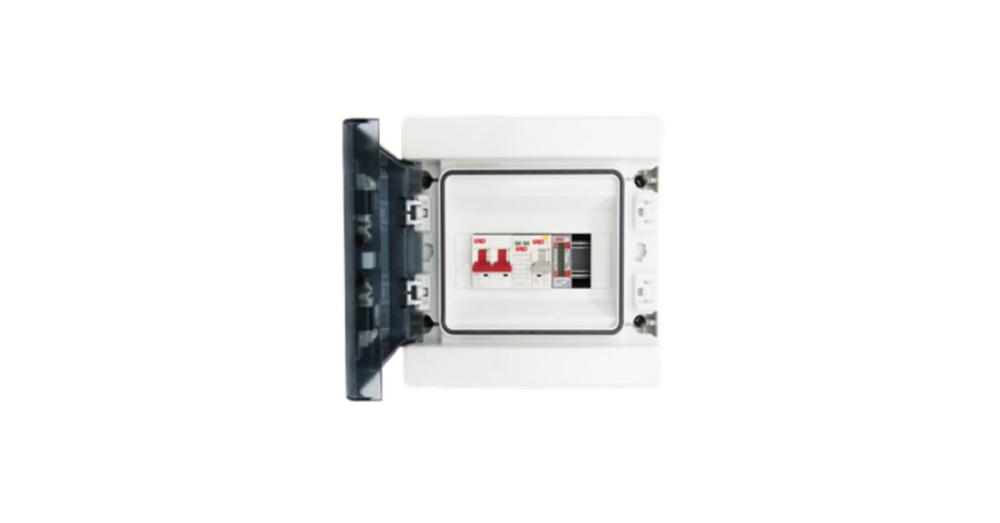
The GARO Solar Distribution Board with Meter is a practical and durable solution for modern solar power systems. It includes a bi-directional 100mA RCBO to provide reliable protection for incoming and outgoing circuits. The IP65-rated enclosure ensures excellent resistance to dust and moisture, making it suitable for both indoor and outdoor installations.
Key Features:
- Height: 231mm, Width: 238mm, Depth: 115mm
- Materials: ABS and Polycarbonate
- Standards: EN 61439-3
Shop GARO Solar Distribution Board
Key Takeaways
- Electric meters accurately measure energy consumption in kilowatt-hours, supporting correct billing and better control over electricity costs.
- Analogue, digital and smart meters provide different levels of accuracy, visibility and energy-use monitoring.
- Single-phase meters are generally suitable for homes and smaller properties, while three-phase meters support larger commercial and industrial electrical loads.
- Prepayment meters help landlords and property managers collect electricity payments in advance and reduce the risk of unpaid energy charges.
- Sub-metering allows facilities managers to track electricity usage across individual areas, tenants or equipment and identify opportunities to improve efficiency.
- Choosing a reliable, correctly rated meter supports regulatory compliance, accurate energy monitoring and long-term system performance.
Conclusion
Understanding your electrical meter setup (from tracking basic kilowatt hours in a small flat to managing advanced three-phase commercial loads) is the ultimate key to accurate billing, evaluating appliance performance, and maintaining complete control over your energy costs.
When you need distribution and control components that you can trust, we have you covered. At Meteor Electrical, we stock a comprehensive range of high-quality electric meters UK professionals rely on, including highly precise single-phase units, three-phase commercial systems, and user-friendly Euro coin prepayment meters.
Ready to upgrade your next wiring project? Shop our full range of electric meters online today to secure rapid delivery and premium quality hardware!
FAQs About Electric Meters
1) How do you read a digital electric meter accurately?
Simply read the numbers displayed on the digital screen from left to right, and if the meter cycles through different displays, ensure you capture the screen specifically showing your current energy usage in kWh.
2) What is the average lifespan of a digital electricity meter?
The lifespan depends heavily on the specific type, but modern static or digital electric meters can generally last up to 20 years before requiring replacement.
3) How to identify and report electric meter tampering in a rental property?
If you suspect meter tampering or notice any unauthorised physical modifications to the unit, you must report it to your utility provider immediately as it is illegal and poses severe safety risks.
4) What are MPAN and MPRN numbers on an electricity bill?
An MPAN is a 21-digit number identifying your electricity supply point, whereas an MPRN is a unique 11-digit number specifically assigned to your property's electricity connection and meter.
5) Where is the best place to install an electric meter in a commercial building?
Generally, meters should be placed exactly where energy enters the building, such as inside a secure, dedicated utility room or an accessible external meter box.