
What Makes a Metered EV Charger Different From a Standard Charger?
What Makes a Metered EV Charger Different From a Standard Charger?
A metered EV charger measures and records every kilowatt-hour it delivers, while a standard charger just gets on with charging your car and keeps no record of it. That one difference decides who can bill for electricity fairly and who can't. If you've been comparing charge points and wondering why some cost more or list "MID approved" as a feature, this is the reason.
At Meteor Electrical, we get asked about this almost daily, usually by landlords, employers, or fleet managers who need to know exactly what they're paying for.
So in this guide, we'll walk through what actually separates a metered charger from a standard one, who genuinely needs the extra functionality, and which models on the market are worth your attention. By the end, you'll know precisely which type suits your situation, no guesswork required.
Understanding the Core Difference
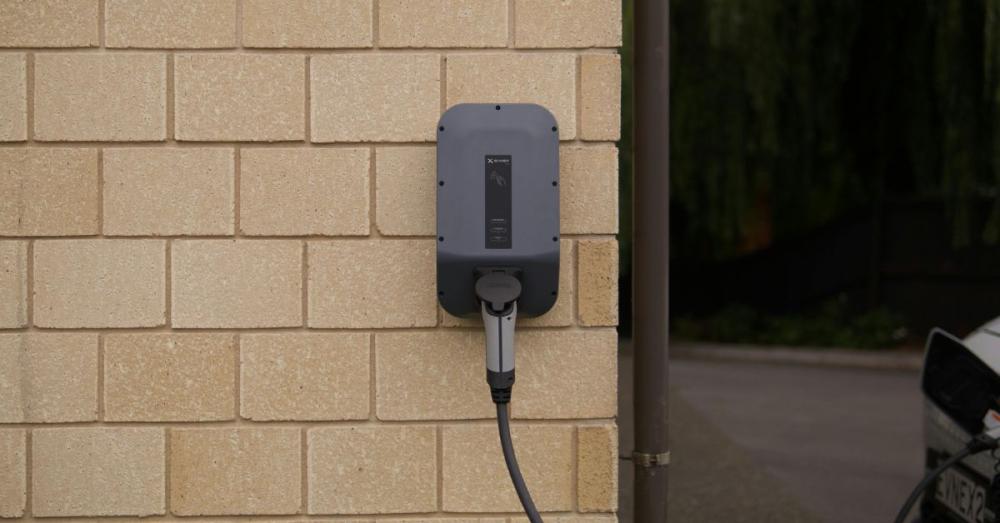
Here's the honest version, stripped of jargon: a standard charger sends power to your car and that's the end of the story. There's no built-in way to prove how much energy went where. A metered charger does the same job of charging your vehicle, but it also logs the exact amount of electricity used, usually to the MID (Measuring Instruments Directive) standard. That MID approval matters because it's what makes the readings legally defensible if you ever need to send someone an invoice.
Why does this matter so much?
Suppose a business is running several company vans. Without metering, there's no clean way to work out what each vehicle actually cost to charge, so the whole billing process turns into guesswork. Compare that to someone charging their own car at home overnight. They don't need any of this. The electricity simply lands on their normal household bill, and that's the end of it.
- Standard chargers do one job well: delivering power safely and efficiently, nothing more.
- Metered chargers add a certified layer of measurement, tracking consumption by session or by user.
- MID approval means the data holds up if a bill is ever questioned or disputed.
- Many metered units link to back-office software, so billing happens automatically rather than manually.
- The real question to ask yourself is simple: will someone else need to see and trust this data?
Who Actually Needs a Metered Charge Point?
Not everyone does, and that's fine. The real test is whether you'll ever need to recover, split, or report the cost of the electricity you're supplying. Ask yourself if any of these sound like you:
- You're a landlord or letting agent wanting to charge tenants a fair price for on-site EV charging.
- You're an employer offering charge points to staff, where usage needs logging for expenses or benefit-in-kind purposes.
- You manage a fleet and need clear, auditable records showing exactly what each vehicle used.
- You run a workplace or venue offering charging as a paid extra for visitors or contractors.
- You own a car park or retail site and want to introduce a pay-per-use charging model.
None of the above applies to you? A standard home charger is probably your best bet, and there's no point paying extra for functionality you'll never use. But if you're billing anyone else for electricity, metering stops being a nice-to-have and becomes something closer to essential. It keeps things transparent and stops awkward conversations before they start.
How Load Management and Connectivity Fit In
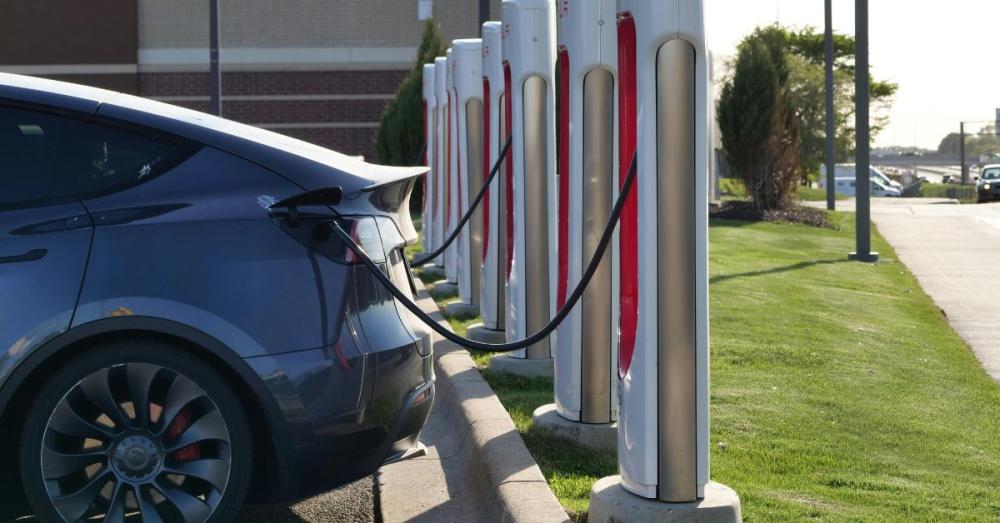
Metering isn't the only smart feature worth understanding here. Most modern chargers, metered or not, now come with load management built in. It keeps an eye on your property's overall electrical supply and quietly turns the charging rate up or down so your main fuse never gets overloaded. Handy if you've got other appliances running, or more than one charger pulling from the same supply.
Then there's connectivity. WiFi, LAN, sometimes 4G. These let you monitor a charger remotely, push firmware updates, and often control the whole thing from your phone. For metered chargers, this is where things get genuinely useful, because it means usage data gets pulled automatically instead of someone walking out to read a display and write numbers down by hand.
A Closer Look at Trusted EV Charger Models
Picking the right charger means weighing up power output, connectivity, and physical build against wherever it's actually going to live. Here are five solid options from Meteor Electrical, each suited to a slightly different job.
1. GARO Entity 7.4kW Socket Charger + LM 60A
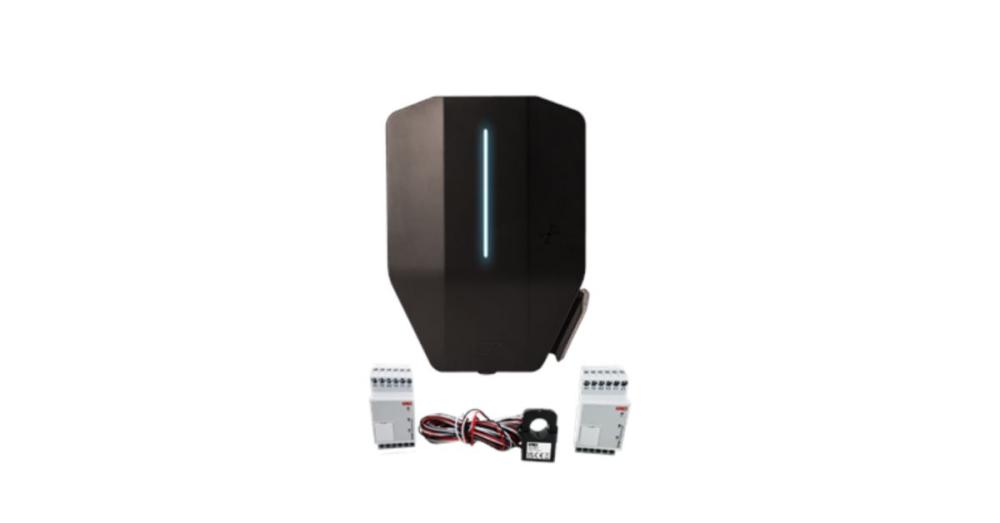
This unit from GARO's Entity range offers a movable socket that can be positioned to the left or right, giving installers flexibility on site. It delivers up to 7.4kW through Mode 3 charging and includes RFID, 4G, WiFi, and LAN connectivity with a two-year SIM included as standard, along with an app for monitoring and control. Third-party TUV certification and both AC and DC leakage protection make it a dependable choice for home and workplace installations alike.
2. BG SyncEV Wall Charger 2 7.4kW Tethered w/ Wi-Fi and LAN
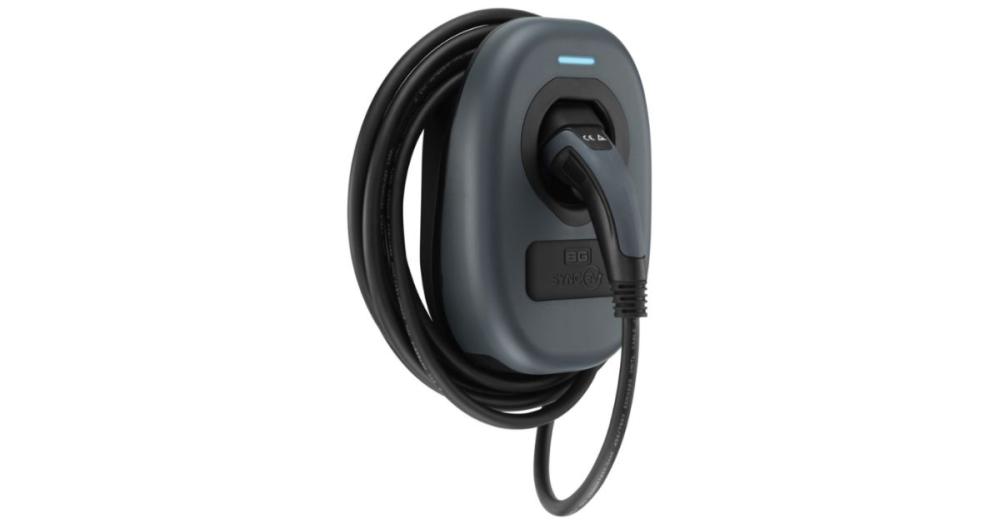
Supplied with a 7.5 metre tethered Type 2 cable, this charger provides 7.4kW output alongside WiFi and Ethernet connectivity as standard. It features integrated solar charging capability, allowing owners with solar panels to draw directly from renewable generation, and includes an integral RCD with both AC and DC fault detection. Backed by a three-year warranty, it also carries an IP55 and IK10 rating, making it robust enough for exposed outdoor locations.
3. GARO 7.4kW Charger 7.5 Metre Lead EV Car Charger (GEV7.4L)
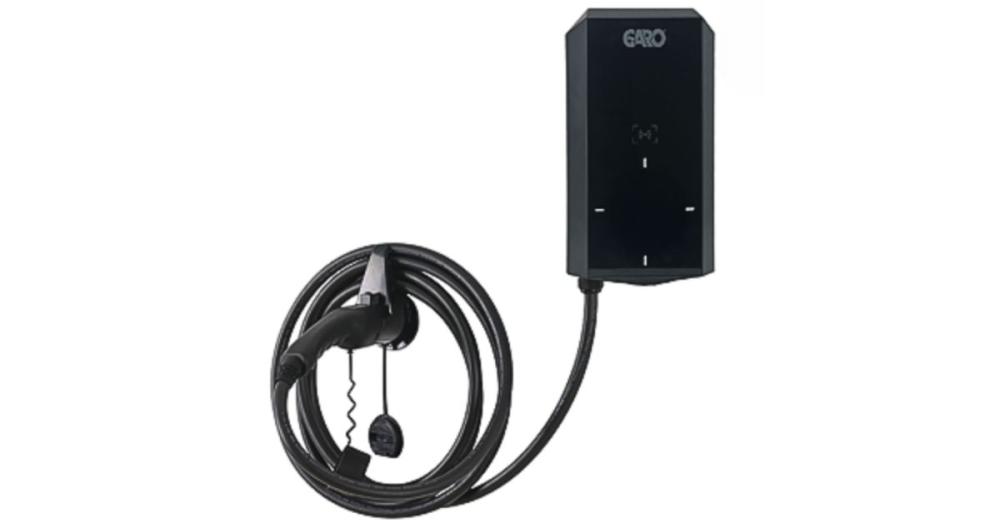
Designed for residential and light commercial settings, this wall-mounted unit combines a 7.5 metre tethered lead with smart app control offering Plug & Charge, Eco Solar, and Scheduled charging modes. Dynamic load management prevents strain on the property's electrical supply, while OCPP 1.6 compliance allows integration with third-party charging networks. An IP54 rating and a wide operating temperature range make it suitable for year-round outdoor use.
4. LS4 2 x 22kW Outlets Metered, LAN EV Ground Mounted Charger
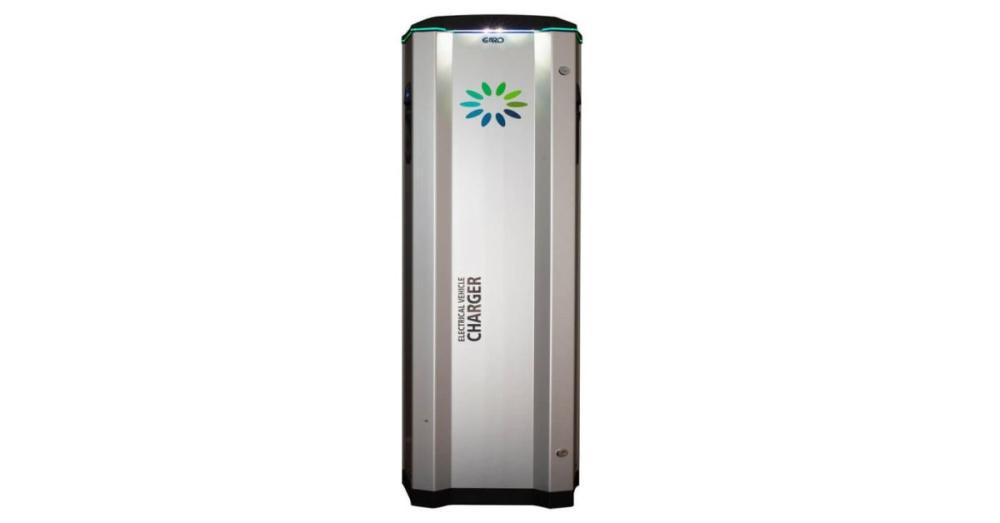
Built for commercial environments such as car parks, retail centres, and transport hubs, this ground-mounted unit provides two Type 2 sockets and supports remote management of up to thirty-two devices from a single platform. Its aluminium construction and 360-degree indicator lighting make it both durable and highly visible, while circuit breakers fitted between each socket add an extra layer of protection for high-traffic public use.
5. GARO 7.4kW Charger T2 Socket Outlet EV Car Charger (GEV7.4O)
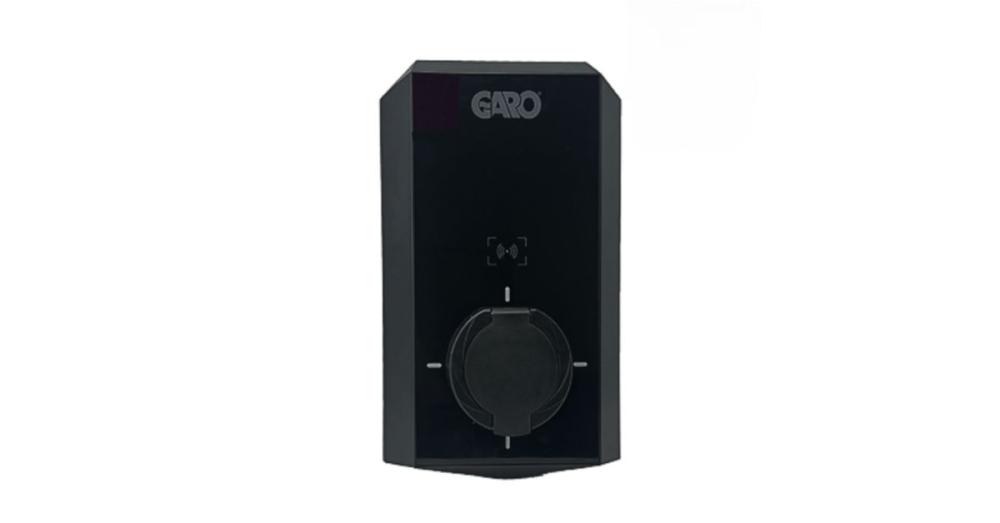
Available in both socket and tethered configurations, this adjustable 3.7kW or 7.4kW unit is built for residential and light commercial applications. It pairs dynamic load management with solar PV readiness, allowing owners to prioritise renewable energy during charging. Weatherproofed to IP54 and supplied with CT clamps for solar and load monitoring, it also includes a three-year manufacturer warranty for long-term peace of mind.
Installation and Compliance Considerations
Whichever type you go for, getting the installation right matters just as much as picking the right model. UK rules, including the Electric Vehicle (Smart Charge Points) Regulations, mean most domestic chargers need smart functionality built in, and we'd always recommend using a qualified electrician rather than attempting it yourself.
- Check your property's existing electrical capacity before settling on a 7.4kW or higher unit.
- Ask whether your consumer unit has room to spare, or whether it needs upgrading first.
- Think about whether an outdoor spot needs extra weatherproofing beyond the charger's standard IP rating.
- Work out your cable routing distance early, as it affects both cost and which lead length you'll need.
- If billing is the goal, double-check the unit is genuinely MID-approved before you buy it.
Source- Artisan Electrics
Making the Right Choice for Your Property
At the end of the day, let the electricity cost be your guide, not the price tag or the brand name on the box. Charging your own car overnight? A standard unit will do the job perfectly well. Recovering costs from tenants, staff, or customers? Then a properly certified metered unit is worth the extra outlay.
It's also worth thinking a step ahead. One EV owner today could easily become three or four within a few years, especially if you're managing a rented property or a small business. Choosing a charger with solid connectivity and load management now means you won't be starting from scratch when demand grows.
Closing Out:
Choosing between a metered and a standard EV charger really comes down to who pays for the electricity and how that cost needs to be tracked. Get that sorted early, and charging stays simple and dispute-free for everyone.
Meteor Electrical stocks a genuinely wide range of both metered and standard chargers, backed by real technical know-how and fast delivery across the UK and Ireland, so it's well worth a look when you're planning your next installation. Browse our website, check delivery details in your area and place your order today!
Frequently Asked Questions
Q1. Do I need a smart meter for an EV charger?
No, a smart meter isn't required. EV chargers with built-in metering record usage independently, though a smart meter can still help track overall household consumption.
Q2. Does an EV charger connect to the meter or fuse box?
An EV charger connects to your property's consumer unit or fuse box via a dedicated circuit, not directly to the electricity meter itself.
Q3. Can an EV charger be installed in the meter box?
Generally no. EV chargers are wall-mounted separately near the consumer unit, as meter boxes are not designed to house charging equipment safely.
Q4. What is a metered EV charger used for?
Metered chargers record precise electricity usage, making them ideal for landlords, employers, or fleet operators who need to bill charging costs accurately.
Q5. Is a metered charger more expensive to install?
Metered units can cost slightly more upfront, but the ability to accurately recover electricity costs often outweighs the modest price difference over time.