
Information
What Are the Best Temporary Lighting Solutions for Construction Sites?
Quick Answer: The safest setup utilises 110V temporary site lighting run through a centre-tapped transformer. Combining durable LED festoon strings alongside cordless LED work lights provides optimal site safety and strict regulatory compliance.
- Why Is 110V Temporary Lighting Mandatory on UK and Irish Construction Sites?
- What Are the Core Components of a Temporary Lighting Setup?
- How Do You Safely Size and Install Temporary Site Power?
- Which Temporary Lighting Products Should You Choose on Your Next Job?
- How Often Should Temporary Site Lighting Be Inspected?
- Key Takeaways
- Conclusion
- Frequently Asked Questions (FAQs) About Temporary Site Lighting
Contractors, electricians and facilities managers face a daily battle establishing safe and compliant temporary site lighting on active refurbishment or new build projects. Arriving on a pitch-black site at 7 AM during the freezing winter months highlights exactly why getting the power on quickly matters. Workers cannot operate machinery safely in the dark. Tripping hazards multiply across cluttered floor plates. Poorly planned setups create severe safety hazards that drastically slow down workflow and lead directly to failed site inspections.
You will learn how to correctly size your temporary power setups before quoting the next major job. Planning your power distribution correctly saves hours of frustrating downtime.
Why Is 110V Temporary Lighting Mandatory on UK and Irish Construction Sites?
The Safety Standard
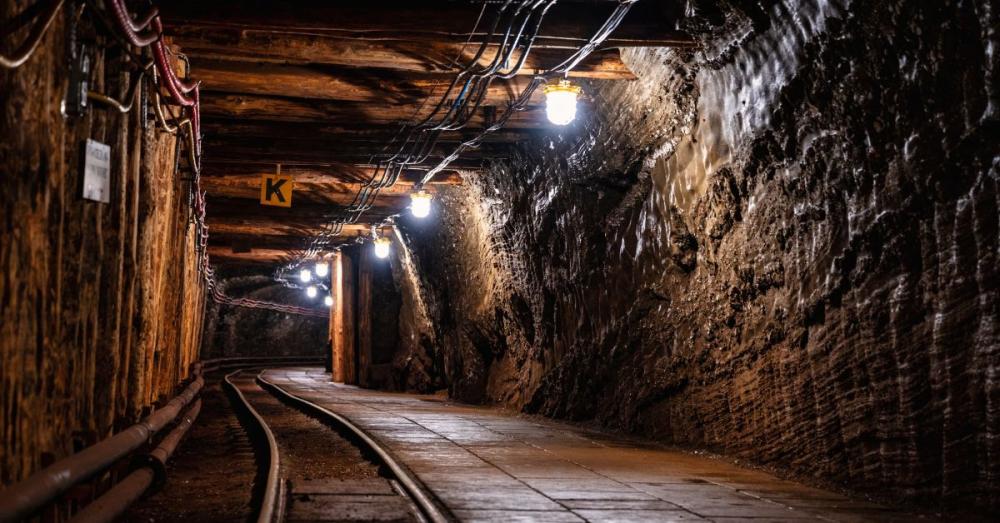
Utilising standard 230V mains power on an active building site poses an extreme risk to workers. UK and Irish safety regulations mandate 110V centre-tapped supplies across building site lighting and portable tools. The specific voltage configuration uses a transformer to step the 230V supply down. Crucially, the earth connection is tapped at the centre of the 110V winding. The clever design reduces the voltage to earth to a mere 55V.
Damp and rugged environments make cable damage highly likely — making the drastic reduction in voltage a lifesaver against fatal electric shocks. Electricians operating in the UK know that inspectors immediately halt work upon finding 230V tools running without proper isolation on a wet site.
The LED Advantage
The construction sector has witnessed a massive shift away from legacy incandescent and fragile halogen lamps. Modern temporary LED lighting dominates the market due to several operational reasons.
- Lower Power Draw - LEDs consume a fraction of the electricity required compared to halogens. Electricians can run considerably more lights off a single 3.3kVA site transformer without risking an overload. Putting less strain on your transformers means fewer tripped breakers during a busy shift.
- Reduced Heat Output - Traditional bulbs pose a severe fire hazard inside confined spaces. Solid-state LEDs generate very little heat — keeping enclosed workspaces completely safe alongside other trades operating nearby. Painters and plasterers do not have to worry about scorching their materials.
- Extreme Durability - Solid-state LED fixtures lack delicate glass filaments. They easily survive the heavy physical impacts, drops and vibrations common across busy sites. Workers can toss a festoon string into the back of a van at the end of the day without shattering a dozen bulbs.
What Are the Core Components of a Temporary Lighting Setup?
Establishing a dependable temporary site lighting network requires highly durable components designed to work together.
Site Transformers
The beating heart of your site setup is the step-down transformer. Heavy yellow boxes take a standard 230V mains supply and step it down to the required 110V. A standard 3.3kVA model typically features two 16A outlets to distribute power safely across different zones. Heavy-duty carrying handles make moving them between floors manageable.
LED Festoon Kits
Festoon kits are continuous strings of lamps designed to provide sweeping illumination. You can string them up quickly across long corridors, stairwells and open commercial floor plates. Continuous lighting prevents dark spots and creates safe navigation paths across the entire site. Installers simply hang the integrated hooks over existing pipework or temporary scaffolding.
Cordless Work Lights
Initial groundwork phases or isolated basements rarely have active transformer supplies available. High-output battery-operated task lighting provides brilliant illumination right where the action happens. Workers gain ultimate mobility — avoiding the trip hazard of trailing cables entirely. Swapping out a depleted battery takes seconds.
Industrial Plugs and Couplers
Managing power routing requires heavy-duty 16A 110V yellow plugs and couplers. Industrial fittings allow you to safely extend circuits and repair damaged lines. They also connect multiple strings of construction site lights securely. The rugged plastic housing resists cracking even after being dropped onto solid concrete.
Source - Simple & Basic Calculation
How Do You Safely Size and Install Temporary Site Power?
Calculating Transformer Loads
Preventing equipment failure requires careful load calculation. Follow these exact steps to safely size your power setup:
- Tally the Total Wattage - Add up the wattage of every single festoon string and work light connected to the circuit.
- Factor in Power Tools - Account for any tools sharing the transformer. Pay special attention to devices drawing high start-up currents like large grinders or heavy SDS drills.
- Check the Continuous Rating - Compare your total wattage against the continuous rating of the transformer. The continuous rating represents the load the unit can handle all day — unlike the intermittent rating meant only for short bursts. Overlooking the continuous rating guarantees a blown fuse just as the site reaches peak activity.
Cable Management and IP Ratings
Proper installation goes beyond plugging things in. Keep leads suspended off the floor wherever possible using dedicated hooks or cable ties. Elevated cables avoid heavy vehicle traffic, wheelbarrows and sharp edges. Trailing wires dragged through mud degrade rapidly.
Operating in damp or exposed outdoor areas means you must specify equipment rated at IP44 or IP65. High ratings prevent dangerous water and dust ingress from ruining the internal circuitry. Moisture entering a cheap plug usually knocks out the entire circuit.
Which Temporary Lighting Products Should You Choose on Your Next Job?
Building your site setup requires a supplier who understands the rigorous demands of the trade. Meteor Electrical offers a compact and highly reliable range of temporary power and lighting solutions built for rapid deployment.
| Product | Wattage & Output | IP Rating | Best Application |
|---|---|---|---|
| 50W LED Festoon (22m) | 50W | Standard | Short corridors, compact renovations |
| 100W 20-Way Festoon (50m) | 100W | IP44 | Expansive commercial floor plates |
| 18V-20V LED Work Light | 2500 Lumens (6500K) | N/A (Cordless) | Targeted task lighting in power-free zones |
1. 110V 50W LED Festoon Kit (22 Metres)

Best Application - Short corridors, compact refurbishments and stairwells.
Features:
- Highly portable design: Consists of a 22m length string that draws just 50W.
- Low energy draw: Allows for running multiple strings off a single small transformer without overloading the circuit, as referenced in the Meteor file.
- Lightweight cabling: Requires minimal effort to move the lighting kit between different rooms.
2. 110V 100W 20-Way LED Festoon Kit (50 Metres, IP44)

Best Application - Expansive commercial floor plates and outdoor site perimeters.
Features:
- Heavy-duty construction: Features a 50m string equipped with 20 distinct light points.
- High illumination: Delivers a bright 100W output.
- Weather resistance: Includes an IP44 rating, providing upgraded protection against dust and water ingress across highly exposed site conditions.
- Maximum coverage: The extra length allows contractors to illuminate massive areas while relying on fewer power outlets.
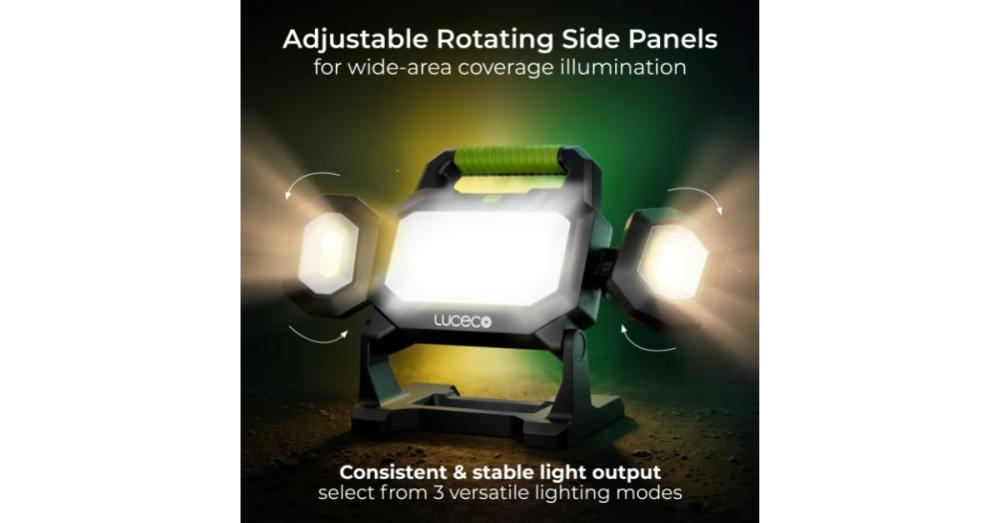
3. Luceco UniVolt 18V-20V LED Work Light (2500lm, 6500K)
Best Application - Targeted task lighting and isolated zones lacking active mains power.
Features - Delivers a brilliant 2500-lumen output at a crisp 6500K daylight colour temperature. High-visibility task work becomes much easier under daylight conditions. The versatile system operates on standard 18V-20V power tool batteries to give contractors ultimate cordless freedom. You do not need to drag a heavy transformer into a cramped loft space just to wire a single socket.
How Often Should Temporary Site Lighting Be Inspected?
Routine Visual Checks
Site managers and workers must take proactive responsibility regarding electrical safety. Equipment should be visually checked daily before use. Look out for the following hazards:
- Cracked or crushed yellow industrial plugs exposing internal wiring.
- Exposed copper wiring on trailing leads caused by heavy foot traffic.
- Shattered lamp holders along festoon strings.
- Water ingress inside transformer housings.
Stressing a zero-tolerance policy is vital. Damaged equipment must be replaced immediately rather than dangerously patched up using electrical tape.
Scheduled Testing and Compliance
Beyond daily checks temporary installations must be routinely inspected by a qualified professional. All portable equipment requires scheduled PAT testing to verify earth continuity and insulation resistance. The entire system must be maintained according to current wiring regulations. Proper maintenance helps maintain site and worker safety as the project progresses through different building phases.
Key Takeaways
- Using 110V temporary lighting with a centre-tapped transformer helps reduce the risk of electric shock and improves safety on construction sites.
- LED festoon lights consume less electricity, produce less heat and offer better durability than traditional halogen lights, making them suitable for demanding construction environments.
- LED festoon kits provide reliable lighting for corridors, stairwells and large work areas, while cordless LED work lights offer flexible lighting in areas without mains power.
- Calculating the total wattage of connected lights and tools and checking the transformer's continuous rating helps prevent electrical overloads and unexpected downtime.
- Keeping cables off the ground, using suitable IP-rated equipment and fully uncoiling extension leads helps reduce electrical hazards and protect equipment from damage.
- Conducting daily visual checks and scheduling appropriate electrical testing helps identify damaged equipment, maintain workplace safety and support compliance with relevant regulations.
Ready to set up safe and reliable temporary site lighting for your next construction project?
Browse Meteor Electrical's temporary lighting and power range to compare 110V LED festoon kits, cordless work lights, site transformers and accessories for your construction and maintenance needs.
Visit Meteor ElectricalExplore Temporary Lighting & PowerConclusion
Safe and highly effective temporary site lighting relies entirely on proper planning. Correctly sizing your transformers, choosing durable 110V LED festoons for general illumination and utilising bright cordless task lights for localised work will guarantee a safe environment that passes inspection every time.
Keep your team safe and your project on schedule. As a leading wholesale electrical supplier Meteor Electrical stocks a trade-rated range of building site lighting, site transformers and robust 110V accessories.
Open a trade account on Meteor today to access exclusive trade rates and secure next working day delivery across Northern Ireland!
Frequently Asked Questions (FAQs) About Temporary Site Lighting
1. Why do construction sites use 110V instead of standard 230V lighting?
Using a 110V centre-tapped transformer halves the voltage to earth to just 55V. The massive drop in voltage drastically reduces the risk of a fatal electric shock across wet or rugged environments.
2. Can 110V LED festoon lights be used outdoors in the rain?
Yes, provided the equipment is rated appropriately. You must use festoons bearing an IP44 rating or higher to keep the lamp holders fully protected against splashing water and dust. Standard indoor strings will short out rapidly during a heavy downpour.
3. How do you calculate if a site transformer can handle your lighting load?
Simply add up the total wattage of all connected lights and tools. Compare the final figure against the continuous load rating of the transformer to prevent overheating during all-day operation. Relying on the higher intermittent tool rating is a common rookie mistake.
4. Is it safe to repair damaged temporary lighting cables using electrical tape?
Absolutely not. Taping over cuts or exposed wires is a severe safety violation. Damaged cables must be properly terminated or removed from the site immediately.
5. What colour temperature is best regarding construction site work lights?
A crisp daylight colour temperature between 6000K and 6500K is best. Daylight bulbs provide maximum contrast, reduce eye strain, and mimic natural daylight to keep navigation safe. Dim or yellowish lighting hides fine details during precision work.
Related guides
Site Lighting That Works: 110V LED Battens and Festoons for Faster, Safer Builds