
Information
What Are Euro Modules and How Do They Work? A Complete Guide to Types, Uses and Choosing the Right Modules
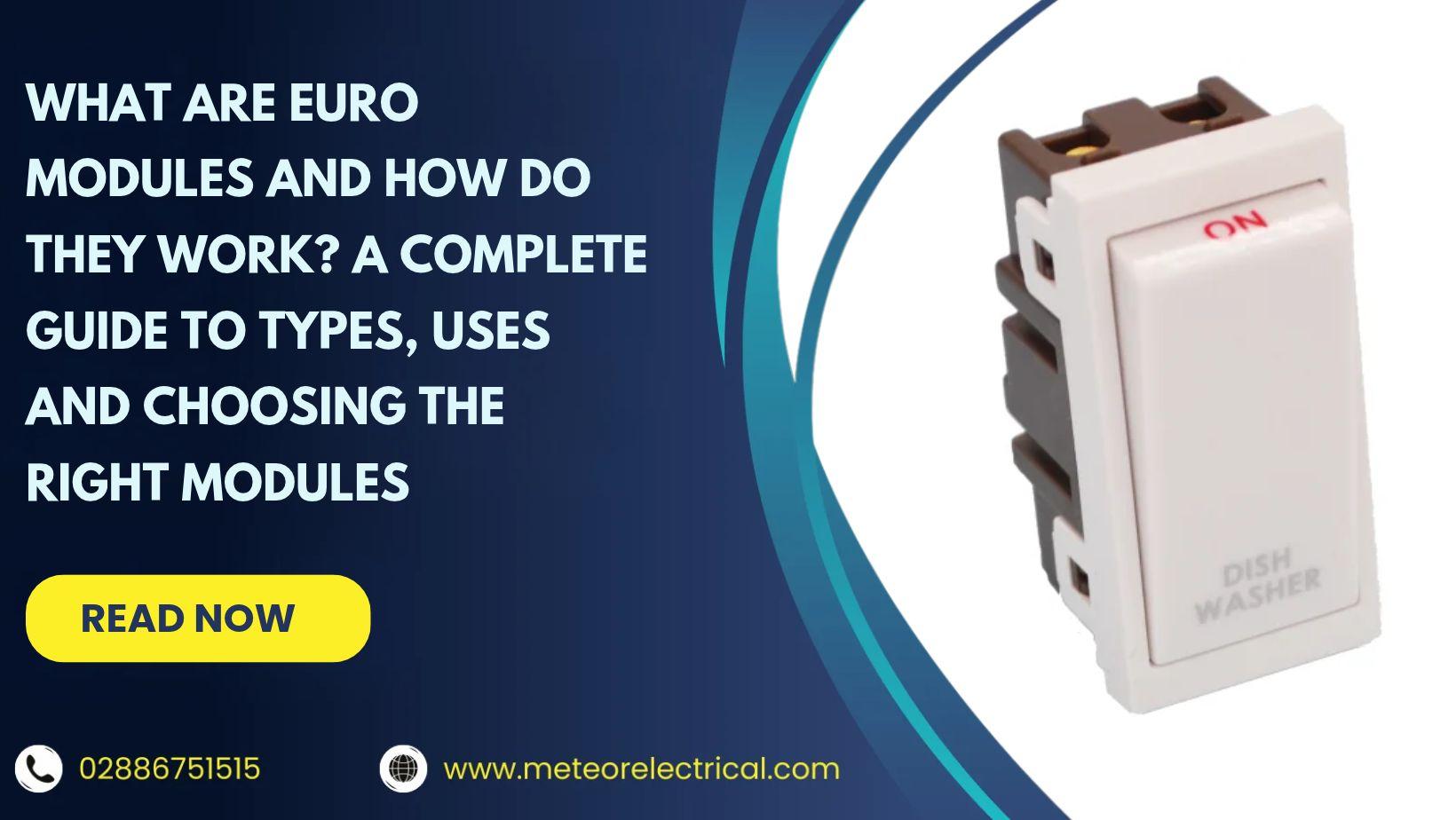
Quick Answer: Euro modules are standardised, clip-in electrical, data, and media inserts engineered to fit directly into compatible Euro modular faceplates of various gang sizes. They work through a uniform snap-fit grid system — typically sized in 25mm x 50mm single or 50mm x 50mm double footprints — allowing installers to mix power, network, and audio-visual connections inside a single wall plate and swap individual inserts without rewiring the entire assembly.
Modern commercial spaces and residential media walls rarely rely on power alone. Today's properties demand clean, consolidated access to high-speed Ethernet, television aerials, appliance isolation switches, and standard mains sockets without cluttering walls with rows of mismatched back boxes. For electricians and facility managers, delivering a neat, future-proof wiring layout is essential to keeping installations compliant and easy to maintain.
Standardising on modular wiring accessories solves this challenge effortlessly. In this guide, we will explain how Euro modules work, compare the main insert types, outline safe selection and installation steps, and highlight reliable components you can source for your next project.
How Do Euro Modules Work Inside a Wall Plate?
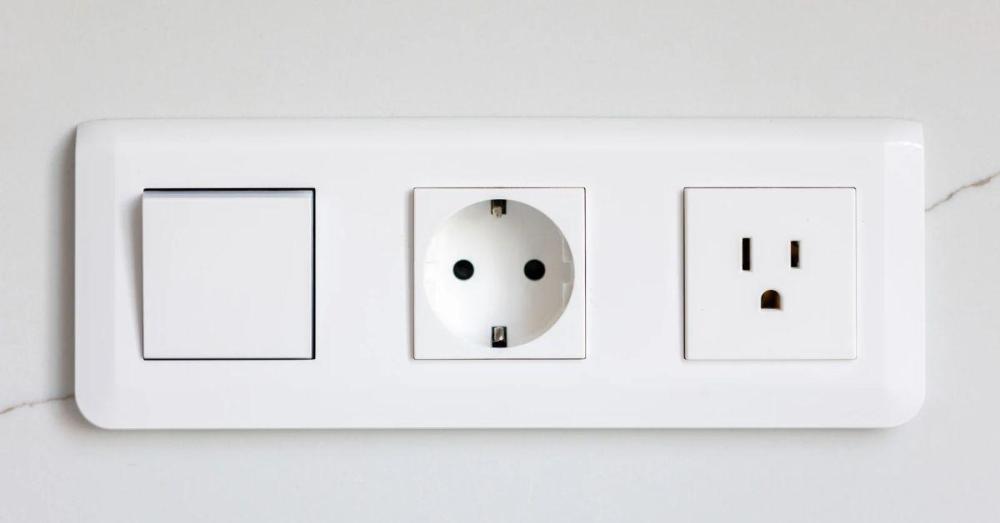
Rather than having fixed single-purpose wall sockets which lock you into one particular layout, a modular system separates the decorative outer frame from the actual electrical or data insert. Each module clips securely into the rear or front aperture of a matching grid frame to give a flush, consistent finish to the wall.
Understanding the mechanics of this modular design reveals why contractors favour it across commercial and domestic sites:
- Standardised Dimensions: Single inserts measure 25mm x 50mm, while double-width inserts — such as mains sockets — measure 50mm x 50mm, ensuring consistent alignment across apertures.
- Customisable Plate Capacities: Common Euro modular faceplates accept 1, 2, 4, or more single-width units, letting you configure bespoke combinations inside standard UK single or double back boxes.
- Tool-Free Clip-In Mounting: Integrated spring clips lock each insert securely into the frame, reducing second-fix time and simplifying future repairs.
- Effortless Upgrades: When a client replaces a telephone line with a Cat6 data port, you simply unclip the old insert and snap in the replacement without disturbing neighbouring connections.
What Types of Euro Modules Are Available for Modern Installations?
The right mix of inserts will be selected depending on whether the room is a media room, a commercial workstation or an equipment control point. As the Euro modules cover both the mains and the extra-low voltage services, knowing what category you're in will prevent any on-site compatibility issues.
| Module Category | Standard Footprint | Primary Function | Typical Installation Area |
|---|---|---|---|
| Power Sockets (13A) | 50mm x 50mm (2-Mod) | Standard 240V mains plug outlet | Media walls, hotel desks, offices |
| Double Pole Switches (20A) | 25mm x 50mm (1-Mod) | Isolates live and neutral on fixed loads | Kitchens, plant rooms, utility areas |
| Data & Network (RJ45 Cat6) | 25mm x 50mm (1-Mod) | High-speed wired Ethernet LAN links | Commercial offices, home studies |
| Media & Aerial (Coaxial) | 25mm x 50mm (1-Mod) | Transmits VHF/UHF TV and FM signals | Living rooms, bedrooms, hospitality |
| Blanking Modules | 25mm x 50mm (1-Mod) | Safely seals unused plate apertures | Multi-gang plates with spare capacity |
How Do You Choose and Install the Right Euro Modules Safely?
Combining power and comms behind one faceplate is a strict BS 7671 affair. Bad planning leads to very cramped back boxes, Cat6 with crushed bend radii and EM interference on the data lines.
Follow these practical steps to achieve a safe, compliant installation:
- Calculate Total Module Widths: Add up the unit count of every required insert (counting 25mm x 50mm inserts as 1 module and 50mm x 50mm inserts as 2 modules) to match the exact aperture capacity of your faceplate.
- Choose an Appropriate Back Box Depth: Always fit a minimum 35mm — and ideally 47mm — deep back box when installing Cat6 or coaxial inserts to preserve cable bend radius and prevent signal loss.
- Segregate Mains and Data Circuits: Whenever 240V power modules share a box with low-voltage Ethernet or aerial modules, install a dedicated dual back box with a fixed metal divider to comply with wiring rules and prevent interference.
- Terminate Conductors Before Clipping In: Wire each switch, socket, or IDC punch-down data module cleanly and verify polarity or pinout continuity before snapping the units into the Euro modular faceplates.
- Seal Unused Apertures Immediately: Clip a matching blanking module into any remaining gap so live internal terminals are completely inaccessible once the plate is screwed back.
Source: eFIXX
Where Can You Buy Reliable Euro Modules and Accessories?
To ensure consistent colour matching, reliable terminations and long-term durability on site, here are five versatile Euro modules for your next project:
1. Lincoln 20A Double Pole Module Insert Plain - White
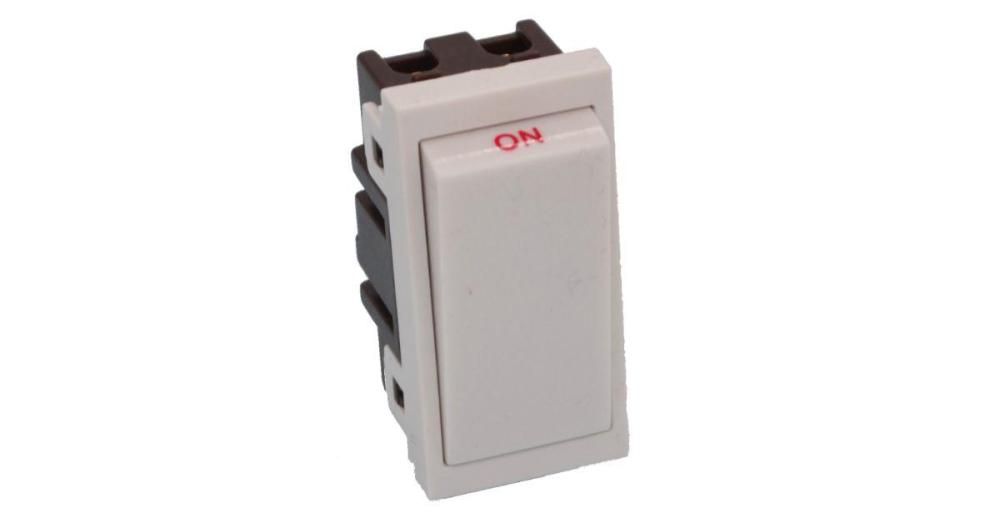
- Key Feature: A compact 24mm x 49mm clip-in polycarbonate switch insert rated at 20A double pole with an integrated on-indicator.
- Best Use Case: Purpose-built for safely isolating high-load fixed equipment—such as water heaters, commercial hand dryers, or under-counter appliances—by disconnecting both live and neutral conductors simultaneously during servicing.
Shop Lincoln 20A Double Pole Module Insert Plain - White at Meteor Electrical
2. Blanking Module – Black

- Key Feature: A single-width 25mm x 50mm black urea blanking insert from Selectric backed by a 5-year guarantee.
- Best Use Case: Ideal for sealing unused or decommissioned slots on dark or contrasting Euro media plates, keeping dust out of the back box while maintaining regulatory compliance and reserving space for later upgrades.
3. RJ45 Cat6 Socket – Unshielded – White
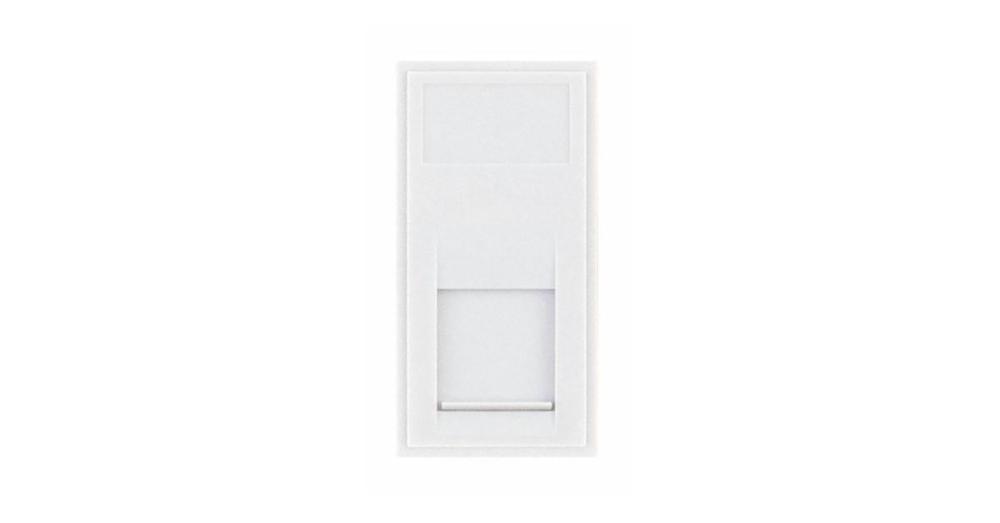
- Key Feature: A single 25mm x 50mm white urea unshielded 8P8C Cat6 data module from Selectric supported by a 5-year guarantee.
- Best Use Case: Suited to commercial office desks, school classrooms, and home workspaces requiring fast, reliable Ethernet LAN connections neatly mounted alongside other room services.
Shop RJ45 Cat6 Socket – Unshielded – White at Meteor Electrical
4. Coaxial/Aerial Socket (Female) Non-Isolated – without Faraday Cage – White
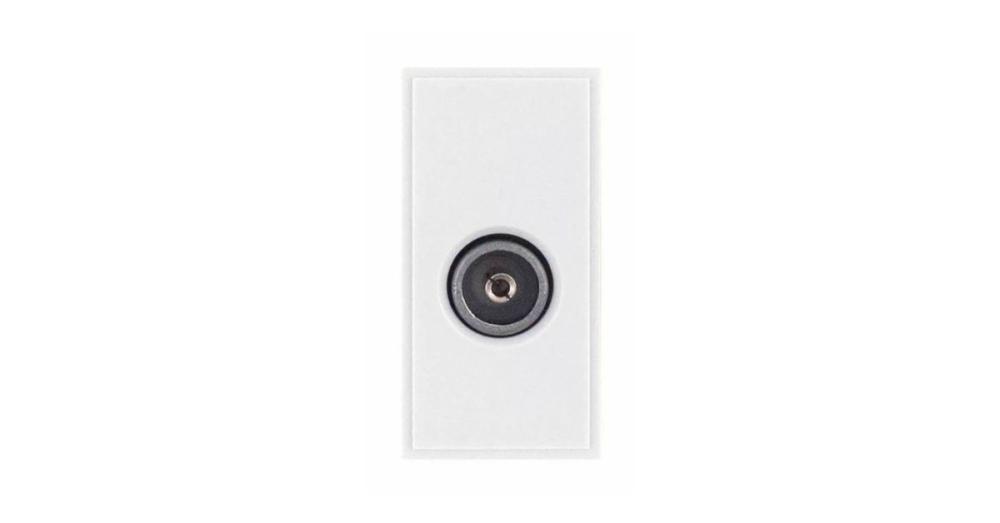
- Key Feature: A single 25mm x 50mm white urea female coaxial insert from Selectric engineered for VHF and UHF TV signals- with a 5-year guarantee.
- Best Use Case: Best deployed on direct, single-aerial feeds in residential living rooms, guest bedrooms, or standalone commercial display screens where communal distribution isolation is not required.
Shop Coaxial/Aerial Socket (Female) Non-Isolated – without Faraday Cage – White at Meteor Electrical
5. 13 Amp Socket Module – White
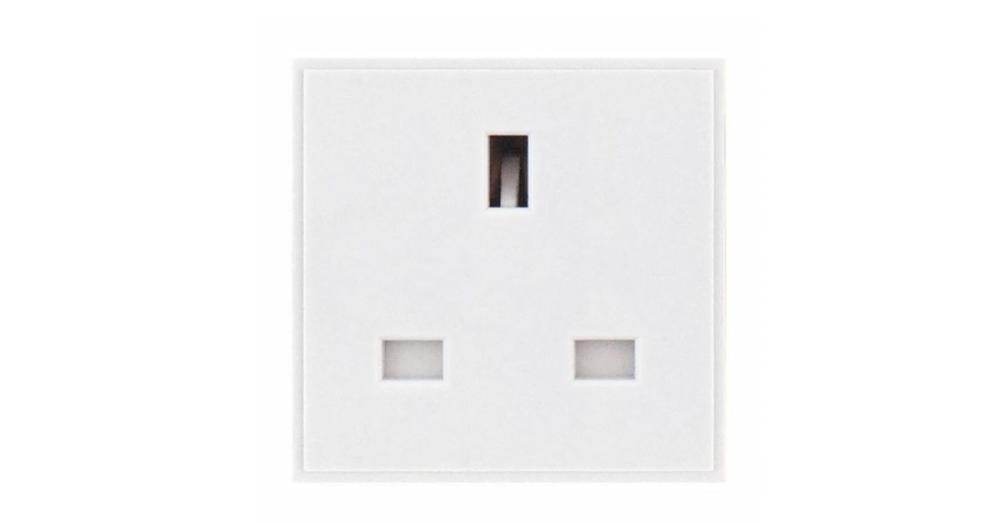
- Key Feature: A double-width 50mm x 50mm white urea 13A 240V mains outlet module from Selectric covered by a 5-year guarantee.
- Best Use Case: Perfect for tidy media walls, boardroom tables, and hospitality workstations where a standard UK 3-pin power outlet needs to sit cleanly beside network or television connections.
Key Takeaways
- Euro modules allow electrical installers to combine power, data, and media outlets neatly inside one single standardised wall faceplate easily.
- Understanding single and double aperture sizing prevents installation mistakes when matching power sockets, switches, and data inserts to modular plates.
- Always separate mains power cables from low voltage data wiring inside back boxes using physical dividers to prevent signal interference.
- Installing blanking modules over empty plate slots maintains strict wiring safety compliance while leaving convenient room for future circuit upgrades.
- Sourcing trusted Selectric and Lincoln modular inserts from Meteor Electrical ensures reliable performance across domestic and commercial electrical projects everywhere.
Ready to Streamline Your Next Modular Wiring Project?
Switching to modular plates gets rid of the mess of multi-box chases and gives every room a clean, custom finish. Whether you're doing an executive office suite, upgrading a hotel block or building a clean residential media wall, the use of robust inserts with properly segregated back boxes will protect both the circuit and your own professional standing.
Meteor Electrical partners with electrical contractors and facilities teams across the Republic of Ireland and Northern Ireland as a dependable wholesale supplier. When you need trade-ready Euro modules that Northern Ireland and Republic of Ireland professionals trust, our extensive catalogue delivers next-working-day stock from respected brands like Selectric and Lincoln.
Shop our full range of Euro Modules and Accessories online today!
Explore Euro Modules and Accessories at Meteor Electrical
Browse modular switches, sockets, data and media inserts for domestic and commercial electrical installations.
Frequently Asked Questions (FAQs) About Euro Modules
Q1: Are all Euro modules universally interchangeable between brands?
Most standard Euro modules follow the 25mm x 50mm or 50mm x 50mm sizing convention, allowing broad physical compatibility. However, slight variations in clip depth and colour shades mean pairing inserts with the same manufacturer's faceplate always yields the neatest fit.
Q2: How many single modules fit into a standard 1-gang or 2-gang faceplate?
A standard 1-gang Euro faceplate typically accommodates up to two single-width (25mm x 50mm) inserts or one double-width (50mm x 50mm) insert. A 2-gang faceplate normally holds up to four single-width modules in any combination.
Q3: Can I put a 13A power module and an RJ45 Cat6 module in the same back box?
Yes, provided you use a partitioned back box with a rigid divider separating the 240V mains cabling from the low-voltage data wiring. This segregation is mandatory under BS 7671 to prevent electrical hazards and signal interference.
Q4: What depth of back box should I install for Euro modules?
A 35mm back box works for basic switches and blanking plates, while 47mm is strongly recommended for RJ45 Cat6, coaxial, and HDMI modules. Deeper boxes prevent tight bends that can degrade data speeds or damage cable cores.
Q5: What is the difference between isolated and non-isolated coaxial modules?
Non-isolated coaxial sockets are designed for single, direct-to-aerial feeds where only one television connects to the antenna. Isolated modules include internal protective components required for communal or shared multi-dwelling aerial distribution systems.
Q6: Why would I use a 20A double pole module instead of a standard light switch?
A 20A double pole switch disconnects both the live and neutral conductors simultaneously and handles heavier resistive loads safely. Standard lighting switches only break the live conductor and are unsuitable for fixed appliance isolation.
Q7: Are blanking modules strictly necessary if a slot is empty?
Yes, leaving an open aperture exposes the internal back box and wiring, breaching safety regulations and inviting dust or accidental finger contact. Fitting a clip-in blanking module instantly restores full enclosure integrity.