
What Is Better for Faster Fault-Finding: RCBO vs RCD + MCB Consumer Units?
What Is Better for Faster Fault-Finding: RCBO vs RCD + MCB Consumer Units?
For electricians and facilities managers, time is money. When a circuit trips in a busy commercial building or a modern home, diagnosing the fault quickly prevents costly operational downtime and homeowner frustration. This brings up an important debate between modern all-in-one RCBO setups versus traditional split-load RCD and MCB configurations. Choosing the right protective devices for your consumer units directly dictates how efficiently an electrician can isolate and repair an electrical fault.
Property owners often ask - "What is better for faster fault-finding: RCBO or RCD and MCB setups?" While traditional split-load boards are cheaper upfront, upgrading to individual RCBOs drastically reduces future maintenance headaches, callbacks and nuisance tripping for professionals.
What Are the Core Differences Between an RCBO, RCD, and MCB?
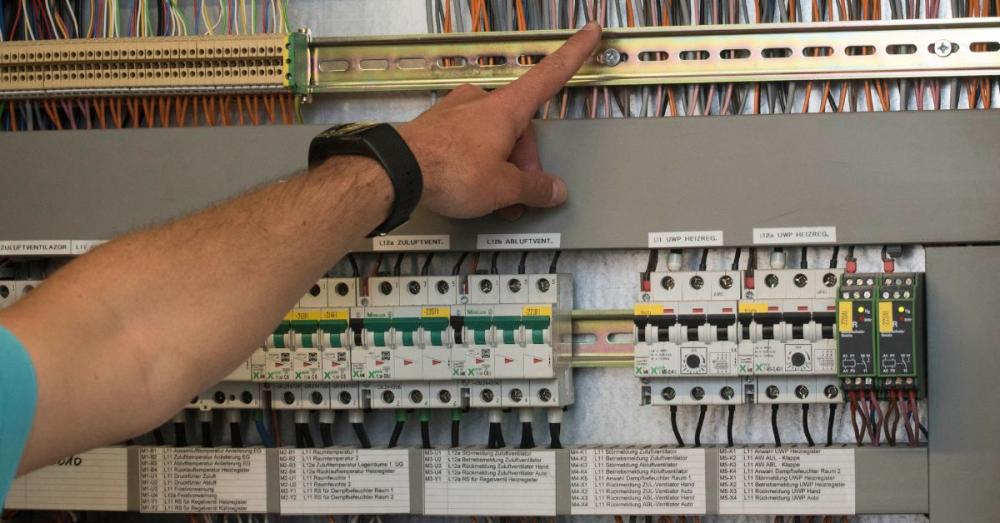
Miniature Circuit Breaker (MCB): The Overload Defender
A Miniature Circuit Breaker (MCB) is designed to protect an electrical circuit by automatically switching off during abnormal network conditions, such as overloads and short circuits. They are ideal for modern homes and offices to prevent internal wiring from overheating and catching fire.
Residual Current Device (RCD): The Life-Saving Leakage Detector
A Residual Current Device (RCD) monitors the flow of electricity and shuts it off instantly if it detects a leakage, providing critical protection against electric shocks. A single RCD can safely protect multiple sockets, often up to four, and is mandatory in newer electrical systems to meet safety compliance standards.
Residual Current Breaker with Overcurrent (RCBO): The All-in-One Solution
A Residual Current Breaker with Overcurrent (RCBO) efficiently combines the overload protection of an MCB with the life-saving shock protection of an RCD into one highly compact unit. They are perfect for commercial or heavy-duty use, providing comprehensive dual protection simultaneously across dedicated circuits.
Why Do Traditional RCD and MCB Configurations Still Exist?
Cost-Effectiveness for Large Installations
Despite the availability of advanced alternatives, the upfront economic benefits of the traditional split-load consumer unit keep it highly relevant in the trade. Using two RCDs to protect a large bank of cheaper MCBs is a highly budget-friendly way to meet building regulations in standard residential properties where budgets are strictly controlled.
The Shared Neutral Drawback
The technical limitation of this older setup is significant. Because multiple MCBs share a single RCD, a leakage fault on just one circuit (like a faulty toaster or damaged kettle) will trip the RCD and kill the power to all other circuits sharing that block (such as the hallway lighting and security alarms). This shared reliance makes diagnosing issues incredibly frustrating.
Source - eFIXX
How Does an RCBO Setup Make Fault-Finding Significantly Faster?
Complete Single-Circuit Isolation
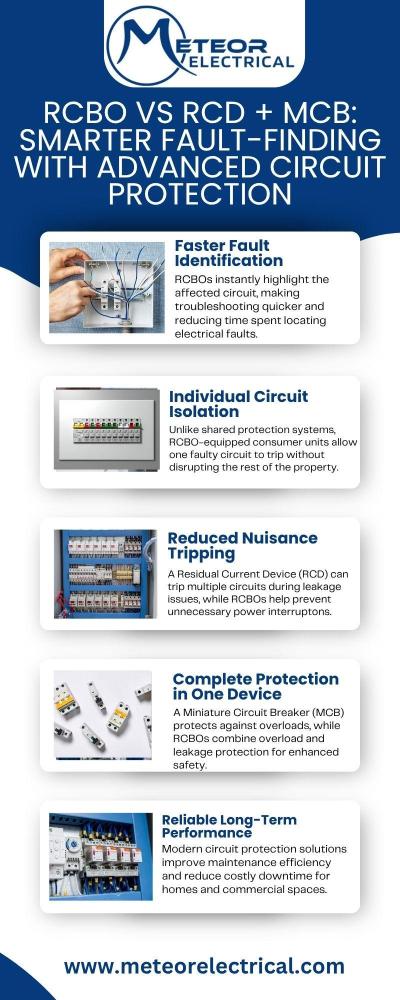
When examining the electrical fault-finding process, complete isolation is paramount. Because every circuit in an RCBO board has its own dedicated neutral and live protection, a fault on one circuit only trips that specific RCBO. Electricians no longer need to spend hours disconnecting neutral wires from the terminal bar to hunt down an earth leakage fault.
The tripped breaker instantly identifies the exact problem circuit, allowing professionals to resolve the issue and restore power in minutes.
Eliminating Nuisance Tripping and Minimising Downtime
RCBOs prevent the dreaded issue of cumulative earth leakage. In commercial facilities, accumulated minor leakages from multiple desktop computers and servers can cause a shared RCD to trip unnecessarily.
Did You Know: Preventing nuisance tripping by using dedicated RCBOs on sensitive circuits is one of the most effective ways to avoid expensive out-of-hours emergency electrician callouts?
Which Consumer Unit Setup is Best for Your Next Installation?
When to Install a Dual RCD + MCB Board
This traditional setup is entirely acceptable for simple, budget-conscious domestic rewires where occasional nuisance tripping will not cause severe disruption to the occupants. If you are searching for the best consumer unit for home, a split-load board provides adequate safety and legal compliance.
When to Upgrade to an RCBO Consumer Unit
For high-end residential properties, commercial offices, healthcare facilities, and server rooms, the RCBO setup is non-negotiable. The slightly higher initial hardware cost is immediately offset by the sheer speed of future fault-finding and reduced ongoing maintenance.
Additionally, if you are powering exterior hot tubs or garden offices, integrating a waterproof outdoor consumer unit equipped with individual RCBOs guarantees maximum safety against the elements.
Where Can You Buy the Best RCBOs, RCDs, and MCBs for Your Next Project?
To ensure strict regulatory compliance, here are the top-tier circuit protection devices available for your next major installation:
1. GARO 1 Pole + Neutral 32A B Curve 6kA Type A RCBO
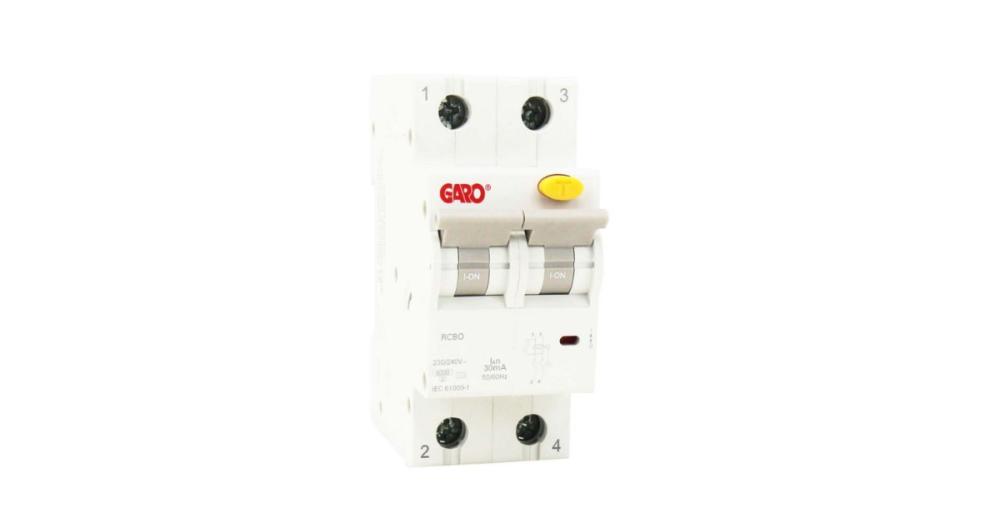
A premium, space-saving Residual Current Breaker with Overcurrent (RCBO) designed for modern consumer units. It offers highly responsive dual protection against both overloads and earth leakage, making fault-finding on heavily loaded ring mains incredibly fast and efficient.
Key Features:
- 32 Amp rating
- B Curve tripping characteristic
- Type A earth fault detection
- 6kA breaking capacity.
2. Live Electrical 16A B Curve 6kA Type A RCBO
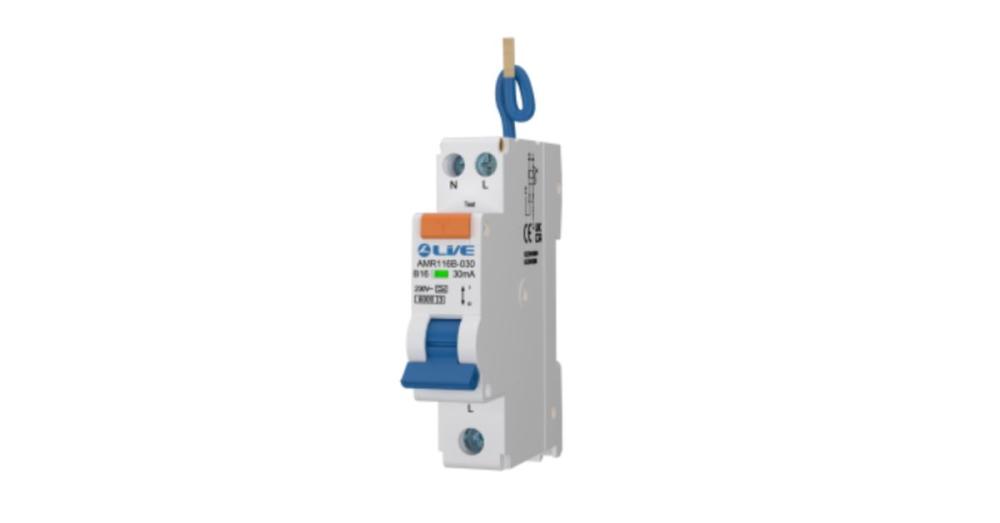
The perfect cost-effective solution for safeguarding lighting and standard radial circuits. This unit isolates faults instantly to a single circuit, completely preventing nuisance tripping across the rest of the distribution board.
Key Features:
- • 16 Amp rating
• Type A protection
• Compact modular design
• 6 kA short-circuit capacity.
Shop Live Electrical 16A Type A RCBO
3. GARO 63A 30mA 2 Pole Type A RCD
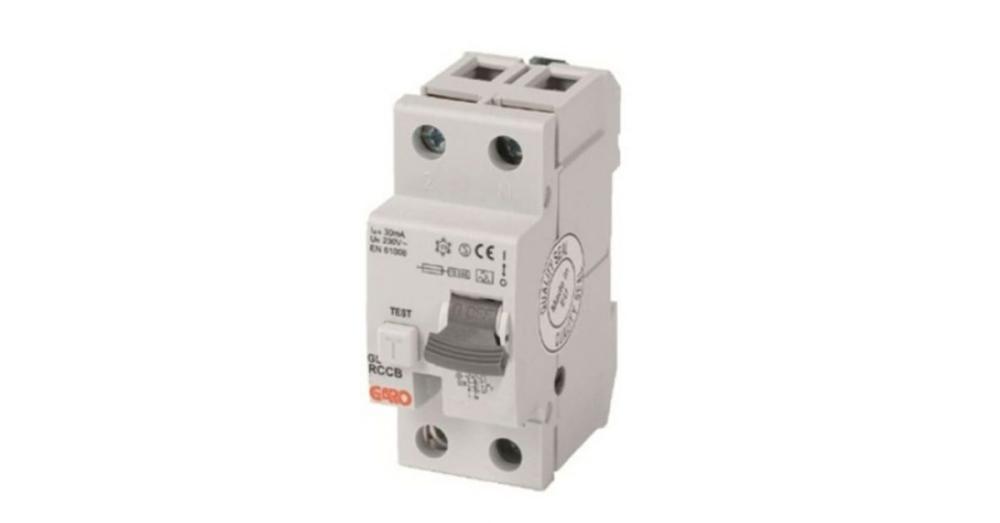
A heavy-duty residual current device tailored for commercial split-load boards. It acts incredibly fast to monitor electrical flow and instantly shuts off power upon detecting life-threatening leakage.
Key Features
- 63A current rating
- 30mA trip sensitivity
- 2 Pole configuration
- Type A detection for AC and pulsating DC currents.
Shop GARO 63A 2 Pole Type A RCD
4. Live Electrical 80A 30mA 2 Pole RCD
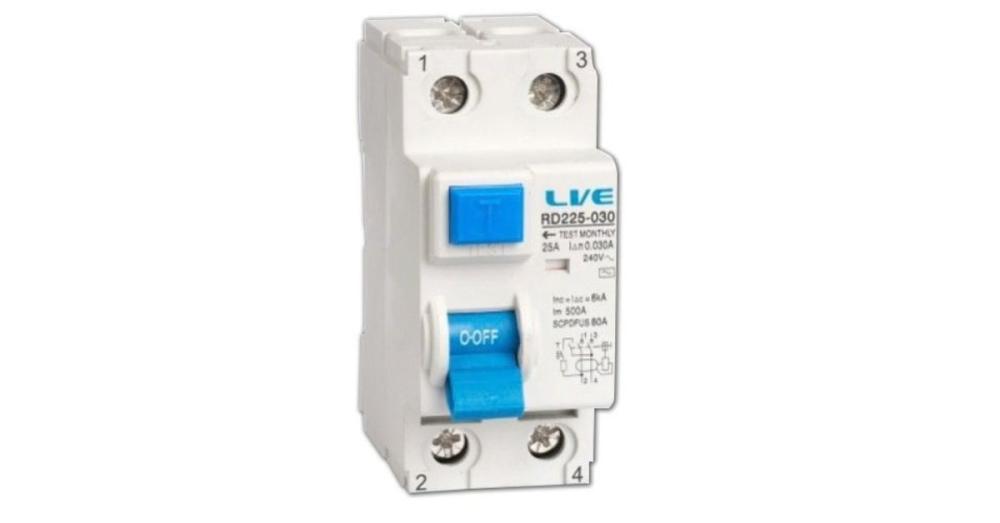
A staple for domestic and commercial consumer units requiring a robust main switch RCD. Built to provide wide-scale shock protection across multiple integrated MCB circuits.
Key Features
- 80 Amp rating
- 30mA trip sensitivity
- Double pole
- Highly durable internal mechanisms.
Shop Live Electrical 80A 2 Pole RCD
5. Garo MCB 1-Pole 32A Characteristic B 6kA
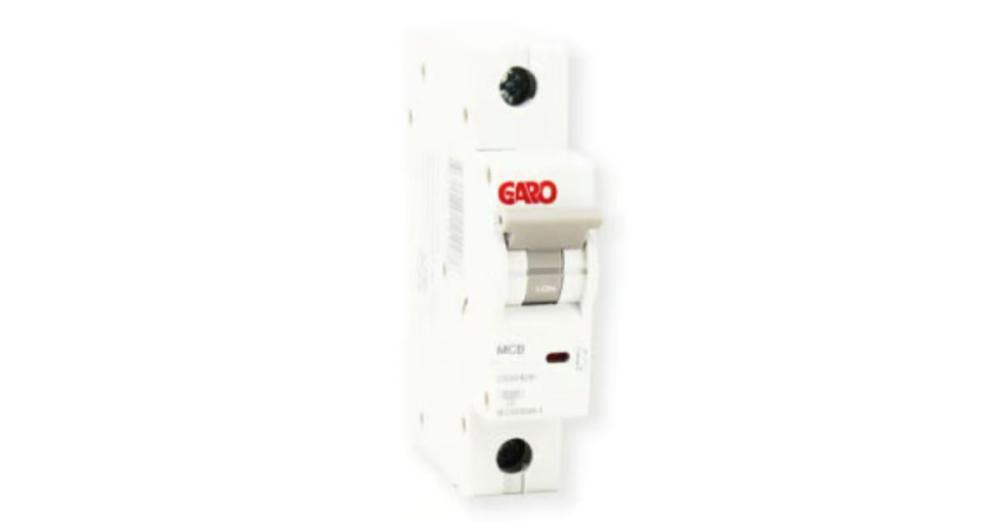
Designed for ultimate ease of installation, this 32 Amp single-pole breaker delivers exceptional value for money and reliable, rapid detection of standard domestic electrical faults.
Key Features
- 32 Amps rating
- B Curve
- 6kA breaking capacity
- BS EN 60898 compliant
Shop Garo MCB 1-Pole 32A Characteristic B 6kA
6. Live Electrical 1 Pole 16 Amps B Curve 10KA MCB
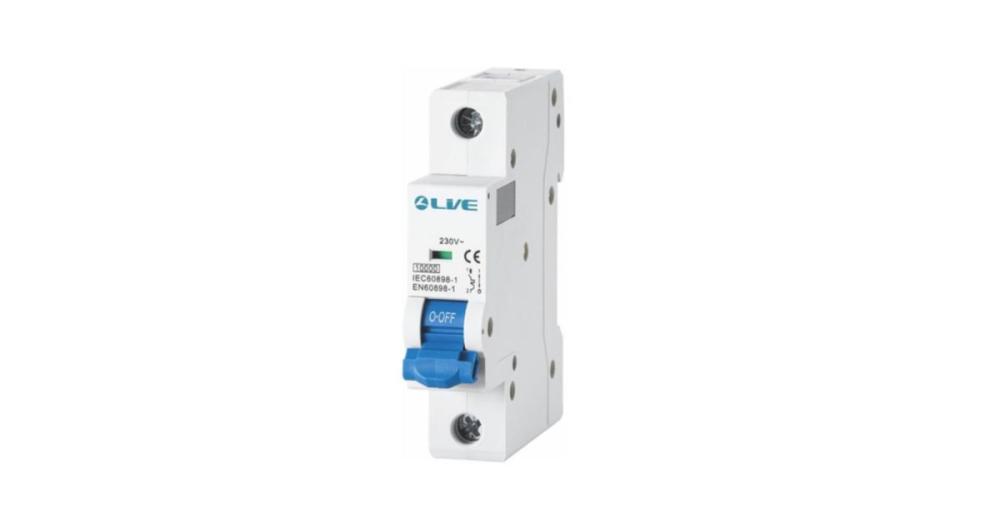
Ideal for robust circuit protection where standard low surge currents are present, this MCB offers high reliability for residential and commercial upgrades.
Key Features:
- 16 Amps rating
- 1-Pole configuration
- B Curve
- 10 kA short-circuit rating
Shop Live Electrical 1 Pole 16 Amps B Curve 10KA MCB
Key Takeaways
- RCBO consumer units provide faster fault-finding by isolating faults to a single circuit, helping electricians identify and resolve issues quickly without affecting the entire installation.
- Traditional RCD + MCB consumer units are more budget-friendly and remain suitable for standard residential installations where occasional nuisance tripping is less disruptive.
- RCBOs combine RCD and MCB protection in one device, offering both overload protection and earth leakage protection for improved safety and circuit control.
- Split-load RCD setups can cause wider power interruptions because a single leakage fault may trip multiple circuits connected to the same RCD.
- Commercial buildings, offices, and high-demand properties benefit more from RCBO boards due to reduced downtime, fewer maintenance issues, and easier fault diagnosis.
- Choosing the right consumer unit depends on installation needs, safety requirements, and long-term maintenance costs, with RCBO systems offering greater convenience and reliability for modern electrical setups.
Conclusion: Secure Your Next Consumer Unit Upgrade with Meteor Electrical
While traditional RCD and MCB configurations remain budget-friendly, upgrading to an RCBO-led consumer unit is the ultimate way to guarantee faster fault-finding, zero nuisance tripping, and highly targeted circuit isolation.
When you are planning your next distribution board upgrade, you need a reliable wholesale partner. Meteor Electrical is a leading wholesale electrical supplier for the UK and European markets serving electrical contractors and facilities managers. We stock a comprehensive range of premium consumer units, RCBOs, RCDs, and MCBs built for ultimate safety.
Shop our full range of circuit protection and distribution control products online to secure your site with rapid next-day delivery and trade-trusted quality!
Frequently Asked Questions (FAQs) About Circuit Protection
1) Why does fault-finding take longer on an RCD and MCB board?
Because multiple circuits share one protective device, an earth fault trips the main breaker, forcing the electrician to manually disconnect neutral wires across several circuits to find the exact culprit.
2) How does an RCBO prevent nuisance tripping?
A Residual Current Breaker with Overcurrent (RCBO) isolates both the live and neutral feeds for one specific circuit, meaning a minor electrical leakage on one piece of equipment leaves the rest of the building entirely unaffected.
3) Can I mix RCBOs and MCBs in the same consumer unit?
Yes, many modern installations utilise a hybrid setup where critical equipment (like freezers or servers) is put on independent RCBOs while standard lighting circuits share an RCD and MCBs.
4) What is the difference between Type AC and Type A RCDs/RCBOs?
Type AC detects standard alternating current faults, whereas Type A detects both AC and pulsating DC faults, which is legally required for modern electronics, EV chargers, and LED lighting.
5) How often should I test the RCDs or RCBOs in my consumer unit?
You should test your protective devices every three months by pressing the test button; if it does not click off instantly, the internal mechanism is compromised and the unit must be replaced immediately.