
Information
How To Choose the Right Grid Switch Modules for Kitchen Appliances?
How To Choose the Right Grid Switch Modules for Kitchen Appliances?
Quick Answer: To choose the right grid switch modules, count your kitchen appliances to determine the required grid frame size. Select 20A double pole switches for heavy white goods, add appropriate fuse holders, and match the faceplate finish to your kitchen design to create a safe, consolidated control panel.
Kitchens are the most appliance-heavy rooms in any residential or commercial property. They demand highly organised, safe, and accessible power control. Relying on standard, disjointed wall sockets for dishwashers, extractors, and ovens creates messy aesthetics. It also complicates emergency isolation for end users. Introducing grid switch modules provides the ultimate customisable solution to this common issue.
This guide serves facilities managers and electricians to help select the correct components, plan a custom multi-gang plate efficiently, and verify strict compliance with UK wiring regulations during their next kitchen fit-out.
- What Are Grid Switch Modules and Why Are They Essential for Kitchens?
- How Do You Plan the Perfect Grid Switch Plate for Kitchen Appliances?
- Which Grid Modules Are Best Suited for Specific Kitchen Appliances?
- What Are the Crucial Installation and Compliance Standards for Kitchen Grids?
- Which Grid Switch Modules Should You Choose for Your Next Project?
- Key Takeaways
- Ready to Upgrade Your Kitchen Electrical Installations?
- Frequently Asked Questions (FAQs) About Grid Switch Modules
What Are Grid Switch Modules and Why Are They Essential for Kitchens?
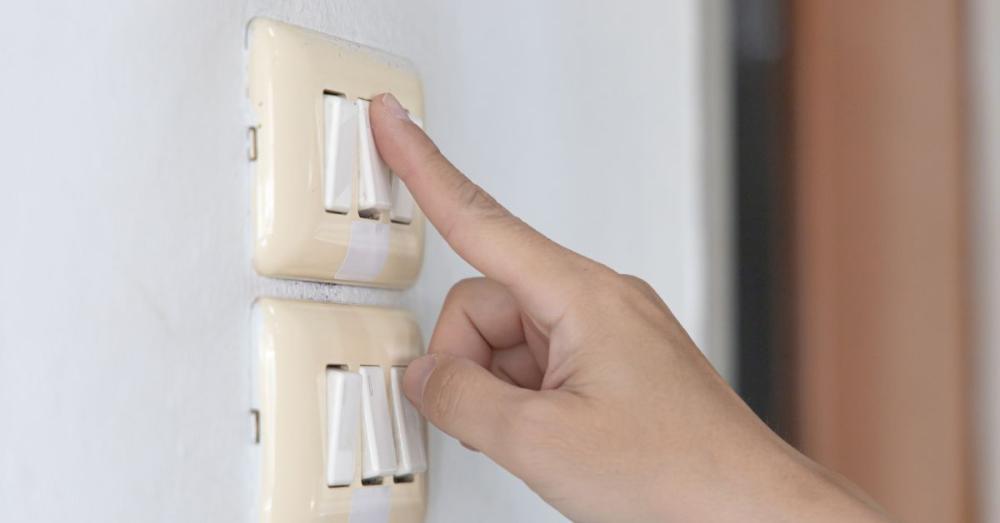
The Mechanics of a Custom Grid System
Grid systems consist of three core parts consisting of the decorative faceplate, the mounting frame or grid, and the interchangeable clip-in modules. The plug-and-play nature of these setups allows installers to build bespoke configurations tailored exactly to the appliance layout of the specific kitchen. Installers simply clip the required functional units into the frame and screw the decorative plate over the top.
Centralised Control and Space-Saving Aesthetics
Electricians use these modular systems to consolidate multiple heavy-duty appliance controls into a single, neat faceplate located safely above the worktop. Consolidating the switches drastically reduces visual wall clutter. It also minimises the need for homeowners to reach clumsily behind heavy white goods to cut the power during an emergency.
How Do You Plan the Perfect Grid Switch Plate for Kitchen Appliances?
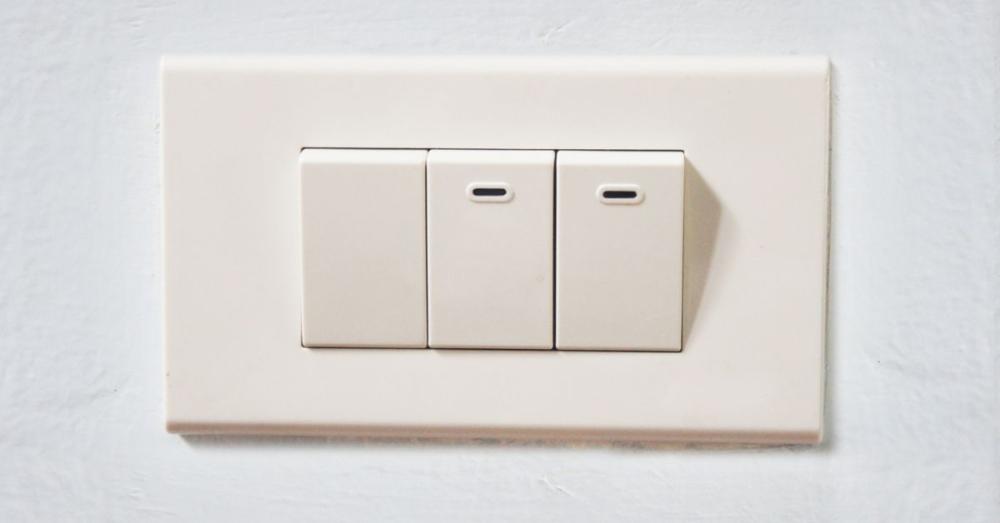
Assessing Appliance Loads and Counting Apertures
Contractors must map out the electrical demands of the kitchen before ordering any hardware. Calculating the required plate size takes careful planning.
- List every fixed appliance in the room requiring isolation.
- Count the exact number of functions needed to match your list of appliances.
- Select a plate size that accommodates your total count. A 2-gang plate typically holds two to four apertures, whereas a 4-gang plate comfortably houses six or eight modules.
- Check the depth of the existing wall cavity to guarantee your selected plate and wiring will fit safely without crushing the internal cables.
Future-Proofing with Blanking Modules
Leaving spare positions on the grid frame prepares the property for future kitchen upgrades. Blanking modules neatly fill unused apertures until a new appliance is added at a later date. Utilising blanking plates saves the client from future rewiring costs and keeps the control panel looking completely finished in the meantime.
Which Grid Modules Are Best Suited for Specific Kitchen Appliances?
Selecting the right module for the right appliance guarantees safety and longevity. Here is a quick reference comparison to help you match components correctly.
| Appliance Type | Recommended Module | Primary Function |
|---|---|---|
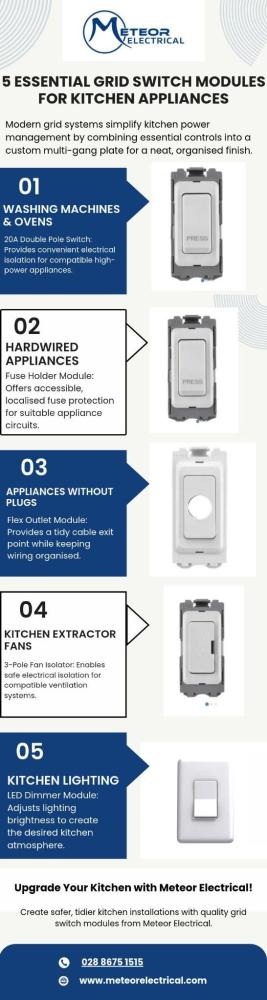
| Washing Machine / Oven | 20A Double Pole Switch | Safely isolates high-draw appliances |
| Hardwired Appliances | Fuse Holder Module | Provides localised circuit protection |
| Appliances without plugs | Flex Outlet Module | Allows flush cable management |
| Kitchen Extractor Fan | 3-Pole Fan Isolator | Safely cuts power to ventilation units |
| Kitchen Lighting | LED Dimmer Module | Controls multi-point room lighting |
20A Double Pole (DP) Switches for Heavy White Goods
Industry standards call for the use of 20A DP (double pole) switches to safely isolate high draw equipment such as fridge freezers, dishwashers and washing machines. These are the heavy duty switches which will switch both the live and neutral simultaneously and therefore completely eliminate the risk of shock.
Fuse Holders and Flex Outlets
Fuse holder modules provide localised protection for specific hardwired appliances. Flex outlets allow for clean, flush cable management directly from the wall to the appliance. Both components work together to keep the installation looking incredibly tidy while maintaining strict safety protocols.
Fan Isolators and Lighting Controls
Integrating 3-pole fan isolator modules manages kitchen extractor hoods perfectly. Electricians frequently install 2-way modules and LED dimmers right alongside these isolators to control multi-point kitchen lighting from the exact same central panel.
What Are the Crucial Installation and Compliance Standards for Kitchen Grids?
Adhering to Wiring Regulations and Safe Isolation
Proper appliance isolation and accessibility must follow current electrical standards. The switch panel must provide a visible, safe break in the circuit for routine maintenance.
Manufacturer Compatibility and Back Box Depths
Grid modules and frames vary wildly by manufacturer and rarely offer cross-compatibility. Installers must check that the wall back box is sufficiently deep. A depth of 35mm to 47mm is usually required to safely accommodate the dense wiring of a fully loaded panel. You might specify metal clad grid faceplates in rugged commercial plant rooms, while opting for decorative metal switches and sockets inside a high-end domestic kitchen to match the surrounding finishes.
The Importance of Clear Appliance Labelling
Every 20A switch module should be clearly engraved or labelled. Clearly marked switches reading “Fridge” or “Washing Machine” allow homeowners to isolate the correct equipment instantly in an emergency.
Source - John Ward (jwflame)
Which Grid Switch Modules Should You Choose for Your Next Project?
Sourcing modular electrical components for a high-end kitchen fit-out requires reliable hardware that guarantees perfect compatibility. The brand Meteor Electrical stocks a premium range of grid switch modules designed for rapid installation and long-term durability. Zahler grid plates easily accommodate all the modules listed below.
1. Zahler 20A DP Grid Switch Module (Engraved)
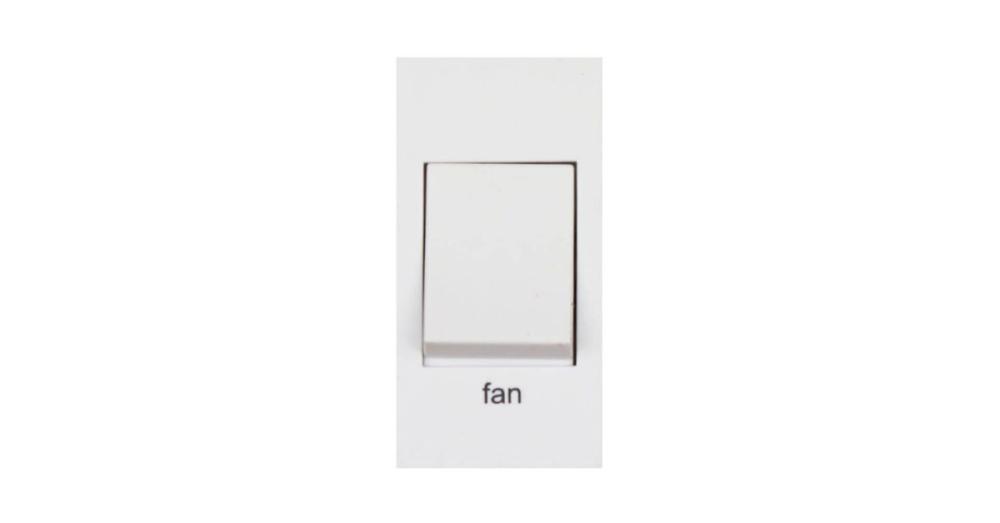
- Best for: safely isolating the heavy drawing kitchen white goods.
- Key features: 20A rating, the appliance is clearly engraved so you know what it is at a glance and a simple clip in for quick grid frame assembly.
2. Zahler Grid Fuse Holder Module
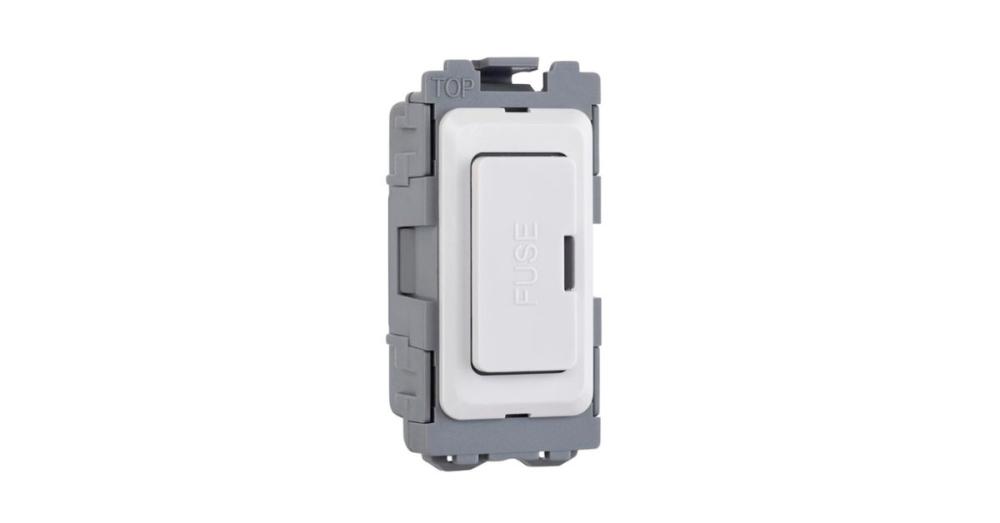
- Best for: Localised accessible fused protection for hard wired kitchen appliances.
- Key features: Easy access fuse carrier, fits perfectly into Zahler multi-gang plates and is a tough thermoplastic to last in the humid kitchen environment.
3. Zahler Grid Flex Outlet Module
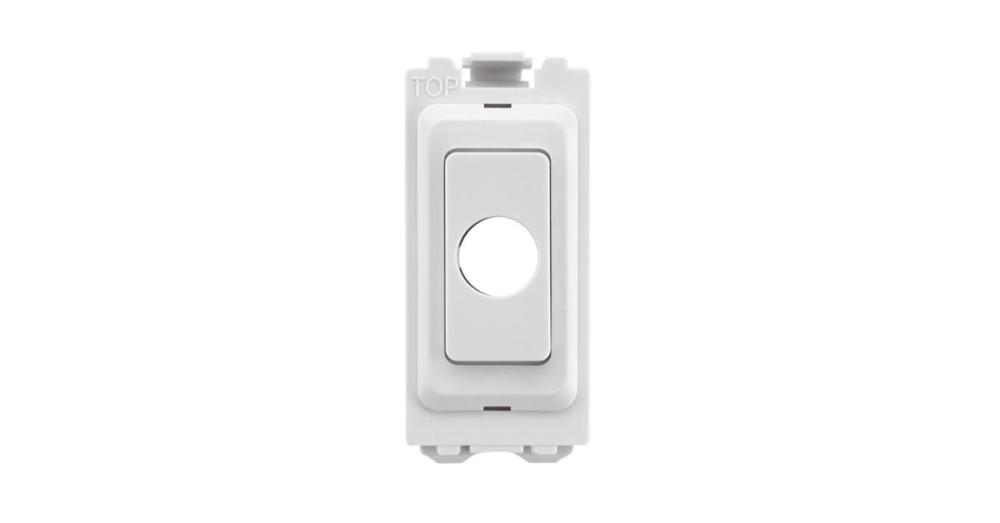
- Best for: creating a clean, secure cable exit point for appliances which don't have standard plug tops.
- Key features: integrated cord grip for strain relief, clean profile to match the adjacent switch modules and it totally removes the need for those messy protruding wall cables.
4. Zahler 20A Grid Retractive Switch Module
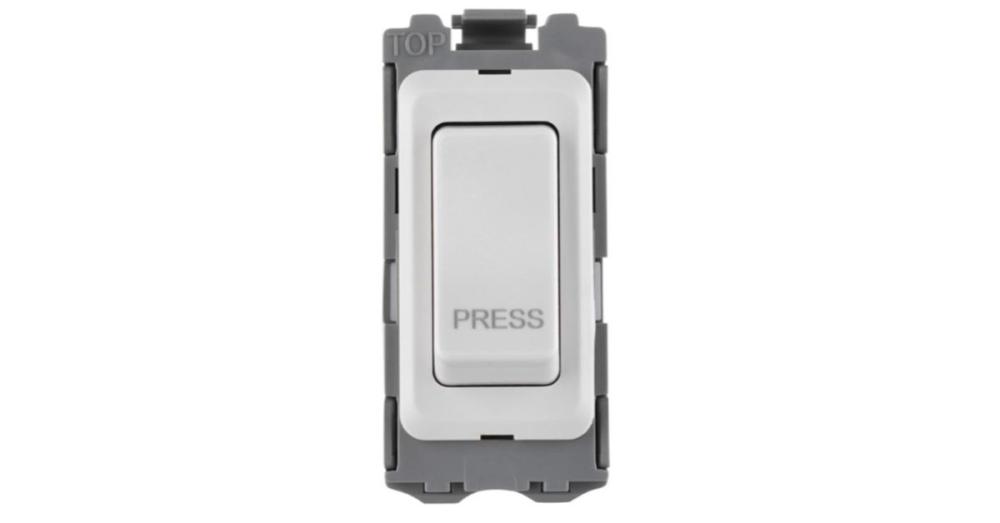
- Best for: Momentary control systems (e.g. advanced lighting, automated kitchen waste disposal units).
- Key features: Very responsive press to make, good quality internal spring (will last), and of course it's a perfect match for the Zahler Curve range.
Key Takeaways
- Grid switch modules provide a practical way to centralise kitchen appliance controls, reduce wall clutter, and improve accessibility for safe isolation and maintenance.
- Choosing the right grid switch plate starts with identifying the appliances, assessing their electrical requirements, and counting the modules needed for the installation.
- 20A double pole switches, fuse holders, flex outlets, fan isolators, and lighting controls serve different purposes and must be selected according to appliance requirements.
- Grid frames, modules, and faceplates must be compatible with one another, while suitable back box depths allow sufficient space for safe wiring connections.
- Kitchen grid installations must follow applicable UK wiring regulations, with correctly rated components, accessible isolation points, and clearly labelled appliance switches.
- Planning spare module positions with blanking modules allows for future kitchen upgrades, while matching faceplate finishes creates a neat and professional appearance.
Ready to Upgrade Your Kitchen Electrical Installations?
Consolidating appliance controls into a customised grid switch module not only elevates the aesthetic of a modern kitchen but secures absolute safety, compliance, and convenience for the end user. Installers deliver a flawless finish by carefully planning apertures, matching loads to 20A switches, and utilising proper labelling.
Quoting your next kitchen renovation or commercial refit requires a wholesale partner that understands the technical demands of the trade. Meteor Electrical provides top-tier architectural wiring accessories, frames, and modules built for maximum durability and effortless installation.
Do not compromise on your site finishes. Explore the full range of custom Grid Modules at Meteor Electrical today to secure your components rapidly across the UK and Ireland.
Explore Kitchen Grid Switch Modules at Meteor Electrical
Browse reliable grid switch modules and accessories for a safe, organised, and professional kitchen electrical installation.
Visit Meteor Electrical Browse grid switch modulesFrequently Asked Questions (FAQs) About Grid Switch Modules
1. Do all grid switch modules fit any brand of grid faceplate?
Modules and faceplates are generally brand-specific due to unique clip-in mechanisms, requiring you to purchase components from the same manufacturer range to guarantee a secure fit.
2. Why do I need a 20A switch instead of a standard 10A switch for kitchen appliances?
Kitchen appliances draw significant power during startup, making a 20A switch mandatory to handle these heavy loads safely without overheating the internal electrical contacts.
3. Can I mix lighting dimmers and appliance switches on the same grid plate?
You can easily consolidate varying functions like LED dimmers and 20A appliance switches onto a single organised wall plate using a modular setup.
4. What depth of back box is required for a fully loaded grid switch plate?
Consolidating a large amount of wiring requires a deeper back box, making a minimum depth of 35mm necessary and 47mm highly preferred for 4-gang plates and above.
5. Is it a legal requirement to label grid switches in a kitchen?
Standard electrical regulations highly recommend labelling isolation switches for fixed appliances, giving users the ability to safely and quickly cut power during a malfunction.