
Information
How to Choose the Right Draw Tape for Electrical Cable Installation
Quick Answer: The ideal draw tape for electrical cable installation depends on your specific conduit run. Lightweight 3mm nylon tapes work perfectly inside short domestic PVC pipes. Highly rigid spiral-wound steel tapes offer the required push strength to navigate long commercial runs containing tight 90-degree bends without snapping.
A neat, professional electrical installation relies heavily on what happens behind the walls and within the containment systems. Pulling cables through tight conduit becomes a frustrating, time-consuming task without the proper equipment — risking severe damage to the conductors. Accurate setting out dictates that sockets line up and trunking runs true. The actual routing phase requires specific hardware to pull conductors safely.
This guide gives electricians and facilities managers actionable buying advice on choosing the right draw tape for electrical cable installations. We cover the differences between nylon and spiral-wound tapes alongside best practices for conduit pulling. You will also discover the essential measurement tools required to complete a clean first-fix installation.
- What is an Electrical Draw Tape and How Does it Work?
- How Do You Choose Between Nylon and Spiral-Wound Draw Tapes?
- What Are the Best Practices for Pulling Cable Through Conduit?
- Why are Accurate Measurement Tools Necessary Before Cable Pulling?
- Key Takeaways
- Which Draw Tapes and Measuring Tools Should You Choose for Your Next Project?
- Conclusion: Ready to Secure the Best Tools for Your Electrical Installations?
- Frequently Asked Questions (FAQs)
What is an Electrical Draw Tape and How Does it Work?
The Core Function of Draw Tapes
A draw tape for electrical cable installation — often called a fish tape — operates as a flexible tool designed to route new wiring through pipes and electrical conduit. Pushing a raw, flimsy wire through a long PVC or metal tube is virtually impossible due to internal friction and structural bends. The tape navigates the route first. You can then attach the heavier cables and pull them back through cleanly.
Using dedicated cable pulling tools protects the vital copper conductors from structural stress.
Sizing Your Draw Tape for the Job
Selecting the correct length remains essential to avoid losing the tool inside a wall cavity. The golden rule dictates always picking a tape that is significantly longer than your longest continuous run between draw-in points. A 10-metre unit usually suffices during standard domestic room-scale work.
Large commercial floor plates often demand 20-metre or 30-metre variations. You never want to run out of slack mid-pull because retrieving a lost end is an absolute nightmare on a busy site.
How Do You Choose Between Nylon and Spiral-Wound Draw Tapes?
Choosing the correct material dictates how smoothly your electrical conduit wiring project will proceed.
| Feature | Nylon Draw Tapes | Spiral-Wound Draw Tapes |
|---|---|---|
| Material Profile | 3mm lightweight nylon | Heavy-duty steel or polymer |
| Best Application | Short runs domestic PVC | Long commercial runs tight bends |
| Flexibility | Extremely high | Moderate alongside rigid push-strength |
| Conductivity | Non-conductive | Conductive |
Nylon Draw Tapes for General Pulling
Standard 3mm nylon draw tapes are highly flexible and incredibly light. Nylon serves as the perfect choice during general cable pulling in standard domestic PVC conduit. Severe bends are minimal in residential setups — meaning friction remains relatively low. These lightweight units easily navigate simple corners without scratching or damaging standard plastic pipes.
Spiral-Wound Tapes for Heavy-Duty Containment
More demanding commercial environments require spiral-wound steel or polymer tapes. These tools feature excellent structural rigidity. A stiff profile allows them to push through long stubborn conduit runs. They navigate sharp 90-degree bends without buckling or snapping under intense pressure. Installers prefer them on industrial sites where standard nylon would simply bend back on itself inside a large empty pipe.
What Are the Best Practices for Pulling Cable Through Conduit?
Executing a professional cable pull requires patience and strict adherence to safety guidelines. Rushing the process usually leads to snapped wires and jammed pipes. Follow these numbered steps to achieve a clean finish:
- Secure the Cables: Attach your wires securely to the metal eyelet of the tape using heavy-duty electrical tape. Wrap it tightly to prevent the bundle from catching on any internal pipe ridges.
- Stagger the Ends: Stagger the stripped ends of the cables to form a smooth tapered point. A tapered head passes easily through conduit bends without snagging. Bulky blunt ends will almost certainly jam on a sharp 90-degree elbow joint.
- Manage Conduit Capacity Limits: Installers must always check the capacity tables in the containment manufacturer specifications or current BS 7671 wiring regulations. Overfilling the conduit traps heat and causes severe insulation damage.
- Use Approved Lubricants: Guide the wire through the conduit carefully. Applying a specialised electrical wire lubricant significantly reduces internal friction. It helps immensely during long continuous pulls where tension naturally builds up.
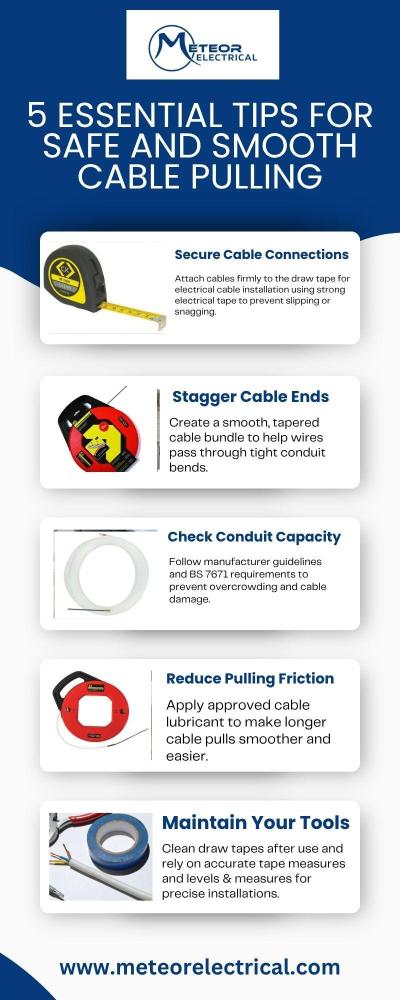
Why are Accurate Measurement Tools Necessary Before Cable Pulling?
Tape Measures for Perfect Proportions
Accurate setting out is required before any trunking is laid or cables are pulled. Marking the wall correctly prevents wonky conduit runs that look terrible to the client. A 5-metre tape measure covers most room-scale work and easily fits inside a pocket or tool belt. Professionals should look for a clear readable blade to prevent cutting errors in low-light conditions.
A solid locking mechanism prevents unexpected recoils on a busy building site. A true-zero hook provides highly accurate inside and outside measurements. Proper tape measures keep your conduit runs perfectly aligned from the very beginning.
Spirit Levels for Flawless Alignment
A pocket level measuring around 200mm long acts as the ideal tool to set accessories and small enclosures perfectly straight. Long runs of trunking or cable tray require a laser line or a longer level alongside it. Tradespeople should check vial accuracy occasionally by reading the level — turning it end-to-end — and reading it again on the exact same surface. Precise levels & measures dictate the final aesthetic quality of the room.
Source - Meteor Electrical
Key Takeaways
- Choose the Right Draw Tape: Select a draw tape for electrical cable installation based on conduit length, bends, and the type of wiring project.
- Nylon vs Spiral-Wound Tapes: Lightweight nylon tapes work best for short domestic PVC conduit runs, while spiral-wound tapes provide extra strength for demanding commercial installations.
- Pick the Correct Length: A 10m draw tape suits many domestic jobs, while longer 20m or 30m tapes are useful for larger installations.
- Follow Safe Cable Pulling Practices: Secure cable ends, avoid overfilling conduit, and use approved lubricants to reduce friction and prevent cable damage.
- Use Accurate Measuring Tools: Reliable tape measures and spirit levels help keep sockets, trunking, and conduit runs correctly positioned and aligned.
- Invest in Quality Electrical Tools: Durable draw tapes, measuring tools, and spirit levels from Meteor Electrical help electricians complete installations efficiently and professionally.
Which Draw Tapes and Measuring Tools Should You Choose for Your Next Project?
A small kit makes a massive difference to a neat install. Sourcing reliable hand tools guarantees durability on site. Here are the top equipment recommendations from Meteor Electrical:
1. Heavy-Duty Spiral Draw Tapes 20m
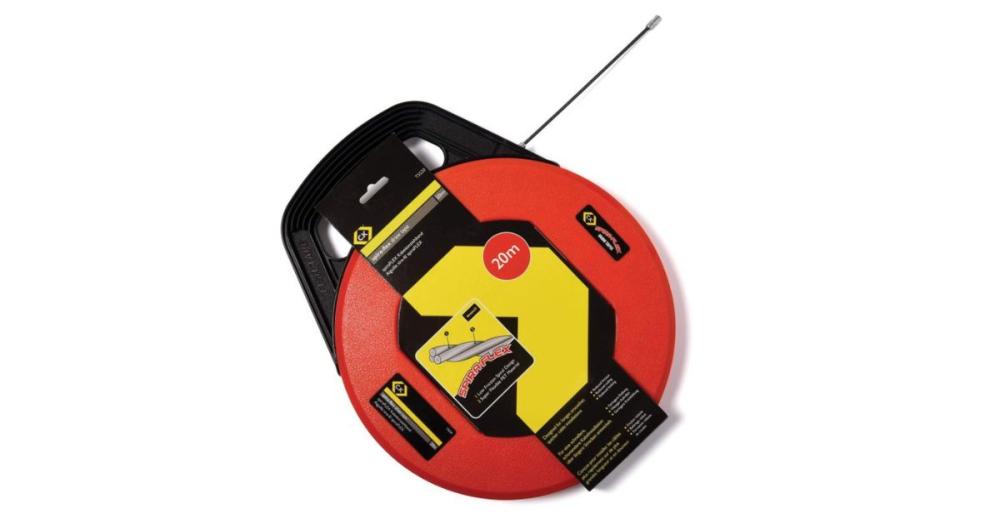
Best Application: Pushing through stubborn conduit and navigating tight bends on commercial sites.
Key Features:
- Spiral-wound construction delivers superior push strength — preventing the tape from kinking under pressure.
- Highly durable materials guarantee longevity across varying architectural runs.
2. 20m x 3mm Nylon Draw Tape
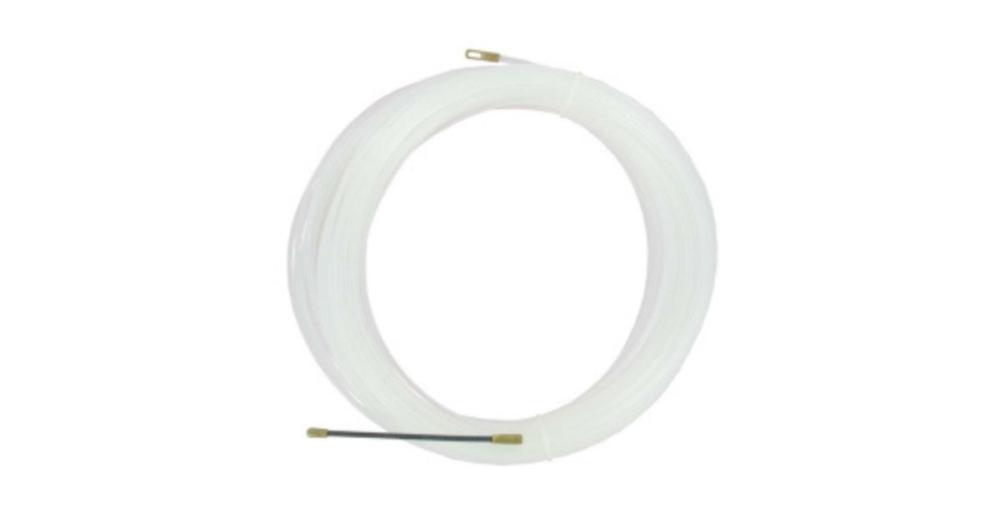
Best Application: General domestic cable pulling and straightforward PVC conduit routes.
Key Features:
- The 3mm thick nylon profile remains exceptionally flexible inside tight spaces.
- It is extremely lightweight and entirely non-conductive — facilitating completely safe interior routing.
3. Trade Standard 5m Tape Measure
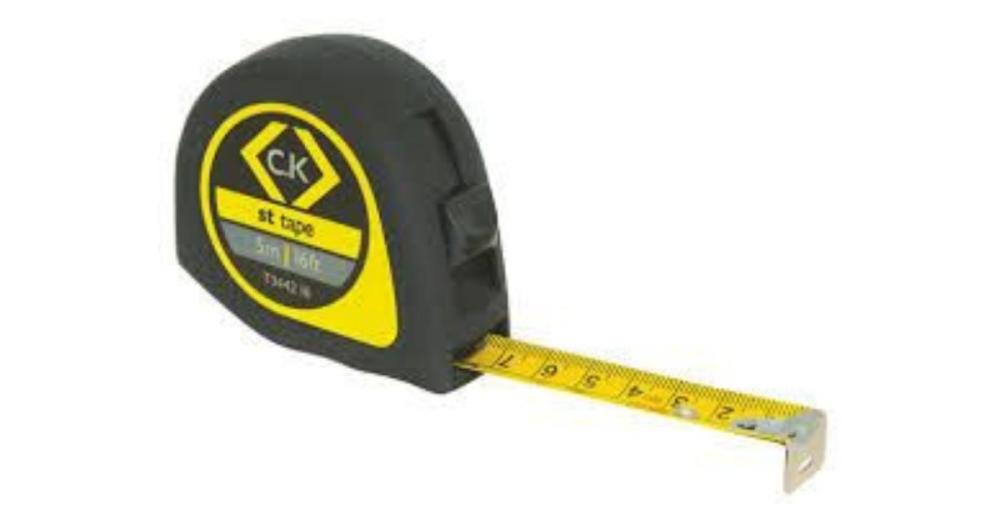
Best Application: Accurate room-scale setting out covering sockets and trunking.
Key Features:
- Boasts a clear, readable blade combined with a solid locking mechanism.
- The soft-grip case helps you maintain a firm hold — even on cold or damp building sites.
4. 210mm Pocket Spirit Level
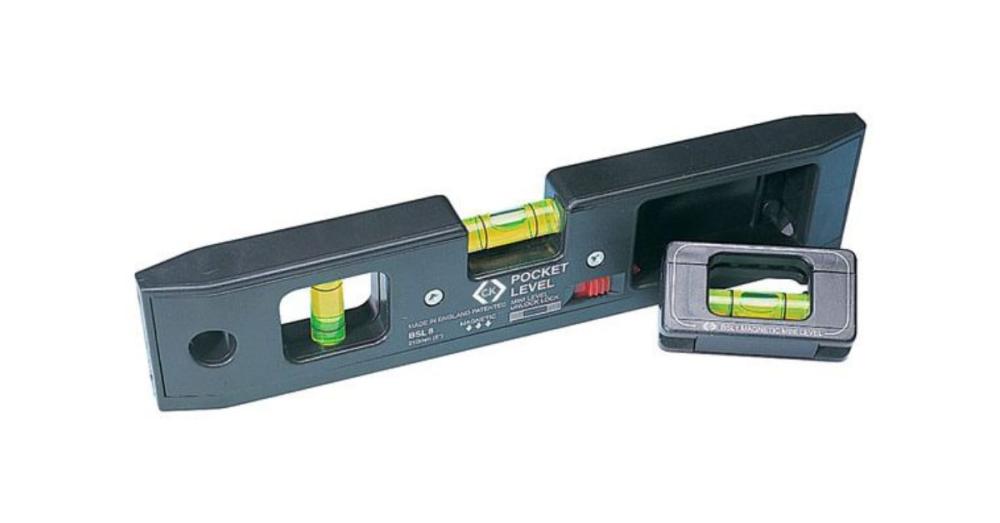
Best Application: Aligning back boxes and socket faceplates in neat, true rows.
Key Features:
- The compact 210mm size fits easily inside a pocket or pouch.
- It includes highly accurate vials and features a durable construction — built specifically to withstand everyday trade abuse.
Conclusion: Ready to Secure the Best Tools for Your Electrical Installations?
Accurate setting out makes trunking run true. High-quality routing tools pull your cables safely without damaging the internal conductors. Choosing the right length and the best material streamlines your entire first-fix process. Obtaining the right draw tape for electrical cable installation keeps your site fully compliant and efficient.
Equip your van with trade-grade tools that deliver brilliant results every single time. Meteor Electrical stocks over 5,000 products — offering competitive trade prices alongside free delivery on qualifying orders.
Shop the full range of Hand Tools, Levels, and Measures at Meteor Electrical today!
Ready to complete your electrical installation with confidence?
Browse Meteor Electrical’s range of draw tapes, measuring tools, spirit levels and essential hand tools for accurate, professional electrical installations.
Visit Meteor Electrical Explore Hand ToolsFrequently Asked Questions (FAQs)
How do I choose the correct length for a draw tape?
Select a unit that is comfortably longer than your maximum continuous conduit run. Such length guarantees you reach the exit point with plenty of slack to attach the cables securely.
What is the difference between a nylon and a spiral-wound draw tape?
Nylon variations are lightweight and flexible to handle simple domestic routes. Spiral-wound designs offer rigid strength to push through tough commercial bends without snapping.
How can I prevent cables from getting stuck in a conduit bend?
Stagger the stripped cable ends to create a smooth taper. Applying an approved electrical pulling lubricant drastically reduces internal friction inside the pipe.
What size spirit level is best for installing standard back boxes?
A compact pocket level measuring around 200mm is perfect. It aligns beautifully with the width of standard single and double socket enclosures.
Why is it a bad idea to overfill electrical conduit during a pull?
Cramming wires tightly traps dangerous heat generated by electrical resistance. Overfilling also causes severe physical friction damage to the insulation jackets during the physical pull.