
How to Choose the Best Interior Lighting for Every Room in Your UK Home
How to Choose the Best Interior Lighting for Every Room in Your UK Home
Good interior lighting is really just three things working together: ambient light for the everyday, task light for the jobs you actually do, and accent light for the bits you want people to notice. Get that mix right, room by room, and a house stops feeling flat and starts feeling like somewhere you actually want to be. Meteor Electrical stocks a decent range of downlights, track lighting and CCT-switchable fittings that make this a lot less fiddly than it sounds. In this guide we'll go through the three lighting layers, how to think about each room, colour temperature, brightness, and a few fittings worth knowing.
Start with the Three Main Types of Interior Lighting
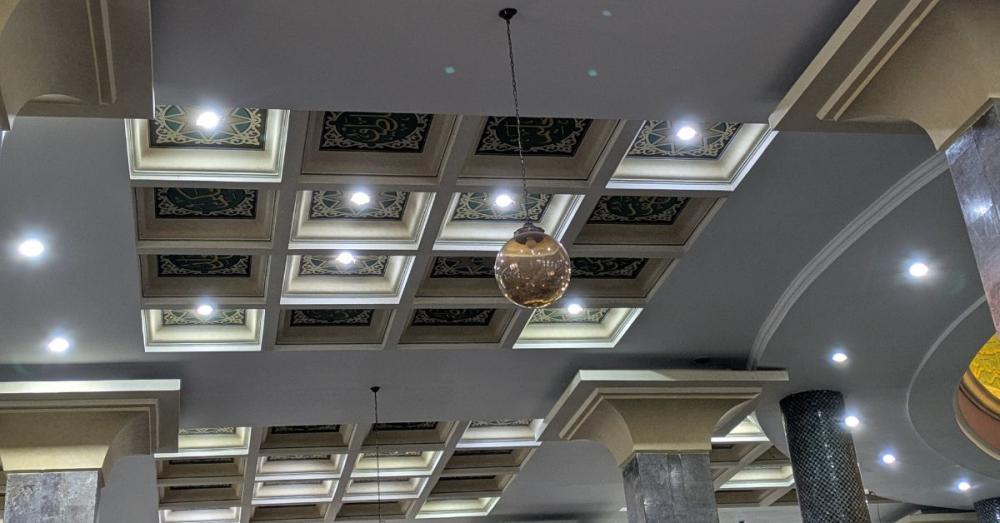
Most rooms that feel "off" are only using one type of light when they need two or three. Once you know what each layer is for, picking fittings gets a lot easier.
Ambient Lighting for Everyday Illumination:
The general light that fills a room, usually from ceiling fittings or downlights, so you can see where you're going.
Task Lighting for Practical Activities:
Focused light for a specific job, like cooking, reading or working at a desk, from things like under-cabinet strips or desk lamps.
Accent Lighting to Highlight Features:
Light aimed at something specific, a painting, an alcove, a bit of brickwork, to give a room some depth.
Choosing the Right Lighting for Every Room
Not every room needs the same treatment, because not every room does the same job. Here's a rough starting point for each one.
Living Room:
Mix ceiling downlights with lamps and a few accent spots so it works for both a film night and a get-together.
Kitchen:
Bright, even light overhead, plus task lighting under the wall units so you're not chopping veg in your own shadow.
Dining Room:
A pendant over the table with dimmable ambient light around it, so it suits both a quick lunch and a proper dinner.
Bedroom:
Soft ambient light with a bedside lamp for reading, nothing too harsh right before bed.
Bathroom:
IP-rated fittings are non-negotiable here, with clear light near the mirror and something gentler for general use.
Hallways and Staircases:
Even, consistent light for safety, and a motion sensor is genuinely useful once it gets dark.
Home Office:
Bright task lighting positioned so it doesn't bounce off your screen while you're trying to work.
How to Choose the Right Colour Temperature
Colour temperature is measured in Kelvin, and it changes how a room feels far more than people expect.
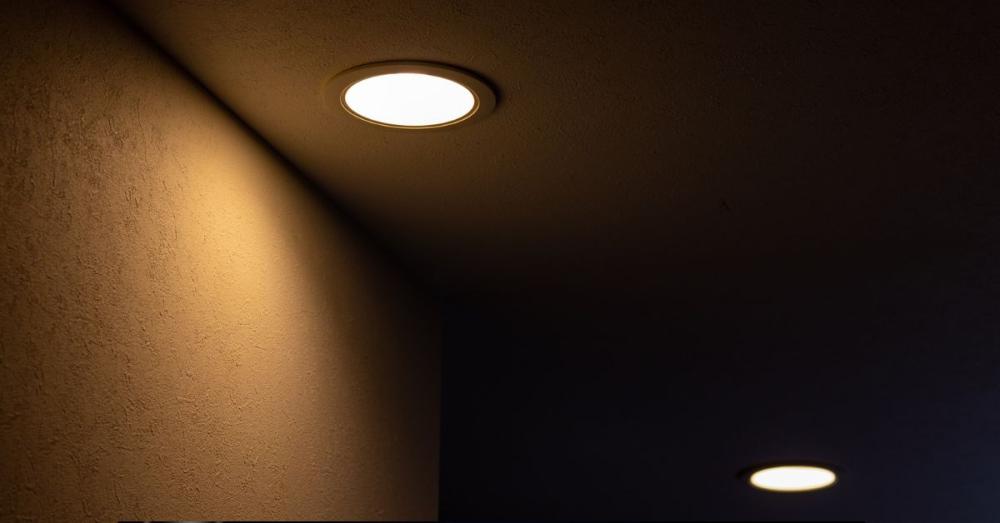
- Warm White (2700K–3000K) - That soft, amber glow, good for living rooms, bedrooms and dining spaces where you want things to feel relaxed.
- Neutral White (4000K): A balanced, natural light that suits kitchens, hallways and offices, clear without being clinical.
- Cool White/Daylight (5000K–6500K) - Crisp and bright, best kept for utility rooms, garages or workspaces where sharp visibility matters more than mood.
- Why CCT-switchable lighting offers greater flexibility - A CCT-switchable downlight lets you flick between warm, neutral and cool on the same fitting, so it can change as the room's use changes, no rewiring required.
Source - Lisa Holt Design
Picking the Right Brightness for Each Room
Brightness comes down to lumens, not watts, and matching it to the room stops a space feeling either gloomy or like an interrogation room.
1. Kosnic Alcor Track Downlight 15W 38° Black CCT switchable:
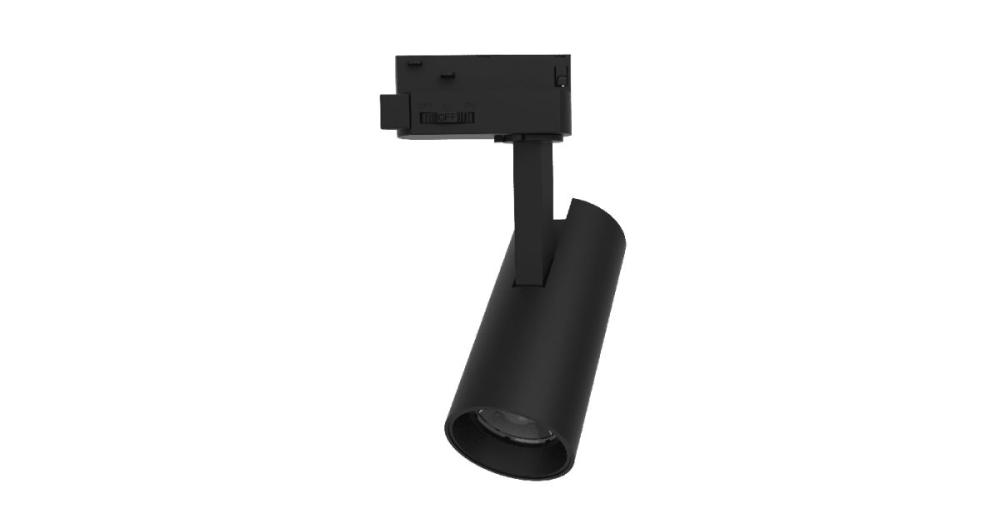
This one sits on a single-circuit track, finished in black with a fairly wide 38-degree beam. Because the colour temperature is switchable, you're not locked into one setting once it's fitted. It works nicely along a track run in an open-plan living space or above a retail display where the light might need repositioning down the line.
2. Kosnic Alcor 3 Circuit Track Downlight 15W 38° White CCT switchable:
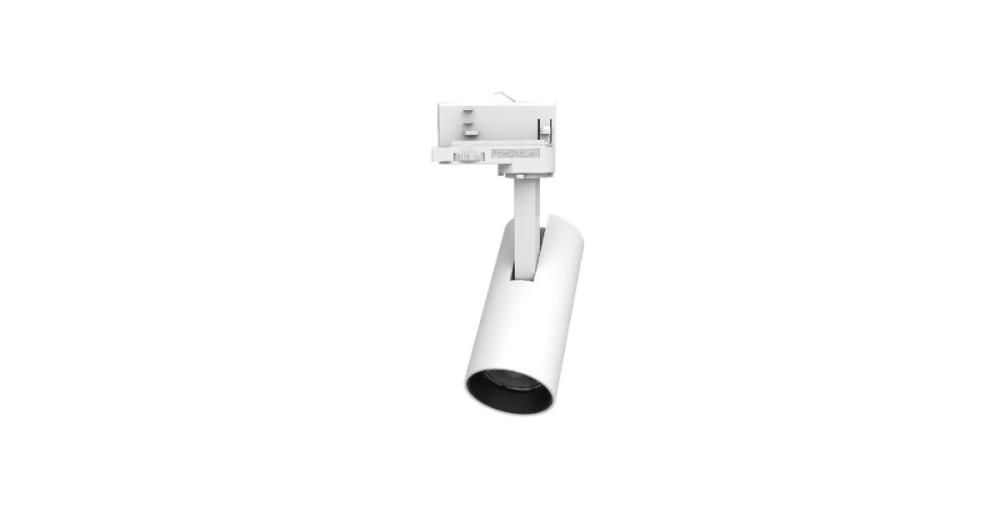
Built specifically for three-circuit track systems, which means you can run several of these on the same track but still control groups of them separately. That's genuinely useful in a kitchen or a home office, where one end of the room might need brighter light than the other at the same time.
3. Kosnic Avalon Circular Housing Adjustable, Cut-out 75mm Chrome:
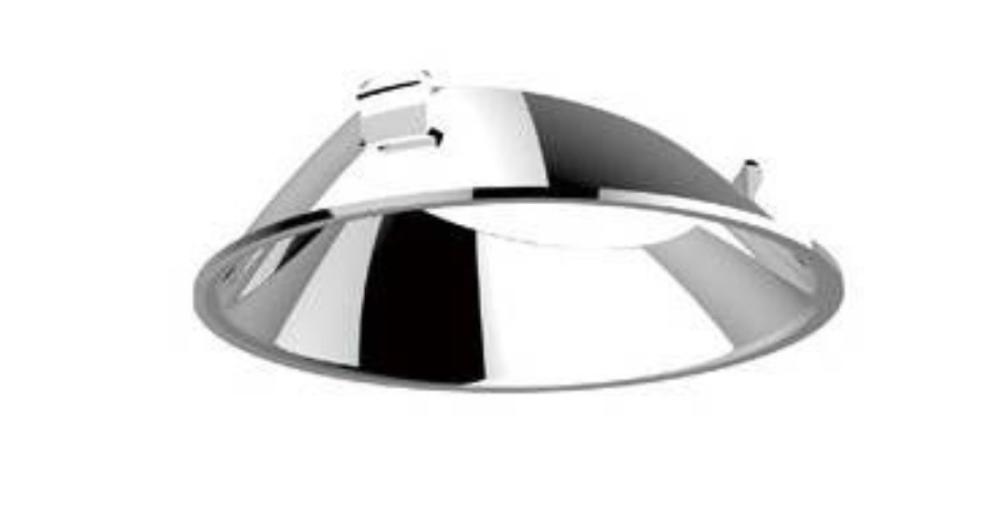
A smaller, adjustable housing with a 75mm cut-out and a chrome finish that catches the light nicely. Since it tilts, you can angle it towards a mirror or a doorway rather than pointing it straight down. Suits hallways and bathrooms where you want something tidy but not entirely fixed in place.
4. Kosnic Avalon Square Housing Adjustable, Cut-out 75 x 75mm Brass:
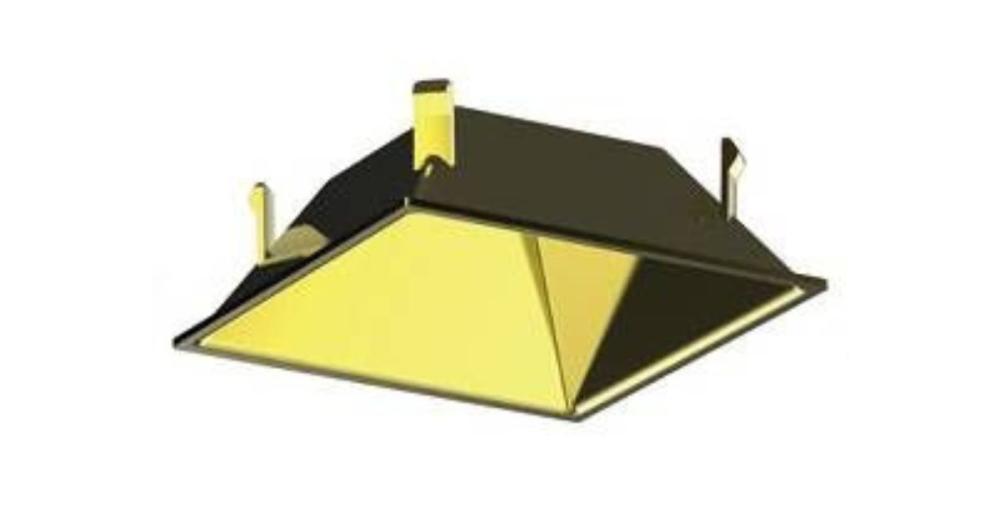
Square rather than circular, which instantly gives it a slightly different look on the ceiling, and the brass finish adds some warmth to the metalwork. It's an adjustable fitting with a 75 x 75mm cut-out, and it tends to suit modern kitchens or dining areas going for something a bit more geometric than the usual round downlight.
5. Kosnic Avalon Circular Housing Adjustable, Cut-out 110mm Black:
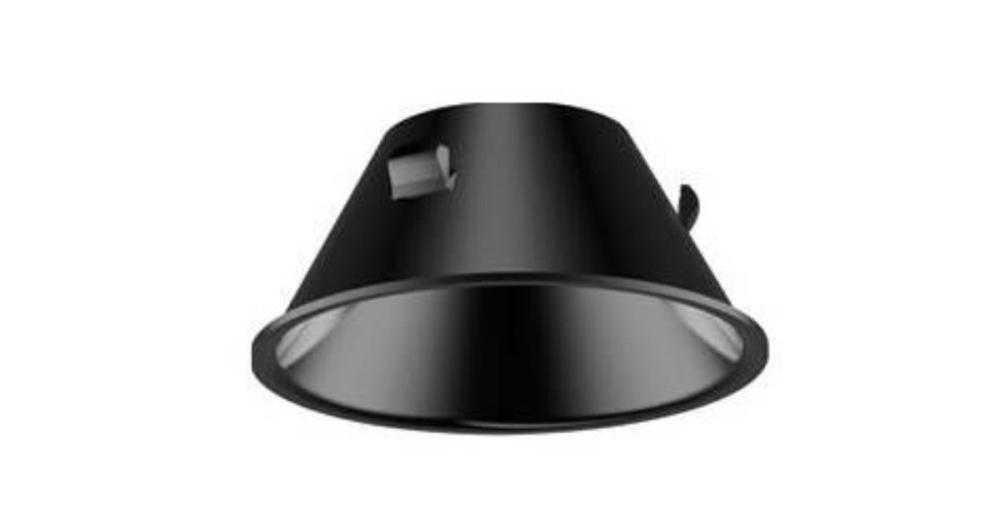
The largest of this group, with a 110mm cut-out and a black diecast aluminium housing that has real presence rather than disappearing into the ceiling. It's adjustable, so the beam can be tilted where needed, and it tends to work best in living rooms or offices with dark ceilings aiming for a minimalist, architectural feel.
6. Kosnic Avalon Circular Housing, Fixed Cut-out 75mm White:
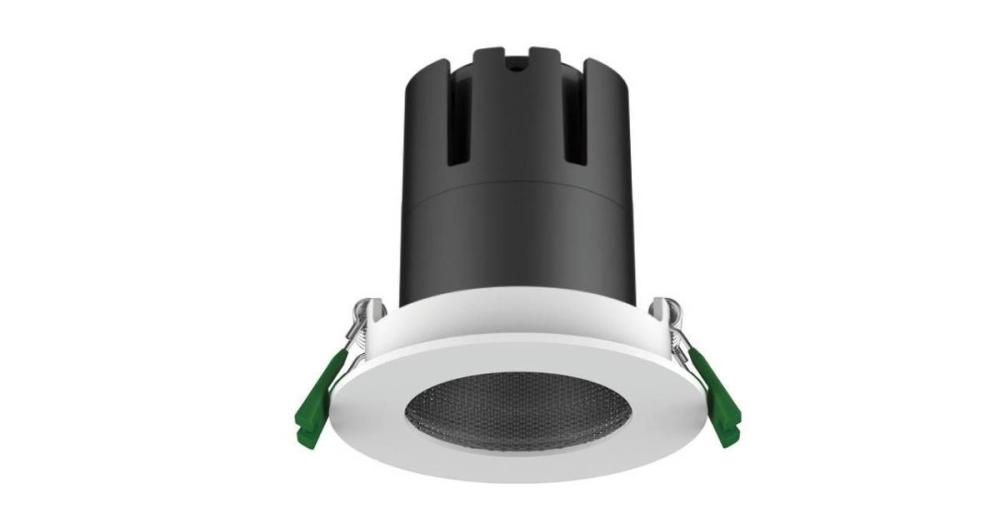
Unlike the others here, this one is fixed rather than adjustable, so there's no tilting the beam once it's in. That's not a downside though, since a fixed white housing is exactly what you want for simple, even ambient light in a bedroom or hallway where nothing needs to be angled or highlighted.
7. Kosnic Avalon Circular Housing Adjustable, Cut-out 90mm White:
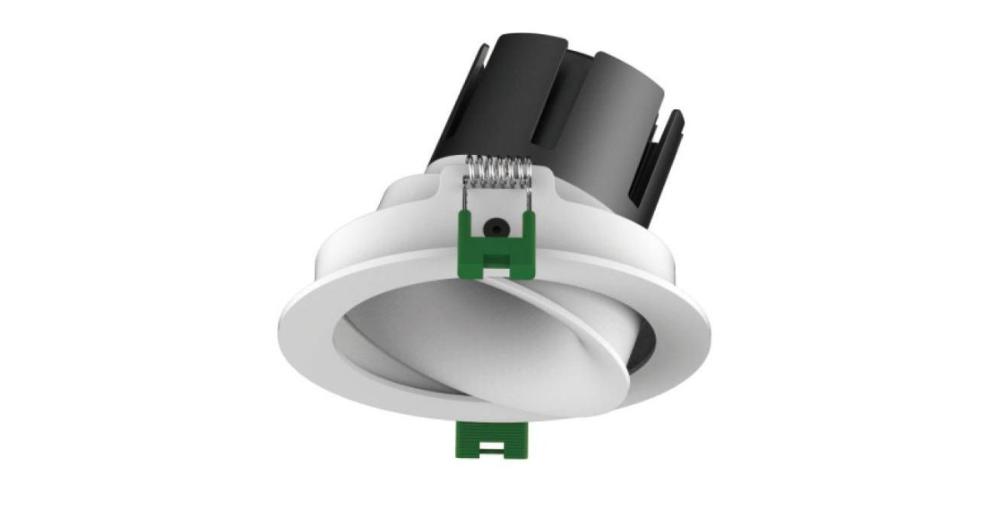
Sitting between the 75mm and 110mm options, this 90mm white housing is a reasonable middle ground for most living rooms. It's adjustable, so beyond general ambient coverage, it can also be angled towards a feature wall or a piece of artwork if you want a bit of accent lighting from the same fitting.
When to Use Spotlights, Downlights and Track Lighting
It mostly comes down to how much flexibility you actually need versus how much you're willing to fuss over later.
- Downlights are your go-to for low-profile ambient light.
- Spotlights are better for directional accent or task light.
- Track lighting suits rooms that need repositioned light.
- Adjustable housings let you angle light without new fittings.
- Fixed housings are fine for simple, consistent ambient light.
- CCT-switchable fittings add flexibility with no extra wiring.
- Larger rooms usually benefit from mixing a few of these.
Energy Efficiency Tips When Choosing Interior Lighting
None of this is complicated; it's mostly just a handful of decisions that quietly save money over the year.
- Pick LED fittings over halogen every time.
- Compare lumens per watt, not just wattage.
- Put motion sensors in hallways and utility spaces.
- Group circuits so empty rooms aren't lit for nothing.
- Go for long-rated LEDs to avoid constant replacing.
Common Interior Lighting Mistakes to Avoid
A few of these come up again and again, and they're easy enough to sidestep once you know to look for them.
- Relying on one central ceiling light and nothing else.
- Ignoring colour temperature when picking fittings.
- Skipping IP ratings in bathrooms and kitchens.
- Guessing brightness instead of measuring the room.
- Mixing warm and cool tones in one open space.
- Forgetting to check dimming compatibility with LEDs.
Wrapping up
It comes down to layering ambient, task and accent light, picking a colour temperature that suits what the room's actually for, and choosing brightness that matches its size. Get those three right and most UK homes end up feeling warmer and more liveable without much extra effort.
If you're ready to start putting a scheme together, Meteor Electrical's range of downlights, track lighting and CCT-switchable fittings is a solid, trade-trusted place to begin. Check out our website for more information. Also, you get a one year warranty on all products you purchase!
FAQ Section
Q1. What colour temperature suits a living room?
Warm White, around 2700K to 3000K, works best. It keeps the room relaxed and comfortable for evenings and everyday use.
Q2. Do bathrooms need special lighting?
Yes, IP-rated fittings are essential because of the moisture, and you'll want brighter, clearer light near the mirror specifically.
Q3. Is CCT-switchable lighting worth choosing?
Generally, yes. One fitting covers warm, neutral and cool light, so you're not buying separate products for different moods.
Q4. How many lumens does a kitchen need?
More than most rooms. Food prep needs bright, even light, both overhead and directly over the worktops.