
Future-Proof Your Home with the Best Electrical Cables
Future-Proof Your Home with the Best Electrical Cables
Modern homes now rely on smart devices, EV chargers, advanced lighting, home offices and high-powered appliances, all placing extra demand on your electrical system. Outdated or substandard wiring struggles to cope with these loads, which can lead to inefficiencies, safety hazards and costly failures.
Choosing the best electrical cable for home wiring is one of the simplest ways to protect your property, keep energy use under control and ensure your home is ready for future upgrades. With the right cable types, insulation and installation, your electrical system can remain safe, efficient and reliable for many years.
How to Choose the Best Electrical Cable for Home Wiring
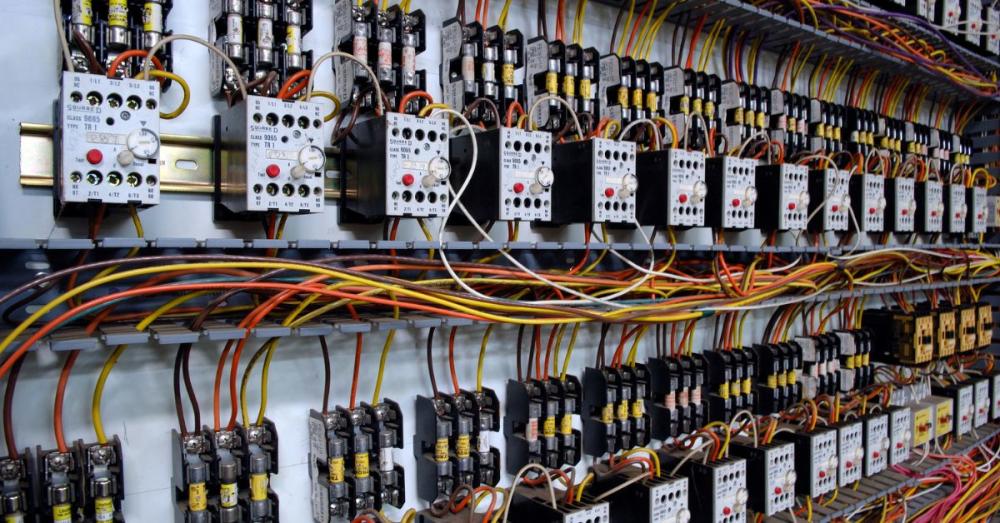
When planning or upgrading house wiring, focus first on the fundamentals: voltage rating, ampacity and installation environment. These three factors help you identify which electrical cable sizes and types are suitable for each circuit in your home.
Check the voltage rating
The voltage rating shows the maximum voltage a cable can safely carry without overheating or breaking down. Always choose cables with a voltage rating that matches or exceeds your system requirements. This helps prevent premature failure and reduces the risk of damage to connected equipment.
Understand ampacity and load capacity
Ampacity is the maximum current a cable can safely transport. If a cable is too small for the electrical load, it may overheat, increasing fire risk and shortening the cable’s lifespan. Matching cable ampacity to each circuit’s expected load is essential, particularly for high-demand appliances and dedicated circuits.
Consider where the cable will be installed
Different areas of a property call for different cable types. Indoor runs may need protection from moisture or mechanical damage, while outdoor or exposed routes must cope with UV, weather and possible impact. Choosing the right house wiring cable for the location helps keep performance and safety consistent over time.
Understanding Cable Insulation and Outer Jacket Materials
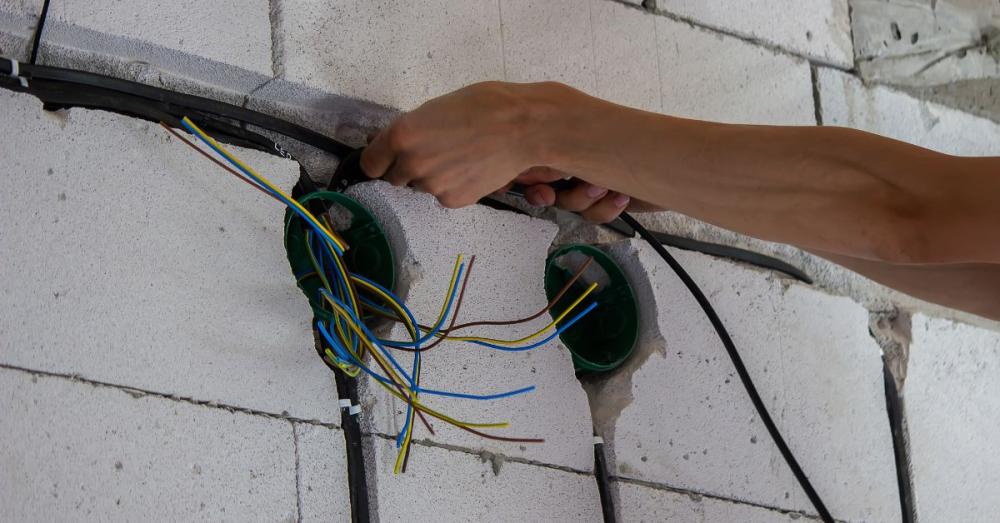
Cable insulation and outer jacket materials have a direct impact on longevity, safety and overall performance. Knowing the basics makes it easier to select the best electrical cable for home wiring in each part of your property.
PVC vs XLPE: Which Insulation is Better?
PVC (polyvinyl chloride) is a common and cost-effective insulation material used in many domestic cables. It offers good flexibility and is suitable for a wide range of general-purpose wiring tasks. XLPE (cross-linked polyethylene), by contrast, provides superior heat and electrical resistance and is better suited to demanding applications or environments where higher temperatures are expected.
In simple terms, PVC is ideal for everyday circuits, while XLPE is a smart choice where extra durability and heat resistance are required.
How Jacket Materials Protect Your Wiring
The outer jacket protects the cable from environmental factors and physical damage. For outdoor wiring, UV-resistant jackets help prevent cracking and degradation in sunlight. In areas where fire safety is a priority, flame-retardant jackets add an extra layer of protection, helping cables resist ignition and slow down the spread of fire.
By pairing suitable insulation types with the right protective jackets, you can significantly increase the lifespan and reliability of your wiring.
How to Install Electrical Cables Safely and Correctly
Even the best cable can underperform or become dangerous if installed incorrectly. Good planning, careful routing and thorough testing are key parts of any safe installation, whether you are a professional electrician or commissioning work for your property.
Plan the Installation Properly
Begin by assessing your wiring needs for each room or area. Identify the expected loads, decide which cable type and size each circuit requires, and map out cable routes to avoid unnecessary strain or exposure. Assemble the right tools in advance, including cable cutters, strippers, fixings and appropriate connectors.
Common Wiring Mistakes to Avoid
Several common pitfalls can severely reduce the safety and performance of your electrical system:
- Using cables that are too small for the electrical load.
- Running cables where they are exposed to excessive heat or physical damage.
- Making incorrect or loose connections, which can lead to faults or short circuits.
- Ignoring local electrical codes and regulations.
Ensuring cables are properly supported, adequately protected and correctly terminated helps maintain both safety and compliance.
Source - The Excellent Laborer
When to Maintain or Upgrade Your Home Electrical System
Regular maintenance and timely upgrades are essential if you want your electrical system to remain safe, efficient and ready for modern demands. This is particularly important in older homes or properties that have undergone multiple extensions or DIY modifications.
Signs Your Wiring May Need Upgrading
Common warning signs that your cables or system might need attention include:
- Frequent tripped circuits or blown fuses.
- Flickering or dimming lights.
- Warm or discoloured socket outlets or switches.
- Evidence of outdated wiring methods and accessories.
If you notice these symptoms, it is wise to arrange a professional inspection to assess whether your wiring and cables meet current standards.
Why Regular Electrical Checks Matter
Periodic assessments by a qualified electrician help identify wear, damage and emerging risks before they become serious problems. Checking cable insulation, joints and terminations, and ensuring that all connections are secure and corrosion-free, can extend the life of your system and improve reliability.
Did You Know - Many common electrical issues in homes are caused not by appliances, but by ageing or undersized cables that were never designed for today’s loads?
A well-planned upgrade to modern house wiring cable can often solve recurring problems and support new technology at the same time.
Why High-Quality Cables Make a Long-Term Difference
Quality should be a priority when selecting the best electrical cable for home wiring. High-quality cables are designed and tested to meet strict industry standards, which helps ensure better safety, more consistent performance and greater long-term reliability.
Premium cables typically offer:
- Better resistance to heat, mechanical stress and environmental factors.
- More stable electrical characteristics over time.
- Lower risk of failure, reducing repair and downtime costs.
Investing in quality electrical cable upfront can be more cost-effective than repeatedly replacing inferior products that cannot cope with modern wiring needs.
Electrical Cable Buy Online at Meteor Electrical
At Meteor Electrical, our product lineup incorporates all the needs of a modern home electrical system. Some of our most reliable products include:
1. 6242Y 1.5mm Twin & Earth, Blue/brown Cable (100mt coil):
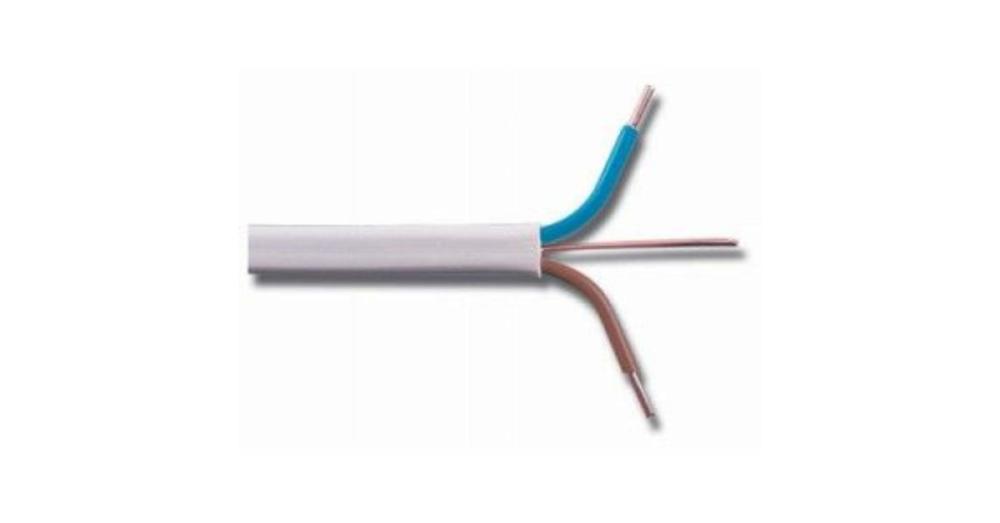
The grey PVC outer sheath of the 6242Y BASEC approved standard house-wiring cable makes it perfect for lighting circuits and house wiring. The cable size is 1. 5 mm. The conductor is composed of two solid plain copper cores and the insulation is PVC. It is rated for 300/500 volts at voltage and 18 amps at maximum current. The temperature rating ranges from 0°C to +70°C.
2. Single PVC/PVC 1.5mm Brown & Earth Cable (100m coil):
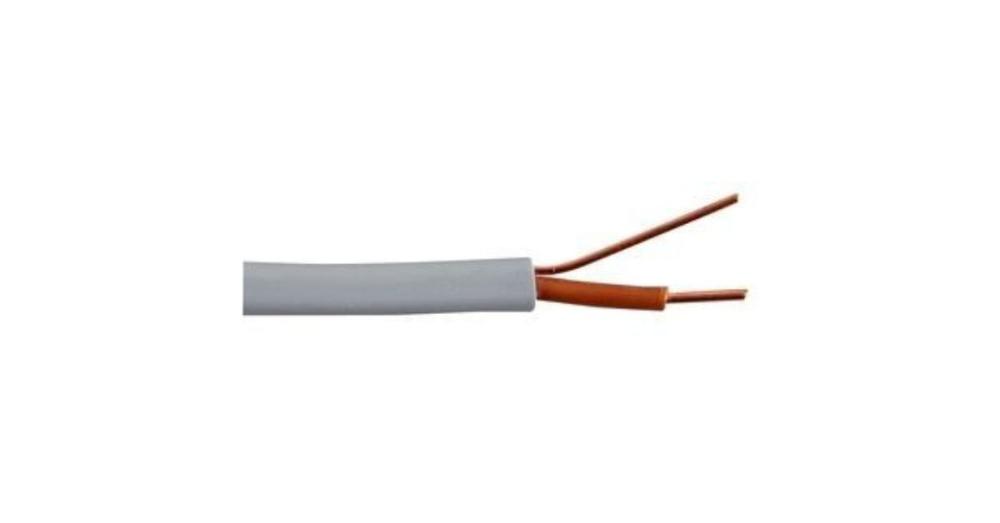
The PVC-sheathed brown and earth cable is intended for general-purpose wiring where an earth continuity conductor is required. Its core colors are bare earth and brown, and its cable size is 1.5 mm. The conductor is made of plain annealed copper, and the insulation is grey PVC. Thanks to its voltage rating of 300/500 volts, the cable functions well in a temperature range of 0°C to +70°C.
3. 1.5mm 6491B Single Core Black Cable (100m coils):
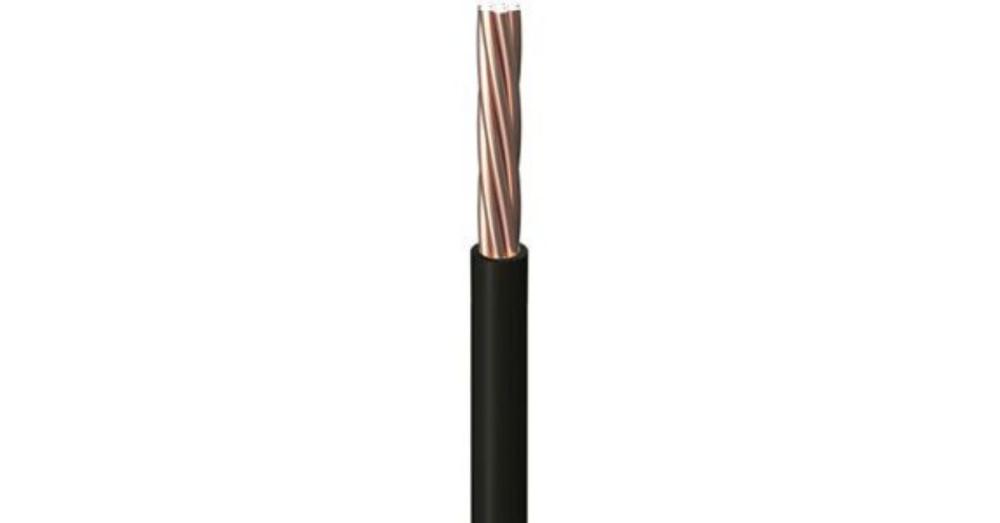
This cable is suitable for use in conduit and for fixed, protected installations, particularly in environments where fire, smoke emission, and toxic fumes pose a potential threat. It has a cable size of 1.5mm and meets standards BS7211 and BASEC approval. With a voltage rating of 450/750V, the cable operates effectively within a temperature range of 0°C to +90°C.
Check out our complete range of electrical lighting and cable solutions by visiting our online store today!
Key Takeaways
- The best electrical cable for home wiring depends on voltage rating, ampacity and where the cable will be installed.
- PVC insulation suits many general domestic applications, while XLPE is ideal for more demanding or higher-temperature environments.
- Correct cable installation, routing and testing are vital for safety, performance and legal compliance.
- Warning signs such as frequent trips, flickering lights and warm sockets often suggest that cables or wiring methods need upgrading.
- Investing in high-quality cables supports better long-term reliability, fewer failures and greater peace of mind.
- Buying from a trusted wholesale electrical supplier helps ensure you receive compliant, well-tested products backed by knowledgeable support.
Future-Ready Wiring Starts with the Right Supplier
The right electrical cables shape the safety, efficiency and lifespan of your home’s wiring system. By paying attention to voltage rating, ampacity, insulation, jacket materials and installation practices, you can future-proof your property against growing electrical demands.
Meteor Electrical is a leading wholesale electrical supplier for UK and European markets, supporting electrical contractors and facilities managers with a wide range of compliant, high-quality cables and accessories.
If you are planning upgrades or new installations, visit Meteor Electrical today to find the products and support you need, and give your home wiring the reliable foundation it deserves.
Frequently Asked Questions
What is the best electrical cable for home wiring?
There is no single cable that suits every circuit, but the best electrical cable for home wiring is one that has the correct voltage rating, ampacity and insulation for the specific load and environment.
How do I choose the right cable size?
Choose cable size based on the maximum current expected on the circuit and the installation conditions. Undersized cable can overheat, while oversizing unnecessarily increases cost, so it is best to follow recognised guidelines or consult a qualified electrician.
Is twin and earth cable suitable for most domestic circuits?
Twin and earth cable is widely used for many domestic lighting and socket circuits in the UK. However, suitability depends on correct sizing, protective devices and compliance with current regulations.
What is the difference between PVC and XLPE insulation?
PVC is flexible and economical, making it ideal for everyday wiring. XLPE offers improved heat and electrical resistance, making it more appropriate for demanding applications or environments where higher temperatures are expected.
How often should I check my home wiring?
There is no single rule for every property, but periodic inspections, especially in older homes or those with frequent electrical issues, help identify wear and potential hazards before they become serious.
Can I use the same cable indoors and outdoors?
Not always. Outdoor installations typically require weather-resistant, UV-protected and mechanically robust cables. Indoor runs may have different requirements depending on exposure to moisture or heat.
Why should I buy electrical cable from a specialist supplier?
Specialist wholesale electrical suppliers provide compliant products, clear specifications and trade-focused support. This helps ensure you receive the right cable types and sizes for your project, backed by reliable logistics and availability.