
Fire Alarm Systems and Detectors for UK Properties: What You Need to Know
Fire Alarm Systems and Detectors for UK Properties: What You Need to Know
Every UK property needs working smoke, heat and CO alarms, fitted in the right spots and tested regularly, to stay safe and compliant. Getting the combination wrong is more common than you'd think, and it's usually down to not knowing which fire alarm system or detector goes where. That's where a proper supplier helps - Meteor Electrical stocks Apollo, C-TEC, and Kidde gear, so you're not guessing.
In this blog post, we will walk through how these systems actually work, which detector suits which room, some specific products worth knowing about, power options, and what compliance actually looks like day to day.
How These Systems Actually Work
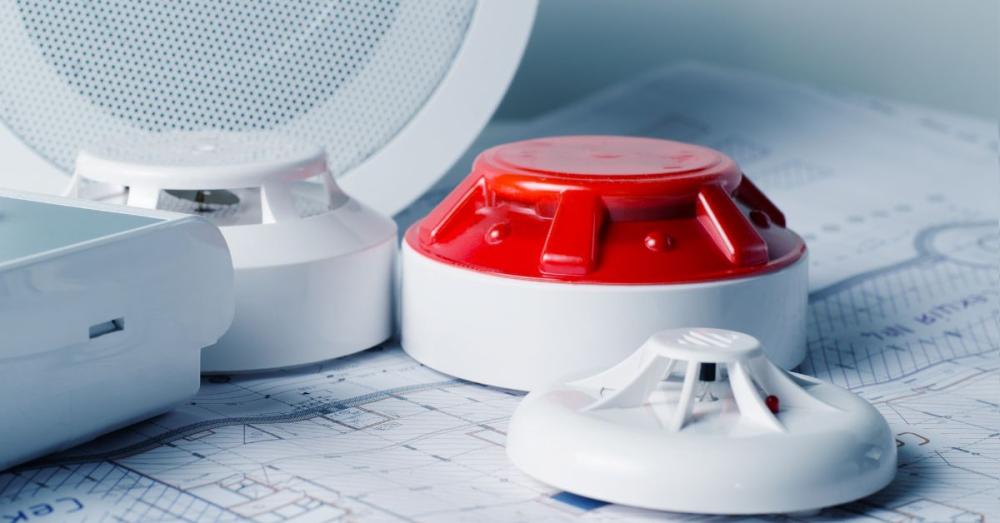
A fire alarm isn't one clever box on your ceiling. It's a whole network of components working in harmony. Detectors pick up smoke or a sudden jump in heat, call points let someone trigger the alarm by hand if they spot trouble first, and sounders (plus visual alarm devices for anyone who can't hear them) make sure everyone actually notices and gets out.
Conventional systems split a building into zones and wire detectors into each one. Two-wire systems do something a bit cleverer - power and signal run down the same cable pair, which cuts down on installation faff considerably.
What trips people up is thinking of each detector as its own little unit. It's not. Trigger one, and depending on how it's set up, the rest of the circuit knows about it too. That's exactly why you can't just chuck any old part into the mix - a cheap or mismatched component genuinely does weaken the whole system, not just its own corner of it.
Why the Detector You Pick Actually Matters
A kitchen isn't a bedroom, and neither of those is a boiler room. Sounds obvious when you say it out loud, but so many installs still treat every space the same way, then wonder why the alarm keeps going off at 7 am because someone made toast.
- Kitchens need heat detectors, not smoke ones - steam and cooking fumes will set a smoke detector off constantly, and eventually people just start ignoring it (which defeats the whole point).
- Bedrooms and living areas do well with optical smoke detectors - they catch a smouldering fire early, before it really gets going, without nuisance-tripping every five minutes.
- Anywhere near a boiler or gas appliance genuinely needs a carbon monoxide alarm fitted. CO has no smell and no colour, so this isn't optional if you ask me.
- Hallways and escape routes should always have smoke detection, full stop - it's the path people actually use to get out.
- Blocks of flats and shared commercial spaces usually need interlinked or addressable systems, so an alarm in one flat or unit is heard everywhere it needs to be.
Source - How-Does-It
A Closer Look at Some of Meteor Electrical's Detectors
Meteor Electrical carries a decent spread of smoke, heat, and CO detectors from names installers actually trust, rather than pushing one single option on everyone. Here's a rundown of a few worth knowing.
1. Alarm Sense Heat Detector
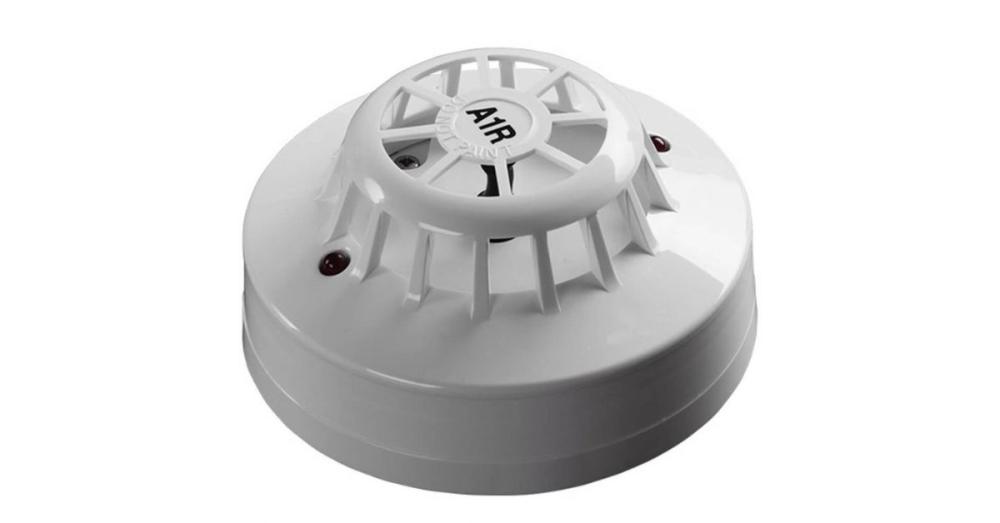
This one's from Apollo, and it's built for spaces where smoke detectors just cause headaches- think kitchens or plant rooms. It reacts to how fast the temperature climbs, so steam and cooking smells won't set it off unnecessarily.
2. Apollo Series 65 Optical Smoke Detector
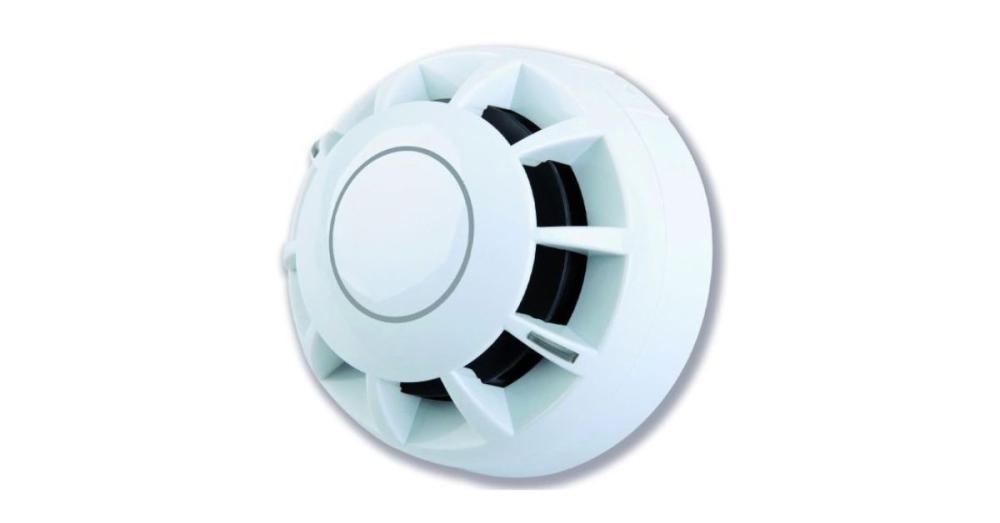
A solid, long-standing option for conventional fire systems. It works by picking up light scattering off smoke particles, catching problems early enough that people actually have time to react.
3. Alarm Sense Optical Smoke Detector
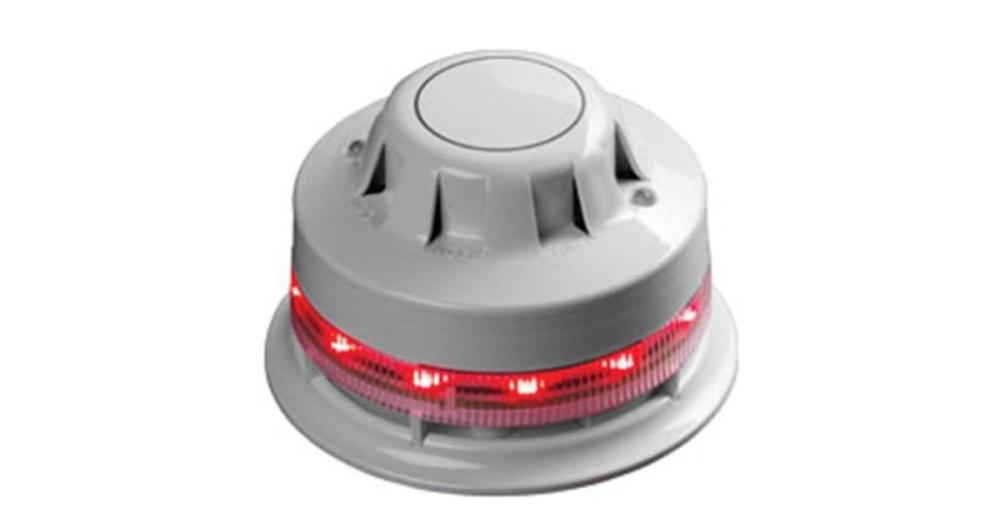
Sits within Apollo's two-wire Alarm Sense range, meaning less cabling headache during fitting. Still gives you dependable optical smoke sensing, which makes it handy for smaller jobs or retrofit work.
4. Kidde Mains Powered Carbon Monoxide Alarm
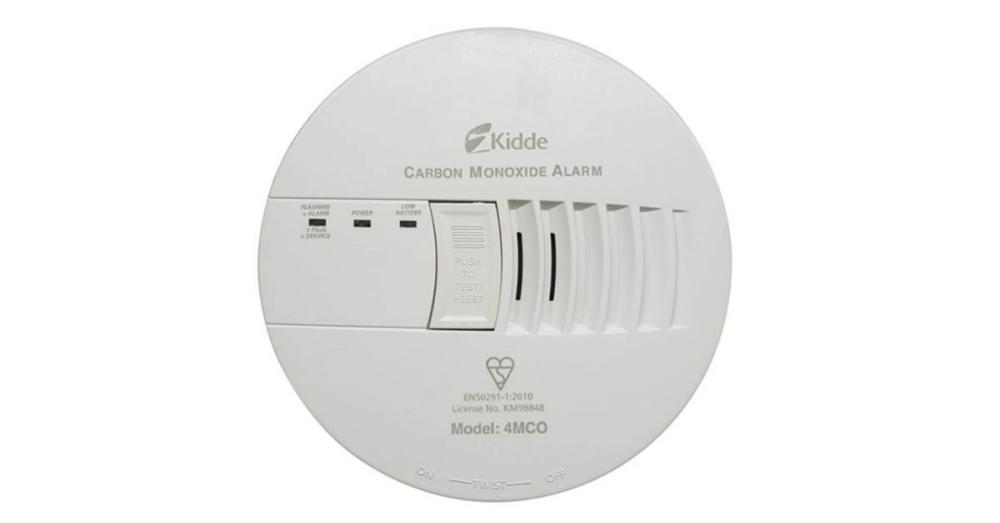
Runs off the mains rather than relying purely on batteries, and it's built specifically to catch dangerous CO build-up near boilers or open fires. One less thing to remember to replace.
5. Alarm Sense Manual Call Point
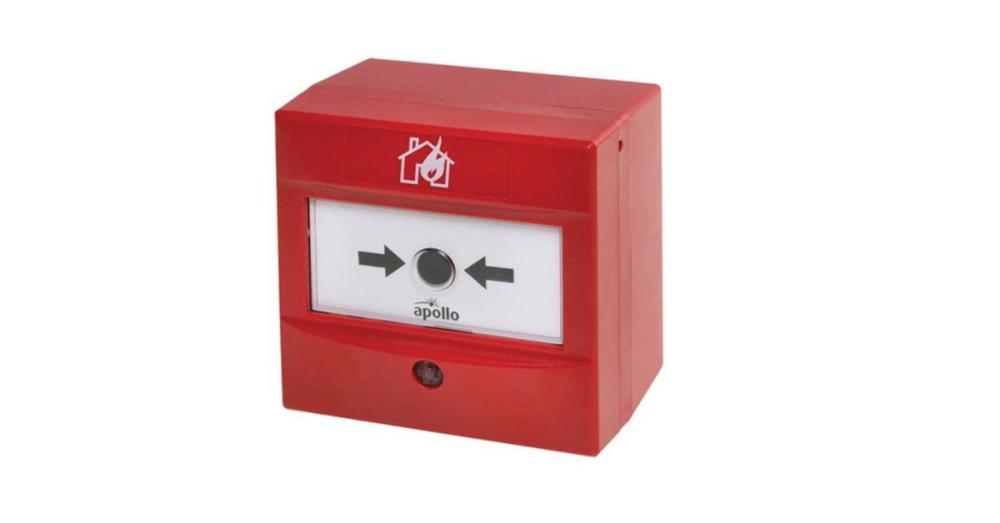
A C-TEC call point that lets someone raise the alarm manually the second they spot a problem. Usually fitted by exits and stairwells, where people naturally head anyway.
6. ActiV Conventional Hi-Output Wall VAD with Sounder
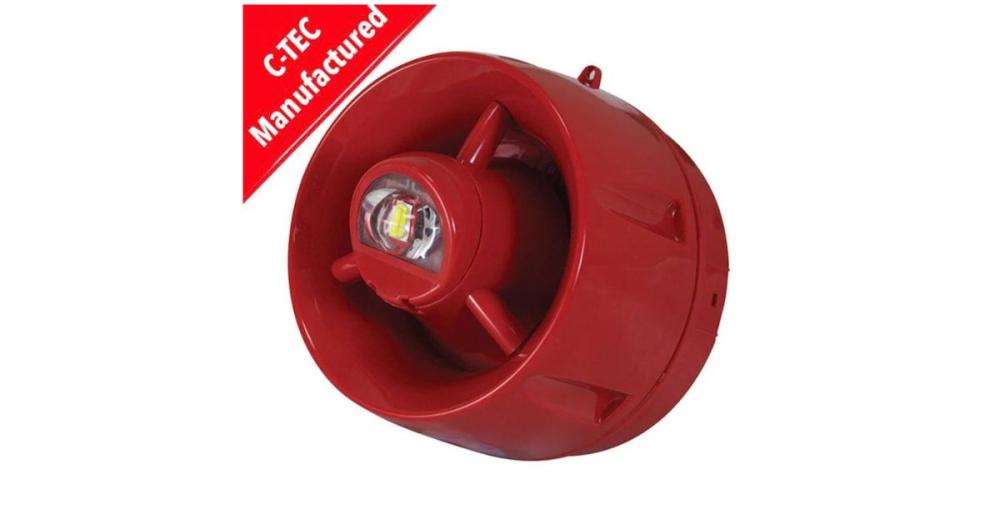
Also from C-TEC, this pairs a visual alarm with a 100dB(A) sounder, so both hearing and sight are covered during an evacuation. More buildings are expected to have this kind of accessible warning now, not just the odd one.
Power Source and Fitting - What Actually Suits You
Power source is one of those things nobody thinks about until an alarm dies at exactly the wrong moment. Meteor Electrical's range covers battery-powered, mains-powered, and mains with battery backup, and honestly the "right" one depends entirely on the building.
- Battery-powered units work well for smaller properties or single rooms - many now use long-life lithium cells that last around a decade, so it's genuinely low maintenance.
- Mains-powered alarms pull straight from the property's electrics, so there's no battery to remember at all.
- Mains with battery backup gives you both- if a power cut hits, the alarm keeps going anyway. This tends to be what landlords and commercial sites go for, and it's easy to see why.
- Two-wire conventional setups mean less cabling on-site, which can genuinely save time and cost on a retrofit.
- Interlinked detectors mean one unit sensing trouble sets the lot off - really useful in bigger homes or anything with more than one floor.
Key Takeaways
- Fire alarm systems use detectors, call points and sounders to provide early warning during emergencies.
- Smoke, heat and CO detectors suit different rooms and environmental conditions.
- Conventional and two-wire systems offer different installation and wiring approaches.
- Battery, mains and backup-powered alarms provide options for different property requirements.
- Regular testing and maintenance help keep fire alarm systems effective and compliant.
Staying Compliant and Actually Keeping On Top of It
Buying the right kit is only half the job, honestly. The other half is keeping it working, and that's where a lot of people fall down. UK regulations require commercial buildings to have a suitable fire detection system in place, and landlords have similar duties around smoke and CO protection for tenants.
Testing weekly, at roughly the same time, is the usual advice - and it's worth telling everyone beforehand that it's just a routine check, not the real thing, so nobody panics unnecessarily.
Detectors don't last forever either. Most are rated for around ten years, though that shortens in dusty or greasy environments where the sensor clogs up faster than you'd expect. Swapping ageing units out before they fail, rather than after, is a small habit that makes a real difference.
Wrapping up
At the end of the day, fire safety comes down to a few simple things done properly: the right fire alarm systems or detectors in the right room, a power source that suits the building, and actually testing the system rather than forgetting it exists.
Whether you're wiring up one flat or a whole commercial unit, Meteor Electrical makes it straightforward to get hold of trusted Apollo, C-TEC and Kidde equipment without the guesswork - which, when it comes to fire safety, is exactly how it should be. View our website for more electrical equipment and deals. Order now for a smooth delivery process!
FAQs
Q1. What is a fire alarm system?
A group of detectors, call points, and sounders working together to spot fire, smoke, or CO and get people out safely and quickly.
Q2. How often should I test my alarm?
Weekly, at roughly the same time, works best - just let people know beforehand so nobody thinks it's a real emergency.
Q3. How to turn off a fire alarm system?
If there is no fire but a smoke or heat alarm continues sounding, use its silence or hush function if available. If there is any doubt about the cause, evacuate immediately and treat it as a real fire.
Q4. Are fire alarms a legal requirement?
Yes - UK law requires commercial buildings to have a suitable fire detection system fitted and properly maintained.
Q5. How many smoke detectors do I need?
Meteor recommends smoke alarms on every floor and in every bedroom. The exact number depends on your property’s size and layout; an average home may need around five alarms.