
Cable Trunking Buyer's Guide: PVC vs Galvanised Steel, Sizes, Segregation and Fitting Sets Explained
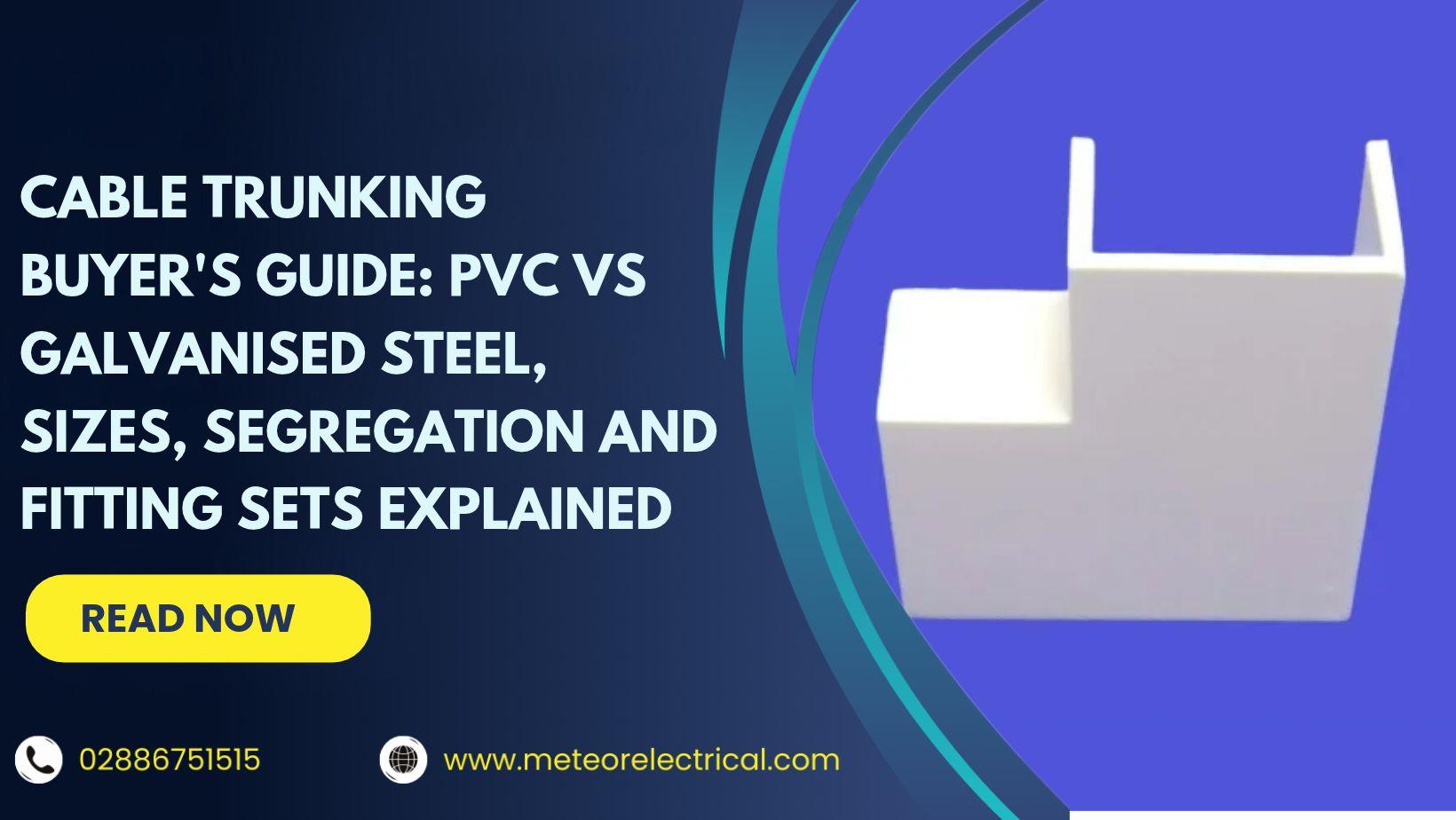
Cable Trunking Buyer's Guide: PVC vs Galvanised Steel, Sizes, Segregation and Fitting Sets Explained
A tangled, exposed wiring system acts as both an absolute eyesore and a severe safety hazard. Implementing robust cable management remains the defining hallmark of a safe, efficient site during professional installations. Outfitting a heavy-duty industrial warehouse or a modern commercial office requires cable trunking to protect, route, and organise electrical networks effectively. Selecting the right material and configuration plays a critical role in preventing electromagnetic interference and environmental degradation.
People frequently ask - "What is the most compliant method to route electrical wiring in a commercial building?" The answer always points directly to structured containment. Our in-depth buyer’s guide helps electricians navigate the core elements of a compliant installation. From settling the PVC vs galvanised steel debate to understanding sizing, segregation, and fitting sets — we cover everything you need to make an informed purchasing decision.
What Is Cable Trunking and Why Is Proper Cable Management Essential?
Cable trunking functions as a protective electrical containment enclosure, usually featuring a removable lid that is used to house and route cables securely across walls, floors, and ceilings. Typically deployed to conceal multiple cables, trunking systems provide the ideal framework to manage large volumes of wiring. Installers place them behind walls or along skirting boards, making them highly suitable in environments boasting low physical risks.
Implementing a highly structured containment system offers core benefits:
- Safety & Protection: Trunking acts as a physical barrier that shields live wires from dust ingress, moisture pooling, and blunt physical impact.
- Regulatory Compliance: Proper containment remains a strict legal requirement across UK building regulations. Metal or uPVC trunking protects cables, provides neat routing, and helps maintain fire compartmentation — provided it is installed using compliant fittings.
- Accessibility: Trunking allows facilities managers rapid access to the internal wiring. Good cable management reduces damage, mix-ups, and nuisance faults, all while supporting compliance regarding wiring routes and depth regulations.
PVC vs Galvanised Steel: Which Cable Trunking Material Should You Choose?
Professionals mapping out a commercial layout often ask - "Does galvanised steel trunking stop electromagnetic interference better than plastic?" Understanding the distinct advantages of each material guarantees you specify the exact right product to suit the environment.
Selecting PVC Plastic Trunking
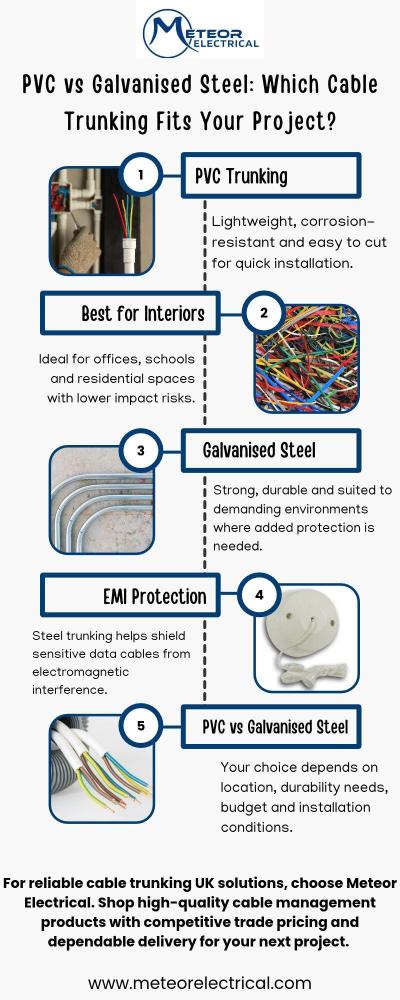
Polyvinyl Chloride (PVC) stands out as incredibly lightweight, highly corrosion-resistant, and remarkably easy to cut and shape on-site without requiring heavy machinery.
- Primary Use Cases: Commercial offices, educational institutions, and residential buildings where severe physical impacts are highly unlikely
- Key Advantages: It offers excellent natural insulation properties, preventing electrical conductivity should a wire become exposed. PVC is highly cost-effective, making it the go-to choice for budget-conscious projects requiring clean aesthetic finishes.
Selecting Galvanised Steel Trunking
Galvanised steel delivers maximum durability and heavy-duty mechanical protection. The galvanisation process coats the steel in a protective layer of zinc to prevent rust.
- Primary Use Cases: Industrial factories, large-scale warehouses, outdoor exposed runs, and public areas requiring high fire resistance.
- Key Advantages: Steel acts as a brilliant natural shield against Electromagnetic Interference (EMI). Such shielding is absolutely vital to protect sensitive low-voltage data cables running near high-voltage power lines.
How Do You Choose the Right Cable Trunking Sizes and Manage Segregation?
Selecting the Correct Sizing and Capacity
Picking the correct wiring enclosures demands precise mathematical planning. Cables should never be crammed tightly into an enclosure—doing so causes severe friction damage during the pulling process and creates dangerous thermal hotspots. Installers must follow the standard 45% space factor rule to maintain total safety.
Industry guidelines dictate that cables should only occupy 45% of the internal space, leaving 55% of the trunking completely empty. The empty space prevents heat build-up and allows facilities managers to effortlessly add future wires without ripping out the entire system.
Did You Know: Overfilling your wiring enclosures beyond the recommended 45% capacity drastically increases heat build-up, which can silently degrade wire insulation and trigger electrical fires over time?
The Rules of Cable Segregation
Modern buildings run heavily on both power and data, but these two specific systems do not mix well. Low-voltage data and communication cables must remain physically separated from high-voltage power cables at all times. Running them together allows the magnetic field radiating off the power cables to disrupt the data signals, causing severe network lag.
Compartment trunking solves the problem by utilising internal metal dividers. The physical barrier prevents EMI from disrupting data networks while keeping the installation strictly compliant with electrical safety standards.
Source - eFIXX
What Fitting Sets Are Required for a Flawless Installation?
Essential Trunking Accessories
A professional routing system relies entirely on high-quality accessories to navigate the unique architecture of a building safely. You will need the following core components:
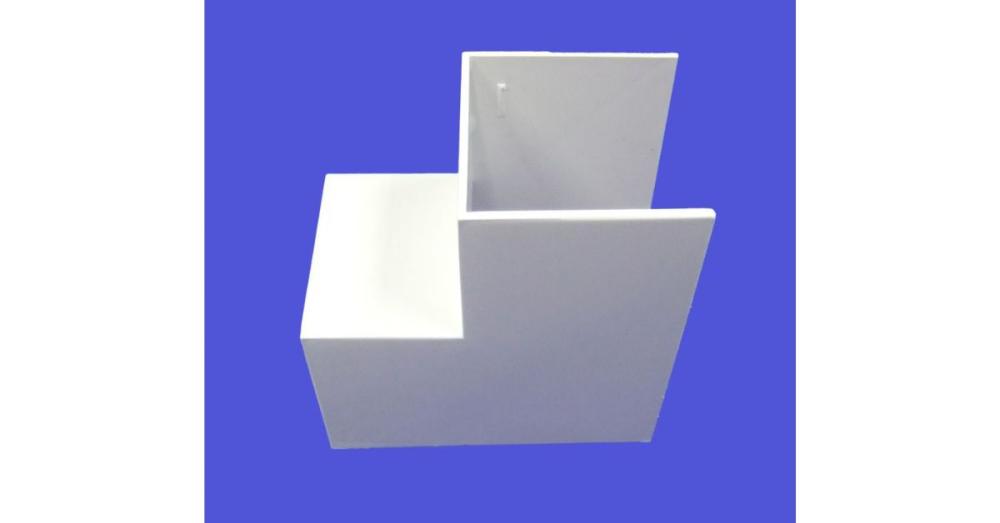
- Flat Angles & Bends: These fittings navigate 90-degree corners cleanly. They guarantee the route turns smoothly without over-bending the internal cables, which ultimately protects the copper conductors from stretching.
- Tees & Intersections: Installers need these to split a main cable route into multiple directional branches.
- Couplers & End Caps: Couplers securely join straight lengths of trunking together to create a continuous, rigid spine. End caps safely seal off the final exposed ends of a run, preventing dust ingress.
Best Practices for Fitting
Installers must verify all cut joints are perfectly flush and filed down before connecting them. Sharp, uneven metal or plastic edges at fitting points can easily slice through the protective cable sheathing during the pulling process. Always use dedicated joining brackets and tighten all screws securely to maintain the structural integrity spanning the entire route.
Where Can You Find the Best Cable Trunking UK Solutions?
Securing regulatory compliance alongside a highly professional finish requires a trade-trusted supplier. Meteor Electrical offers a premium range of durable containment solutions designed to support rapid, secure installation.
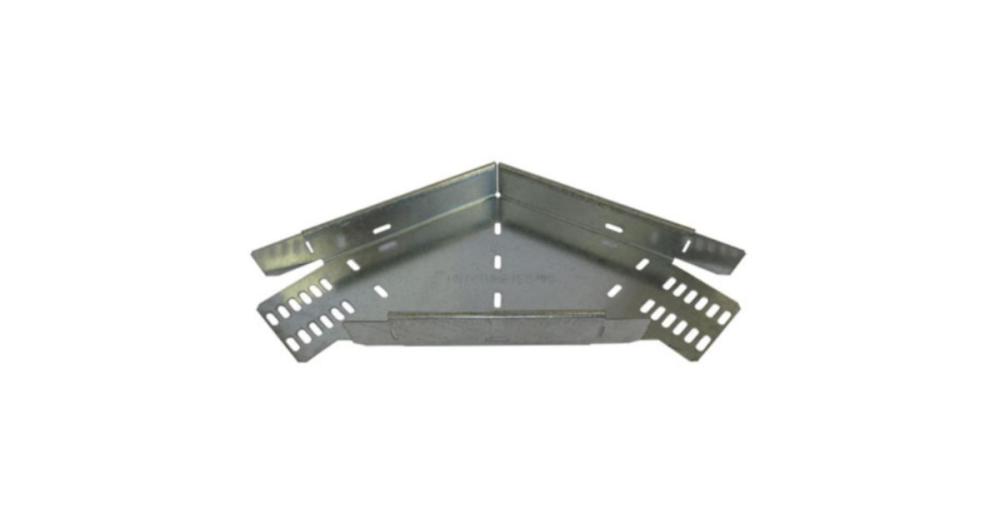
Galvanised Steel Trunking
Manufactured directly from high-grade galvanised steel, the containment system is built to provide ultimate impact and fire resistance. It serves as the perfect choice across industrial setups, heavy commercial applications, and environments requiring dense EMI shielding.
Key Features:
Available in multiple lengths and sizes, featuring a highly secure, screw-fixed lid mechanism that prevents unauthorized tampering. The zinc coating guarantees long-term protection against rust inside damp commercial environments.
PVC Plastic Trunking
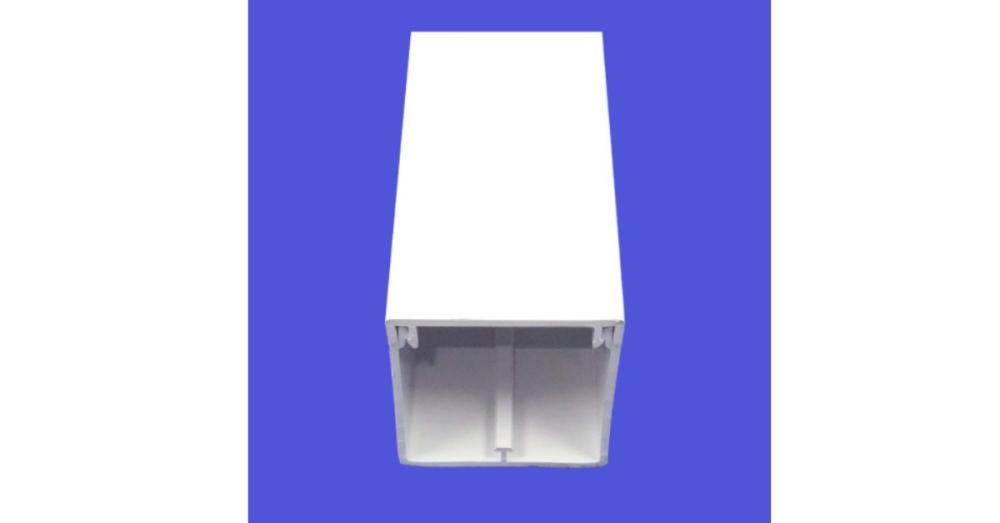
Designed specifically to handle lightweight commercial routing, our plastic trunking delivers a brilliant combination of flexibility and aesthetic appeal. It is perfectly suited to outfit modern offices, schools, and retail spaces.
Key Features
Boasts a clean white finish that blends beautifully into interior walls. It is highly adaptable, remarkably easy to cut, and naturally corrosion-resistant. It features a snap-on lid allowing rapid access and future maintenance.
Shop Plastic Trunking at Meteor Electrical
Key Takeaways
- PVC cable trunking is lightweight, corrosion-resistant and ideal for offices, schools and other lower-impact indoor environments.
- Galvanised steel trunking provides greater mechanical strength, fire resistance and EMI shielding, making it suitable for industrial and heavy commercial settings.
- Correct trunking size matters. Following the recommended 45% cable fill rule helps reduce heat build-up and leaves space for future wiring.
- Power and data cables should be properly segregated to reduce electromagnetic interference and maintain reliable network performance.
- Using the correct fittings, including bends, tees, couplers and end caps, creates a safer, cleaner and more professional cable management system.
- Choosing compliant cable trunking UK products and installing them correctly supports long-term protection, easier maintenance and safer electrical infrastructure.
Ready to Secure Your Next Cable Management Project?
Choosing the right cable trunking fittings and materials guarantees both safety and longevity, protecting your entire electrical infrastructure, keeping your site fully compliant and hazard-free. Mapping out your next commercial or industrial layout demands an electrical wholesaler that truly understands trade requirements. As a leading supplier of cable trunking UK, Meteor is dedicated to providing high-quality, fully compliant components.
Equip your team with the best materials today by shopping the full range of cable management solutions at Meteor Electrical, offering competitive trade pricing and fast, reliable delivery!
Frequently Asked Questions (FAQs) About Cable Trunking UK
1) What is the main difference between PVC vs Galvanised Steel cable trunking?
PVC is lightweight, cost-effective, and ideal for standard indoor commercial use, whereas galvanised steel provides extreme mechanical protection and EMI shielding for tough industrial environments.
2) Why is cable segregation necessary in a containment system?
Segregation physically separates high-voltage power lines from low-voltage data cables to prevent hazardous electromagnetic interference and guarantee internet networks run smoothly.
3) How much spare capacity should I leave inside the enclosure?
Installers should adhere to the 45% space factor rule, leaving over half of the interior empty to prevent cable overheating.
4) Can I install standard plastic trunking outside?
No, standard indoor PVC material can become brittle and degrade rapidly under direct UV exposure; outdoor installations require UV-stabilised plastics or robust galvanised steel.
5) What are couplers and angles used for in cable trunking installations?
Couplers smoothly join two straight lengths together to form a rigid line, while angles allow you to route wires cleanly around 90-degree corners without stretching or damaging them.