
Information
Smart Dimmers vs Smart Bulbs: The Ultimate Trade Guide to Compatibility, Control Quality, and Support
Upgrading to automated lighting is a standard expectation in modern UK properties. Choosing between smart dimmers vs smart bulbs can completely make or break the end-user experience. Electricians and facilities managers must constantly decide between hardware-level control and fixture-level control. Clients frequently ask - "should I install smart dimmers or smart bulbs for my smart home automation project?" — where understanding strict wiring compatibility, long-term maintenance costs, and network stability is absolutely vital.
The following guide breaks down the technical differences, installation requirements, and common support issues to help trade professionals specify the best lighting control systems UK. We aim to eliminate frustrating callbacks and guarantee absolute client satisfaction.
- What Are the Core Functional Differences Between Smart Dimmers and Smart Bulbs?
- How Do Compatibility Issues Affect LED Lighting Systems?
- Which Option Delivers Superior Control Quality and User Experience?
- What Are the Most Common Support Issues and How Can You Avoid Them?
- Which Smart Dimmer Switches and Smart Bulbs Should You Buy for Your Project?
- Key Takeaways
- Upgrade Your Lighting Control Systems with Meteor Electrical
- Frequently Asked Questions (FAQs) About Smart Dimmers vs Smart Bulbs
What Are the Core Functional Differences Between Smart Dimmers and Smart Bulbs?
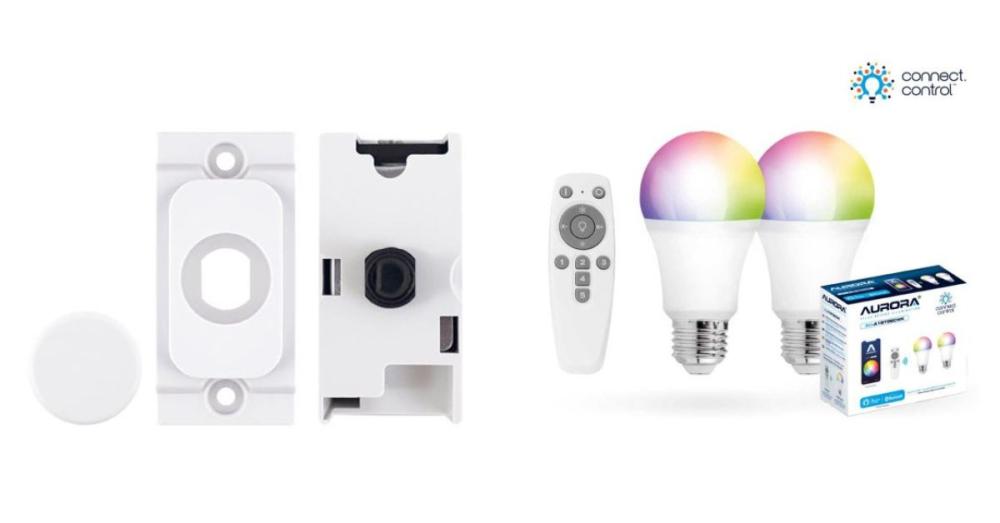
Hardware-Level vs Fixture-Level Control
Smart wall controllers dictate the physical flow of electricity to traditional (but dimmable) LED lamps. They provide a robust physical wall interface alongside modern app connectivity.
Conversely, individual smart lamps contain their own internal microprocessors and Wi-Fi or Bluetooth receivers. Such a setup requires the physical wall switch to remain constantly turned "ON" to function via a smartphone app or voice assistant.
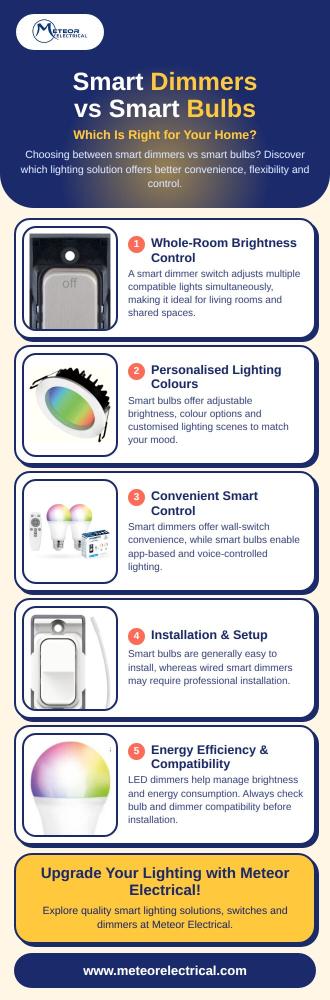
| Feature | Smart Dimmers | Smart Bulbs |
|---|---|---|
| Control Type | Hardware-level (wall switch) | Fixture-level (internal microprocessor) |
| Wall Switch Dependency | Functions normally | Must remain "ON" constantly |
| Best For | Whole-house, commercial, multi-bulb circuits | Single rooms, small rentals, bespoke accents |
| Colour Tuning | No (controls existing standard bulbs) | Yes (RGB and tunable white options) |
Evaluating Upfront Costs and Scalability
Budget considerations play a massive role during the planning phase.
- Individual lamps are highly cost-effective regarding retrofitting single rooms or small rental apartments where altering the mains wiring is not an option.
- Large commercial spaces, warehouses, or whole-house renovations demand a completely different approach.
- Installing a single smart dimmer switch to control dozens of standard ceiling downlights is significantly more economical than purchasing individual smart hardware for every single socket.
How Do Compatibility Issues Affect LED Lighting Systems?
Navigating Leading Edge vs Trailing Edge Technology
Pairing the wrong controller with an LED lighting circuit causes severe flickering, buzzing, or premature bulb failure. Trade professionals strictly advise using trailing-edge dimmers. These units provide smooth compatibility and stable dimming curves alongside modern low-wattage drivers.
Minimum Load Ratings and Back Box Depths
Installers must carefully calculate the total wattage of the circuit. Standard dimming hardware requires a minimum electrical load to function properly. Highly efficient LEDs sometimes fail to meet that minimum threshold, causing annoying operational glitches.
Installers often ask - "what is the minimum back box depth required when comparing smart dimmers vs smart bulbs?" Electricians should also check standard metal back box depths before quoting a retrofit job. Many intelligent wall controllers require a deeper back box (typically 35mm to 47mm) to safely accommodate extra internal smart components and wiring.
Which Option Delivers Superior Control Quality and User Experience?
The Wall Switch Dilemma and Physical Usability
The primary drawback of individual smart lamps revolves around the traditional wall switch. A user manually turning off the wall switch causes the smart bulb to lose all power. It drops offline entirely, rendering the mobile app and voice controls completely useless.
Smart wall units eliminate the problem by maintaining constant network connectivity. They still offer a familiar, tactile physical interface designed to accommodate guests, children, or cleaning staff who do not have access to the companion app.
Did You Know - Relying purely on app-based controls often leads to higher user frustration rates compared to traditional wall switches?
Advanced Customisation and RGB Tuning
We must acknowledge where smart bulbs secure a clear victory. Dynamic colour control remains their strongest feature. They offer tunable white temperatures (CCT) and millions of RGB colour options. Such features make them unbeatable regarding hospitality venues, retail displays, or bespoke architectural accents requiring instant scene changes.
Source - Michael Leen
What Are the Most Common Support Issues and How Can You Avoid Them?
Network Dropouts and Connectivity Restorations
Wi-Fi-heavy environments often suffer from router bottlenecking. Local internet drops cause smart bulbs to lose connection. They can reset to a blinding default brightness immediately after the power returns. Smart wall units drastically reduce emergency support calls. They gracefully revert to functioning as standard manual switches during internet outages.
Long-Term Maintenance and Replacement Costs
Facilities managers must monitor ongoing energy consumption and replacement expenses carefully.
- A smart bulb burning out means the client must replace an expensive piece of smart hardware and re-sync it to their network.
- A standard bulb burning out on a smart dimmer circuit means the replacement is a cheap, off-the-shelf LED.
- Keeping long-term facilities maintenance costs incredibly low and hassle-free remains a major priority across commercial properties.
| Maintenance Scenario | Smart Bulbs | Smart Dimmers |
|---|---|---|
| Bulb Burnout Replacement | Requires purchasing an expensive new smart hardware unit. | Requires purchasing a cheap, standard off-the-shelf LED bulb. |
| Network Re-syncing | Client must manually re-sync the new bulb to the Wi-Fi network. | No network re-syncing required for the replacement bulb. |
Which Smart Dimmer Switches and Smart Bulbs Should You Buy for Your Project?
Sourcing reliable, trade-grade hardware is vital regarding a callback-free installation. Meteor Electrical supplies a trade-proven range of smart lighting controls backed by robust manufacturer warranties.
High-Performance Smart Dimmer Switches
1. Selectric GRID360 Kinetic Smart Dimming Receivers & Switches
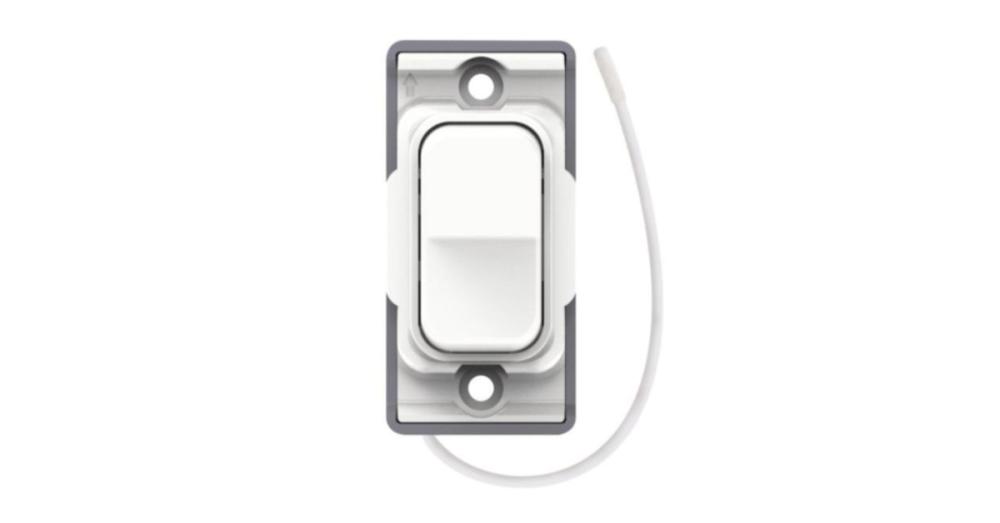
This system utilises wireless, battery-free wall switches that generate their own power purely from the physical motion of pressing the button. The switches pair effortlessly with a receiver module hidden neatly inside the wall box or ceiling void. These receivers come in options that provide both smart app control and precise dimming capability, giving facilities managers and homeowners a highly flexible, mess-free lighting control solution.
2. Selectric Kinetic 2.5A Smart On-Off Dimmable RF and Wi-Fi Wireless Receiver (SKIN-4)
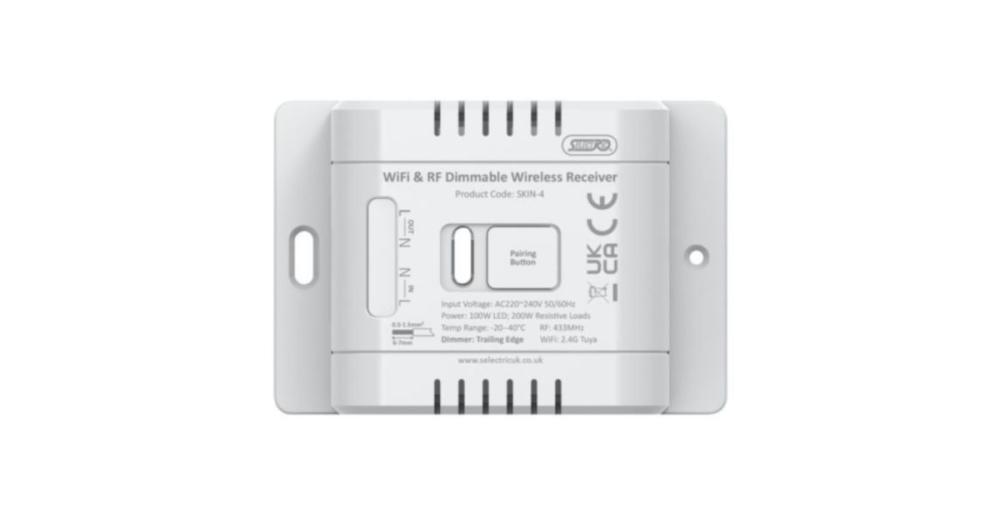
This advanced receiver module integrates perfectly with Meteor Electrical's premium Grid360 Kinetic range. It installs completely hidden behind your light fittings or neatly within a standard wall box. The unit pairs effortlessly with battery-free kinetic switches using a highly reliable 433MHz Radio Frequency.
Dynamic Smart Lighting Solutions
1. 8W E27 GLS Dimmable RGBCX LED BT Smart Lamp
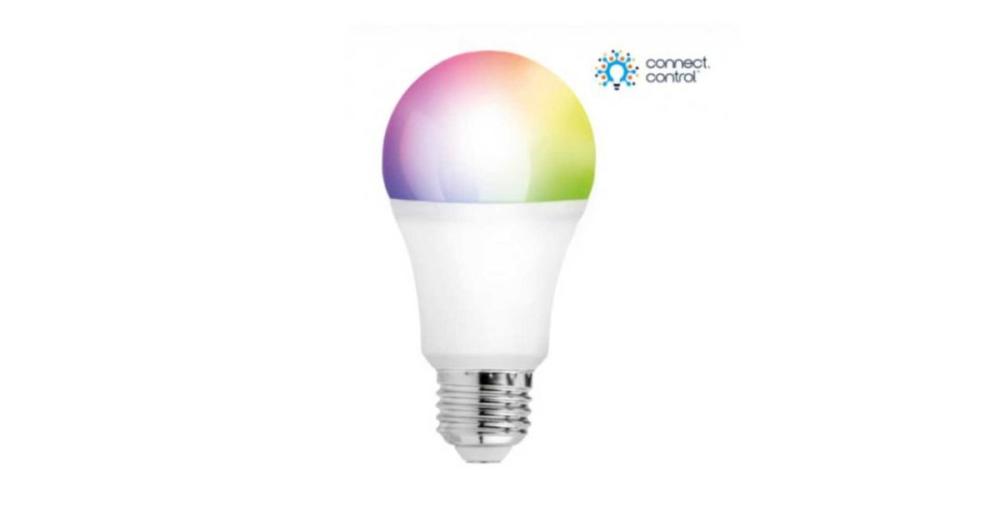
A quick, plug-and-play Bluetooth lighting solution offering six vibrant RGB colours and smooth dimming without needing an external hub or complex wiring modifications.
2. Smart RGB+W Wi-Fi App Controlled Downlight Beam Lighting
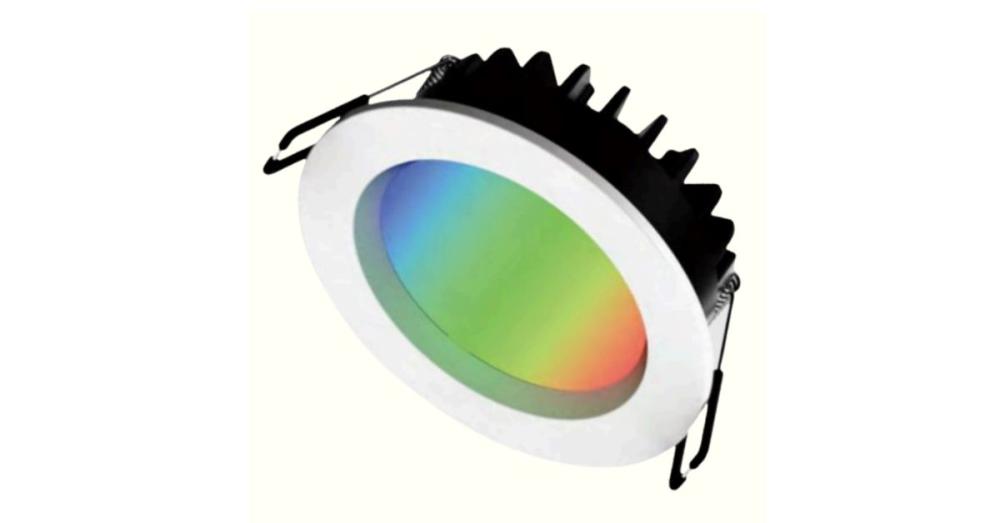
Perfect for targeting architectural ceiling illumination. It delivers brilliant dynamic scenes and precise app-based dimming directly to the user's smartphone.
3. AOne Smart Kit 2x8W E27 GLS Dimmable LED Smart Lamps
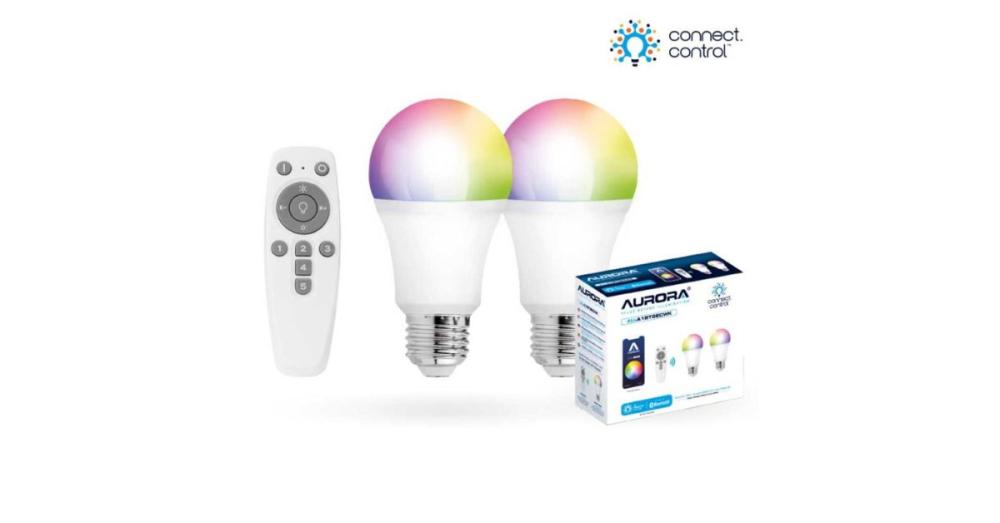
A complete kit providing a broad colour temperature range and smooth dimming. It connects directly to local networks, allowing instant room upgrades.
Key Takeaways
- Smart dimmers provide reliable wall-based lighting control, while smart bulbs offer greater flexibility for colour customisation and smart home automation.
- Choosing compatible LED dimmers with suitable minimum load ratings helps prevent flickering, buzzing, and lighting performance issues.
- Smart bulbs are ideal for quick retrofits and smaller installations, whereas smart dimmer switches are generally more cost-effective for larger residential and commercial projects.
- Smart dimmers offer convenient physical controls and can maintain manual functionality during internet outages, depending on the system.
- Long-term maintenance costs are often lower with smart dimmers, as standard dimmable LED bulbs can be replaced without additional smart device configuration.
- Selecting the best smart lighting solution in the UK depends on installation requirements, budget, control preferences, compatibility, and long-term reliability.
Explore the range at Meteor Electrical
Browse electrical equipment and isolator options on the:
Meteor Electrical website Browse Smart LightingUpgrade Your Lighting Control Systems with Meteor Electrical
Choosing between smart dimmers vs smart bulbs ultimately comes down to the scale of your project and the specific needs of the end-user. Individual lamps offer unmatched colour customisation and incredibly easy retrofitting across small spaces. Conversely, smart dimmers provide robust reliability, lower maintenance costs, and familiar physical control required across large-scale commercial fit-outs and professional domestic renovations.
Partner with Meteor Electrical to source premium hardware protecting your upcoming contracts. Operating as a leading wholesale electrical supplier for the UK and European markets, Meteor Electrical proudly serves electrical contractors and facilities managers with top-tier equipment, complete trade pricing and rapid delivery.
Explore our catalogue of lighting solutions online today to power your next project with absolute confidence!
Frequently Asked Questions (FAQs) About Smart Dimmers vs Smart Bulbs
1) Will a smart dimmer switch work without a Wi-Fi connection?
An internet connection going down simply forces the unit to revert to acting as a standard manual wall switch, whereas app-controlled smart bulbs may become entirely unresponsive until the network is restored.
2) Do I need a neutral wire to install a smart dimmer switch in the UK?
It depends entirely on the model. Many older UK properties do not have a neutral wire at the switch plate, forcing electricians to carefully specify "no-neutral" hardware to prevent costly and invasive structural rewiring.
3) Why do my LED smart bulbs flicker connected to a standard dimmer?
Smart bulbs contain their own internal dimming microprocessors. Connecting them to a hardwired wall dimmer disrupts their precise power supply, causing severe flickering, buzzing, or permanent damage to the chip.
4) Can I use smart bulbs and smart dimmers on the exact same lighting circuit?
No, you should never mix the two. A smart dimmer switch restricts the voltage going to the light fitting, whereas a smart lamp requires a constant, uninterrupted 240V power supply to maintain its wireless network connection.
5) Which is more cost-effective regarding a large commercial space: smart bulbs or smart dimmers?
Smart dimmers are significantly more cost-effective targeting large commercial footprints. Installing a single unit allows a facilities manager to control dozens of cheap, standard LED downlights simultaneously, avoiding the massive expense of buying individual smart bulbs to fill every ceiling socket.