
Dimmable LED Lamps & Dimmer Switches: How to Avoid Flicker and Compatibility Issues
Dimmable LED Lamps & Dimmer Switches: How to Avoid Flicker and Compatibility Issues
Dimmable LED lamps do more than save energy. They give you control over mood, comfort, and how your space actually looks at different times of day. Dim the lights for movie night, brighten them for cooking, or find that “just right” level for working from home.
One key rule saves a lot of hassle: you can use a dimmable LED on a non-dimmable circuit (it will simply run at full brightness), but you should not use non-dimmable lamps on a dimmable circuit. That mismatch can cause flicker, overheating, reduced lamp life, or even damage to the lamp or dimmer.
Always check the packaging. LED lamps are typically labelled “dimmable” or “non-dimmable,” and that label matters.
How an LED Dimmer Switch Works
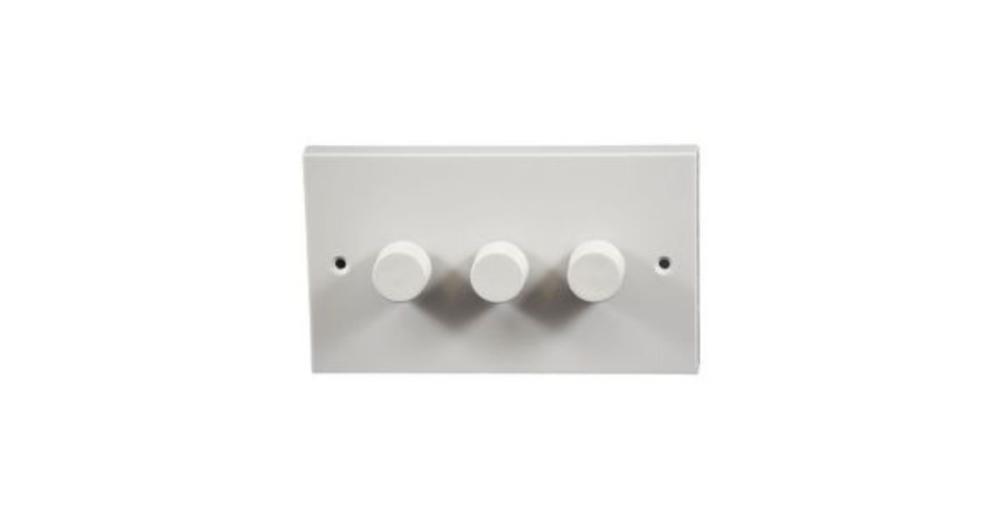
A dimmer switch adjusts the power delivered to the lamp, which changes brightness. In homes and commercial spaces, dimmers usually come in a few common styles:
- Slider dimmers (move up/down for brightness)
- Rotary knob dimmers (turn left/right, often with a click on/off)
- Remote-controlled or smart dimmers (model dependent)
For LED lighting, what matters most is not the shape of the dimmer. It is the dimming technology inside it, and whether it matches the LED driver electronics. This is where “phase control” (or phase cut) dimmers come in.
Phase Cut Dimmers Explained: Leading Edge vs Trailing Edge
Phase control dimmers reduce power by cutting part of the AC waveform. There are two main types: leading edge and trailing edge. Choosing the right one is often the difference between smooth dimming and constant frustration.
Leading Edge Dimmers (TRIAC): Cheaper, Not Always LED-Friendly
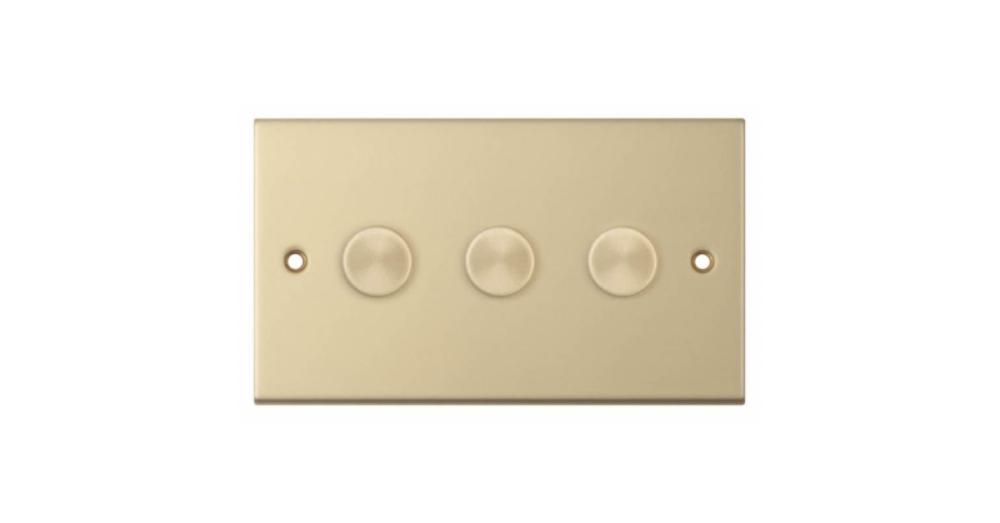
Leading edge dimmers were originally designed for incandescent and halogen bulbs. They commonly use a TRIAC (Triode for Alternating Current) switch to control power.
The catch: many leading edge dimmers have a relatively high minimum load. Modern LED circuits are low-wattage, so the dimmer may struggle to “see” enough load to work properly. That can lead to flickering at low levels, limited dimming range, or lamps dropping out.
Leading edge can work with some dimmable LEDs, but compatibility is more hit-and-miss, especially when you are trying to dim a modest number of low-power LED lamps.
Trailing Edge Dimmers: Smoother, Quieter, Often Best for LEDs
are generally considered more sophisticated. Instead of a TRIAC, they often use a MOSFET-style switching design, which brings real everyday benefits:
- Much lower chance of buzzing (dimmer is virtually silent)
- Lower minimum load (often around 10W, model dependent)
- Better performance with the capacitive load of LED drivers
- Smoother dimming and improved low-end control
Trailing edge dimmers are also gentle on incandescent and halogen filaments, reducing stress at switch-on. But the big reason people choose them today is simple: if you are searching for the “best dimmer switch for LED lights,” trailing edge is usually the first place to look.
How to Avoid LED Dimmer Compatibility Issues (Flicker, Buzzing, Dropout)
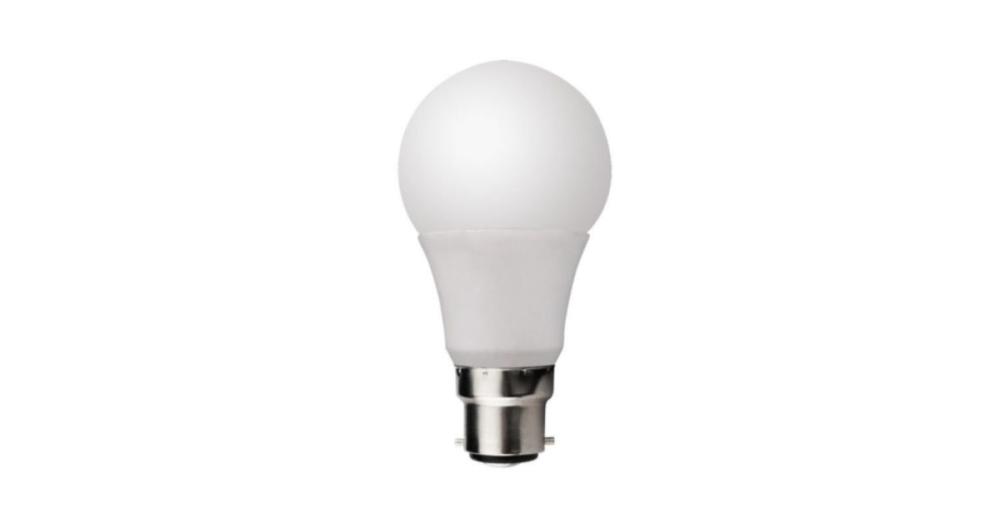
Even if a lamp says “dimmable,” it still needs a compatible dimmer because LED drivers behave differently than traditional bulbs. Use these practical checks to improve your success rate:
1. Match the dimmer type to LED drivers
LED drivers often present a capacitive load, and trailing edge dimmers typically handle that better than leading edge “incandescent dimmers.”
2. Watch the minimum load rating
If your dimmer requires a higher minimum wattage than your LED circuit provides, you may get flicker, shimmer, or lamps that will not dim properly. This is a common cause behind “LED dimmer flickering fix” searches.
3. Avoid mixing lamp types on one dimmer
Mixing LEDs with halogen or incandescent on the same dimmer can cause unstable behaviour and uneven dimming.
4. Choose quality lamps and dimmers
Cheaper drivers and dimmers are more likely to buzz, step, or cut out at low brightness. If you want smooth dimming, your components need to be designed for it.
Choosing the Right Setup for Your Space
If you are upgrading a room (or an entire property) to dimmable LEDs, the safest approach is:
• Pick dimmable LED lamps designed for your fitting (for example, GU10)
• Choose a trailing edge dimmer with a low minimum load
• Confirm ratings and compatibility before installing multiple circuits
This approach reduces callbacks, improves user comfort, and helps you avoid early lamp failure.
Source - Regency Supply (Regency Lighting)
Shop Dimmable LEDs & Trailing Edge Dimmers from Meteor Electrical
If you want reliable dimming with fewer compatibility headaches, start with quality components. Meteor Electrical is a leading wholesale electrical supplier serving UK and European markets, ideal for trade buyers sourcing dimmable LED lamps and trailing edge dimmers. Explore the range at Meteor Electrical and upgrade your lighting with confidence.
FAQs
1. Can I use a dimmable LED in a normal switch?
Yes. It will work like a standard lamp at full brightness, without dimming.
2. Can a non-dimmable LED be used on a dimmer switch?
No. It can flicker, overheat, fail early, or damage the dimmer over time.
3. What is the best dimmer switch type for LED lights?
A trailing edge dimmer is often the best choice for LEDs because it is quieter and usually more compatible with LED drivers.
4. Why do my LED lights flicker when dimmed?
Common causes include an incompatible dimmer, the dimmer’s minimum load being too high, or low-quality LED drivers.
5. What does “minimum load” mean on a dimmer?
It is the minimum wattage the dimmer needs to operate correctly. If your LED circuit wattage is below it, dimming may be unstable. This is where choosing a minimum load dimmer switch matters.
6. Are leading edge dimmers bad for LEDs?
Not always, but they are less predictable with low-watt LED circuits. Many were designed for incandescent and halogen loads.