
Information
Electric Point-of-Use vs Central Storage Water Heaters — Which Fits Your Building’s Demand Profile?
Electric Point-of-Use vs Central Storage Water Heaters — Which Fits Your Building’s Demand Profile?
Waiting for central cylinders to push hot water through long pipe runs wastes thousands of litres of water and inflates energy bills. Facilities managers and electricians constantly face the challenge of providing instant hot water for domestic kitchens, office tea points, and commercial washrooms without compromising power efficiency or physical space.
Property developers and contractors regularly ask - "what are the benefits of point-of-use water heaters for commercial and domestic sinks?" They actively seek reliable solutions to eliminate thermal waste and streamline commercial plumbing layouts, as upgrading older properties to modern decentralised units solves multiple logistical headaches simultaneously.
This detailed guide compares decentralised point-of-use water heaters against traditional central storage systems. You will discover the critical sizing rules, plumbing requirements, and electrical installation guidance needed to select the perfect hardware for a building's specific demand profile.
How Do Point-of-Use and Central Storage Water Heaters Compare?
The Drawbacks of Centralised Storage Systems
Traditional central heating systems store massive volumes of liquid and suffer from significant standing heat loss as hot water travels through extensive commercial or residential distribution pipes. Users waste substantial amounts of water running the tap while waiting for heated water to arrive from the distant central cylinder. That lag time not only tests the patience of building occupants but also drives up utility costs through sheer inefficiency.
The further a sink is located from the main boiler, the worse the thermal loss becomes during daily operation.
The Efficiency of Point-of-Use (Under-Sink) Heaters
Point-of-use water heaters store a highly insulated, small volume of water close to where it is needed. Since heated water arrives at the tap quickly, you avoid warming fluid that simply sits cooling in long dead-leg pipe runs. Cold water enters through a dip tube and is heated by a submerged electric element inside a pressurised vessel — exploiting electric energy at a highly optimised, localised rate.
This targeted approach guarantees that power is only consumed to heat the exact amount of water required at that specific moment, making decentralised units a massive leap forward in building energy management.
Source - eFIXX
How Do You Match Heater Capacity to a Building’s Demand Profile?
Approaching a new installation requires careful capacity planning. Installers regularly ask - "how do you calculate the correct capacity for an under-sink water heater UK project?" Sizing the unit accurately prevents users from running out of hot water while avoiding the unnecessary expense of heating a massively oversized tank.
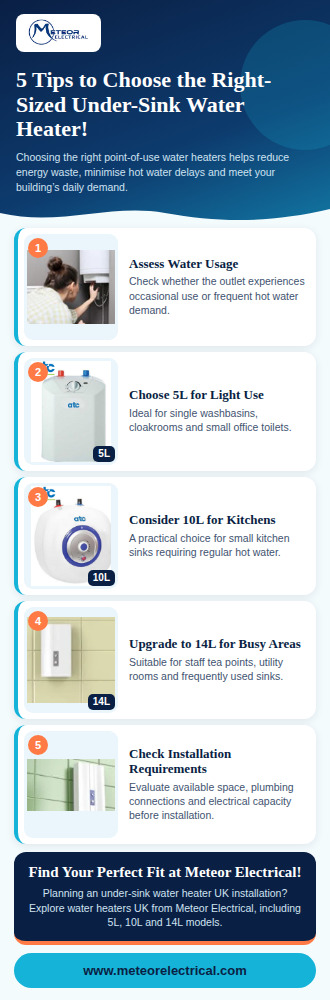
Calculating Volume for Low-Demand Applications
- Assess the outlet to see if it serves intermittent, single-use fixtures before making a purchase.
- A compact 5-litre capacity is ideal for hand washing at a single basin — such as a cloakroom or an isolated office toilet.
- These smaller tanks recover quickly and consume minimal power during standby periods.
- Installing an oversized unit in a low-traffic washroom simply leads to wasted standby energy.
Sizing for Medium to High-Demand Draw-Off Cycles
- Evaluate the system to see if it will serve multiple adjoining outlets or high-volume dishwashing demands to guarantee continuous flow.
- A 10-litre capacity provides the perfect balance for a small kitchen sink or a washroom basin with more frequent, continuous use.
- High-traffic staff tea points, utility rooms, or workshop sinks where washing up is common require sizing up to a 14-litre capacity.
- Sizing up gives the heating element sufficient time to recover the temperature between draws whenever several people use the outlet in quick succession.
- Careful volume calculation completely prevents cold water shocks during peak usage times.
What Are the Key Plumbing and Electrical Installation Requirements?
Contractors searching for compliance guidelines often ask - "what are the plumbing and electrical requirements for installing point-of-use water heaters safely?" Proper preparation guarantees the longevity of the appliance and protects building occupants from potential hazards.
Space Planning and Valve Safety Setup
- Contractors must meticulously measure the cupboard under the sink.
- Adequate room must be allowed for pipework, safety valves, and future access to the thermostat.
- Installers must check the chosen model to see if it is vented or unvented, and determine which inlet controls and expansion relief valves the manufacturer requires.
- That verification directly dictates the parts needed and guarantees strict building regulation compliance.
- Discharge pipework and fittings must strictly follow current building regulations to prevent dangerous pressure buildup.
- Proper discharge routing eliminates the risk of scalding water escaping into occupied spaces.
Did You Know - Installing a localised point of use heater can reduce thermal heat loss by up to fifty percent compared to relying entirely on a traditional, building-wide boiler system?
Safe Electrical Connections and Compliance
- Small point-of-use water heaters are commonly supplied through a dedicated switched fused connection unit.
- The unit must be positioned carefully so the heater can be safely isolated by an electrician for future maintenance.
- Electricians must verify the rating plate for the specific electrical load, use a suitable flexible cable for the final connection, and adhere to all current UK wiring regulations (BS 7671).
- Cutting corners on the electrical connection often voids the manufacturer warranty and creates severe fire risks within confined cabinet spaces.
Which Are the Best Point-of-Use Water Heaters for Your Next Project?
Sourcing trade-grade, certified appliances is essential for reliable plumbing and electrical installations. Meteor Electrical supplies the complete, trade-proven range of high-efficiency ATC water heaters — all backed by robust manufacturer specifications to meet any building's demand profile.
Comparing the top water heaters UK reveals that these models stand out for their durability and consistent thermal performance.
1) 5 Litre Under Sink Water Heater ATC
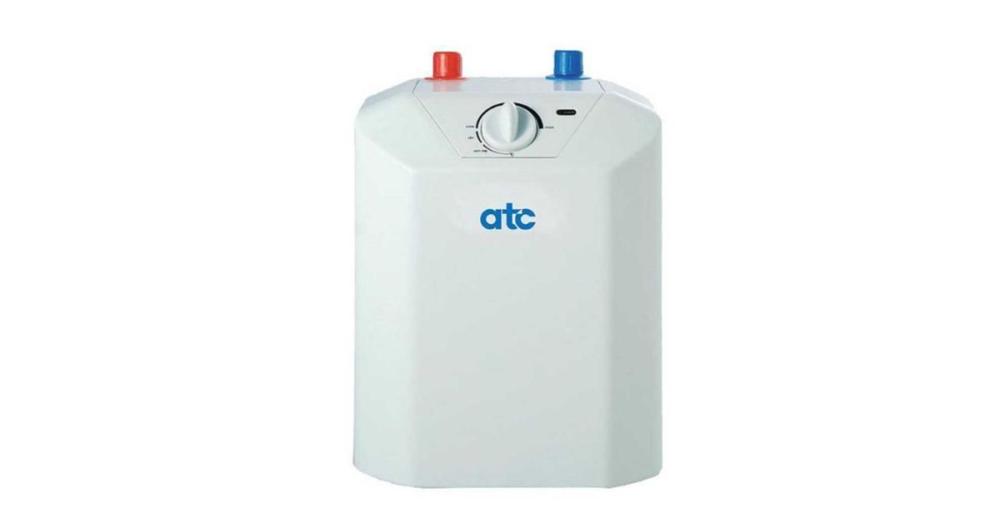
Designed specifically for space-constrained installations — making it the perfect solution for hand washing at a single basin in cloakrooms or small office toilets.
Key Features:
- 5-litre (1.1-gallon) capacity.
- 2000W quick-recovery heating element.
- High-density polyurethane foam insulation.
- External thermostat control featuring an economy setting.
Shop the 5 Litre Under Sink Water Heater ATC at Meteor Electrical
2) 10 Litre Under Sink Water Heater ATC (Model: Z10-U)
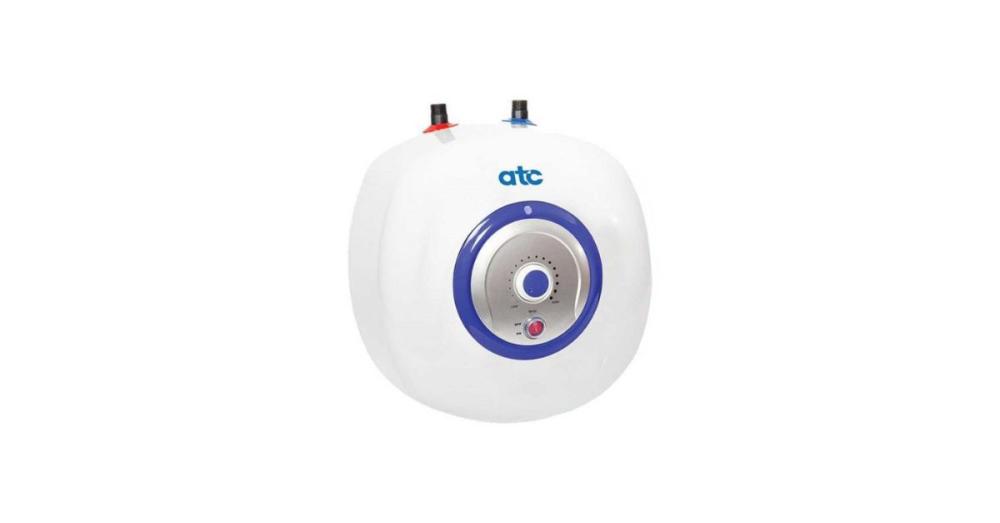
The benchmark unit for small kitchen sinks or washbasins with frequent use — effortlessly serving single or multiple adjoining outlets from a compact under-counter footprint.
Key Features:
- 10-litre (2.2-gallon) water capacity.
- Unique dry porcelain enamel tank lining.
- Premium protective magnesium anode rod to neutralise aggressive water action.
Shop the 10 Litre Under Sink Water Heater ATC at Meteor Electrical
3) 14 Litre Under Sink Water Heater ATC (Model: W15-U)
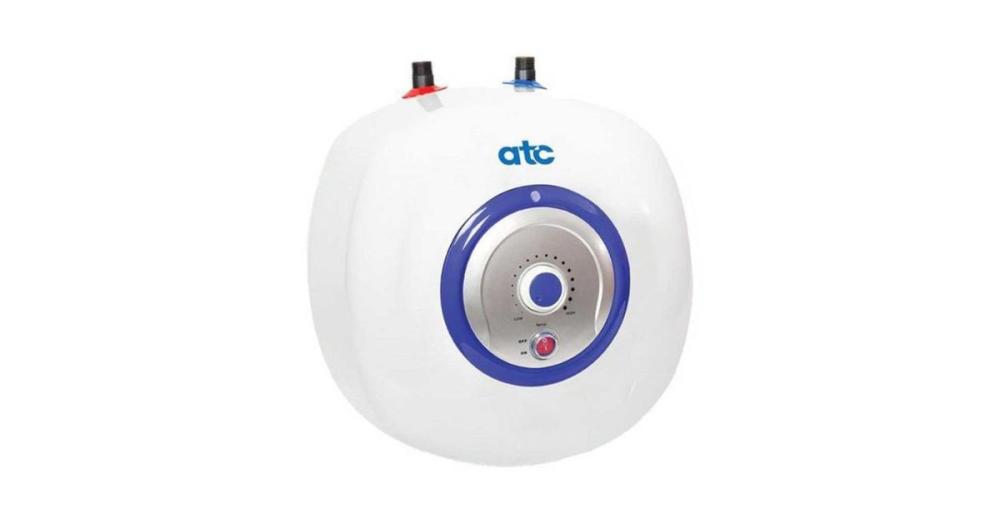
Engineered for heavy-duty commercial demands like staff tea points, utility rooms, or workshop sinks where washing up is common and uninterrupted hot water is vital.
Key Features:
- 14-litre (3.0-gallon) capacity.
- Highly durable 2000W square flange heating element.
- Built-in limiting device to protect the system against overheating during peak cycles.
Shop the 14 Litre Under Sink Water Heater ATC at Meteor Electrical
Key Takeaways
- Point-of-Use vs Central Storage: Point-of-use water heaters deliver hot water closer to the outlet, reducing waiting times and heat loss through long pipe runs.
- Improved Energy Efficiency: Decentralised water heating can minimise standing heat losses and unnecessary water wastage, particularly in buildings with widely spaced outlets.
- Choosing the Right Capacity: A 5L heater suits single washbasins, 10L models work well for small kitchens, and 14L units accommodate more frequent hot water demand.
- Safe Installation Matters: Proper plumbing, pressure relief arrangements, electrical connections, and compliance with UK regulations are essential for safe and reliable operation.
- Match the Heater to Demand: Consider outlet usage, peak hot water requirements, available installation space, and recovery time before selecting a water heater.
- Explore Reliable Heating Solutions: Meteor Electrical offers ATC under-sink water heaters in 5L, 10L, and 14L capacities for domestic and commercial installations.
Is an Electric Point-of-Use System the Right Choice for Your Building?
Choosing the right decentralised water heating model ultimately comes down to calculating capacity, evaluating the space available, and planning how the unit will be plumbed and wired. Matching a 5L, 10L, or 14L under-sink unit to your building's specific draw-off requirements empowers facilities managers to eliminate wasteful dead legs, cut standing thermal loss, and deliver instant hot water. Proper sizing guarantees that users always have access to comfortable hot water without overburdening the local electrical grid.
Securing top-tier hardware is critical during the planning phase of your next commercial fit-out or domestic upgrade. Meteor Electrical is an established online wholesaler stocking a vast selection of wiring accessories, electrical connections, and point-of-use heating options. We provide contractors with the exact inventory they need to finish the job flawlessly — from heavy-duty cables to premium heating and ventilation products.
Browse our full range of under-sink water heaters online at Meteor Electrical today to secure competitive trade pricing and reliable delivery on your next installation project.
Frequently Asked Questions (FAQs) About Under-Sink Water Heaters
1) How do you choose the correct capacity for an under-sink water heater?
Capacity depends directly on fixture usage; a 5-litre unit suits a single handwash basin, while a 10-litre or 14-litre model is essential for busy kitchen sinks and staff tea points.
2) Do electric point-of-use water heaters actually save energy?
Yes, they store a highly insulated volume of water directly at the tap — eliminating the massive thermal loss and water waste associated with long central pipe runs.
3) What are the electrical wiring requirements for a small under-sink heater?
Electricians must wire these units through a dedicated switched fused connection unit with suitable flexible cable to allow for safe isolation and strict compliance with BS 7671.
4) Why is a magnesium anode rod necessary inside these heaters?
The sacrificial magnesium anode rod protects the internal steel tank by absorbing aggressive water action — drastically extending the working lifespan of the appliance.
5) What plumbing checks must be done before installing an under-sink heater?
Installers need to confirm spatial clearances inside the cupboard and determine whether the unit requires unvented safety valves or specific discharge pipework to meet local building regulations.