
Complete Guide to Under Sink Electric Water Heater Installation — Understanding the Basics and Benefits
Complete Guide to Under Sink Electric Water Heater Installation — Understanding the Basics and Benefits
The growing necessity for instant, point-of-use hot water across both commercial and domestic spaces cannot be overstated. Today, property owners and facilities managers prioritise convenience, comfort, and resource conservation above all else. Because of this shift, the demand for high-quality under sink water heaters has absolutely skyrocketed.
Understanding the internal components, sizing requirements, and installation basics of these compact units is crucial. Getting the setup right prevents catastrophic leaks, drastically reduces energy waste, and ensures long-term reliability for end-users.
Let us explore the core mechanics, compare options, and break down the installation process step by step.
How Under Sink Electric Water Heaters Work
The Core Mechanics
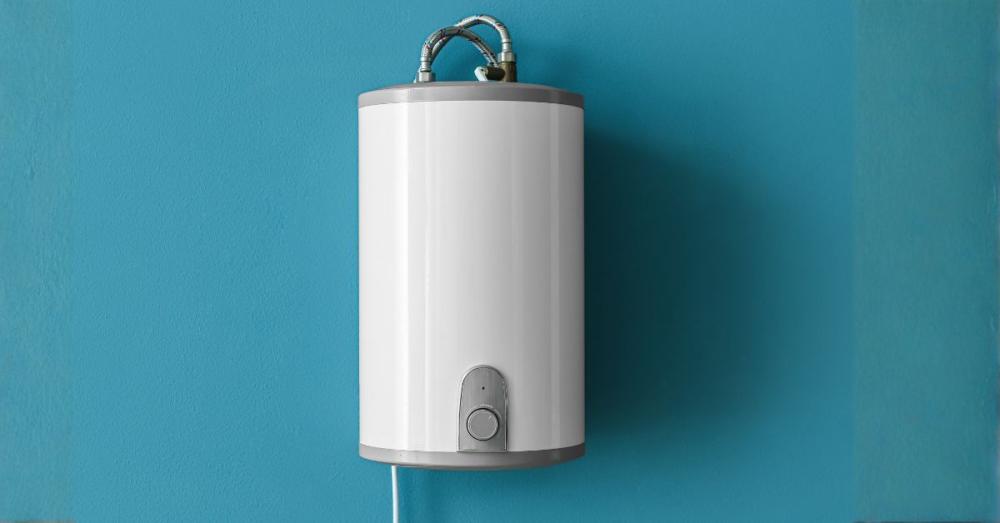
The fundamental process behind an electric ATC undersink water heater is simple yet highly effective. Cold water from the main supply enters the unit via a dip tube. Once inside the tank, the water is rapidly heated by an internal electric heating element.
By utilising point-of-use efficiency, this system completely eliminates the frustrating wait time usually associated with traditional hot water delivery.
Key Internal Components
To understand how these appliances function, you need to look inside the casing.
- Tank: This is a heavily insulated storage vessel, typically wrapped in high-density Polyurethane Foam. This robust insulation is specifically designed to minimise standby heat loss and keep water warmer for longer.
- Anode Rod: Premium units feature a protective magnesium anode rod. This clever component is designed to sacrifice itself, attracting corrosive elements to prevent the tank's interior steel lining from rusting via electrolysis.
- Thermostat & Valves: These include external controls for precise temperature regulation, working alongside crucial safety devices like the pressure relief valve and drain valve to maintain optimal system pressure.
Electric vs. Gas Water Heaters: Making the Right Choice
Efficiency and Safety Comparisons
When upgrading a plumbing system, installers often ask, "What is the difference between a gas and an electric under sink water heater?" The primary distinction lies in how they generate and distribute heat, alongside their environmental impact.
Gas powered water heaters rely on a central burner and a chimney-like structure to heat the water, a process that releases hot, toxic exhaust air that must be safely vented outside. Conversely, electric under-sink units provide highly localised heating without generating any toxic exhaust air, making them incredibly safe for enclosed commercial kitchens and small office breakrooms.
From an energy conservation standpoint, electric units are vastly superior for isolated sinks. They consume electricity at a much-reduced rate and completely eliminate the massive amounts of water wasted while waiting for a central boiler to push hot water through long, winding pipe runs.
Source - Tool Junkie
Pre-Installation Sizing and Requirements
Determining the Correct Capacity
Sizing your under sink water heaters correctly is the first step toward a successful plumbing fit-out. You must accurately match the tank size to the site's specific demands. Consider factors like the total number of daily users and the primary application.
For example, occasional handwashing in a small bathroom requires a much smaller capacity than heavy, continuous dishwashing in a bustling office canteen.
Site Preparation
Proper ATC undersink water heater installation requires meticulous site preparation. You must outline the necessary plumbing connections and confirm your electrical supply requirements beforehand. Ensure there is adequate spatial clearance under the sink to guarantee a safe, compliant, and accessible fit.
Did You Know - Keeping the pipe run between your compact hot water system and the tap as short as possible can drastically reduce radiant heat loss and lower your electricity bills?
Installation Basics: A Step-by-Step Process
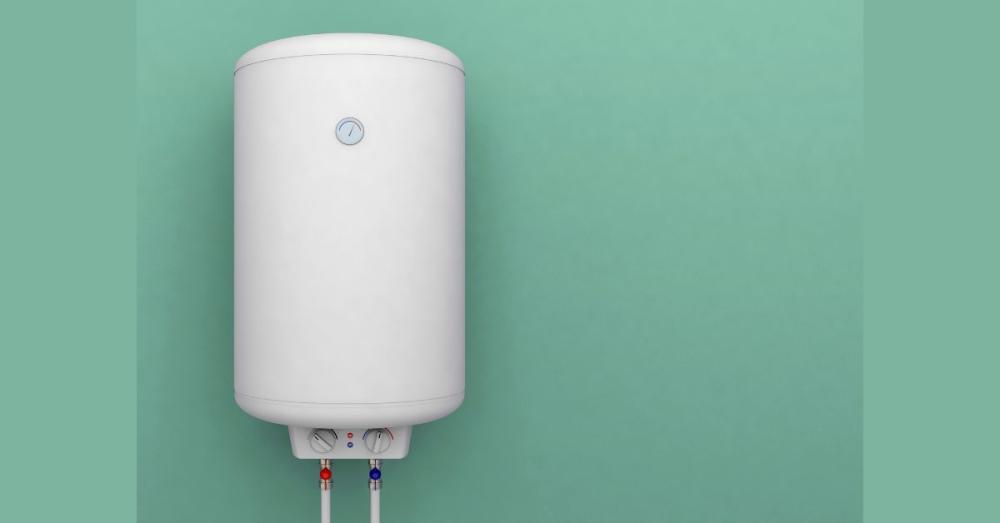
If you are planning an ATC undersink water heater installation, following a strict procedure guarantees safety and compliance.
Step 1 - Isolate the Supplies: Always isolate the main water feed and electrical supplies at the breaker before commencing any physical work.
Step 2 - Mount Securely: Mount the unit securely to a solid surface, ensuring it remains easily accessible for routine maintenance tasks, such as inspecting the safety valves or replacing the magnesium anode rod.
Step 3 - Connect the Plumbing: Carefully connect the cold water feed to the dip tube inlet, then route the heat-out pipe to the tap securely using high-quality dielectric connections.
Step 4 - Test the System: Test the pressure relief valve and check the entire system for water leaks. You must fill the tank completely before powering on the heating element to completely avoid dry-firing and destroying the internal components.
Product Focus - Top ATC Under Sink Water Heaters
To help you secure the right hardware for your specific installation requirements, here are the top-tier ATC water heaters available to buy today.
1. 5 Litre Under Sink Water Heater ATC
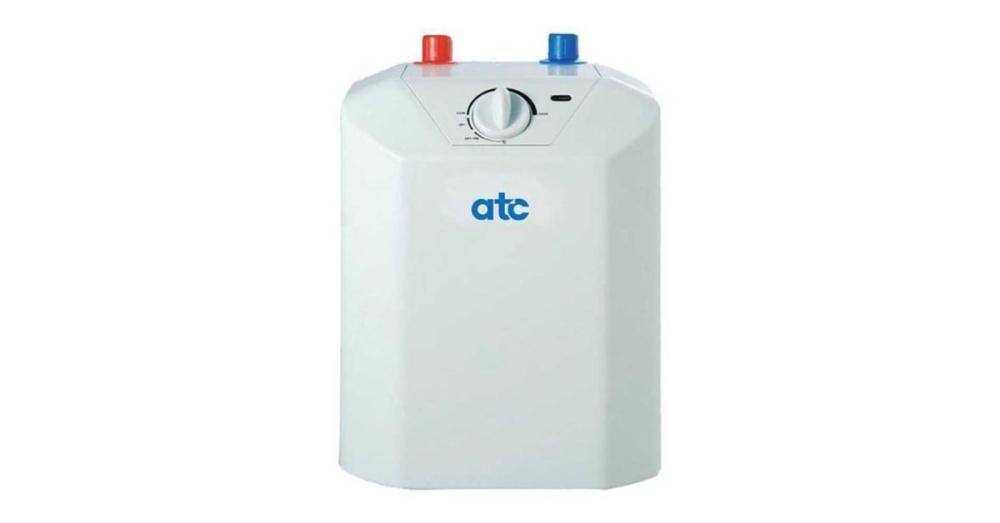
If you are looking for a reliable, compact hot water system, this 5 litre undersink unit works exceptionally well for commercial usage. It meets the hot water demands of multiple sinks without requiring specialised taps, allowing you to save significantly on running costs compared to traditional venting systems.
Key Features:
- Power wattage of 2000W for rapid heating.
- Maximum pressure capacity of 8 bar.
- External adjustable thermostat included.
- ERP Class B energy rating.
- RoHs and CE approved for ultimate safety.
Shop 5 Litre Under Sink Water Heater ATC
2. 10 Litre Under Sink Water Heater ATC
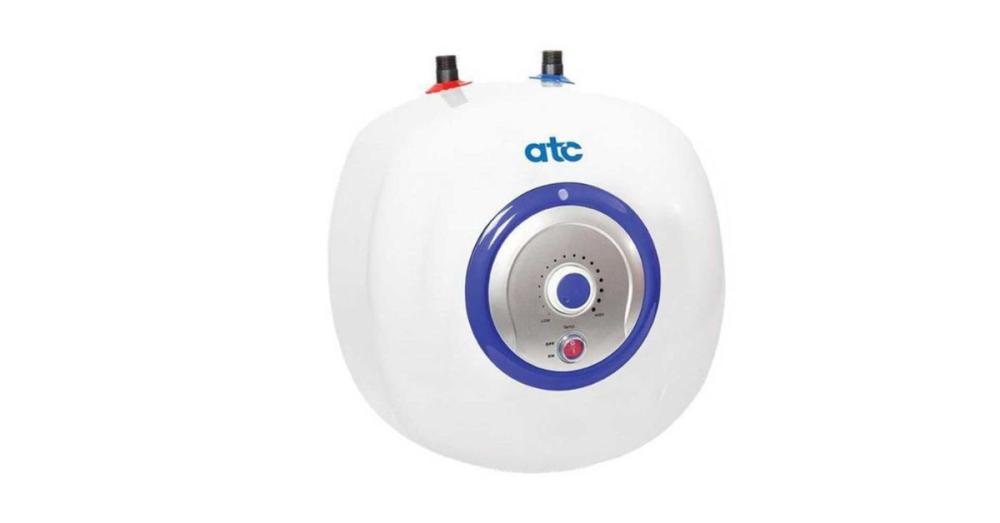
For high volume commercial applications, heavy-duty under sink water heaters handle the load easily. This 10 litre model features a space-saving design and a highly durable glass-lined tank protected by a premium magnesium anode rod to prevent corrosion.
Key Features:
- Generous 10L capacity for busy environments.
- Robust 2000W quick recovery heating element.
- Glass-lined, anti-corrosive inner tank.
- Standard ½-inch dielectric connections.
- Power indicator light for easy monitoring.
Shop 10 Litre Under Sink Water Heater ATC
3. 14 Litre Under Sink Water Heater ATC
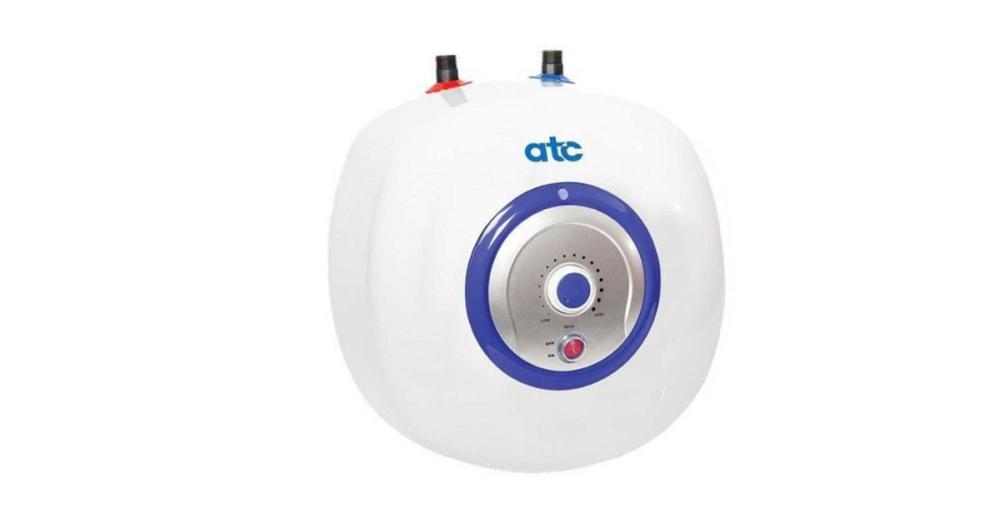
When you need maximum point-of-use capacity, this 14 Litre unvented unit is the ideal solution for supplying a high number of sinks simultaneously. It proves to be incredibly cost-effective for large office blocks and light commercial kitchens.
Key Features:
- Massive 14L storage capacity.
- 2000W power output for continuous warmth.
- External thermostat for easy access.
- ERP Class B efficiency rating.
Shop 14 Litre Under Sink Water Heater ATC
Conclusion
Understanding the underlying mechanics of point-of-use heating, from the function of the cold water dip tube to the protective qualities of the magnesium anode rod, guarantees a secure and professional installation. Sizing the unit correctly ensures your clients will always enjoy instant, efficient hot water without unnecessary energy or water wastage.
When you are sourcing materials for your next plumbing or electrical fit-out, you need a wholesale supplier you can trust. At Meteor Electrical, our ATC water heaters provide industry-leading performance. We stock a premium range of highly efficient under sink water heaters designed to meet the rigorous demands of modern domestic and commercial properties.
Shop our full range of ATC Under Sink Water Heaters online today to secure top-tier products with rapid delivery for your next project!
FAQs About Under Sink Water Heater Installation
1) What size under sink water heater do I need?
A 5-litre unit is perfect for a single handwash basin, whereas 10-litre or 14-litre models are better suited for busy kitchen sinks requiring a larger volume of instant hot water.
2) Do under sink water heaters need an anode rod?
Yes, high-quality units utilise a magnesium anode rod to equalise aggressive water action, sacrificing itself to protect the internal steel tank lining from heavy corrosion over time.
3) Why is my electric under sink water heater not getting hot?
This issue is typically caused by a tripped high-limit thermal switch, a faulty electric heating element, or a malfunctioning external thermostat that requires professional replacement.
4) Does an under sink water heater save electricity?
Yes, by providing immediate point-of-use heating, they completely eliminate the severe energy and water waste associated with waiting for hot water to travel from a central boiler through long pipes.
5) Can I plug an under sink water heater into a standard socket?
Most point-of-use electric water heaters can be safely wired into a standard fused spur, but you must always consult local electrical wiring regulations and a qualified electrician before installation.