
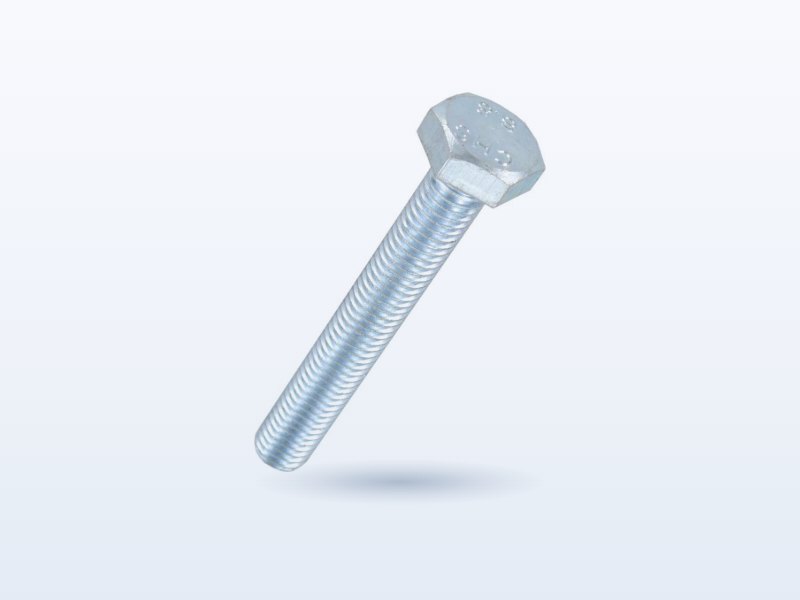
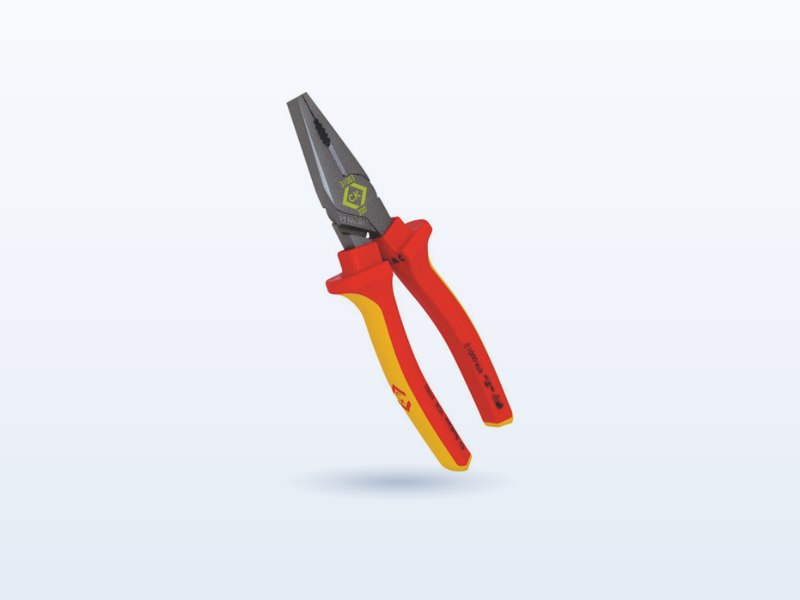
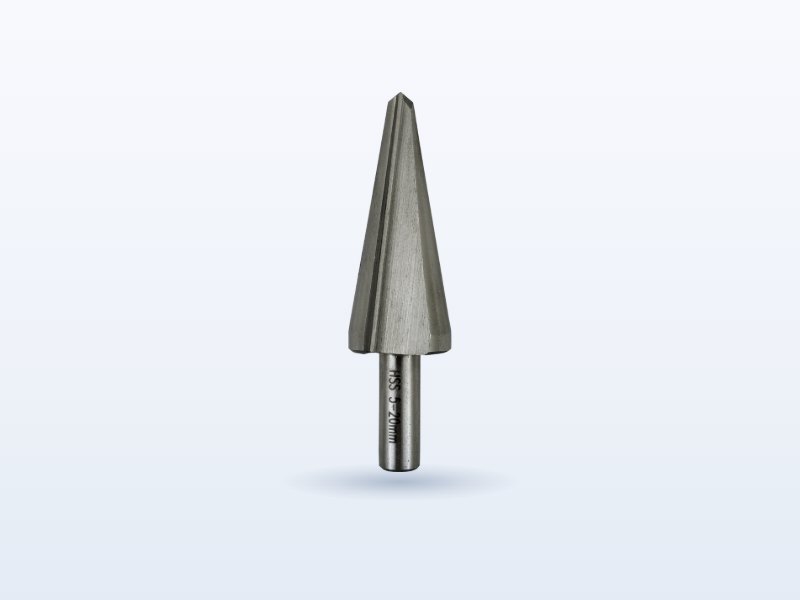
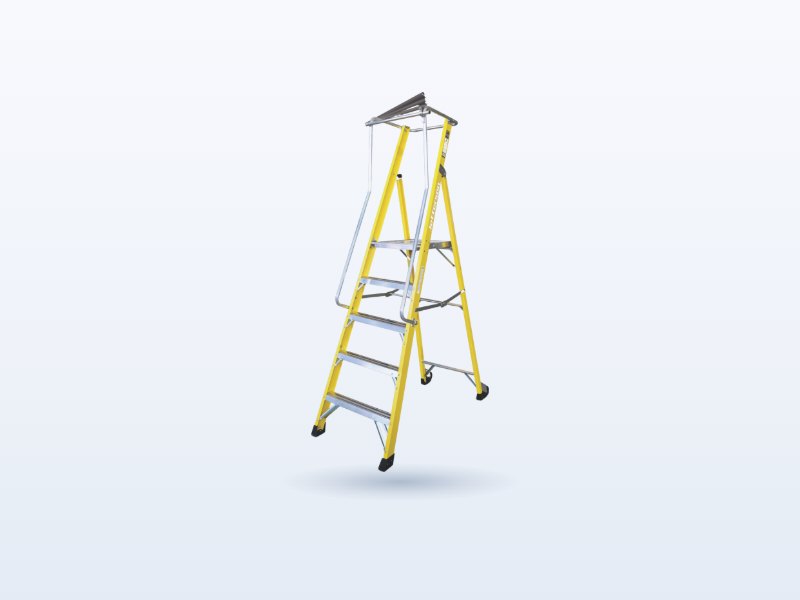




Tools, fixings and hardware covers the hand tools, power tool accessories, fasteners, site consumables and safety kit that electricians and contractors rely on to get an installation fixed, finished and tidy. The range takes in C.K Tools VDE screwdrivers and pliers, Olympic Fixings anchors, drill bits and holesaws, Tec7 sealants and Jefferson Tools fibreglass ladders.
Whether you are restocking the van or kitting out a new apprentice, trade account holders get trade pricing, and in-stock orders placed before 5pm on a weekday are delivered the next working day across Northern Ireland and the Republic of Ireland.
At a glance
- 360+ hand tools, test equipment, fixings, power tool accessories and PPE
- Brands including Olympic Fixings, C.K Tools, Tec7, Deligo and Jefferson Tools
- VDE insulated tools, testers, drill bits, anchors, sealants and workwear
- Order by 5pm Mon–Fri for next working day delivery across NI and ROI
Finding the right tools and fixings for the job
This department brings together everything that sits around the cable and the accessory: the tools used to strip, cut and terminate, the fixings that hold equipment to the building, and the consumables that finish the job. Browsing by subcategory is usually the quickest way to narrow things down.
What is in each section
- Hand tools – insulated screwdrivers, pliers and cutters, strippers and crimpers, saws, knives, levels, draw tapes and testers. See the full electricians' hand tools range.
- Screws and fixings – wood and machine screws, concrete screws, drop-in anchors, shield bolts, spring toggles, wall plugs, nuts, bolts and washers. Start with screws and fixings.
- Power tool accessories – SDS and HSS drill bits, auger bits, holesaws, arbors and cutting discs in power tool accessories.
- Access equipment – fibreglass step ladders, platform ladders and work platforms under ladders and platforms.
- Hardware and workwear – sealants, lubricants, batteries, barrier tape, gloves and eye protection.
Choosing tools for electrical work
For anything that may come near live parts, choose hand tools marked VDE or 1000V-rated insulated, and keep a proven voltage indicator in the kit so you can confirm isolation before work starts. Fibreglass ladders are generally preferred for electrical work because the stiles are non-conductive. Always follow the manufacturer's instructions and check current wiring regulations for the task in hand.
Matching fixings to the substrate
The base material decides the fixing. Solid concrete and brick suit concrete screws, drop-in anchors or shield bolts; hollow plasterboard calls for spring toggles or cavity fixings; timber takes woodscrews directly. Check the load, edge distances and drill size on the product data before installing.
Buying from Meteor Electrical
Meteor Electrical is a family-run wholesaler with more than 40 years in the trade, stocking over 5,000 lines from 100+ brands in a 200,000 sq ft Cookstown warehouse. Order before 5pm Monday to Friday for next working day delivery across NI and ROI, collect from the Cookstown trade counter, or call 028 8675 1515 for help.
Popular in Tools, Fixings & Hardware
- Test & detection equipment
- Screwdrivers
- Strippers & crimp tools
- Fixings
- Screws
- Drill bits
- Ladders & platforms
- Workwear & safety
Popular brands
Related departments
Frequently asked questions
What hand tools should every electrician carry?
A typical electrician's kit includes VDE insulated screwdrivers in slotted and Pozi tips, combination pliers, cable cutters, a wire stripper, an electrician's knife, a tape measure, a spirit level and a two-pole voltage tester. Many add a non-contact voltage detector, a junior hacksaw and a draw tape for pulling cable through conduit. Keep everything in a tool case so it stays protected between jobs.
Why are VDE tools recommended for electrical work?
VDE-marked tools have insulation that has been individually tested to a high voltage and is rated for working near live parts up to 1000V AC. They add a layer of protection against accidental contact, but they are not a substitute for safe isolation. Always isolate, lock off and prove dead before starting, and follow current wiring regulations and your company's safe working procedures.
Which fixing should I use for concrete, brick or plasterboard?
Use concrete screws, drop-in anchors or shield bolts for solid concrete and dense brick, plastic wall plugs with woodscrews for light loads in masonry, and spring toggles or cavity fixings for plasterboard. Timber can take screws directly. Check the manufacturer's load data and recommended drill size, and allow for the weight of the equipment plus any cables or containment it supports.
Do you stock fibreglass ladders for electricians?
Yes, the ladders and platforms section includes fibreglass step ladders from four to seven treads, fibreglass platform ladders with handrails and a multi-purpose ladder from Jefferson Tools. Fibreglass stiles are non-conductive, which is why they are widely chosen for electrical work. Inspect any ladder before use and check its rating suits the user and the load being carried.
What drill bits do I need for fixing into masonry?
For masonry, use SDS bits in an SDS hammer drill or tungsten carbide-tipped masonry bits in a percussion drill. Match the bit diameter to the plug or anchor you are using, usually printed on the packaging. HSS twist bits are for metal and plastics, and auger or flat wood bits are for timber, so it pays to carry a mix.
How quickly can I get tools and fixings delivered?
In-stock tools and fixings ordered by 5pm Monday to Friday are delivered the next working day across Northern Ireland and the Republic of Ireland, using Meteor's own vans and DPD. Delivery to England, Scotland and Wales takes 3–5 working days. Orders over £30 or €35 ex VAT qualify for free delivery, and Click & Collect is available at Cookstown.
What is a VDE screwdriver?
A VDE screwdriver is an insulated tool individually tested to 10,000V and rated for live working up to 1,000V AC, in line with IEC 60900. The insulation is moulded to the blade to protect the user if they accidentally touch a live part. VDE tools are standard kit for electricians, but they are not a substitute for safe isolation before work.
What test equipment does an electrician need?
Most electricians carry a two-pole voltage tester and proving unit for safe isolation, a socket tester, and a multifunction tester for insulation resistance, continuity, loop impedance and RCD tests. A non-contact voltage detector is useful for quick checks but should not be relied on to prove a circuit is dead. Keep test equipment calibrated and in good condition.
Which wall plug should I use for plasterboard?
Standard plastic plugs grip poorly in plasterboard, so use cavity fixings designed for hollow walls, such as self-drill plasterboard fixings, spring toggles or metal cavity anchors. Choose a fixing rated for the load, and fix heavier items to timber studs or noggins where possible. Always follow the fixing manufacturer's load ratings and instructions.
What PPE should electricians wear on site?
Typical PPE includes safety boots, hi-vis clothing, eye protection, gloves suited to the task and a hard hat where required by site rules. Dust masks or respirators are needed when drilling or chasing masonry. Specific tasks, such as live working, may need additional arc-rated equipment. Follow the site risk assessment and any principal contractor requirements.