
Screws & Fixings
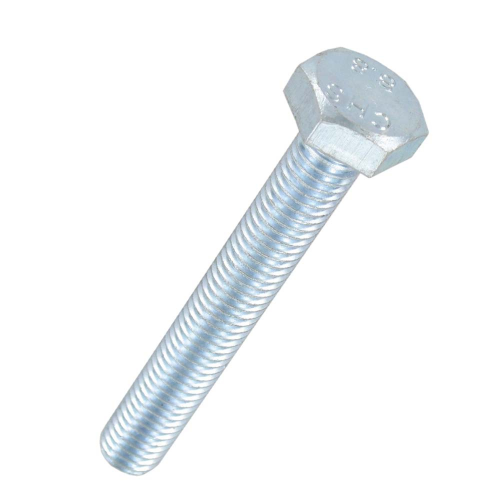
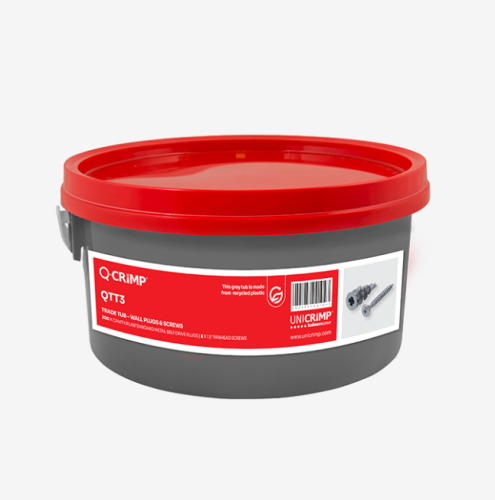
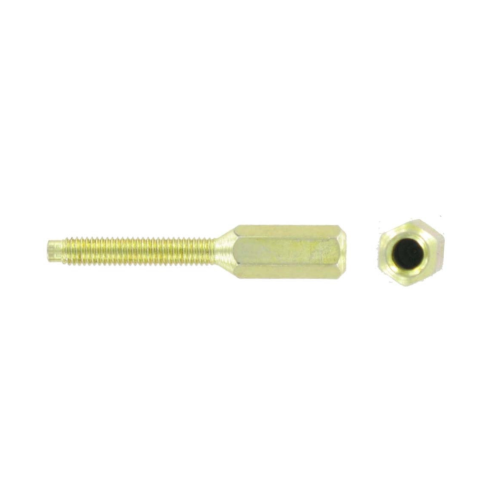
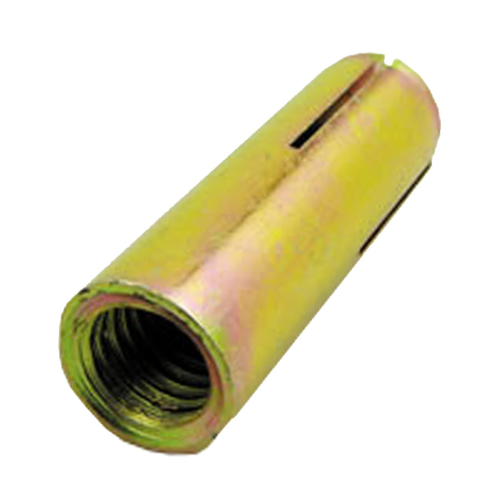
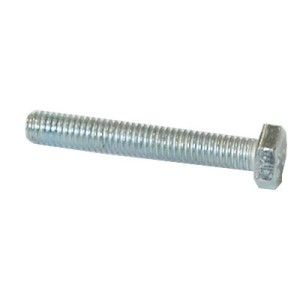
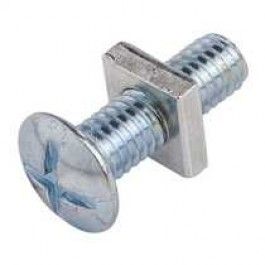
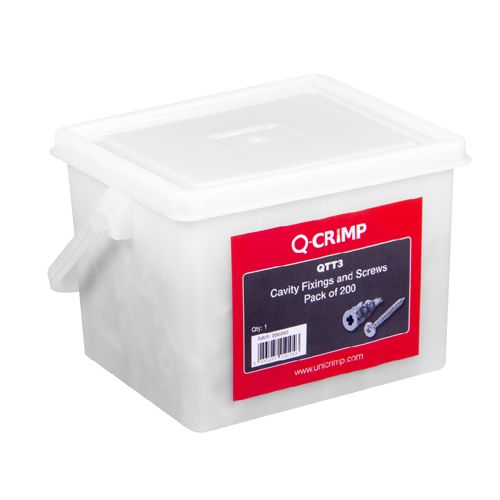
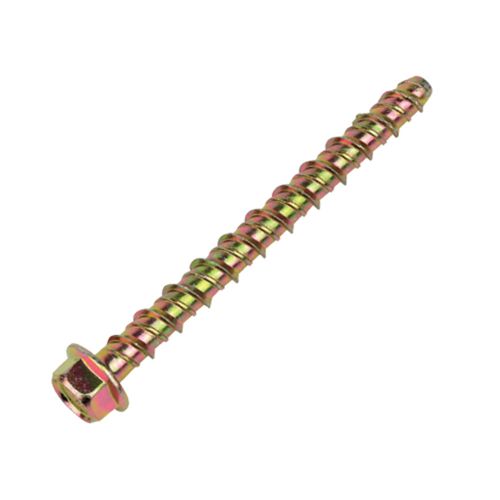
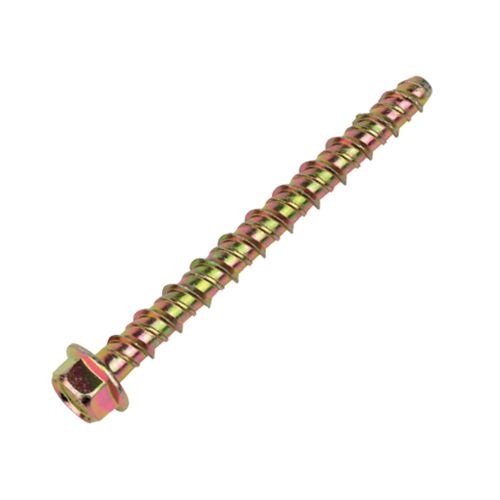
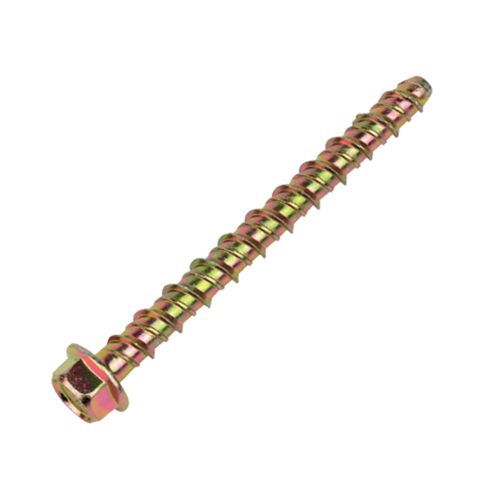
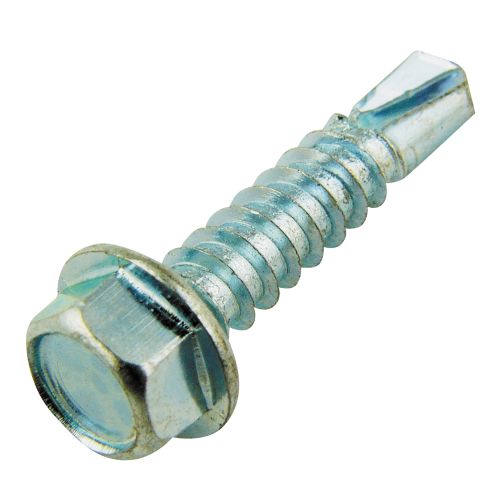
Screws and fixings are the fasteners and anchors used to secure electrical equipment, containment and building components to timber, masonry, plasterboard and metal. This section stocks Olympic Fixings concrete screws and roofing bolts, Deligo high-tensile hex set screws and Unicrimp catenary wire kits and self-drive plugs, alongside woodscrews, drop-in anchors, nuts, washers and wall plugs.
Most items come in trade-size boxes and tubs. Open a trade account for trade pricing, and in-stock orders placed by 5pm on weekdays reach NI and ROI sites the following working day.







How to choose screws and fixings for electrical installations
Every fixing decision starts with two questions: what are you fixing into, and how much load will it carry? Answer those and the right product family usually picks itself.
The main product groups
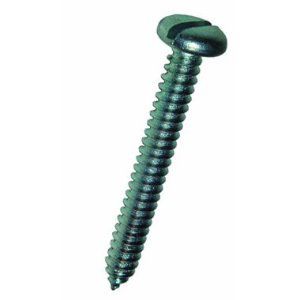
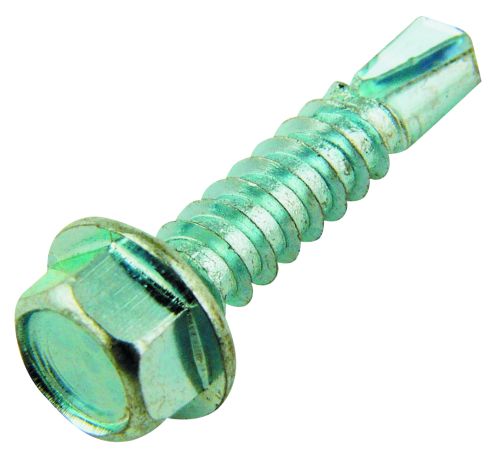
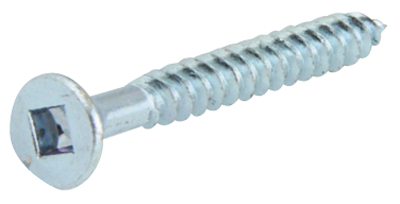
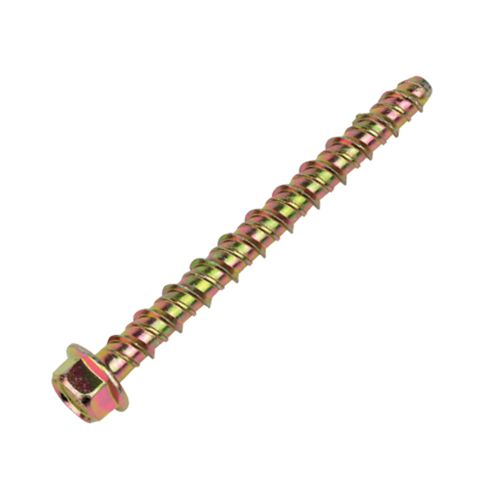
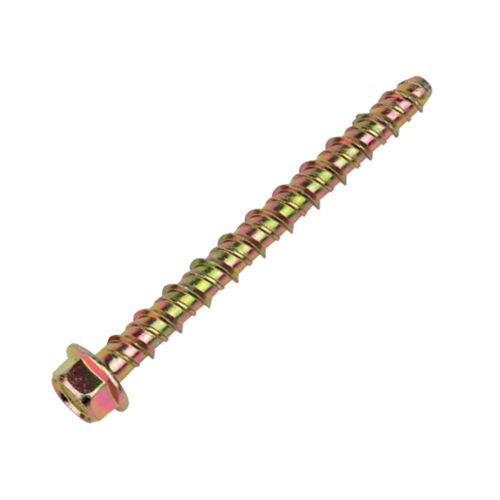
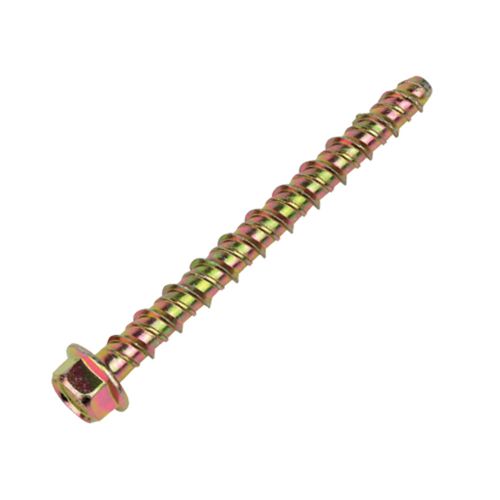
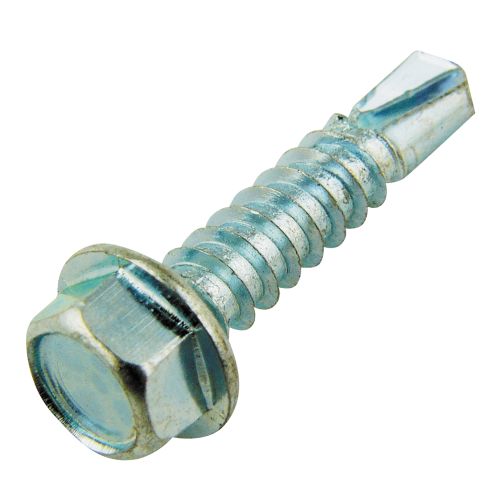
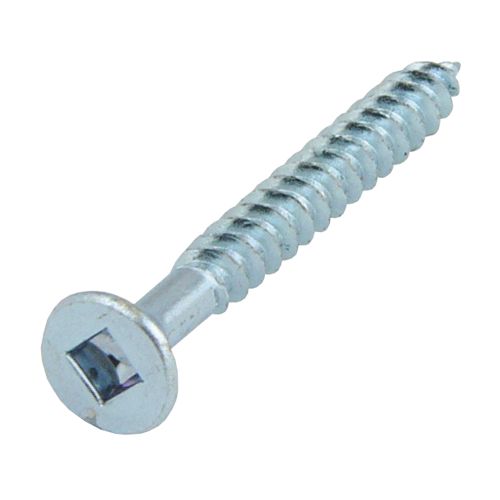
- Screws – Pozi and Square-Lok countersunk woodscrews, twinthread, chipboard, self-tapping, drillers and concrete screws.
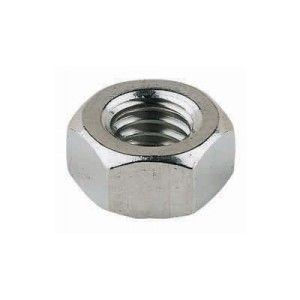
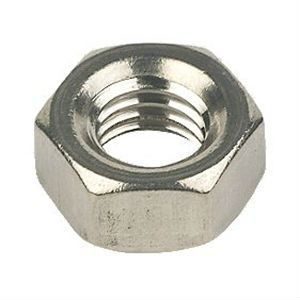
- Nuts, bolts and washers – hex bolts, roofing bolts, hex and nylon nuts, penny and spring washers.
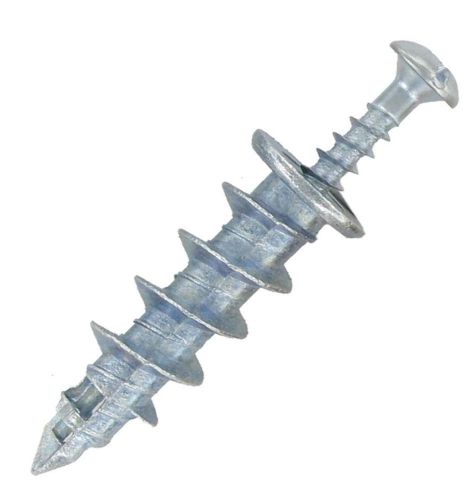
- Fixings and anchors – drop-in anchors, shield bolts, hammer fixings, spring toggles and Drivas plasterboard fixings.
- Plugs, nails, catenary wire and tapes – nylon wall plugs, clout nails, catenary kits and barrier tape.
Matching the fixing to the base material
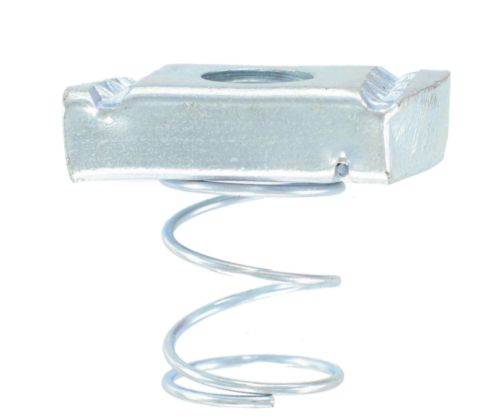
Solid concrete suits concrete screws or drop-in anchors with a set screw, both of which give high pull-out strength. Brick and block typically take wall plugs or hammer fixings for light to medium loads. For plasterboard, use self-drill Drivas-type fixings for lighter items or spring toggles where the load needs spreading behind the board. Steel strut and trunking are normally fixed with set screws, channel nuts and washers.
Finish and corrosion resistance
Bright zinc plated (BZP) and zinc finishes are fine indoors. Outdoors or in damp plant rooms, hot dipped galvanised or stainless fixings last longer. Brass screws are often used for electrical accessories and terminations because they do not rust.
Installation tips
Use the drill diameter and embedment depth stated by the manufacturer, clear dust from holes before inserting anchors, and avoid over-tightening, which can crack masonry or strip threads. Fixings supporting cables and containment should be suitable for the load and, where required, resist premature collapse in a fire; check current wiring regulations.
With 5,000+ products in stock and free delivery on orders over £30 or €35 ex VAT, Meteor makes it easy to add fixings to a cable or accessory order. Collect from Cookstown or ring 028 8675 1515 (048 from ROI) between 8am and 5pm.
FAQ's
- What are Nuts used for?
- What are Bolts used for?
- What are Washers used for?
- What are screws used for?
- What are Rawl plugs used for?
- What are Adhesive Tapes used for?
- What is the difference between a woodscrew and a self-tapping screw?
- Which fixings are suitable for supporting cables in a fire?
- What does BZP mean on screws?