
Information
What Is a Double Pole Isolator? Types, Ratings and How to Choose the Right Switch
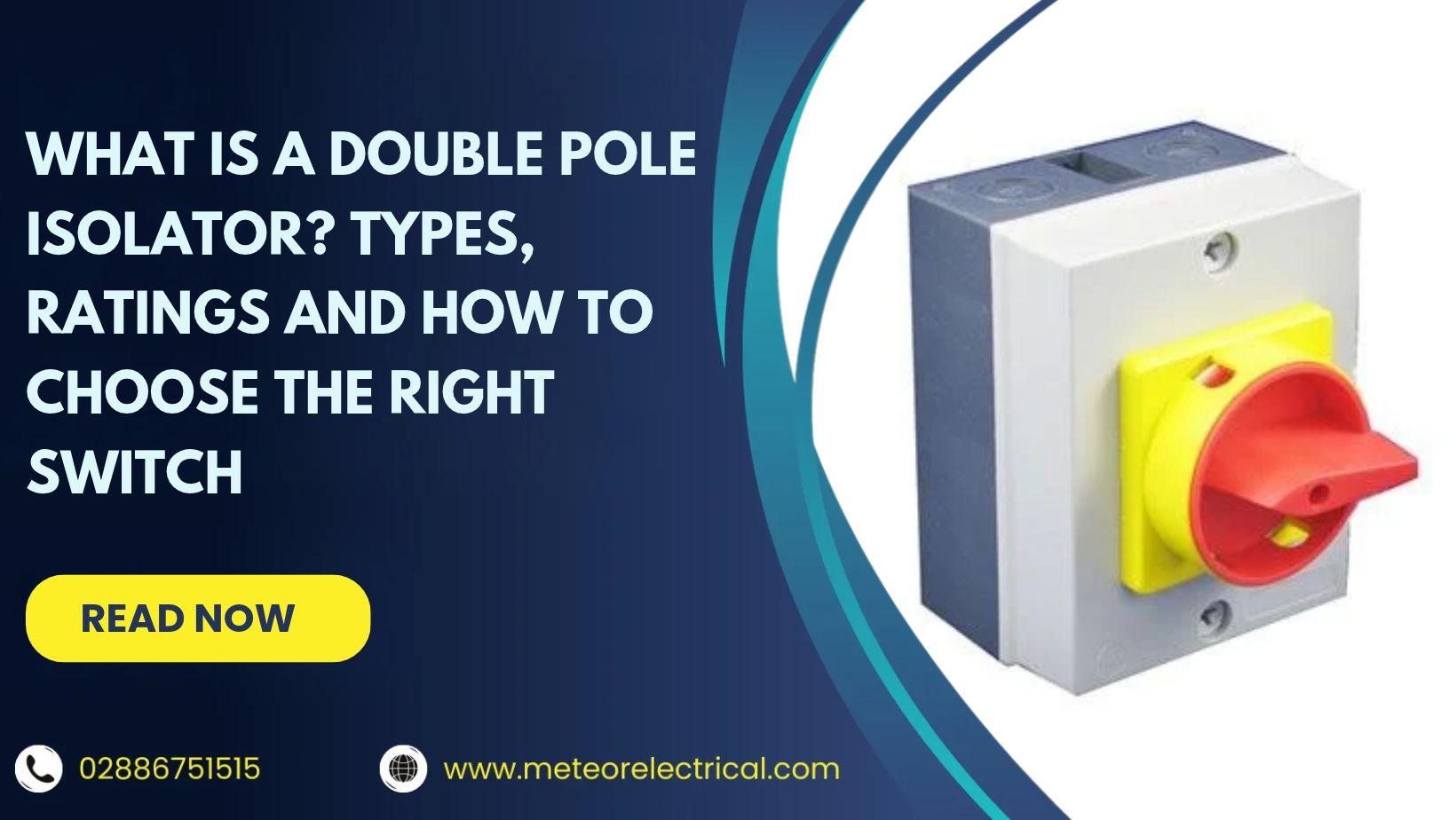
A double pole isolator is a manual switch that cuts both the live and neutral conductors together, so a circuit is properly disconnected before anyone touches it. It does not protect against overloads. Its job is safe isolation for maintenance, testing and repair. You will usually find one beside cookers, showers, fans and incoming supplies. Meteor Electrical stocks a wide choice, from compact 2-pole units to heavy-duty rotary isolators.
How Do Double Pole Isolators Work?
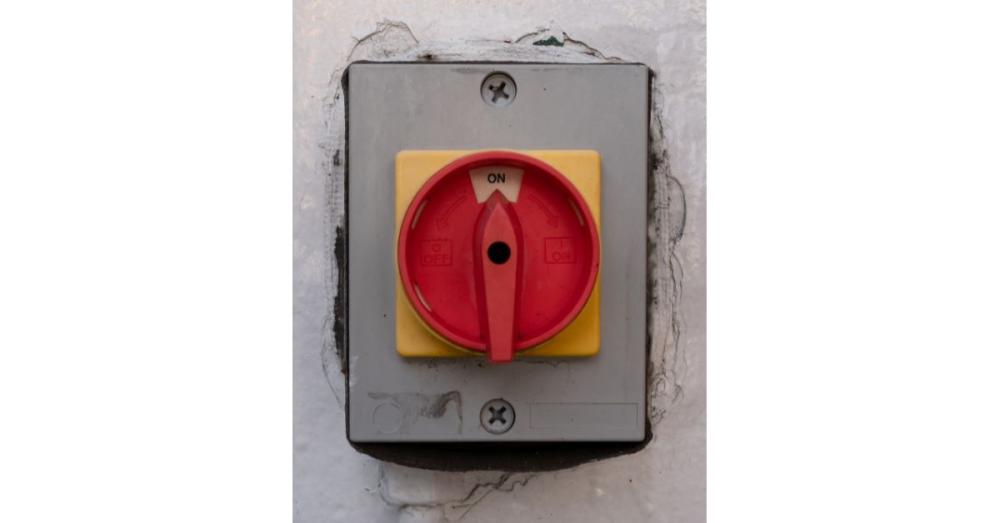
Think of an isolator as a deliberate gap in the wiring. Once it is OFF, the circuit is disconnected beyond the switch.
- Two poles, two breaks: One pole opens the live wire, and the other opens the neutral.
- Easy to read: Most units clearly show ON and OFF, making it easier to see the switch position.
- Made for isolating: It is designed for planned disconnection during repairs or checks, not as overload protection.
- Padlock ready: Many models let you fit a padlock in the OFF position to prevent reconnection while work is underway.
- Where you will see them: Cookers, electric showers, fans and other fixed appliances.
Where Does Safe Isolation Start With Mains Isolator Switches?
A mains isolator is a switch used to disconnect a circuit from the supply before work begins. A Garo 100A double pole unit, for example, can be used to isolate a supply and may support cable connections or busbar connections, depending on the installation. Always check the manufacturer's instructions and the device's markings.
Did You Know? Switching Off Does Not Always Mean Safe Isolation
Electrical work must not begin simply because a switch has been turned off. The supply must be isolated, tested with appropriate equipment to prove it is dead, and secured against accidental or deliberate reconnection. Follow applicable electrical safety procedures and use a qualified electrician.
Source: Thorne & Derrick
Which Double Pole Isolator Products Are Worth Knowing?
Here are six products from the Meteor Electrical range, from fan isolators to a 100A four-pole unit. Check each product page for current specifications, availability and suitability for your installation.
1. 20 Amp 3 Pole Polycarbonate Boxed Isolator Switch
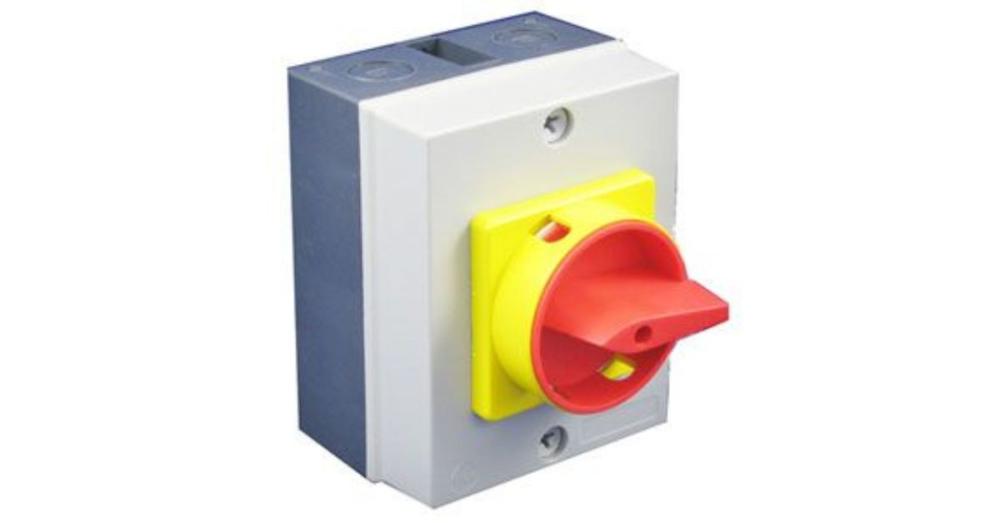
This surface-mounted enclosure has an IP65 rating, a flame-retardant body and cable knockouts. Its handle can accommodate a padlock. It may suit plant rooms, workshops and appropriate outdoor motor installations when its specifications match the application.
View product at Meteor Electrical2. Gewiss 32A 4P Rotary Isolator
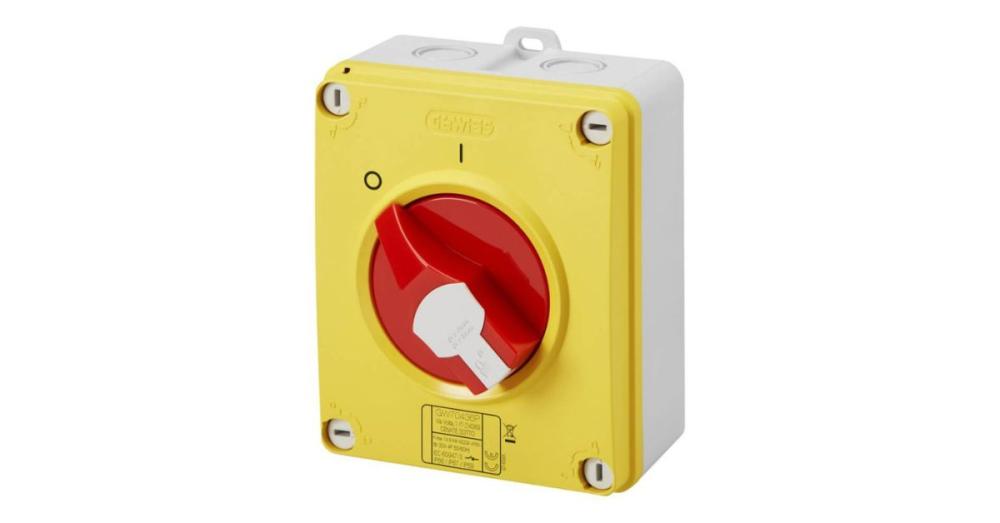
This four-pole rotary isolator is intended for applications where the three phases and neutral need to be switched. The product page provides further details about enclosure ratings, dimensions and locking options.
View product at Meteor Electrical3. SGRID360-447 10 Amp Fan Isolator Modular Switch
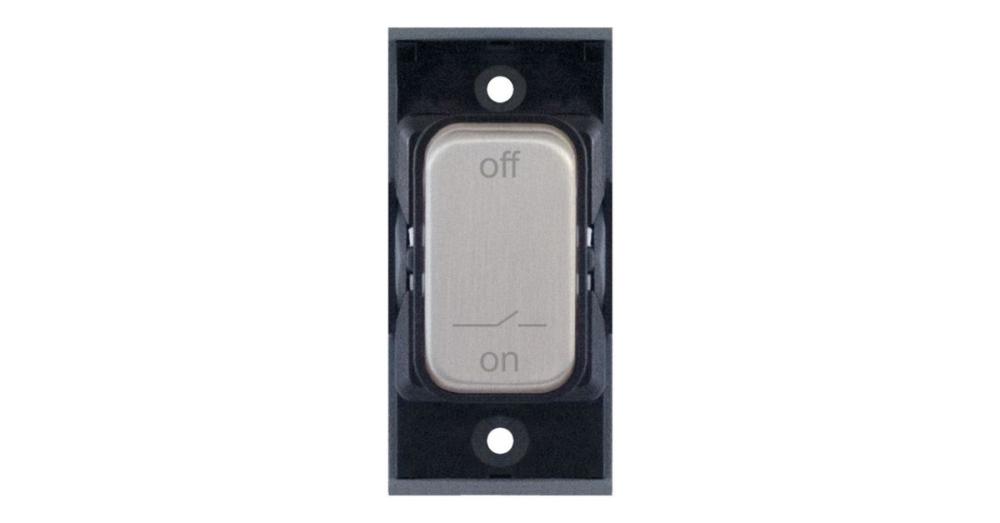
This Selectric GRID360 modular fan isolator is designed for use with compatible GRID360 plates. Check the manufacturer's product information for compatibility, installation requirements and finish options.
View product at Meteor Electrical4. Garo 100A 2 Pole Mains Isolator Switch
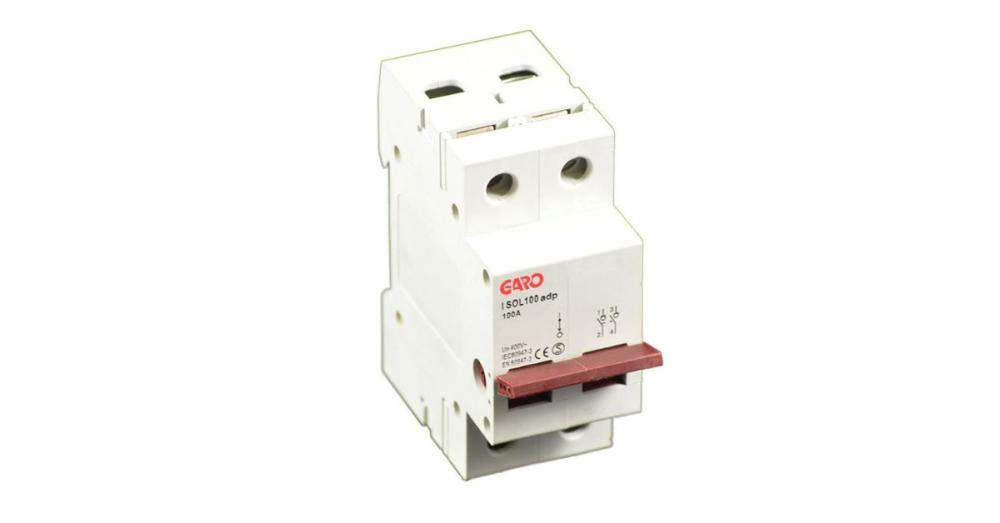
This two-pole mains isolator is designed for suitable supply isolation applications. Confirm the device's rating, mounting requirements and compatibility with the consumer unit before selecting it.
View product at Meteor Electrical5. 10 Amp 3 Pole Fan Isolator Switch — Black Nickel
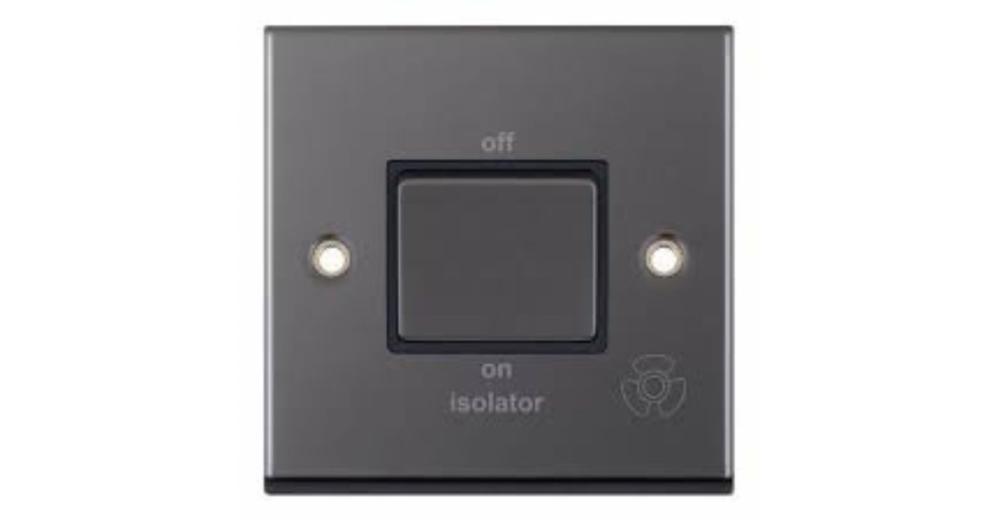
This Selectric 7M-PRO fan isolator has a black nickel finish. Check the product listing for dimensions, compatible accessories, wiring information and available finishes.
View product at Meteor Electrical6. GSV4100 100A 4 Pole Isolator Switch
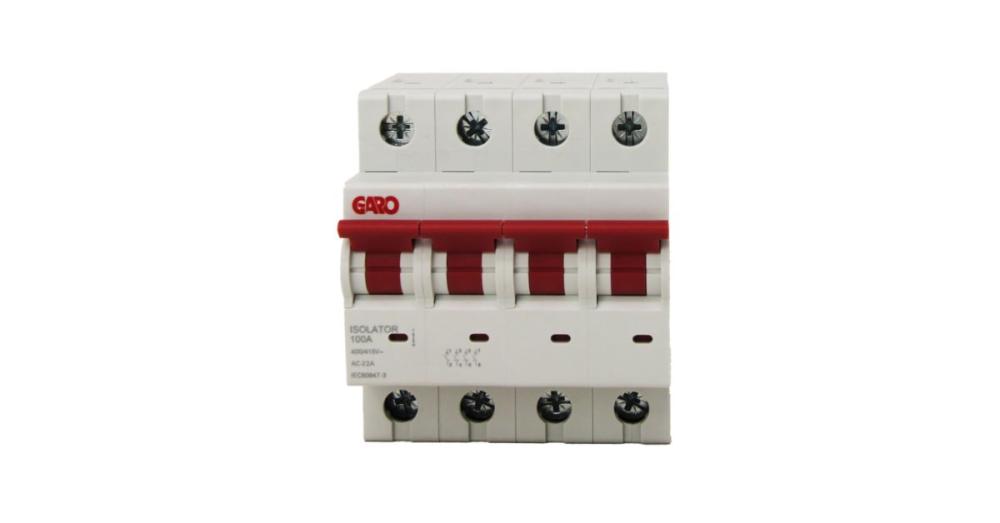
This four-pole isolator is intended for applications requiring the appropriate switching of three phases and neutral. Confirm its dimensions and compatibility with the distribution board or enclosure before installation.
View product at Meteor ElectricalProduct Comparison Table
| Product | Rating | Poles | Key Feature | Potential Application |
|---|---|---|---|---|
| Polycarbonate Boxed Isolator | 20A | 3 | IP65 enclosure | Suitable motor or plant installations |
| Gewiss Rotary Isolator | 32A | 4 | Rotary switching | Compatible three-phase equipment |
| SGRID360-447 Fan Isolator | 10A | 3 | Modular design | Compatible fan installations |
| Garo Mains Isolator | 100A | 2 | Mains isolation | Suitable single-phase supply |
| Selectric 7M-PRO Fan Isolator | 10A | 3 | Black nickel finish | Compatible fan installations |
| GSV4100 Isolator | 100A | 4 | Four-pole design | Suitable three-phase systems |
How Do You Choose the Right Double Pole Isolator?
- Count your phases: Single-phase applications commonly use two-pole isolation; three-phase applications may require four poles when the neutral also needs switching.
- Match the current rating: Select a device suitable for the circuit and connected load.
- Consider the location: Damp, dusty or outdoor locations may require an enclosure with an appropriate IP rating.
- Consider lockout: A lockable OFF position can help prevent accidental reconnection during maintenance.
- Check the available space: Confirm the isolator's dimensions and compatibility with the consumer unit or enclosure.
If you are unsure which isolator to choose, consult a qualified electrician.
Final Thoughts
A double pole isolator disconnects live and neutral together, providing a means of isolation before suitable electrical work begins. The right device depends on the circuit, current rating, number of poles, installation environment and manufacturer's specifications.
Explore the range at Meteor Electrical
Browse electrical equipment and isolator options on the:
Meteor Electrical website Browse isolator switchesKey Takeaways
- Total disconnection: A double pole isolator switches live and neutral together.
- Fixed appliances: Isolators are commonly used with suitable fixed equipment, such as cookers, showers and fans.
- Safety function: An isolator is not a substitute for overload or short-circuit protection.
- Lockable protection: Some models support locking in the OFF position.
- Correct selection: Match the poles, current rating and enclosure rating to the installation.
Frequently Asked Questions
1. What does a double pole isolator disconnect?
It switches both the live and neutral conductors. The circuit must still be tested with appropriate equipment to prove it is dead before work begins.
2. Can a rotary isolator be locked in the OFF position?
Some rotary isolators have a lockable OFF position. Check the manufacturer's information for the exact model and its locking arrangement.
3. What is the difference between 2-pole and 4-pole isolators?
A two-pole isolator switches two conductors, commonly live and neutral in a single-phase application. A four-pole isolator can switch three phases and neutral when appropriate for the installation.
4. Who should install a mains isolator?
Mains electrical work can be dangerous. Use a suitably qualified electrician who can assess the installation, follow applicable regulations and verify safe isolation.
5. What do IP65 and IP69 ratings mean?
These ratings describe protection against dust and water under specified test conditions. Choose an enclosure rating that suits the actual installation environment and the manufacturer's instructions.