
What Are the Best Cable Management Solutions for UK Electrical Installations?
What Are the Best Cable Management Solutions for UK Electrical Installations?
A cable left to its own devices is a fault waiting to happen. It sounds dramatic, but anyone who has pulled apart a badly wired loft or chased a fault through a tangle of unsupported cabling knows it's not far from the truth.
Cable management doesn't get much attention. Consumer units, sockets, and light fittings tend to hog the spotlight because they're the bits people actually see. Meanwhile, the trunking, conduit, and glands doing the quiet work behind the walls go completely unnoticed, right up until something goes wrong. Ask any contractor who's been doing this job for a while, and they'll tell you the same thing: a messy cable route is behind more call-backs and failed inspections than almost anything else on site. With regulations tightening and projects getting more complicated by the year, getting this part right matters more than it used to.
So, let's go through what actually works for UK electrical installations, from trunking and conduit to the smaller fittings that hold everything together. And why it pays to buy from cable management suppliers UK electricians already trust rather than whoever happens to be cheapest that week.
Why Bother Getting Cable Management Right?
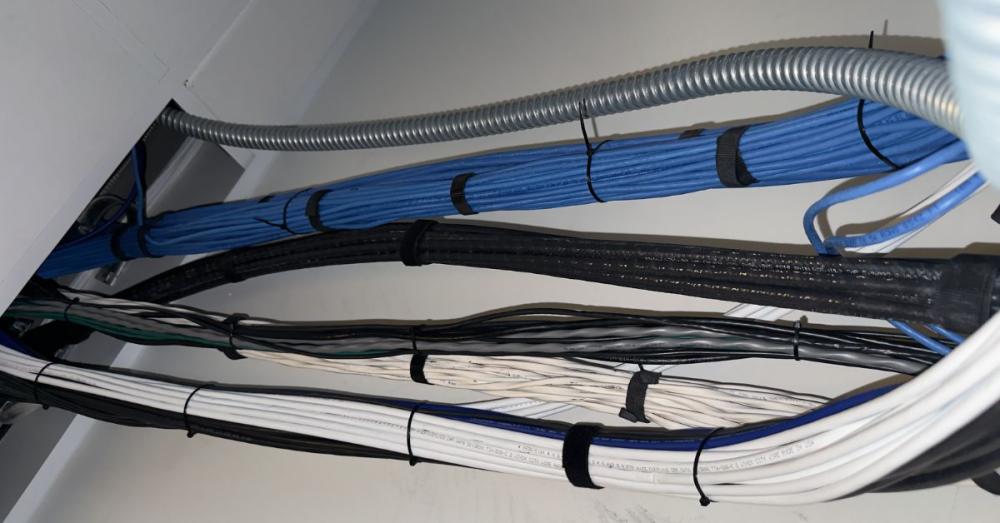
It's worth pausing here before jumping into products, because a lot of people underestimate how much this one category affects a job. Cabling that's badly routed or left exposed isn't just an eyesore. It creates problems that follow you long after the job's finished.
- Fire risk: cables enclosed properly in trunking or conduit help stop a fault from spreading, since the containment is built to hold in heat rather than let it travel.
- Passing inspection: BS 7671 expects cables to be supported and protected adequately, and skipping this step can mean a failed test or a headache with insurance further down the line.
- Fewer knocks and scrapes: cables that are clipped, boxed, or ducted properly don't get crushed or nicked as easily when other trades are working nearby.
- Easier fault-finding: an organised run means the next person testing or altering the circuit isn't left guessing where everything goes.
- Longer-lasting installations: shielding cable from damp, sunlight, and general wear means it simply lasts longer, which saves the client money down the road.
Trunking: Still the Backbone of a Tidy Installation

Trunking has stuck around as one of the most commonly specified products in UK jobs, and once you've used it properly, it's easy to see why. It gives you a clean way to route and protect a bundle of cables along one run, whether that's down an office corridor, through a school building, or across a warehouse floor.
Galvanised steel trunking tends to be the go-to for anything demanding. The pre-galvanised coating comes from dipping the steel sheet while hot, which leaves a smooth finish that shrugs off corrosion, chemicals, and general knocking about. If you're working somewhere lighter, like a domestic job or a straightforward office fit, plastic trunking usually does the job just as well and sits flatter against the wall.
Dado trunking, often split into three compartments, comes into its own in offices, schools, and hospitals, because it lets power, data, and comms cables run side by side without interfering with each other. That separation makes maintenance much less of a headache later on.
Sizes range from compact 50mm x 50mm sections all the way up to 150mm x 150mm, so there's usually a profile that fits whatever cable load you're dealing with.
Conduit: Built for Flexibility and a Rougher Ride
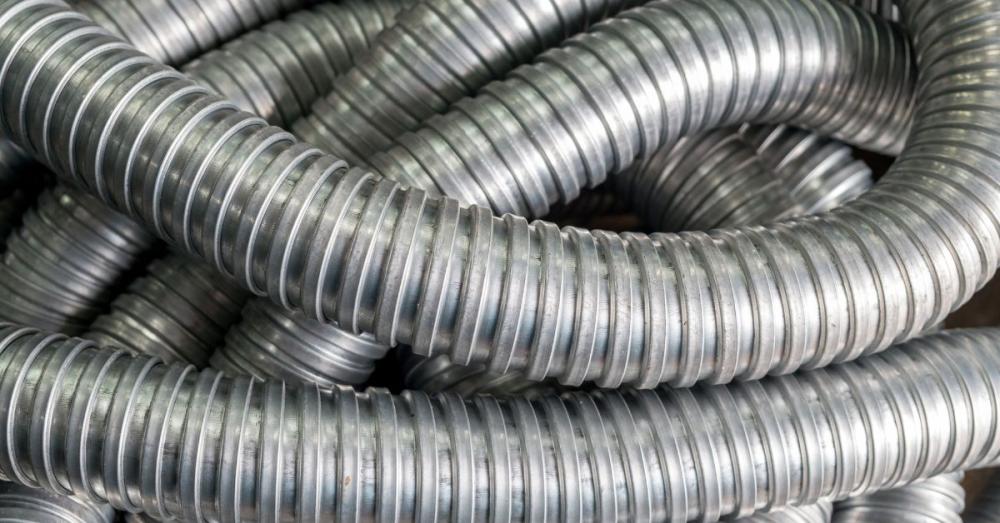
Where trunking bundles cables together, conduit does a different job. It protects a single run and carries power to wherever it needs to go, whether that's a specific fitting or an appliance.
There isn't just one type of conduit, either. UK sites tend to rely on a handful of variations depending on the conditions.
- Steel conduit holds up well under real physical stress, which is why it's often the choice on industrial sites.
- Galvanised conduit adds corrosion resistance on top of that strength, so it copes well in damp plant rooms.
- Flexible plastic conduit, made from corrugated polypropylene, bends around obstacles without a fight, saving time on awkward routes.
- Heavy-gauge LSF conduit is low smoke and fume, so it produces far less toxic output if there's ever a fire.
- Halogen-free options are turning up more often on commercial jobs where fire safety documentation is strict.
- Flexible metallic conduit gives good mechanical protection while still allowing for movement near machinery.
- Rigid PVC conduit is a cost-effective option for straightforward domestic runs where flexibility isn't a priority.
Conduit also shines outdoors or in damp conditions, since metal versions can even be submerged without losing performance, and it helps cut down on electromagnetic interference for anything sensitive.
Cable Trays and Baskets for Open Runs
On bigger commercial or industrial jobs, trays and baskets take over where trunking leaves off, supporting cables across open spans without boxing them in completely.
You'll see these most often in ceiling voids, plant rooms, and under raised flooring, where being able to get at the cables easily matters just as much as protecting them.
Galvanised trays and wire mesh baskets let air move freely around the cables, which stops things overheating on busy circuits carrying constant loads. They also make it far simpler to add cables later, since you can just lay a new run alongside the old ones instead of threading it through an enclosed conduit.
The formats you'll come across most on UK sites like Meteor Electrical are solid-bottom, perforated ladder, wire mesh, and channel-type trays, each suited to a different combination of cable weight, span, and environment.
Source - TCI Productions
Six Fittings Worth Knowing Before Your Next Job
No cable management job is finished without the small stuff; glands, boxes, brackets, the parts that don't look like much but quietly do the heaviest lifting. Here's a look at six worth having on the van.
1. Deligo 20mm Nylon Cable Gland IP68 (6-12mm)
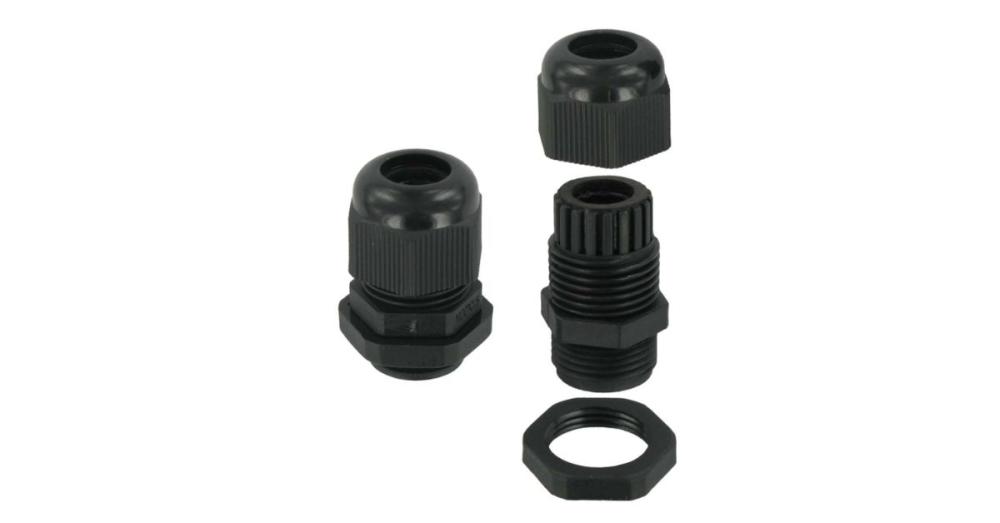
A nylon gland rated to IP68, meaning it holds up against water and dust getting into an enclosure. Worth having on hand any time cables are entering a box in a location where moisture is genuinely a risk.
2. Termination Technology IP44 Lightning Connection Box
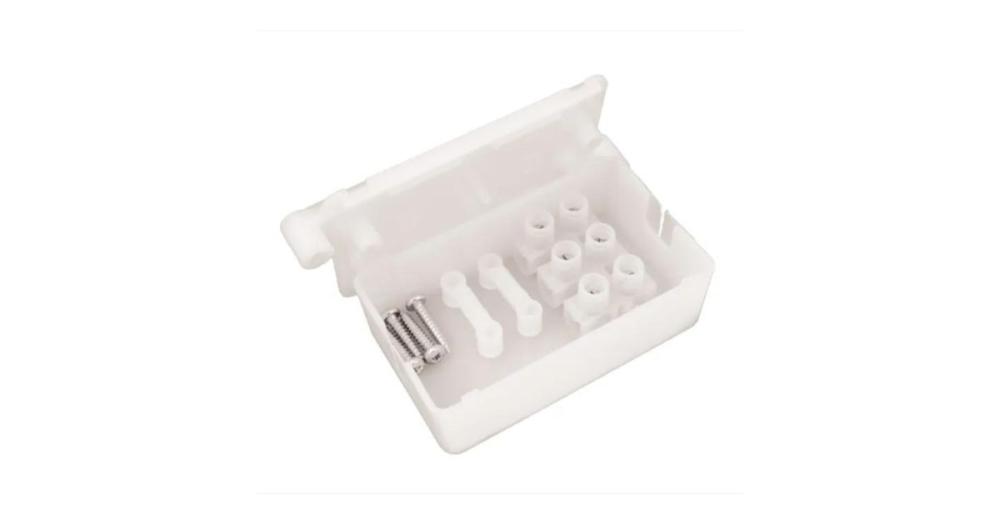
Built for outdoor use, this box carries an IP44 rating and gives installers a solid, accessible point to terminate lightning protection cabling without worrying about the weather getting in the way.
3. Zahler 2 Gang 35mm Steel Box
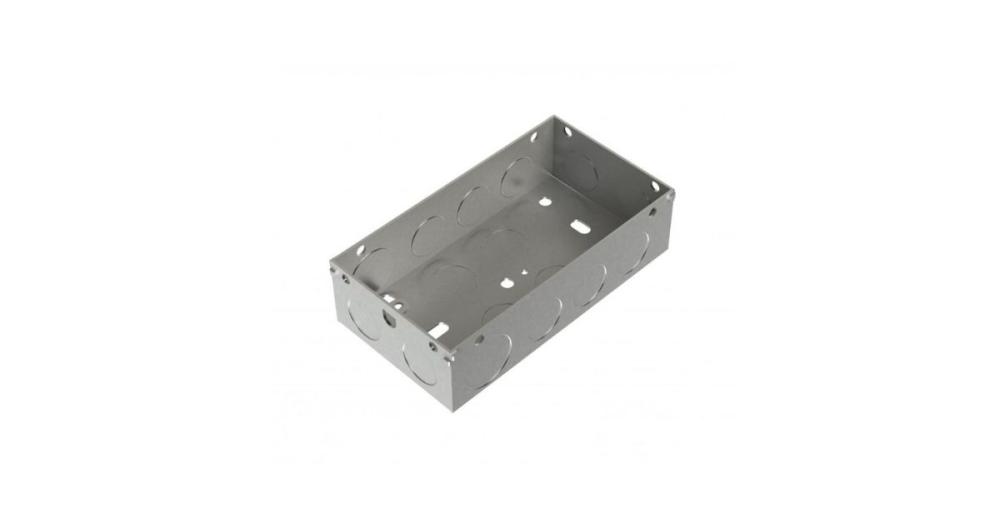
A sturdy steel back box with enough depth to house twin accessories properly, which makes it a sensible choice on commercial or industrial jobs where a flimsy plastic box just won't cut it.
4. Metpro 75mm Top Hat Bracket
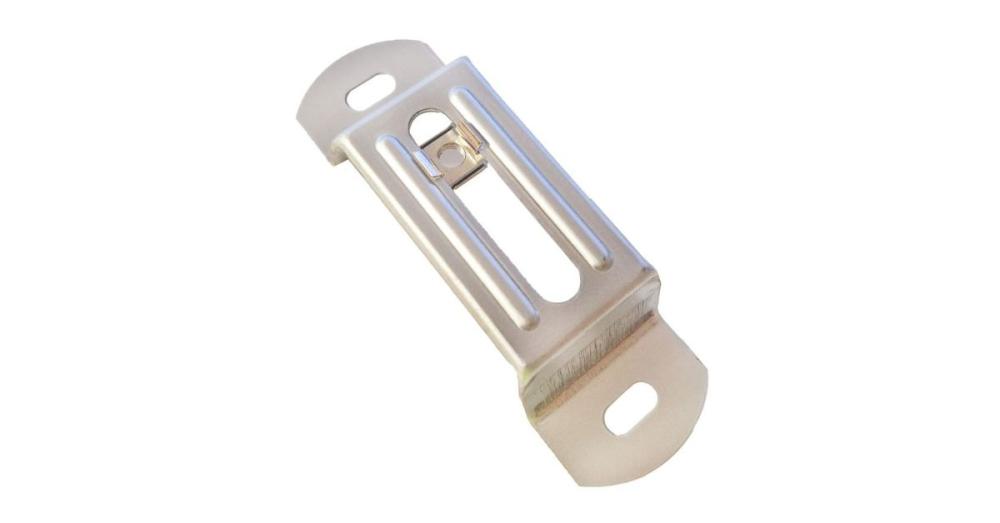
Keeps cable trays and containment sitting at a consistent height along a run, which makes it far easier to get a neat, level finish across a ceiling or wall without a dozen extra fixing points.
5. Univolt 25mm Heavy Gauge White LSF Conduit (3m)

Built to low smoke and fume standards, this conduit offers solid mechanical protection while still ticking the fire safety boxes that come up on most commercial specs.
6. Deligo Round Junction Box with Grommets IP44
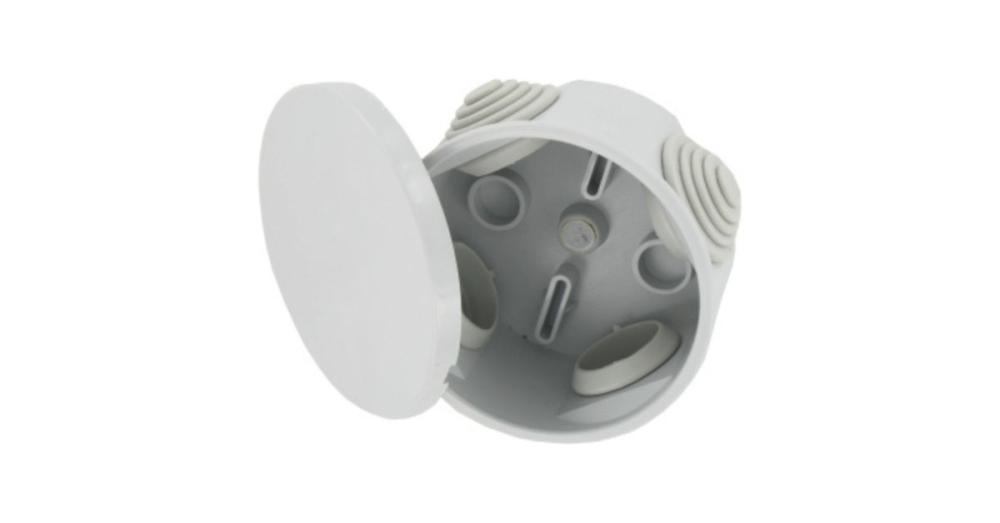
Comes with grommets built in for a tidy cable entry, and the IP44 rating means it's a quick, compliant way to join or branch a circuit even in a semi-exposed spot.
What to Look for in a Supplier
Buying decent products is only half of it. Who you buy from affects how quickly the job actually gets finished, and whether you're stuck waiting on stock halfway through.
A few things are worth checking before you commit to a supplier for an upcoming project.
- Make sure they stock recognised brands carrying proper BS EN certification.
- Check whether next-day or same-day delivery is available for anything time-sensitive.
- Look into trade accounts, since these usually mean faster checkout and better pricing.
- Ask if there's technical support on hand if you get stuck on a spec.
- Find out how reliable their stock levels are for bulk or ongoing orders.
- Compare warranty terms, since they can vary more than people expect.
- Check the returns policy in case you order too much of something.
The cable management suppliers UK contractors keep going back to tend to tick most of these boxes at once, which is really what you're after: not having to think twice about whether the order will turn up on time and in one piece.
A Few Habits That Save Time on Site
Getting the spec right the first time saves both money and hassle later. A handful of habits go a long way toward avoiding the usual pitfalls.
- Work out cable fill percentages before deciding on trunking or conduit sizes.
- Match the containment material to where it's going: damp, dry, or somewhere corrosive.
- Keep power and data cabling separate wherever segregation rules apply.
- Reach for LSF or halogen-free products in enclosed public buildings.
- Leave room for future circuits when sizing trunking, not just what's needed today.
- Stick to IP-rated glands and boxes anywhere outdoors or exposed to wet.
- Respect manufacturer bend radii so the cable insulation isn't put under strain.
Wrapping Up
Cable management isn't the flashiest part of an electrical job, but it might be one of the most important. Between galvanised trunking, flexible conduit, glands, brackets, and junction boxes, each piece plays its part in keeping a system safe and easy to work on for years after the job is signed off.
It starts with buying the right products from somewhere you can trust. Meteor Electrical has built a name as one of the cable management suppliers UK electricians and contractors return to again and again, with a genuinely wide range across trunking, conduit, trays, boxes, and accessories, backed by fast delivery and trade account perks that make ordering straightforward rather than another job to worry about. Visit our website and explore more today!
Frequently Asked Questions
Q1. What is cable trunking actually for?
It organises and conceals several cables along one route, keeping them protected from damage while the installation stays tidy and compliant.
Q2. Should I use metal or plastic conduit?
Metal suits harsher, high-risk environments better, while plastic works fine for lighter domestic or commercial jobs needing more flexibility.
Q3. Why bother with IP-rated junction boxes?
They stop water and dust from getting in, which matters anywhere outdoors, damp, or exposed to the elements on site.
Q4. What does LSF mean for cable management?
Low smoke and fume, meaning less toxic output if there's a fire, which helps meet stricter building safety standards.
Q5. How do I pick a decent supplier?
Look for certified brands, quick delivery, solid trade account perks, and technical support before settling on one supplier.