
Why Use Cable Trunking? Cleaner, Safer and Smarter Wiring
Why Use Cable Trunking? Cleaner, Safer and Smarter Wiring
Messy cables do more than spoil the look of a space. They can create trip hazards, expose wiring to damage and make maintenance far more difficult than it needs to be. That is why cable trunking remains one of the most practical cable management solutions for homes, offices, commercial buildings and industrial sites.
Whether you are fitting out a new workspace, upgrading an electrical installation or improving surface cable management, cable trunking helps keep wiring protected, organised and easy to access. From compact mini trunking for light-duty jobs to heavy-duty galvanised steel trunking for demanding environments, the right system can improve safety, support compliance and give your installation a more professional finish.
What Is Cable Trunking?
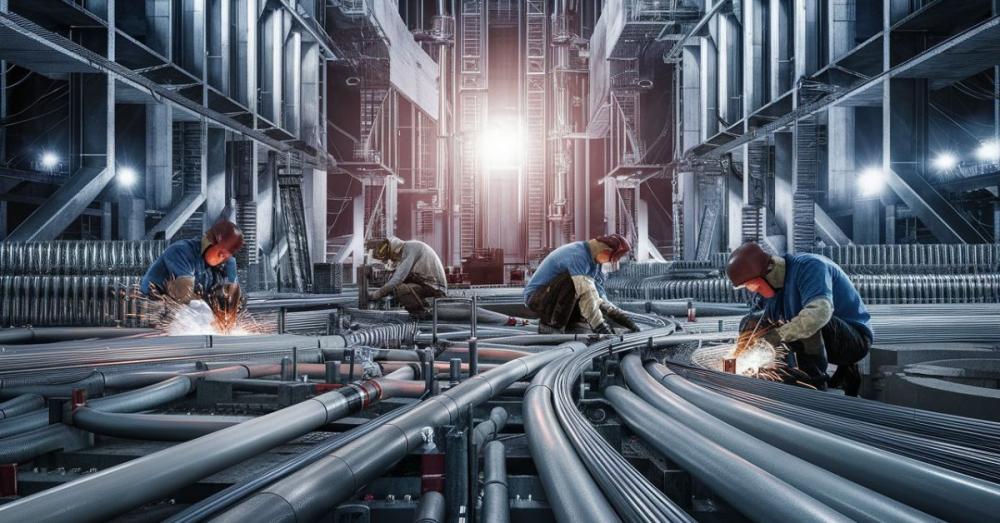
Cable trunking is a protective enclosure used to route and conceal electrical cables. It is usually rectangular or square in shape and designed with a removable lid or clip-on cover, making it easier to inspect, add or replace cables when needed.
How cable trunking works?
Instead of leaving wires exposed along walls, ceilings or work areas, trunking keeps them contained in a secure channel. This reduces clutter while protecting cables from knocks, moisture, dust and general wear. In many installations, electrical cable trunking is also used to separate services, improve cable layout and create a tidier, more efficient system overall.
Why Use Cable Trunking?
If you want a wiring system that looks cleaner and performs better over time, cable trunking is a smart choice.
1. Improves safety
Loose or exposed wiring can lead to trips, cable damage and accidental contact. Cable trunking helps reduce these risks by keeping wires enclosed and away from daily traffic. In the right environment, it can also support protection against dust and water ingress when paired with the correct product specification.
2. Protects cable life
Cables that are left open to impact, abrasion or environmental exposure are more likely to fail early. Trunking adds a protective layer that can help extend cable life and reduce replacement costs.
3. Creates a cleaner finish
A neat cable route instantly improves the appearance of a room, plant area or office. This is especially important in customer-facing spaces, schools, healthcare settings and commercial interiors where presentation matters.
4. Makes maintenance easier
Because trunking systems are accessible, electricians and maintenance teams can inspect, modify or replace wiring without opening walls or disturbing large parts of the installation. That saves time and helps minimise downtime.
Where External Cable Trunking Works Best
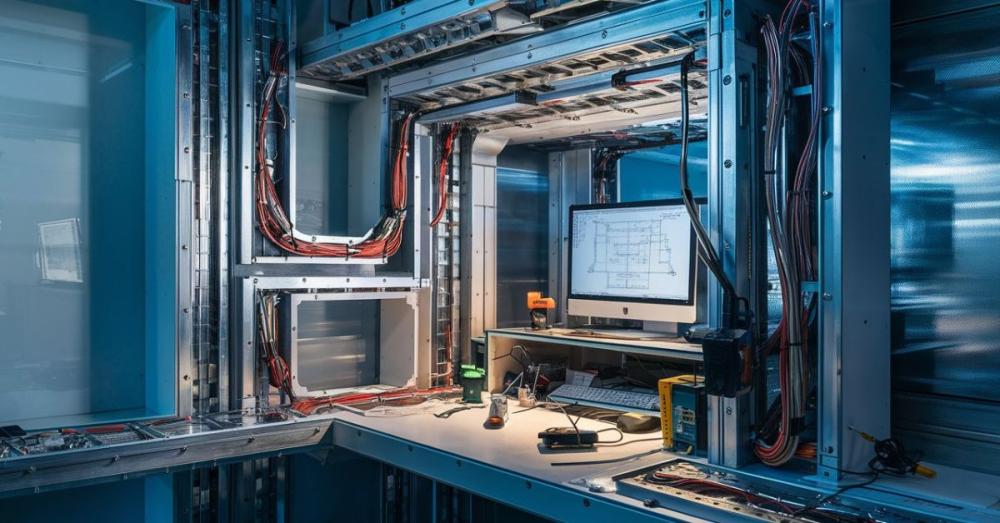
External cable trunking is designed for areas where cables need extra protection from weather, dirt or physical damage. It is commonly used on building exteriors, service yards, warehouses, car parks and industrial facilities.
In these environments, outdoor cable management must be practical as well as durable. External cable trunking can help keep installations tidy while shielding cables from rain, UV exposure and accidental impact. It is also useful where surface-mounted wiring is the most efficient option and a neat finish is still important.
For outdoor use, choosing the correct material and rating matters. PVC cable trunking is often suitable for lighter applications, while galvanised steel trunking may be better for heavy-duty or high-risk settings. Selection should always reflect the installation environment, the cable load and the relevant site requirements.
Types of Cable Trunking Systems
Different projects call for different trunking systems. The best option depends on cable volume, location, mechanical protection needs and the overall look you want to achieve.
1. PVC cable trunking
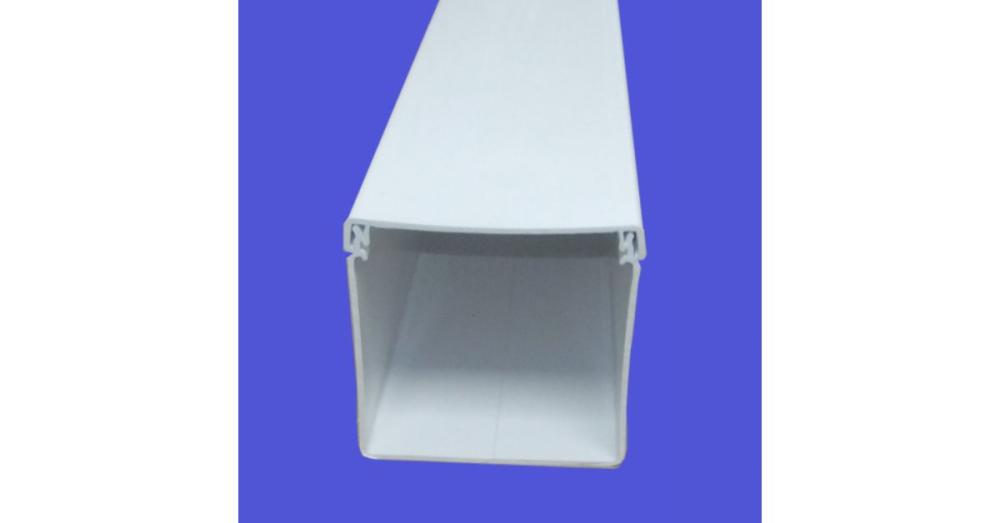
PVC cable trunking is popular because it is lightweight, cost-effective and simple to install. It is widely used in residential and commercial interiors where a clean appearance and straightforward cable routing are the priority. It is also available in multiple PVC trunking sizes, making it easy to match the system to the job.
2. Mini and maxi trunking
Mini trunking is ideal for smaller cable runs, such as data cables, alarm wiring or domestic electrical additions. Maxi trunking is better suited to larger cable bundles and busier installations where extra space is needed. Both are useful for surface cable management and retrofits.
3. Galvanised steel trunking
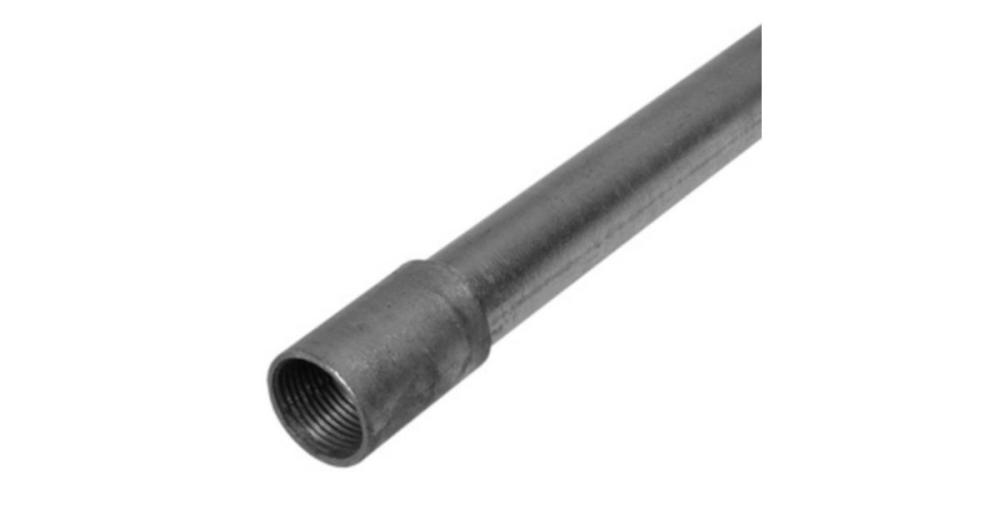
Galvanised steel trunking offers a higher level of strength and durability. It is often chosen for industrial premises, plant rooms and commercial environments where cables need stronger mechanical protection. It also works well where long-term performance is critical.
4. Multi-compartment trunking
Multi-compartment systems allow different cable types or voltages to be separated within one enclosure. This is useful in offices, schools and technical spaces where power, data and communications cabling run side by side.
How to Choose the Right Cable Trunking Size
Choosing the correct cable trunking sizes is just as important as choosing the material. If the trunking is too small, it can be difficult to install cables neatly or allow for future additions. If it is too large, the finish may look oversized and inefficient.
Common cable trunking sizes include
- 50mm×50mm
- 75mm×50mm,
- 100mm×50mm,
- 100mm×100mm and larger profiles for industrial use.
The right size depends on cable quantity, cable diameter, bend radius and the need for future expansion.
Source - eFIXX
Did You Know?
A trunking system that is sized with future maintenance and extra cable capacity in mind can save significant labour costs later. It is often more economical to install the right cable containment systems once than to replace an undersized one after the site is live.
As a rule, think beyond today’s cable run. Consider how easy the system will be to access, whether services need separating and whether the location calls for stronger impact or weather resistance.
Key Takeaways
- Cable trunking keeps wiring neat, protected and easier to maintain.
- It improves electrical safety by reducing exposure, clutter and trip hazards.
- PVC cable trunking is ideal for many indoor projects, while galvanised steel trunking suits tougher environments.
- External cable trunking is a practical option for outdoor and surface-mounted installations.
- Choosing the correct cable trunking sizes helps with cable protection, airflow and future expansion.
- A well-planned trunking system supports a cleaner finish and a more professional installation.
Conclusion
Cable trunking is one of the simplest ways to improve the safety, appearance and long-term performance of an electrical installation. Whether you need compact PVC cable trunking for a clean internal finish or durable galvanised steel trunking for a demanding commercial setting, the right solution makes cable management easier from day one.
If you are sourcing reliable cable trunking for professional projects, Meteor Electrical is a leading wholesale electrical supplier for UK and European markets, trusted by electrical contractors and facilities managers alike.
Explore the range at https://www.meteorelectrical.com/ and find high-quality cable containment systems built for practical performance, compliance support and a polished finish. Upgrade your next installation with confidence and choose Meteor Electrical for cable trunking that works as hard as you do.
FAQs
1. What is cable trunking used for?
Cable trunking is used to contain, protect and organise electrical cables. It improves safety, tidies visible wiring and makes maintenance more efficient.
2. Is cable trunking better than leaving cables exposed?
Yes. Cable trunking offers better protection against impact, dust and accidental contact, while also improving appearance and reducing trip hazards.
3. Can cable trunking be used outdoors?
Yes, external cable trunking can be used outdoors when the product is suitable for the environment and installed to the correct specification.
4. What is the difference between conduit and trunking?
Conduit usually encloses individual cable runs in a tube, while trunking is a larger enclosure that can carry multiple cables and is easier to access for changes.
5. Which is better, PVC or galvanised steel trunking?
PVC is often best for cost-effective indoor use, while galvanised steel trunking is better for heavy-duty applications that need stronger mechanical protection.
6. What size cable trunking do I need?
The correct size depends on the number of cables, cable diameter, installation route and whether you need extra space for future expansion.
7.bIs mini trunking suitable for home projects?
Yes, mini trunking is a popular choice for domestic surface wiring, especially when you want a neat finish without chasing cables into walls.
8. Does cable trunking help with compliance?
It can support safer, tidier installations, but the full system must still be selected and installed in line with relevant standards, site conditions and manufacturer guidance.