
How to Choose the Right Trailing Socket for Home, Trade and Site Use
How to Choose the Right Trailing Socket for Home, Trade and Site Use
A trailing socket is simply an extension lead with more than one outlet on the end of a length of cable, letting you run power to where a wall socket cannot reach. Choosing the right one comes down to matching the number of gangs, cable length and amperage to the job at hand, while checking it carries the correct safety standard. Meteor Electrical stocks a wide range of these accessories, from compact 1-gang leads to heavy-duty site versions, and this guide walks through what to look for before buying.
In this blog post, we will cover the different types available, the main factors that influence your choice, where trailing sockets are commonly used, and how to check one is safe before you plug it in.
Trailing Socket vs Extension Lead: Is There a Difference?
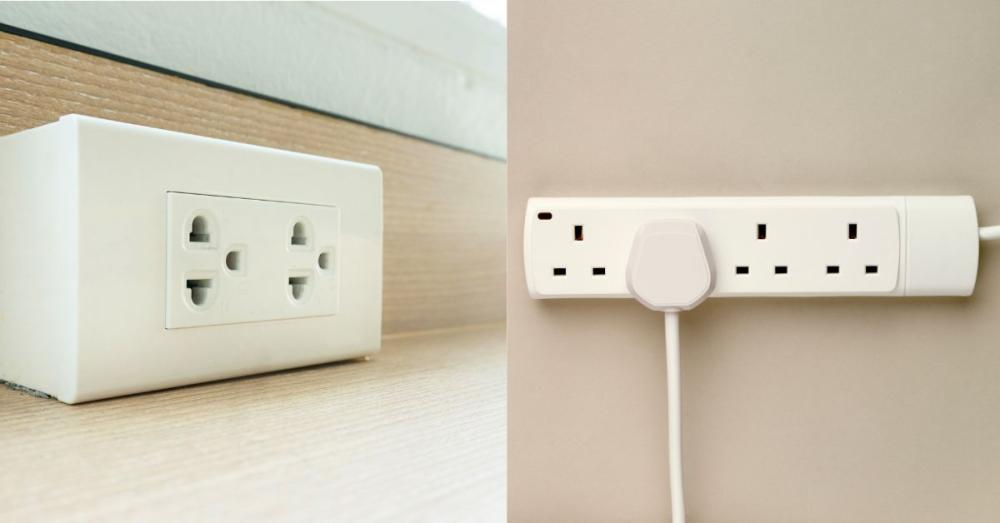
In practice, the two terms describe the same product. A trailing socket is a length of flexible cable fitted with a plug on one end and one or more sockets on the other, allowing appliances to be used further from the mains than the fixed wiring allows. Some trade counters use "trailing socket" for the single or twin-outlet type and "extension lead" for the multi-gang version, but the construction and purpose are identical.
| Term | Typical Use | Common Gang Count |
|---|---|---|
| Trailing Socket | Site tools, single appliance, workshop use |
1 or 2 gang |
| Extension Lead | Home, office, multiple appliances | 3 to 6 gang |
Is a trailing socket the same as an extension lead?
Yes, a trailing socket and an extension lead are essentially the same product. Both extend power from a fixed socket via a flexible cable fitted with one or more outlets, and the terms are often used interchangeably by electrical suppliers.
What Types of Trailing Sockets Are Available?
Trailing sockets come in several formats to suit different environments, from a single spare outlet in a home office to rugged units built for building sites. Below is a rundown of the main types found in a typical electrical range.
- 1-gang trailing sockets: A single extra outlet, ideal for one appliance, often fitted with a neon indicator to confirm power.
- 2-gang and multi-gang options: Extension leads with two to six sockets, suited to running several devices from one supply point.
- Heavy-duty trailing sockets: Reinforced casing and rubber construction designed for site use, workshops and outdoor conditions.
- USB extension leads: Combine standard sockets with USB charging ports, useful for phones, tablets and other low-voltage devices.
- Surge-protected extension leads: Include built-in protection against voltage spikes, safeguarding sensitive electronics.
- Compact extension leads: Short, space-saving leads designed for tight areas such as under a desk or behind furniture.
How to Choose the Right Trailing Socket
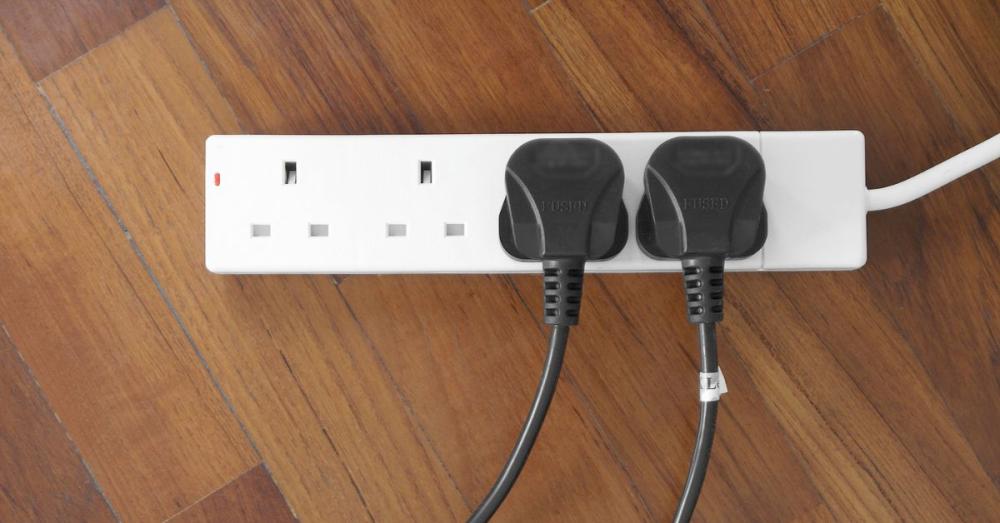
Really, it comes down to three things: how you'll use it, how much power it needs to handle, and where it'll actually sit day to day. Here are the four factors that matter most.
- Number of Gangs: Work out how many things need power at once, then pick a lead with a socket or two spare for later.
- Cable Length: Measure the distance to where power is needed and add a bit extra, so the lead isn't pulled tight.
- Amperage and Power Requirements: Add up everything you'll be plugging in and keep it within the standard 13A rating.
Standard vs Heavy-Duty Construction: A standard lead is fine indoors, but if it's going anywhere near a site or the weather, go heavy-duty.
Additional Features
Beyond the basics, several extra features can make a trailing socket more practical for everyday use. Consider which of these would genuinely benefit your setup before choosing a model.
- USB charging for phones and tablets
- Surge protection for sensitive electronics
- Neon indicators to confirm live power
- Switching options for individual sockets
- RCD protection where applicable on site leads
Where Can You Use Trailing Sockets?
Trailing sockets suit a wide range of settings, from everyday household tasks to demanding trade and construction environments. Their flexibility makes them one of the most reached-for items in any electrician's van or homeowner's toolbox.
- Powering kitchen appliances such as slow cookers or mixers away from the wall
- Running desk setups with laptops, monitors and chargers in a home office
- Supplying power tools on a building site or renovation project
- Extending power to garden lighting, pressure washers or hedge trimmers
- Feeding temporary lighting rigs at events, markets or exhibitions
Trailing Socket Safety: What Should You Check?
Before plugging in a trailing socket, it pays to check a few basic safety points, particularly if the lead has been stored for a while or used outdoors. A damaged or overloaded lead is one of the more common causes of electrical faults in both homes and workplaces. Run through this checklist before each use.
- Confirm the lead carries the BS 1363/A standard marking
- Unwind the cable fully before use to prevent overheating
- Check the plug, casing and cable for cracks or exposed wire
- Never exceed the total 13A rating across all connected appliances
- Keep outdoor use limited to leads rated for weatherproof conditions
- Avoid daisy-chaining multiple extension leads together
- Switch off and unplug when not in use for extended periods
Source - PARTH Extension Lead
Is it safe to leave an extension lead plugged in?
It is generally safe to leave a trailing socket plugged in when it is undamaged, not overloaded and not left powering unattended high-draw appliances. Unplugging when not needed reduces wear and lowers any fire risk further.
Which Trailing Socket Do You Need? Quick Selection Guide
Matching the product to the task becomes far easier once the requirement is clear. Use the table below as a quick reference point when narrowing down your options.
| Requirement | Suitable Option |
|---|---|
| Extra socket for one appliance | 1-gang trailing socket |
| Multiple devices at a desk | 4 to 6 gang extension lead |
| Charging phones and tablets | USB extension lead |
| Protecting computer equipment | Surge-protected extension lead |
| Site tools and outdoor work | Heavy-duty trailing socket |
| Tight or awkward spaces | Compact extension lead |
Featured Trailing Sockets and Extension Leads at Meteor Electrical
1. AVSL 6 Gang Extension Lead 2m
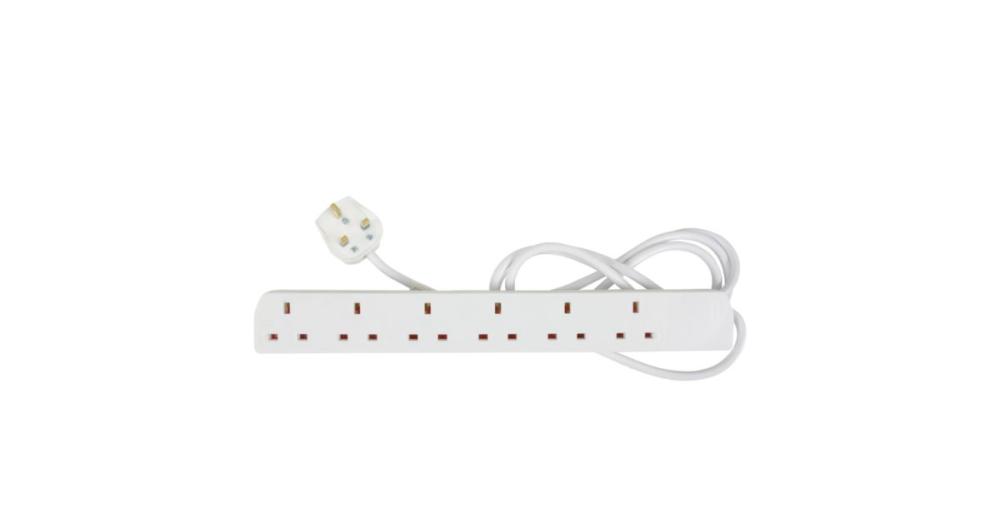
The AVSL 6 Gang Extension Lead 2m gives you six sockets off a 2-metre cable, rated at 230Vac and 13A with a UK plug already fitted. It's white, wall-mountable via the keyhole slots on the back, and small enough to tuck into an office, workshop or utility room without getting in the way. Built to BS1363/A, so nothing unusual there, just a solid, no-nonsense option when several appliances need feeding from one spot.
2. Selectric 4 Gang 13 Amp Unswitched Extension Lead 5m
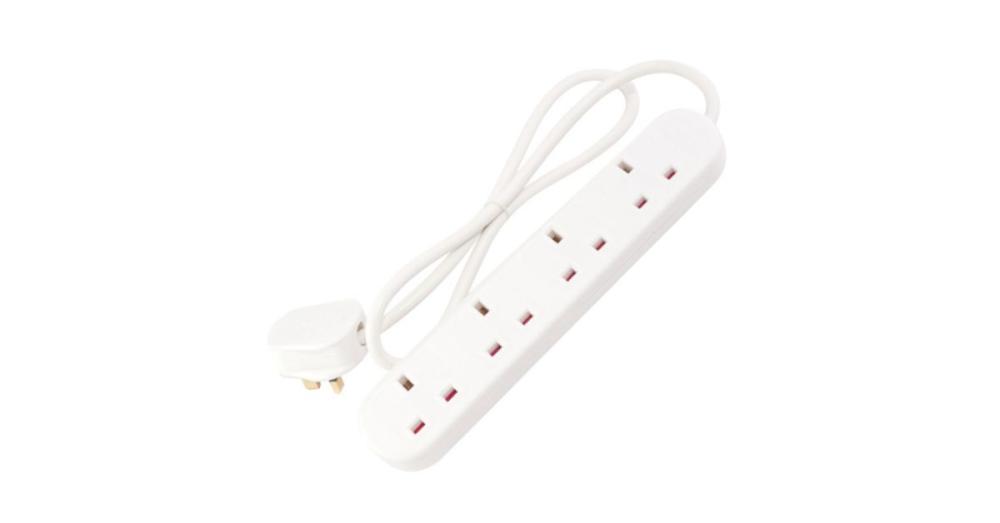
Then there's the Selectric 4 Gang 13 Amp Unswitched Extension Lead 5m, which has a longer 5-metre cable and a polycarbonate body that holds up well over time. It's wall-mountable; the mounting holes sit 108mm apart, and Selectric prints the wiring instructions right on the back of the socket, a small touch that saves a bit of hassle. Rated for domestic use up to 240V and 3kW, it's a good pick when the power source is that bit further away.
3. Selectric 6 Gang 13 Amp Unswitched Extension Lead 2m
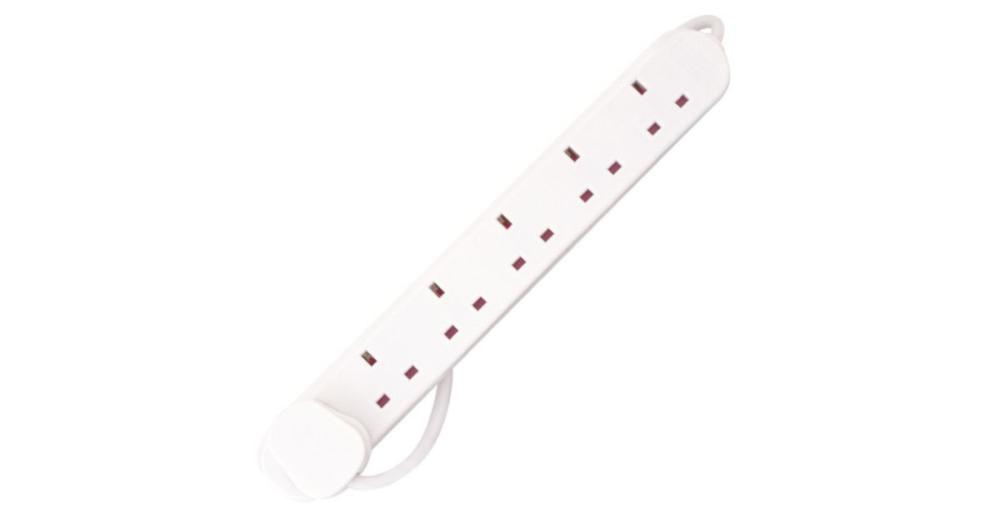
Its shorter sibling, the Selectric 6 Gang 13 Amp Unswitched Extension Lead 2m, packs the same six sockets into a 2-metre lead instead, which makes more sense when everything you're powering is already close together, say around a workbench or a media unit. Same BS 1363/A build quality, just a different length for a different job.
4. Click 13 Amp 1 Gang Trailing Socket + Neon
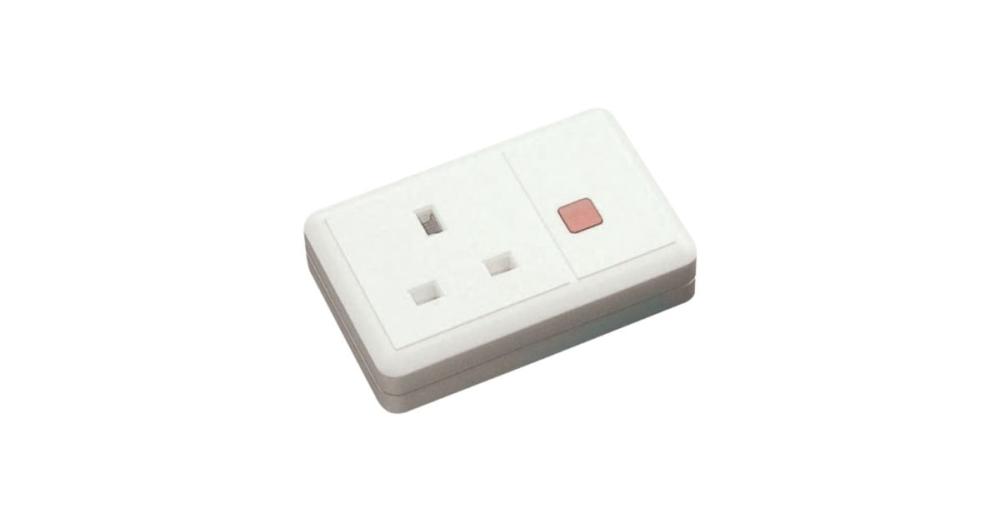
For something simpler, the Click 13 Amp 1 Gang Trailing Socket + Neon is about as straightforward as it gets: one extra outlet in white, with a neon light that confirms it's live. Not much to say beyond that, really; it does exactly what you'd want from a single spare socket, whether that's for one appliance at home or a temporary connection in a small workspace.
5. Selectric 2 Gang 13 Amp Heavy Duty Trailing Socket
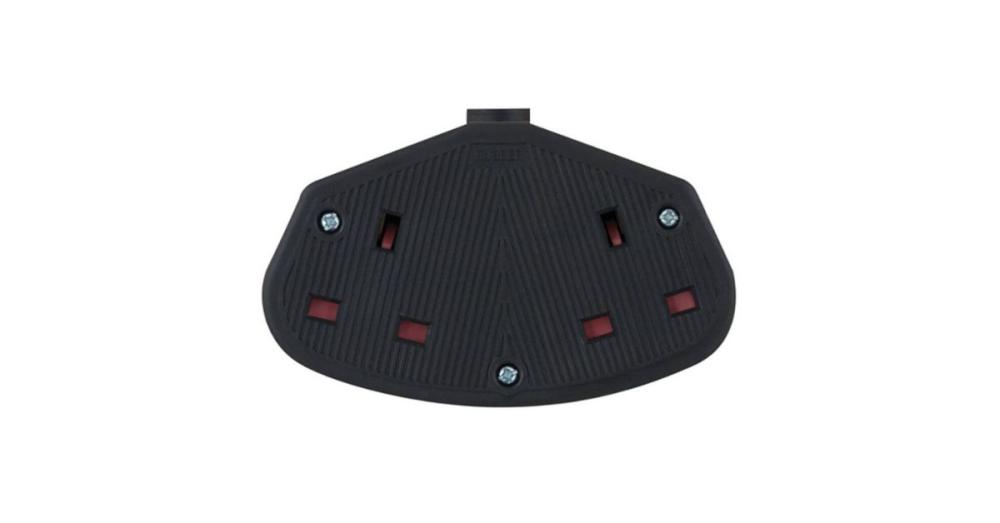
If things are heading somewhere rougher, the Selectric 2 Gang 13 Amp Heavy Duty Trailing Socket in black is built for exactly that. Site work, garages, workshops, anywhere a standard lead would start to look worn out fast. The reinforced casing means it can take the knocks that come with power tools and daily site use.
6. Knightsbridge Smart 3G Surge Protected Extension Lead with Quad USB Charger
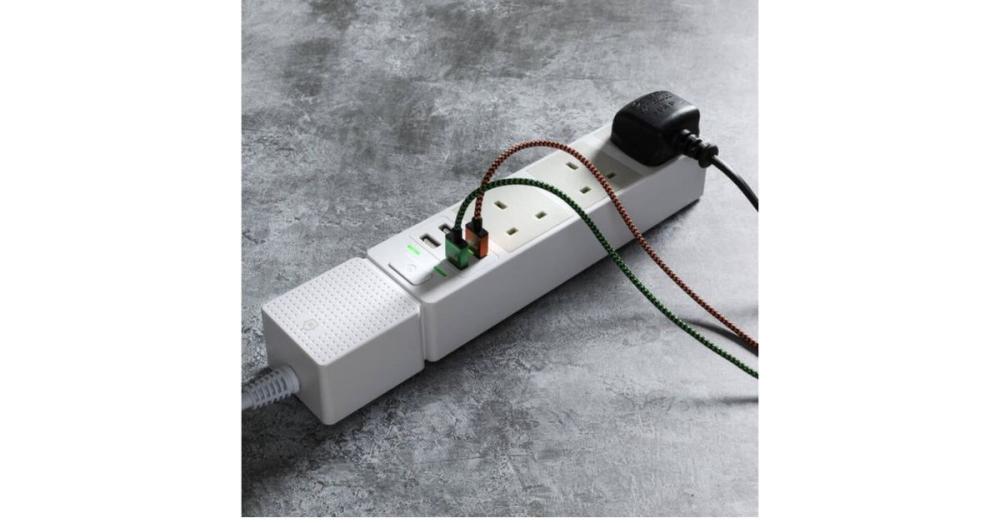
The Knightsbridge Smart 3G Surge Protected Extension Lead with Quad USB Charger covers a slightly different need. Three sockets plus four USB ports, with surge protection built in, which is reassuring if you're running laptops, monitors or anything else you'd rather not risk to a power spike. Works well tucked behind a desk or in a living room where several devices are always charging.
7. BG Electrical 4 Gang 2 USB Compact Extension Lead
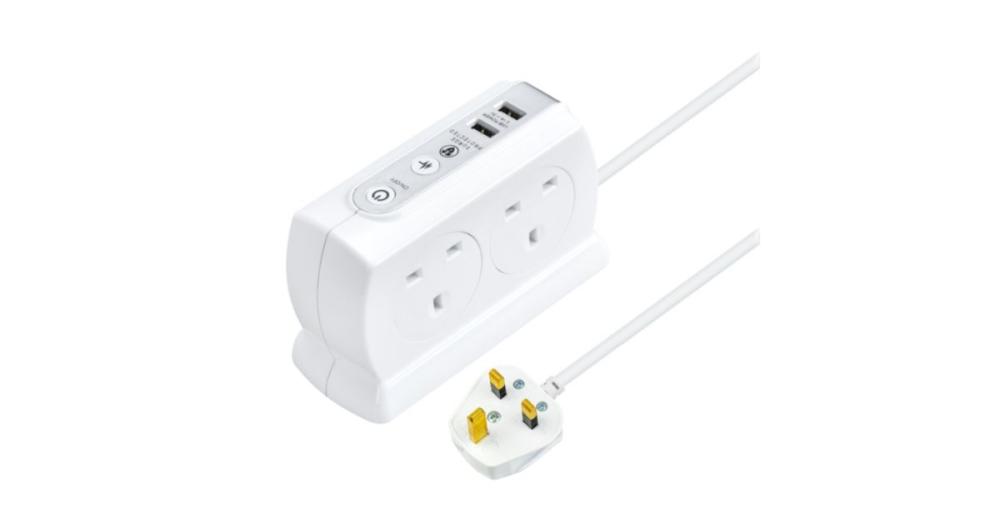
Lastly, the BG Electrical 4 Gang 2 USB Compact Extension Lead is a 2-metre, white lead with four sockets and two USB points, aimed at spaces where you still need decent capacity but don't have much room to spare. Kitchens, bedrooms, smaller offices, that sort of thing.
Choose the Right Trailing Socket from Meteor Electrical
At the end of the day, choosing the right trailing socket just means matching gang number, cable length, amperage and build quality to whatever job is in front of you, be that a home office, a trade job, or a busy site. Get those details right, and you'll keep everything powered safely, without overloading a lead or stretching a cable further than it should go.
Meteor Electrical stocks a good spread covering all of this, from the smaller 1-gang sockets through to the heavy-duty site leads, so there's a sensible starting point whatever you're after. Browse our website today and order your trailing sockets. Order online for next day delivery!
FAQ Section
Q1. What amp rating do UK trailing sockets use?
Most UK trailing sockets and extension leads carry a 13A rating, matching the standard domestic plug and socket system used across Britain.
Q2. Can I use a trailing socket outdoors?
Only if it is specifically rated for outdoor or weatherproof use; standard indoor leads should not be exposed to rain or damp conditions.
Q3. How many gangs do I actually need?
Count your appliances, add one spare socket, and choose the closest gang size to avoid overloading a smaller lead.
Q4. Are heavy-duty trailing sockets worth the extra cost?
Yes, for site or workshop use, as their reinforced casing withstands rougher handling far better than standard domestic leads.
Q5. Do surge-protected leads cost much more?
Slightly more than a standard lead, but the added protection for computers and electronics often justifies the difference.