
How to Test an RCD Safely: Monthly Checks That Protect People and Property
How to Test an RCD Safely: Monthly Checks That Protect People and Property
If your consumer unit includes an RCD orRCBO, regular testing is not just good practice, it is essential for electrical safety. These devices are designed to disconnect the power quickly when they detect a fault, helping reduce the risk of electric shock and fire. However, because they rely on mechanical parts and internal switching components, they can fail without any obvious warning. That is why a simple monthly check can make a real difference in homes, rental properties, and commercial buildings.
Why Monthly RCD Testing Matters
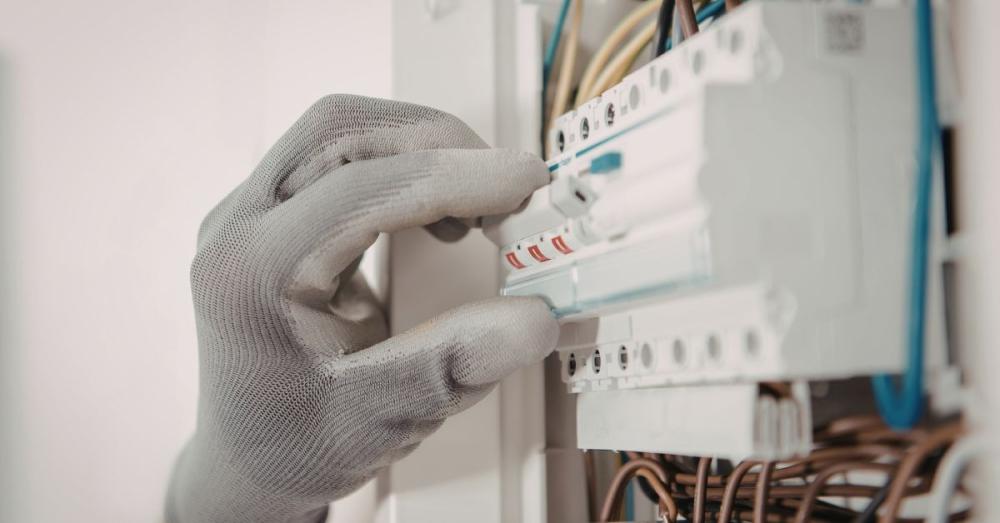
Most modern consumer units contain one or more RCDs or RCBOs. Their job is straightforward: they cut the electrical supply when a fault to earth is detected. This fast response helps protect people, appliances, and property.
The problem is that these devices are not tested during everyday use. In many cases, the internal mechanism only moves during a fault or during a manual test. If it seizes or sticks, the unit may not trip when you need it most. A monthly RCD test helps confirm that the device still operates correctly.
Did You Know? Many RCDs include a built-in test button marked “T” or “Test”, and manufacturers often recommend pressing it once a month to confirm the trip mechanism still works.
RCDs vs RCBOs
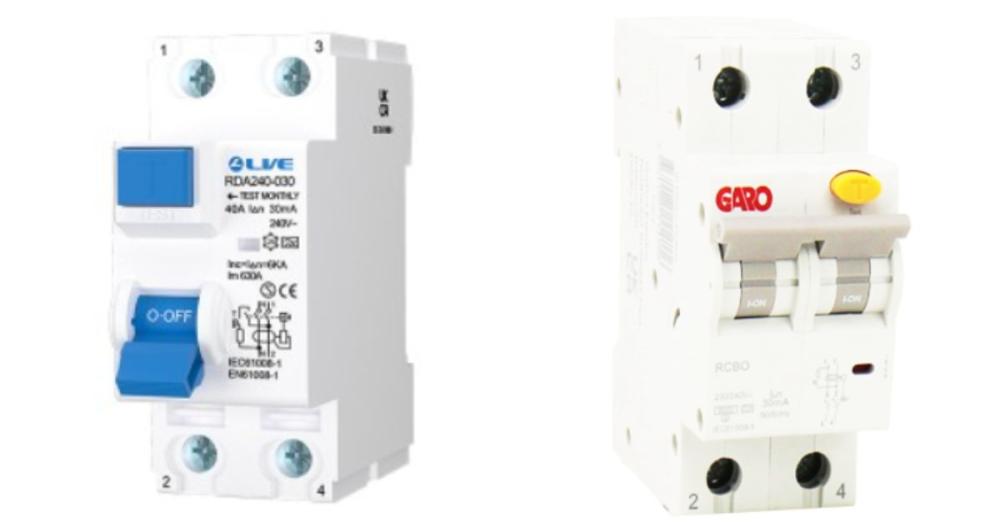
An RCD protects against earth leakage faults and usually covers multiple circuits. An RCBO combines earth leakage protection with overload and short-circuit protection for an individual circuit.
In simple terms, an RCD protects groups of circuits, while an RCBO protects one circuit at a time. Both play an important role in consumer unit safety, and both should be checked as part of regular electrical maintenance. If you manage a property or maintain a facility, understanding this difference can help you choose the right protection for upgrades and replacements.
Source - eFIXX
Test Your RCD Safely
Testing an RCD is quick, but it should be done carefully because the power will switch off during the process.
Monthly Test Steps
- Let anyone on site know that the power may go off briefly.
- Make sure the electricity supply is on.
- Find the RCD or RCBO in the consumer unit and locate the “Test” button.
- Press the button firmly. The device should trip immediately and the switch should move to the off position.
- Reset the switch by moving it back to the on position once it is safe to restore power.
If the device trips and resets normally, that is a good sign. If it does not trip, trips sluggishly, or will not reset, arrange inspection by a qualified electrician. Do not ignore it, because a faulty protective device may leave the installation unsafe.
Failed RCD or RCBO
If an RCD or RCBO fails its test, it may not disconnect the circuit during a real fault. That means the installation may no longer provide the protection it was designed for.
Common warning signs include failure to trip when the test button is pressed, difficulty resetting the switch, or repeated nuisance tripping. In most cases, the safest next step is to contact a qualified electrician, who can inspect the circuit, identify the cause, and replace the device if needed.
RCDs for Consumer Units
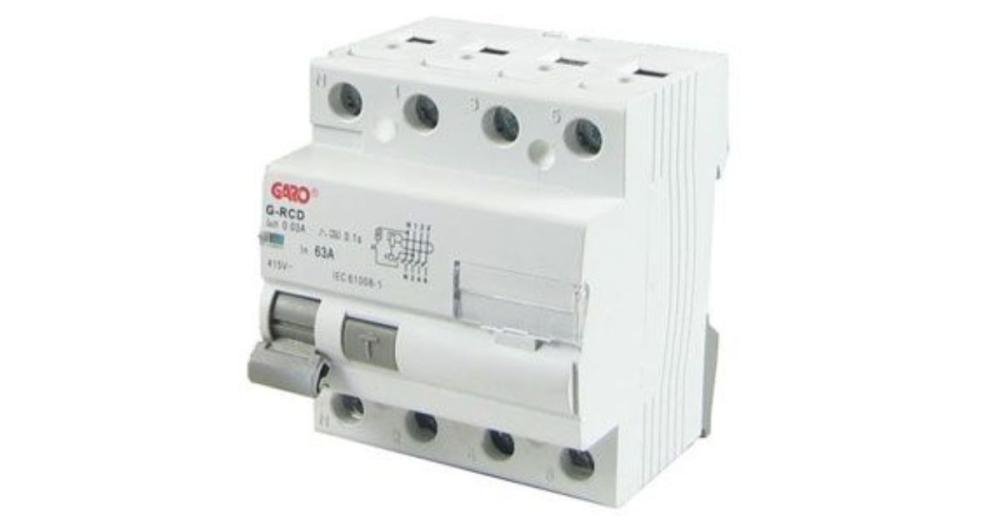
Meteor Electrical supplies RCDs for consumer units that support reliable fault protection in residential and commercial installations. They are ideal for replacements, upgrades, and planned maintenance work.
Key features:
- Designed to help disconnect supply quickly in the event of an earth fault
- Suitable for consumer unit upgrades and replacement projects
- Available through a trusted wholesale electrical supplier
- Ideal for electrical contractors, landlords, and facilities teams
- Backed by convenient online ordering and fast delivery options
RCBOs for Consumer Units
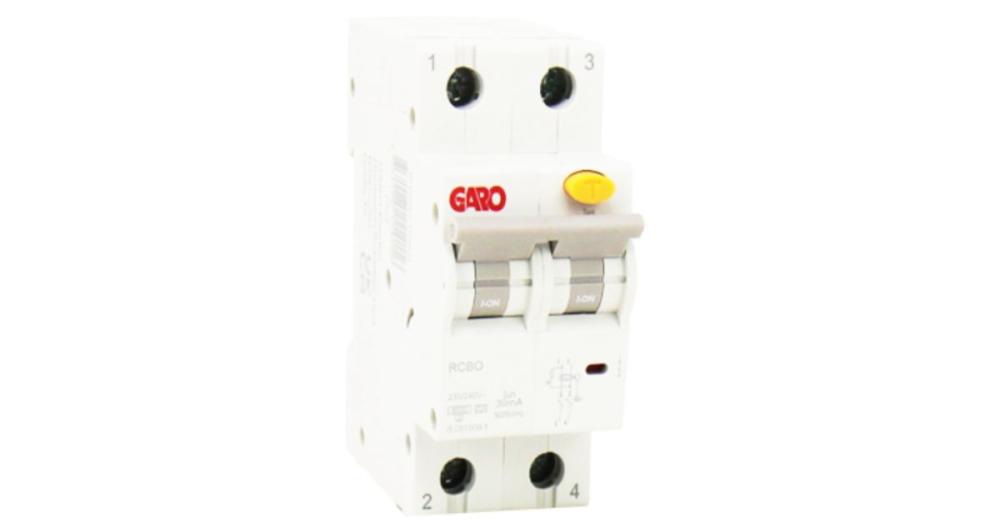
Meteor Electrical also stocks RCBOs, a practical choice when you want combined fault, overload, and short-circuit protection on individual circuits. They are well suited to modern boards where improved circuit separation matters.
Key features:
- Combines residual current and overcurrent protection in one device
- Helps reduce disruption by protecting individual circuits
- Useful for new installations, board upgrades, and maintenance work
- Popular with contractors seeking efficient, space-saving protection
- Available for UK and European market requirements through Meteor Electrical
Key Takeaways
- Test RCDs and RCBOs monthly using the built-in test button.
- These devices help protect against electric shock and certain fire risks.
- A device can appear normal in daily use and still fail when needed.
- If it does not trip or reset correctly, call a qualified electrician.
- Meteor Electrical offers dependable circuit protection products for trade buyers.
Conclusion
A monthly RCD test takes only a moment, but it can help confirm that your electrical protection still works when it matters most. Whether you are an electrical contractor, landlord, or facilities manager, staying on top of consumer unit maintenance is a simple way to improve safety and compliance.
For reliable RCDs, RCBOs, and a wide range of distribution and control products, choose Meteor Electrical, a leading wholesale electrical supplier serving UK and European markets. Explore the range today and keep every installation protected with confidence.
FAQs
1. How often should you test an RCD?
Most manufacturers recommend testing an RCD once a month using the test button.
2. What happens when you press the RCD test button?
The device should trip immediately and cut the power to the protected circuit or circuits.
3. Should landlords test RCDs?
Yes. Regular RCD testing helps support electrical safety in rented properties.
4. Can I test an RCBO the same way?
Yes. Most RCBOs also have a test button and should be checked regularly.
5. What if the RCD does not trip?
Do not rely on it. Contact a qualified electrician to inspect and replace the device if necessary.
6. Why do RCDs fail?
They can fail due to worn mechanical parts, internal faults, age, or lack of regular operation.