
Workplace Electrical Safety in the UK: Risks, Rules and Prevention
Workplace Electrical Safety in the UK: Risks, Rules and Prevention
Electrical accidents at work rarely happen because of one dramatic mistake. More often, they start with rushed planning, weak maintenance, poor training, or unsafe assumptions about live equipment. In the UK, workplace electrical safety is shaped by BS 7671, the national standard for electrical installations, and by the Electricity at Work Regulations 1989, which require precautions against the risk of death or injury from electrical systems and equipment used at work.
For contractors, site managers, and facilities teams, that means safety is not just about compliance. It is about building habits that reduce risk before a cable is touched, a circuit is energised, or plant is moved anywhere near a live supply.
Why Electrical Accidents Still Happen
Common Causes on Real Sites
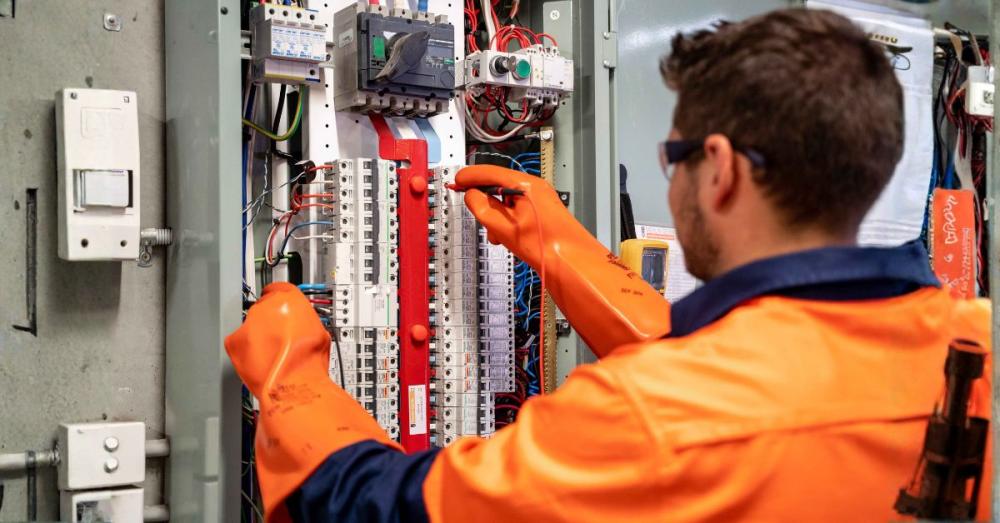
Electrical hazards tend to show up in familiar ways: contact with overhead lines, damage to buried cables, live repairs, and poorly maintained equipment. HSE guidance says work near overhead power lines must be carefully planned, and any line in or near the work area should be assumed live unless proved otherwise by the owner.
That matters because a moment of contact, or even dangerous proximity, can turn a routine task into a life-changing incident. The biggest problem is often not the equipment itself, but the gap between the risk on paper and the controls used on site.
UK Electrical Standards Every Site Should Know
BS 7671 and the Wiring Regulations
BS 7671:2018+A4:2026 is the IET Wiring Regulations standard to which domestic, commercial, and industrial electrical installations in the UK are expected to conform. It sets the benchmark for how installations should be designed, installed, inspected, and tested so they are safe in normal use.
Electricity at Work Regulations 1989
The Electricity at Work Regulations 1989 apply widely to workplace electrical systems and equipment, and require precautions to be taken against the risk of death or injury from electricity during work activities.
In simple terms, BS 7671 tells you what good installation practice looks like, while the Electricity at Work Regulations create the legal duty to manage electrical risk in the workplace.
The Highest-Risk Situations On Site

Overhead lines and buried cables
HSE advises teams to identify overhead lines before work begins, consult the line owner, and eliminate danger through avoidance, diversion, or isolation wherever possible. If live overhead lines cannot be avoided, barriers, goal posts, warning notices, clearance controls, and direct supervision may all be needed.
Buried services create a different problem because they are easy to forget until excavation starts. That is why cable locating, permit checks, and marked exclusion zones should be treated as essentials, not extras.
Poor maintenance and live repairs
Faulty switchgear, damaged cables, and temporary fixes can quickly turn a minor defect into a major injury. When equipment is left untested or repairs are attempted on live conductors, the risk of shock, burns, fire, and unplanned outages rises sharply.
Explosive or hazardous areas
Electrical equipment also needs extra care in areas where flammable vapours, dust, or chemicals may be present. One poorly maintained switch or unsuitable accessory can become the ignition point no one saw coming.
How to Reduce Electrical Risk at Work
Planning, isolation and supervision
The safest sites make risk reduction part of the job setup, not something added halfway through. HSE guidance highlights planning, confirming line locations, arranging isolation where possible, and controlling access beneath overhead lines as core precautions.
Inspection, training and product choice
Good electrical safety also depends on inspection, competent installation, and choosing reliable protection devices, cables, and earthing components. When teams combine strong procedures with the right products, compliance becomes easier and day-to-day work becomes safer.
Source - Safelyio
Did You Know?
BS 7671 is currently published as BS 7671:2018+A4:2026, and the IET describes it as the national standard for UK electrical installations. That makes regular updates, product selection, and verification especially important for contractors who want installs that are both safe and inspection-ready.
Recommended Products for Safer Installations
1. Earthing rods and accessories
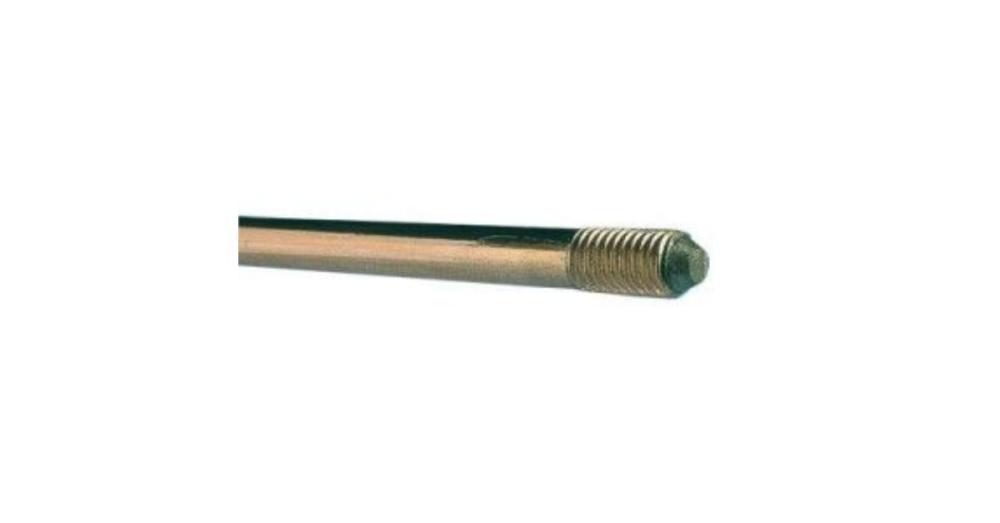
A dependable earthing setup is the backbone of fault protection. Meteor Electrical offers earthing options including copper or galvanised earthing rods, plus useful accessories such as clamps and inspection boxes.
Product key features:
- Copper or galvanised earthing rod options
- Matching clamps and inspection boxes available
- Practical for dependable grounding arrangements
2. PVC/PVC 1.5mm 3 Core & Earth Cable
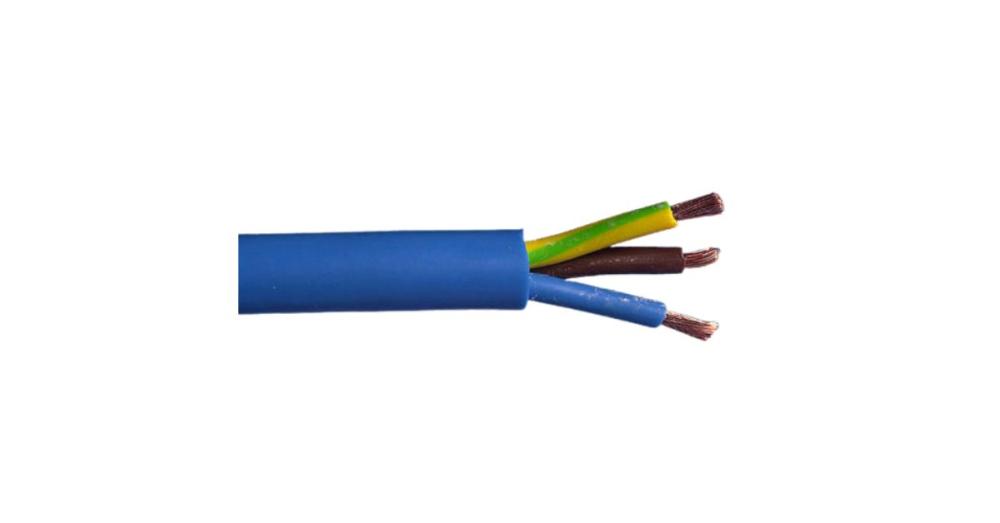
For two-way lighting and similar fixed wiring jobs, this cable is a practical, installer-friendly choice. Meteor describes it as ideal for two-way lighting switches and domestic fixed wiring applications, with strong resistance to chemicals, water, and heat.
Product key features:
- Three cores plus earth conductor
- Suitable for two-way lighting circuits
- 16A current rating
- BS6004 and BASEC approved
- 100-metre coil
Shop PVC/PVC 1.5mm 3 Core & Earth Cable
3. Live 2 Pole 40A 30mA RCD
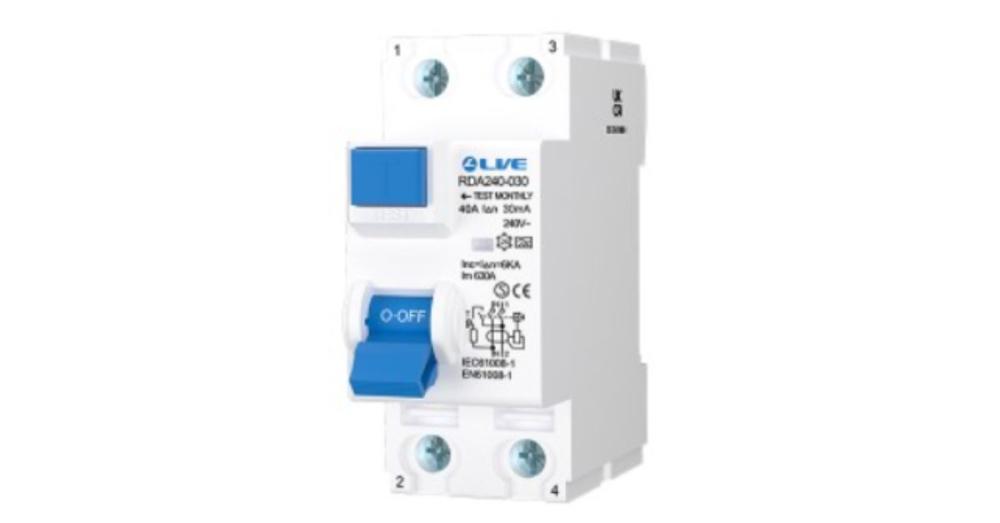
This is a smart choice when you want clear, straightforward residual current protection. Meteor states that it provides protection against earth fault and leakage current, while also acting as a point of isolation.
Product key features:
- 40A rating
- 30mA sensitivity
- Protection against earth fault and leakage current
- Point of isolation
- High breaking current withstand capacity
4. Knightsbridge Smart 3G Surge Protected Extension Lead
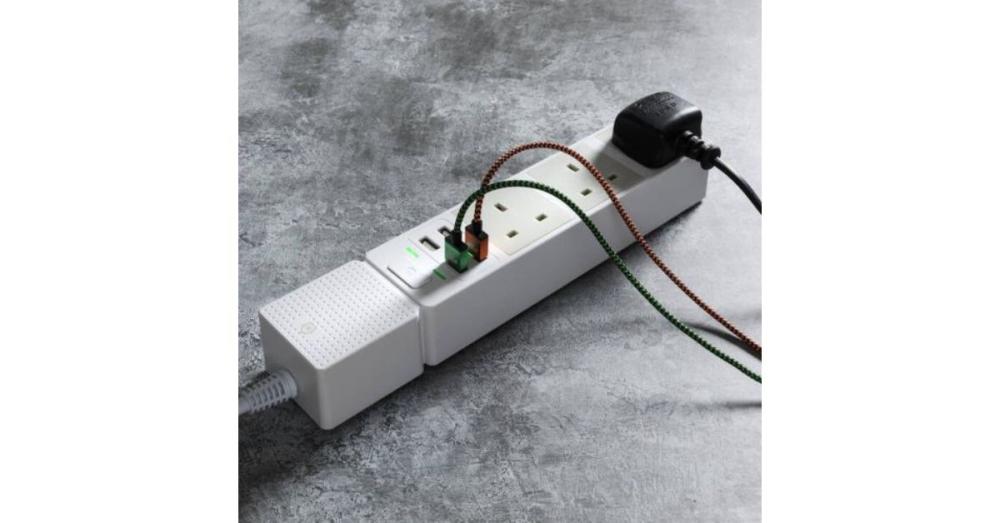
For busy workspaces and temporary setups, this product adds a neat mix of convenience and protection. The built-in surge protection and quad USB charging make it a useful option where multiple devices need safe, organised power.
Product key features:
- Surge protected design
- Quad USB charging
- Handy for office, commercial, and home setups
- Supports cleaner cable management
Shop Knightsbridge Extension Lead
5. Metal Clad Switches, Sockets and Consumer Units
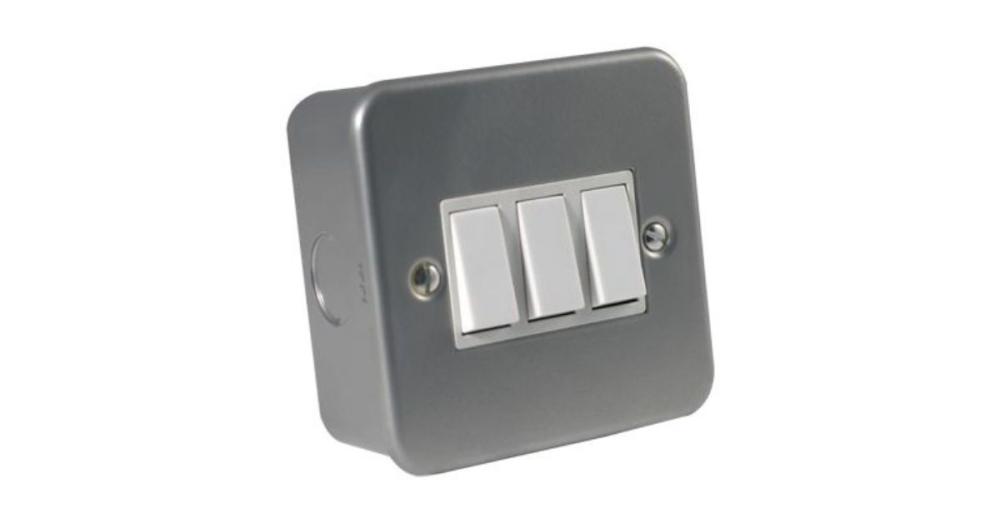
Where durability matters, metal clad accessories are a sensible upgrade. Meteor also offers metal consumer unit options with a metal body, drop-down lid, raised key holes, and extra space for RCBOs and MCBs, while its RCBO and RCD range is designed to disconnect circuits when current becomes unbalanced.
Product key features:
- Hard-wearing metal-clad construction
- Strong fit for demanding environments
- Extra space for RCBOs and MCBs in selected units
- Metal body and drop-down lid on selected enclosures
- Circuit disconnection on unbalanced current in RCBO options
Key Takeaways
- Workplace electrical accidents often come from poor planning, live working, damaged equipment, and weak supervision.
- BS 7671 sets the standard for UK electrical installations, while the Electricity at Work Regulations 1989 impose legal duties at work.
- HSE expects teams to identify overhead lines early and prioritise avoidance, diversion, or isolation.
- Earthing, cable choice, RCD protection, and suitable enclosures all play a direct role in safer installations.
- Better products support better compliance, especially for contractors and facilities managers working to tight deadlines.
- Safety improves fastest when training, inspection, and product selection work together.
Conclusion
Electrical safety should never be left to chance, especially when compliance, uptime, and people’s wellbeing are on the line. For dependable products, fast-moving stock, and trade-focused support, Meteor Electrical is a leading wholesale electrical supplier for UK and European markets, serving electrical contractors and facilities managers with the products needed to build safer, smarter installations.
Do not leave workplace safety to chance. Choose Meteor Electrical for dependable products, competitive trade pricing, and the right solutions for every installation.
FAQs
1. What is BS 7671?
BS 7671 is the UK national standard for electrical installations and is published as the IET Wiring Regulations.
2. Is BS 7671 a legal requirement?
BS 7671 is the recognised technical standard for installations, while the Electricity at Work Regulations 1989 create the workplace legal duty to control electrical risk.
3. What do the Electricity at Work Regulations 1989 cover?
They apply widely to workplace electrical systems and equipment and require precautions against death or injury from electricity during work activities.
4. What should workers do near overhead power lines?
HSE says teams should identify lines early, assume they are live unless proved otherwise, and use avoidance, diversion, or isolation where possible.
5. Why is earthing important in electrical safety?
Earthing helps create a safer path for fault current and supports protective measures that reduce shock risk. A well-chosen earthing setup is fundamental to a safer installation.
6. When is 3 core and earth cable commonly used?
Meteor states that PVC/PVC 1.5mm 3 core and earth cable is commonly used for two-way lighting switches and fixed domestic wiring.
7. What does a 30mA RCD do?
Meteor says its Live 2 Pole 40A 30mA RCD provides protection against earth fault and leakage current and also acts as a point of isolation.
8. Why choose metal clad accessories?
Metal clad switches, sockets, and enclosures are popular where you want a tougher finish and a more durable solution for demanding environments.