
BS 7671 Amendment 4 Explained: What Electricians Need to Know in 2026
BS 7671 Amendment 4 Explained: What Electricians Need to Know in 2026
In an industry where safety and compliance are the mainstay of every job, it is important to keep up with regulatory changes. The BS 7671:2018 + Amendment 4:2026 to the IET Wiring Regulations marks a big step forward, tackling fast changes in energy storage, digital setups, and special environments. From April 15, 2026, Amendment 4 can be implemented voluntarily, with a six‑month transition period. Also, from October 15 2026, it becomes mandatory for all new work driven by the rise in renewables and modern tech.
This guide will explore and help you understand in simple terms, so you can deal with compliance without getting mixed up in the weeds. Here, we will address the basics of the Amendment, its key updates, their impact on gear, the steps required to prepare, and beyond.
What Is BS 7671 Amendment 4?
The 2026th Amendment to the IET Wiring Regulations (BS 7671:2018) takes the 18th Edition of the existing regulations and draws together the previous revisions, along with introducing new regulations. It is based on technology breakthroughs, such as the explosion in battery energy storage, Power over Ethernet applications and ICT integration and emphasises greater safety and efficiency. To be published April 15, 2026, it will be ready for use right away, with a six-month shift ending October 15, 2026, when prior editions become redundant.
Key Changes Electricians Must Understand
Amendment 4 tweaks current methods and brings in focused sections to fit new needs, making sure setups stay secure as electrical worlds change.
- New Chapter on Stationary Secondary Batteries: Chapter 57 lays out specifics for battery systems in storage and power supply, including placement, safeguards, and how they tie in.
- Functional Earthing and Equipotential Bonding for ICT: A fresh part spells out the differences between functional and protective earthing for info and comms tech gear and networks.
- Power over Ethernet (PoE) Provisions: Adds advice on ratings, heat control, and setup ways for cable handling data and power in smart structures.
- Major Revision to Section 710 Medical Locations: Redoes rules for health facilities, with a new chart for noting supplementary protective equipotential bonding conductor resistance.
Source - Heather Cox Richardson
How Amendment 4 Impacts Electrical Products and Equipment
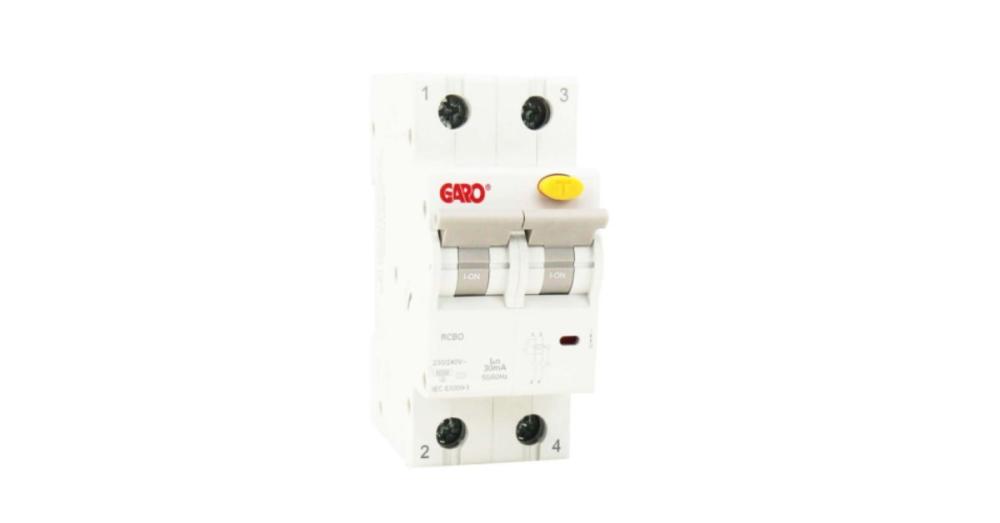
These shifts mean you have to pick components that match new safety, isolation, and protection standards, particularly in energy storage and digital spots. Gear needs to line up with updated labels, fault guards, and site factors to dodge compliance headaches.
- Better isolation and switching for battery setups.
- Tweaked RCD/RCBO sensitivity for various circuits.
- Surge protection woven into renewable arrangements.
- PoE-ready cabling and devices with heat specs.
- Strong earthing options for ICT installs.
- Special medical-level bonding conductors.
- Clear labels and docs for storage units.
Relevant Products Electricians Should Review in 2026
With Amendment 4 putting the spotlight on protection, isolation, and blending new tech safely, it's smart to check out compliant distribution, circuit protection, and niche gear before any job. Pay attention to specs that handle battery rules, surge threats, and current charging demands for compliance.
- Consumer Units and Distribution Boards: Key for fitting new protective bits; go for metal-clad ones with enough ways to manage extra circuits and RCD/RCBO setups as per the updates.
- RCDs, RCBOs & Circuit Protection Devices: Look for 30mA or 100mA units, like 20A single-module RCBOs or 63A four-pole RCDs, to deliver solid residual current protection in homes and battery-linked spots.
- Surge Protection Devices (SPDs): Type 2 units give vital defence against voltage spikes; fit them in consumer units to protect delicate electronics and storage parts from storm surges.
- Isolators & Switchgear Vital for safely cutting off battery storage; choose tough, well-marked isolators that hit the new isolation and emergency switch marks in Chapter 57.
- EV Charging Equipment: Wall chargers offering 7.4kW tethered output with Wi-Fi and LAN links work well for home setups; double-check they are compatible with revised earthing and protection norms for EV supply gear.
October 2026 Deadline: What Should Electricians Do Now?
As the firm switch hits on October 15, 2026, getting ahead now keeps things compliant and sidesteps cert snags on jobs in progress or lined up.
- Check your current stock against new battery and PoE needs.
- Look over ongoing work for any backfit of Amendment 4 rules.
- Talk to suppliers about stocking up on updated, compliant items.
- Tweak your cert forms to add new test charts and bonding notes.
- Set up training for your team on Chapter 57 and reworked the medical/ICT parts.
- Refresh risk checks to cover the latest doc requirements.
Common Mistakes to Avoid After Amendment 4
Missing small changes can spark compliance slips, higher risks, or extra fixes; staying sharp heads these off.
- Thinking old compliance covers the new without a fresh look.
- Skipping updated bonding resistance logs in medical areas.
- Setting up batteries minus Chapter 57 isolation and label rules.
- Ignoring PoE heat and rating details in ICT builds.
- Forgetting SPDs where surge chances have ramped up.
- Sticking with old earthing for functional ICT uses.
- Overlooking transition checks for installs already underway.
How Electrical Wholesalers Can Support Compliance
Teaming up with solid wholesalers gets you regulation-ready products, in-depth tech details, and fresh inventory on time. Reliable sources offer handy advice on choosing matching parts, cutting down on mismatches and helping projects run more smoothly.
Key Takeaways
- Amendment 4 zeros in on safety for battery storage, ICT, PoE, and medical spots.
- Rollout kicks off April 15, 2026; full switch by October 15, 2026.
- Stress updated isolation, protection, and docs.
- Early stock checks and training cut down on hiccups.
FAQs
Q1. When will the Amendment 4 be published?
It will be published on April 15, 2026, from IET and BSI, and will be good to go for installs straight away.
Q2. What is the key battery change?
Chapter 57 now details stationary secondary batteries for safer storage and supply handling.
Q3. Does it affect EV charging?
Yes, indirectly. Revised earthing and protection requirements apply to EV supply equipment, so installers should review their current kit for compatibility.
Q4. When does the old version withdraw?
October 15, 2026; post that, Amendment 4:2026 rules all new jobs.
Q5. Why the update now?
Rapid growth in battery storage, EV charging, PoE, and ICT infrastructure created gaps in the existing regulations that Amendment 4 now closes, ensuring safety standards keep pace with modern installations.
Final Thoughts:
These updates can seem never-ending, but they protect people, property, and your reputation. Taking on Amendment 4 shows you're serious about top-notch work and lowers your risk load. Getting proactive builds solid client bonds and sets you ahead of the curve. Stay in the know and make sure your installs hit the newest BS 7671 marks by eyeing your gear and specs today.
For reliable, compliant products that fit the new rules, think about suppliers like Meteor Electrical.