
Information
Types of Consumer Unit: Metal, RCBO, Split-Load and 3-Row Boards
Updated November 2026 · Meteor Electrical guides · 10 min read
Quick answer: The main types of consumer unit are main switch boards, split-load (dual RCD) boards, high integrity boards and fully RCBO-populated boards. They also differ by enclosure (metal or plastic), size (single, 2 or 3 row), location (IP65 garage and outdoor units) and whether an SPD is fitted. Larger and commercial sites with a 3-phase supply use a 3-phase distribution board instead.
Most UK and Irish homes now get a metal-clad domestic consumer unit with RCD or RCBO protection. The right type depends on your circuit count, how much disruption a single fault would cause and where the board will go.
In this guide
- What is inside a consumer unit?
- Types of consumer unit compared
- Main switch consumer units
- Split-load (dual RCD) consumer units
- High integrity consumer units
- Fully RCBO-populated consumer units
- Populated vs unpopulated boards
- Metal vs plastic consumer units
- Single row vs 2 and 3 row consumer units
- Garage, IP65 and outdoor consumer units
- SPD-ready consumer units
- Distribution board vs consumer unit
- How to choose the right type
- FAQs
What is inside a consumer unit?
A consumer unit (often still called a fuse box) sits after the meter and splits the supply into separate circuits for lighting, sockets, cooker and shower. Every type uses the same few parts; what changes is how they are arranged.
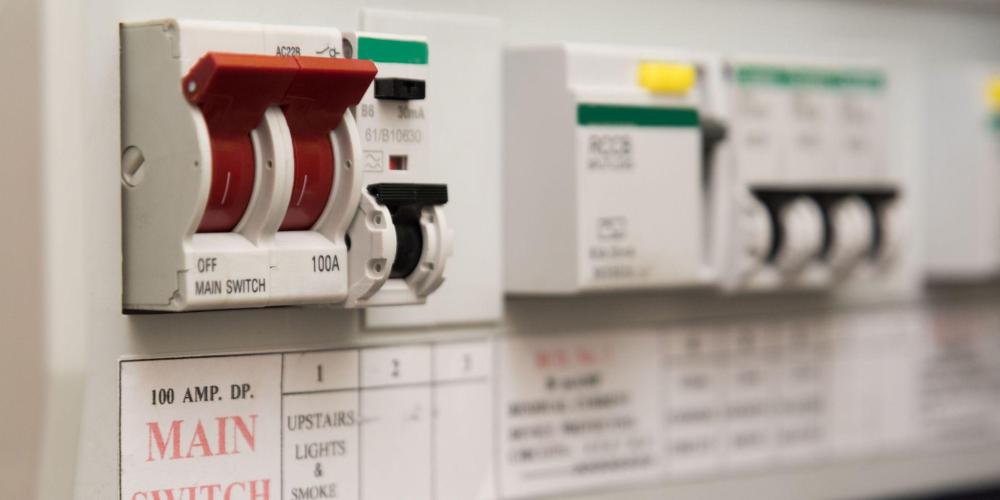
- Main switch: a double-pole switch (usually 100A in homes) that isolates every circuit at once.
- RCD (residual current device): trips when it detects current leaking to earth, giving protection against electric shock. One RCD can cover a whole bank of circuits.
- MCB (miniature circuit breaker): protects one circuit against overload and short circuit.
- RCBO: an RCD and MCB in one device, protecting a single circuit against both earth leakage and overcurrent.
- SPD (surge protection device): diverts transient overvoltages, for example from lightning or switching on the network, away from your equipment.
For a deeper look at the devices themselves, see our guides to types of circuit breaker and what an RCBO is.
Video credit: eFIXX (YouTube)
What are the different types of consumer unit?
The table compares the common types of consumer units. Some types describe how circuits are protected, others the enclosure or location, so a real board is usually both: for example a metal-clad, 2-row, fully RCBO board with an SPD.
| Type | How circuits are protected | Best suited to | Watch out for |
|---|---|---|---|
| Main switch board | 100A main switch only; you add RCBOs or RCDs and MCBs | Fully RCBO builds and custom layouts | Use devices from the same manufacturer as the enclosure |
| Split-load (dual RCD) | Two 30mA RCDs, each covering a bank of MCBs | Straightforward homes on a tighter budget | One fault can trip every circuit on that RCD |
| High integrity | Two RCD banks plus separate ways for RCBOs | Homes that want key circuits (freezer, alarm) kept independent | RCD banks still share tripping |
| Fully RCBO | Every circuit on its own RCBO | Rewires, new builds, rental properties | Higher device cost; needs a wider board |
| Metal-clad | Any of the above in a steel enclosure | Domestic premises (non-combustible requirement) | Cable entries need grommets or glands |
| IP65 / garage unit | Small sealed board with a few MCBs, RCDs or RCBOs | Garages, sheds, workshops, damp or dusty areas | Earthing of outbuildings needs a designer's decision |
| 3-phase distribution board | TP&N incomer feeding single- and three-phase ways | Commercial, agricultural and large homes with a 3-phase supply | Needs a 3-phase supply and careful load balancing |
What is a main switch consumer unit?
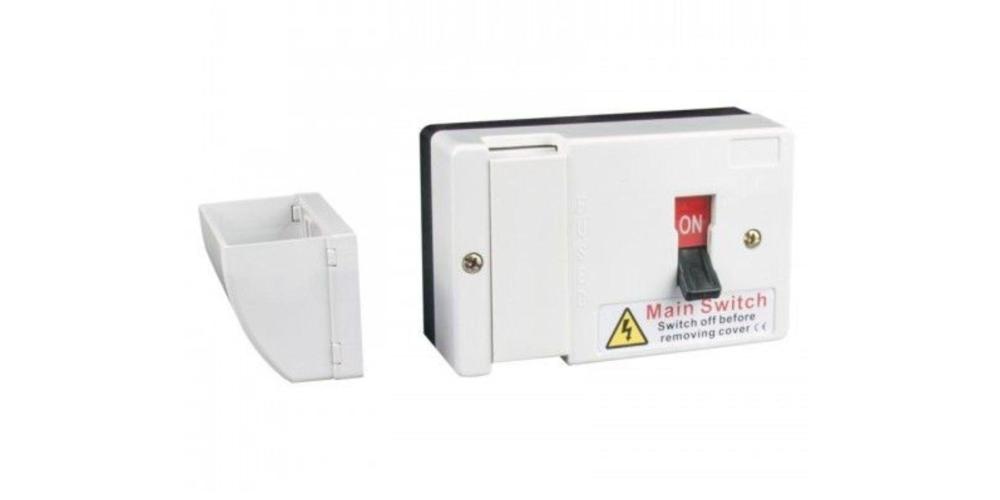
A main switch consumer unit comes with only a main switch fitted, usually a 100A double-pole switch, and an empty DIN rail. It is the starting point for most fully RCBO boards, because the electrician can fill every way with exactly the protective devices the design calls for.
Our range of consumer unit boards includes Live Electrical metal enclosures from 6 to 22 modules with a 100A main switch, which suit this approach.
What is a split-load (dual RCD) consumer unit?
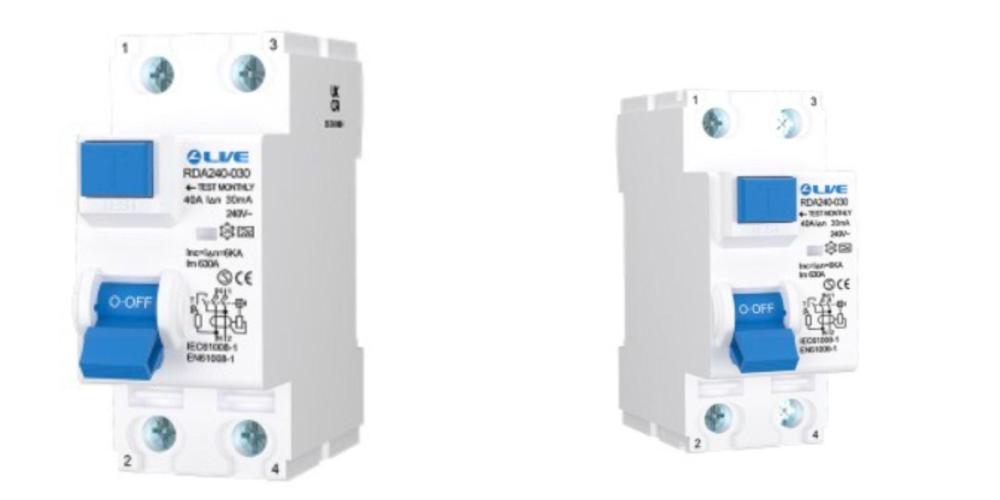
Older split-load boards left some circuits without an RCD. Because BS 7671 now requires 30mA RCD protection for sockets, lighting in homes and most cables in walls, the modern version is the dual RCD board: two 30mA RCDs, each feeding its own bank of MCBs.
Dual RCD boards keep costs down, but an earth fault on one circuit, or leakage from several appliances adding up, trips the RCD and every circuit on that side. A good layout splits lights and sockets across both RCDs.
What is a high integrity consumer unit?
A high integrity board is a dual RCD board with extra ways fed directly from the main switch, usually with three neutral bars. The extra ways take RCBOs, so important circuits such as a freezer, fire alarm or heating controls stay on when an RCD bank trips.
Is a fully RCBO consumer unit better?
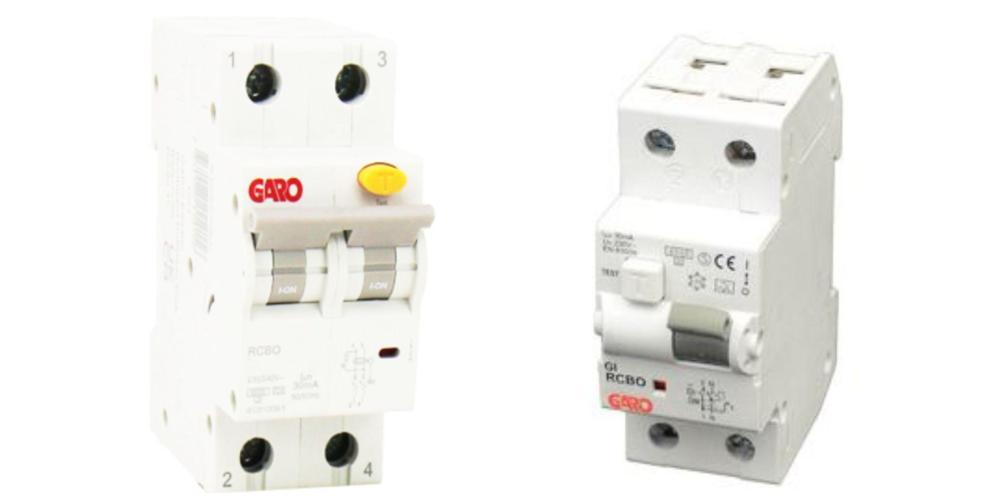
For most new installations, yes. In a fully RCBO-populated board every circuit has its own RCBO, so a fault only switches off the circuit it is on. That fits well with BS 7671's aim of minimising inconvenience in the event of a fault and avoiding unwanted tripping from earth leakage that builds up across several circuits.
The trade-offs are higher device cost and space, as some RCBOs are two modules wide. Type A RCBOs are the usual choice for homes. Compare the options in RCBO vs MCB: when to use each, or browse our RCDs and RCBOs.
Populated vs unpopulated consumer units: what is the difference?
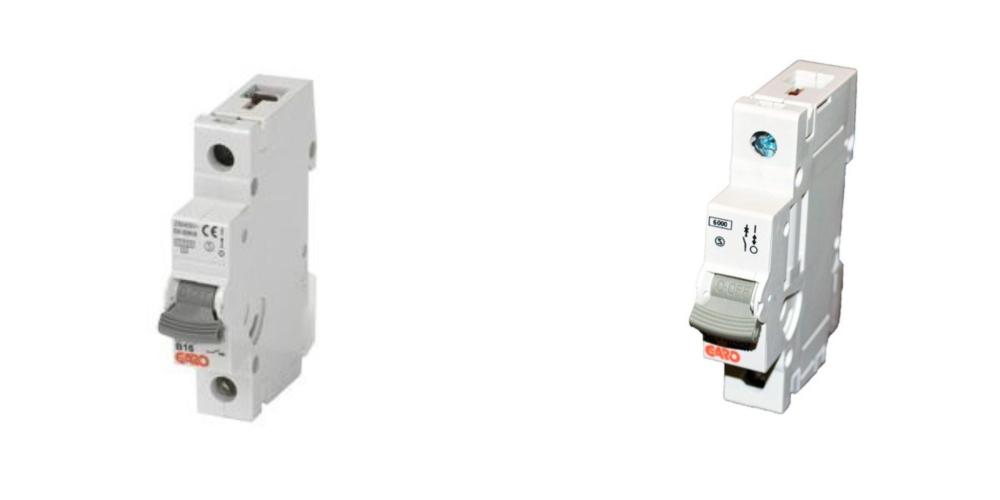
A populated (pre-configured) board arrives with its main switch, protective devices and sometimes an SPD already fitted, which suits standard layouts.
An unpopulated board is empty or has just a main switch, so the electrician chooses every device. Either way, consumer units are type-tested assemblies to BS EN 61439-3, so fit devices made by the same manufacturer as the enclosure and follow its instructions. Browse our MCBs to match your board.
Metal vs plastic consumer units: does a consumer unit have to be metal?
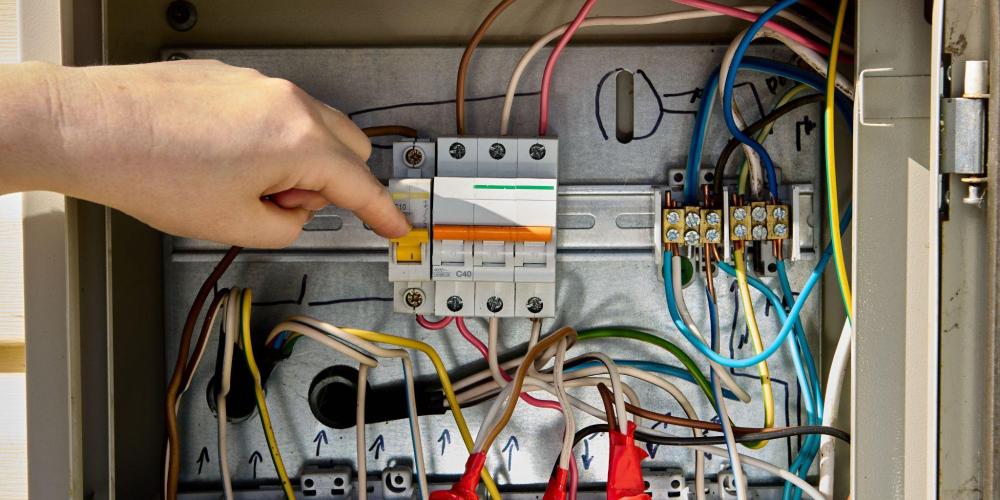
In homes, effectively yes. Since 2016, BS 7671 (regulation 421.1.201) has required consumer units in domestic premises to have an enclosure made of non-combustible material, or to be housed in a non-combustible cabinet. Steel is treated as non-combustible, which is why the metal consumer unit is now standard for domestic work.
Plastic (insulated) enclosures are still used in some commercial, industrial and outdoor settings where that requirement does not apply. An existing plastic unit is not automatically unsafe, but it is normally replaced with metal when the board is changed.
Safety: Signs of scorching, a burning smell, buzzing or a hot casing on any consumer unit need an electrician straight away. Do not open the cover yourself.
Single row vs 2 and 3 row consumer units: which size do you need?
Board size is counted in modules (about 18mm each) or "ways". A main switch or RCD typically takes two modules, an MCB one and an RCBO one or two, so a 12-way board does not always hold 12 circuits.
- Single row consumer unit: suits flats, smaller homes and outbuildings. Single-row boards range from a few modules up to around 18 to 22, depending on the manufacturer.
- 2 row consumer unit: a common choice for average family homes and full RCBO boards, typically around 24 to 36 modules.
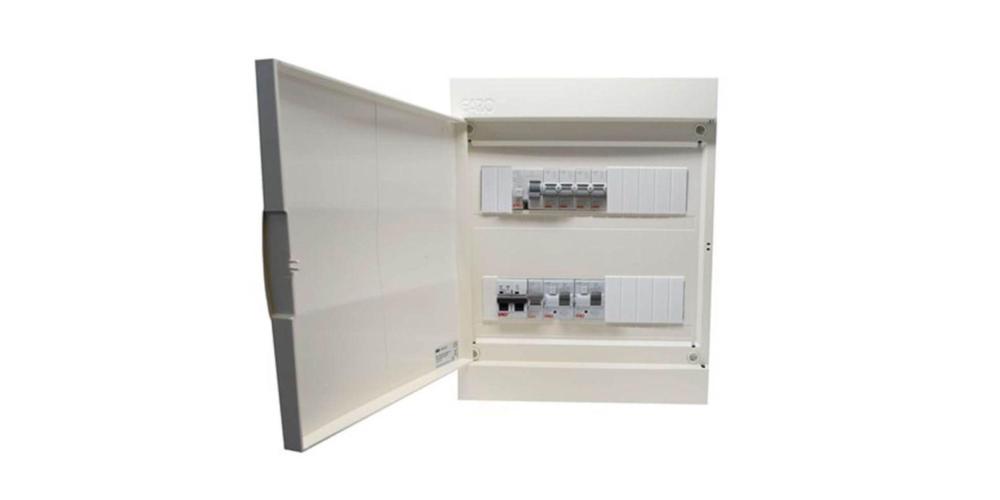
- 3 row consumer unit: for larger homes with many circuits, EV chargers, heat pumps or garden supplies. In our range these run from 36 to 54 modules, such as GARO 3-row boards and a 54-module IP65 board.
Pro tip: Count your circuits, add the modules for the main switch, RCDs and SPD, then leave a few spare ways for future circuits like an EV charger or garden office.
What is a garage consumer unit, and when do you need IP65?
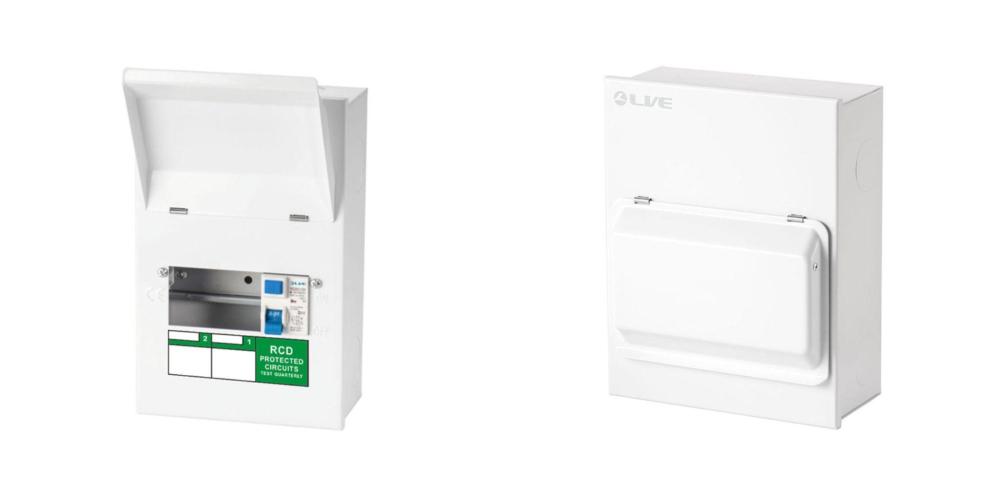
A garage consumer unit is a small board, usually with a main switch or RCD and a few MCBs or RCBOs, for lights and sockets in a garage, shed or workshop. It is normally fed from a dedicated circuit in the house board, often in SWA cable.
IP65 boards are dust-tight and protected against water jets, suiting damp or dusty spaces and outdoor walls, whereas many indoor boards are IP40. Our IP65 distribution boards run from 4 to 54 modules. For outbuildings, your electrician will also decide the earthing arrangement.
What is an SPD-ready consumer unit?
An SPD-ready board has a dedicated space for a surge protection device; others come with one fitted. BS 7671 requires protection against transient overvoltages in most installations unless the designer can justify leaving it out, so most new and replacement domestic boards now include one.
Our range includes Live Electrical metal units with a 20/40kA SPD fitted and GARO boards with surge protection. For placement and wiring, read our SPD installation guide or browse surge protection devices.
Distribution board vs consumer unit: what is the difference?
A consumer unit is a type of distribution board. The term usually means a single-phase board for homes and similar buildings, designed to be operated by ordinary people (covered by BS EN 61439-3). "Distribution board" is the wider term and includes larger commercial and industrial boards.
A 3-phase distribution board, often called a TP&N (triple pole and neutral) board, spreads loads across three phases for commercial units, farms and large homes. See our three-phase boards, which include Live Electrical 4 to 24 way boards with a 125A main switch and surge device.
How do I choose the right type of consumer unit?
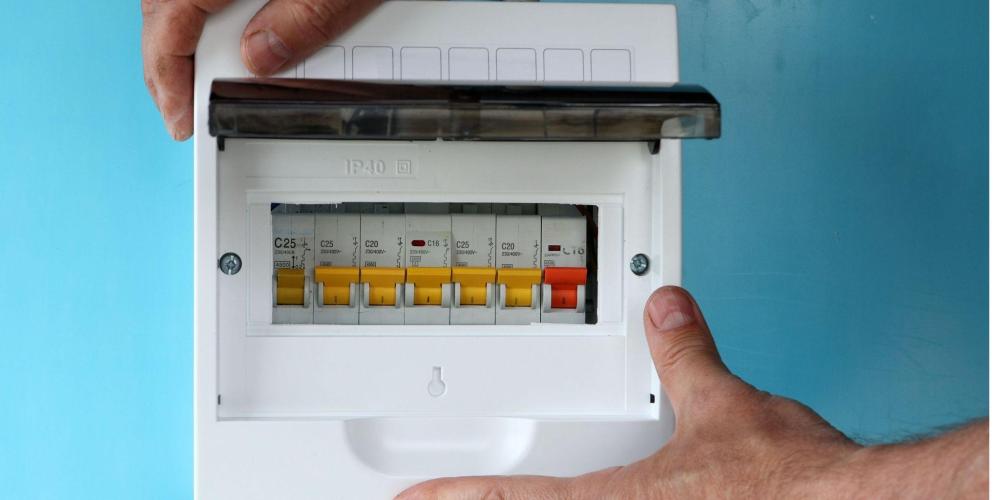
- Check your supply. Single-phase homes use a consumer unit. A 3-phase supply needs a 3-phase distribution board.
- Count your circuits. Include planned additions such as an EV charger, heat pump, shower or garden supply.
- Pick a protection layout. Full RCBO for the least disruption, high integrity as a middle ground, dual RCD where budget is the priority.
- Choose the enclosure. Metal-clad for homes; IP65 for damp, dusty or outdoor locations.
- Size it. Single, 2 or 3 row, with spare ways and room for an SPD.
- Match the devices. Use MCBs, RCBOs, RCDs and SPDs from the board's manufacturer.
Who can install a consumer unit?
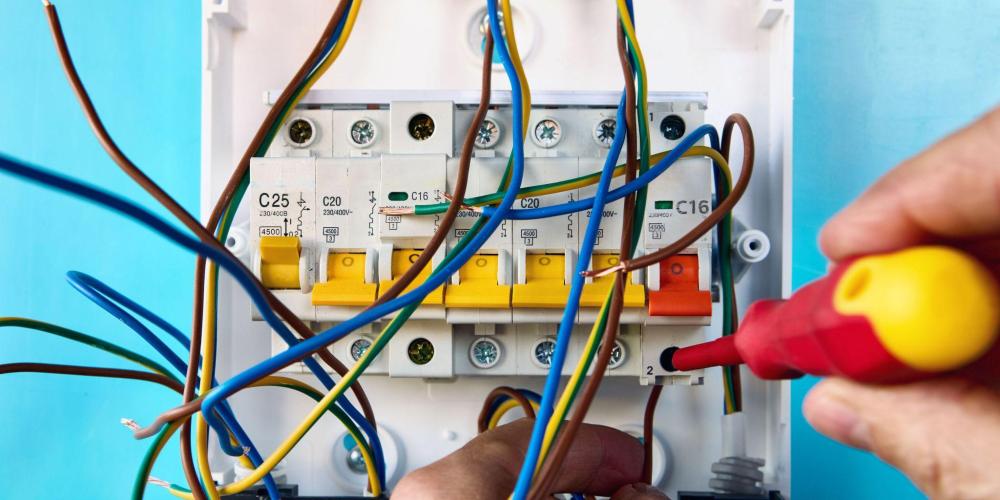
Replacing a consumer unit is notifiable under Part P in England and Wales. In Northern Ireland use a registered, competent electrician; in the Republic of Ireland it is controlled work for a Safe Electric registered electrician working to I.S. 10101. Either way, the installation must be tested and certified.
Our step-by-step guide on how to install a consumer unit covers the process. Electrical Safety First also has useful homeowner advice on fuse boxes.
Key takeaways
- The main types of consumer unit are main switch, split-load (dual RCD), high integrity and fully RCBO boards.
- Fully RCBO boards isolate faults to a single circuit; dual RCD boards cost less but trip more circuits at once.
- Domestic consumer units must be non-combustible, so a metal consumer unit is standard in homes.
- Use IP65 garage units for damp or dusty spaces and a 3-phase distribution board for 3-phase supplies.
In short, there is no single best type of consumer unit. The right one balances fault protection, space and budget, and a qualified electrician should confirm the design before you buy.
Shop consumer units and protective devices
Metal-clad, IP65 and 3-phase boards from Live Electrical and GARO. Trade prices, next working day delivery across NI & ROI on in-stock orders before 5pm.
Shop consumer unitsShop RCDs & RCBOsNeed help choosing? Call our team on 028 8675 1515 (048 from ROI), Monday to Friday, 8am–5pm.
FAQs
What are the different types of consumer unit?
The main types are main switch boards, split-load (dual RCD) boards, high integrity boards and fully RCBO boards. Consumer units also differ by enclosure (metal or plastic), size (single, 2 or 3 row) and location, such as IP65 garage units. Sites with a 3-phase supply use a 3-phase distribution board instead.
Does a consumer unit have to be metal?
In domestic premises, BS 7671 requires the consumer unit enclosure to be non-combustible, or to sit inside a non-combustible cabinet. Steel meets this, so metal consumer units are standard in homes. Plastic boards are still used in some commercial, industrial and outdoor settings where that rule does not apply.
What is the difference between a distribution board and a consumer unit?
A consumer unit is a type of distribution board, usually single-phase and designed for homes and similar buildings where ordinary people operate it. Distribution board is the wider term and covers larger commercial and industrial boards, including 3-phase TP&N boards that spread loads across three phases.
Is a split-load or fully RCBO consumer unit better?
A fully RCBO board is generally better because a fault only switches off the affected circuit. A split-load (dual RCD) board costs less to populate, but one fault can trip half the house. High integrity boards are a middle ground, with RCBOs for important circuits alongside two RCD banks.
What consumer unit do I need for a garage?
Most garages use a small garage consumer unit with a main switch or RCD and a few MCBs or RCBOs for lights and sockets. Choose an IP65 board if the space is damp or dusty. It is fed from a dedicated circuit in the house board, and your electrician will decide the earthing arrangement.
Do I need a single row, 2 row or 3 row consumer unit?
Add up the modules for the main switch, RCDs, SPD and every MCB or RCBO, then allow spare ways. Single row boards suit flats and small homes, a 2 row consumer unit suits most family homes and full RCBO layouts, and a 3 row consumer unit suits larger properties with many circuits.