
SPD Installation Basics in a Consumer Unit: Placement, Connections, Labelling and Checks
SPD Installation Basics in a Consumer Unit: Placement, Connections, Labelling and Checks
A surge protection device, or SPD, is designed to limit transient overvoltages before they can damage sensitive equipment connected through consumer units. Correct SPD installation in consumer units matters because even a well-specified board can fall short if the device is poorly placed, loosely connected, or left unchecked after fitting.
This guide covers where an SPD should go, how it should be connected, what to label, which final checks matter most, and which product options suit different jobs.
Why Surge Protection Matters in Modern Consumer Units
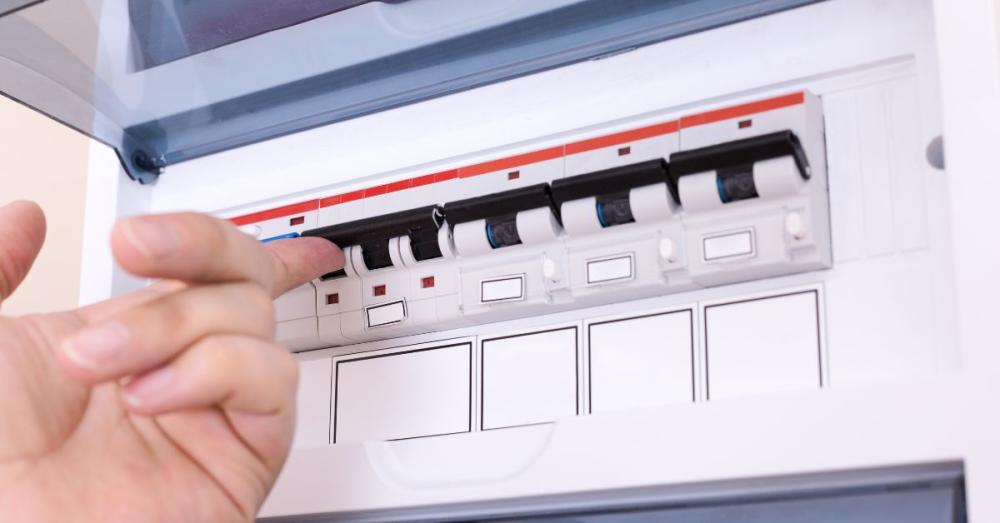
Modern consumer units now serve installations packed with boilers, alarms, routers, EV accessories, controls and other electronics that do not tolerate voltage spikes particularly well. Transient overvoltages can come from lightning activity or switching events, and both can shorten equipment life or cause sudden failures.
For electricians, that makes SPD installation in consumer units less of an optional extra and more of a sensible design decision during new installs and upgrades. Did you know a short cable run to the SPD can make a noticeable difference to how effectively surge energy is managed in the board?
- Helps protect sensitive electronics from transient overvoltage.
- Reduces the risk of nuisance failures and expensive replacements.
- Supports safer, more resilient installations in homes and light commercial settings.
- Adds value when upgrading ageing boards or planning future-ready systems.
- Makes practical sense when selecting the best consumer unit for home projects where protection and reliability both matter.
SPD Placement in Consumer Units: Where Should It Go?
Placement is not just about where the module physically fits. In SPD installation in consumer units, location affects lead length, impedance, and ultimately how well the device can clamp surge energy.
Where Should an SPD Be Installed in A Consumer Unit for The Best Protection?
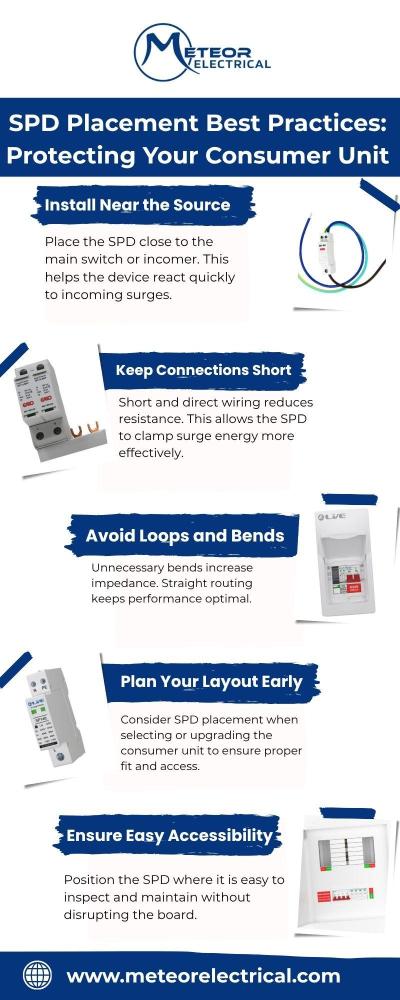
For the best protection, the SPD should normally be installed as close as possible to the origin of the installation, typically near the main switch or incomer inside the consumer unit. Short connection paths help the device respond more effectively and reduce unwanted voltage rise along the conductors.
Best Placement Practices for SPD Installation
- Position the SPD as close as possible to the main switch or incomer for more effective protection.
- Keep line, neutral and earth conductors short, direct and neatly routed.
- Minimise bends and avoid unnecessary loops that can increase impedance.
- Use the board layout wisely so the SPD sits in a practical, accessible location.
- Consider module space early when planning upgrades or selecting a consumer unit.
Common SPD Placement Mistakes to Avoid
- Installing the SPD too far from the incoming supply.
- Using long conductor runs that reduce installation effectiveness.
- Routing cables with large loops or excessive bends.
- Choosing a position that makes inspection or replacement difficult.
- Treating SPD location as a space-filling decision instead of a performance decision.
SPD Connections in Consumer Units: Wiring Basics and Protective Devices
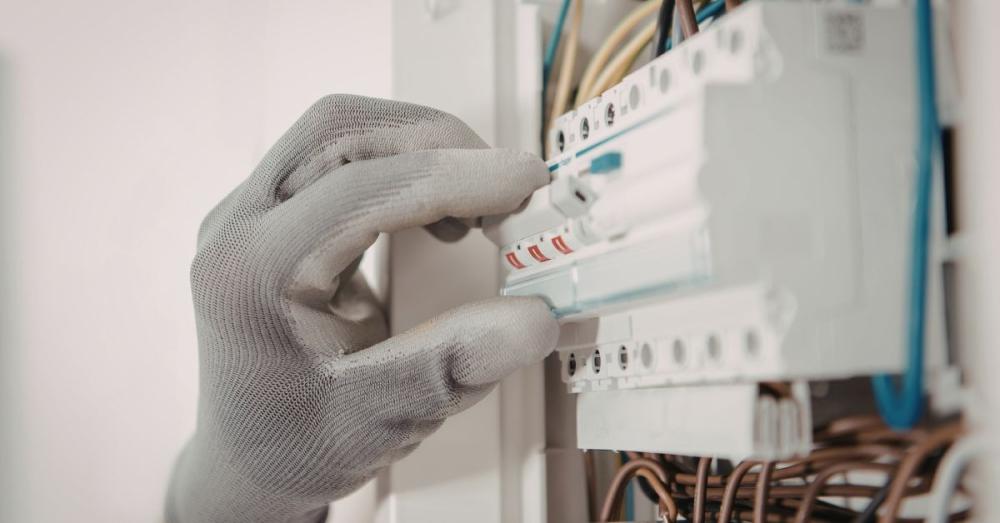
This is the part where good intentions either become a clean job or a frustrating callback. SPD installation in consumer units depends heavily on neat, correct wiring and on following the product instructions for that specific unit.
How Should an SPD Be Connected in A Consumer Unit to Keep Cable Lengths Short and Effective?
The line, neutral and earth connections should be kept as short and straight as possible, with no unnecessary loops or detours. That simple principle is one of the most repeated pieces of SPD guidance because long conductors increase impedance and reduce protection effectiveness.
Line, Neutral and Earth Connection Basics
In a typical setup, the SPD connects to the line, neutral and earth at the designated points within the board. The exact arrangement varies by product, so installers should always follow the manufacturer’s instructions and the applicable wiring requirements for the installation.
Before any connection work begins, safe isolation comes first. After wiring, check termination tightness and conductor routing before covers go back on.
Does an SPD In A Consumer Unit Need Its Own MCB Or Fuse?
Sometimes yes, sometimes no. Whether an SPD needs a dedicated MCB or fuse depends on the SPD design and on the manufacturer’s installation requirements, so it is not something to assume from one product to the next.
SPD Labelling and Final Checks After Installation
A tidy finish is part of a professional job. Labelling and verification are often overlooked, yet they help the next person understand what is fitted, how it is protected, and whether it is still healthy.
What Labels Should Be Added After SPD Installation In A Consumer Unit?
The board should clearly indicate the presence of surge protection, and any relevant device identification or warning labels should be fitted where required. Good labelling supports future inspection and avoids confusion during maintenance or replacement.
What Checks Should Be Completed Before Energising A Consumer Unit After SPD Installation?
Before energising, check terminal tightness, confirm the status indicator is normal, verify conductor routing, and make sure the enclosure is reassembled securely. Those final checks are simple, but they are exactly the sort of details that separate a rushed install from a dependable one.
SPDs should be visually checked during routine inspection. If the status indicator changes, the device or module may need replacement, even when the rest of the board appears fine.
Source - Electrician 247 London
Product Focus: Recommended Surge Protection Devices for Consumer Units
If you are comparing surge protection devices for consumer units, these options suit different board layouts and installation priorities.
1. Type 2 Surge Protection Device Live Electrical for Standard Consumer Unit Installations
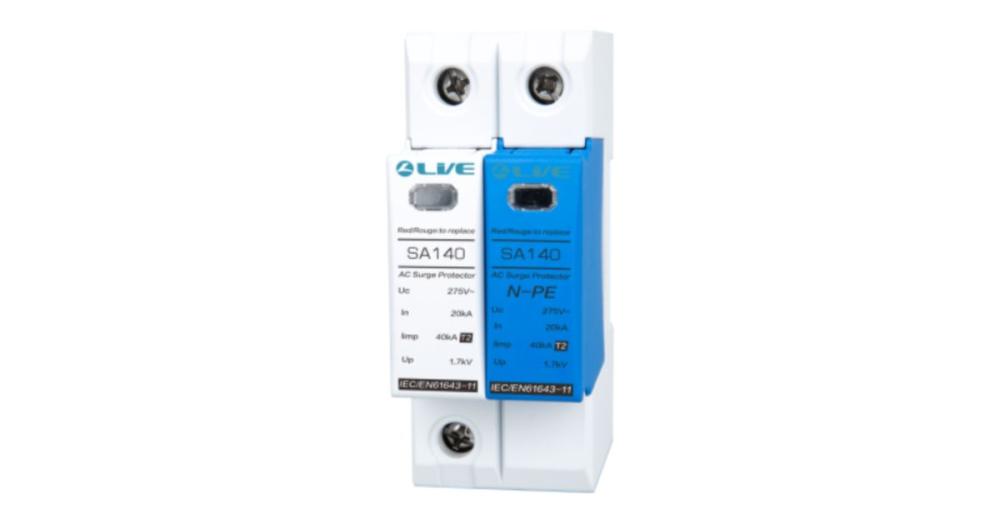
A solid choice for standard domestic or light commercial boards, this Type 2 unit offers practical surge protection in a straightforward two-module format. It suits installers who want a familiar layout for everyday work.
Key features:
- Type 2 SPD
- 20kA/40kA current rating
- 2-device module format
- Suitable for standard consumer unit installations
Shop Type 2 Surge Protection Device Live Electrical
2. Surge Protection Kit 2 Pole GARO for Consumer Units with Coordinated Components
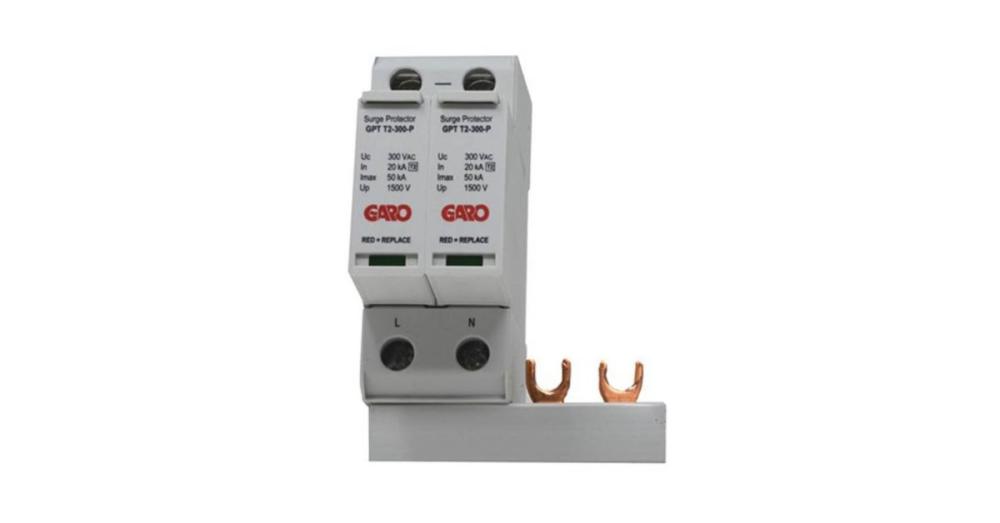
This kit is useful when you want coordinated parts rather than building the setup piece by piece. It is a sensible option for installers looking for a cleaner selection process.
Key features:
- 2 pole Class II SPD
- Includes DP busbar
- Includes 10sq earth cable
- Designed for easier addition to compatible setups
Shop Surge Protection Kit 2 Pole GARO
3. Compact SPD 2 Pole Class II Single Module GARO for Space-Limited Consumer Units
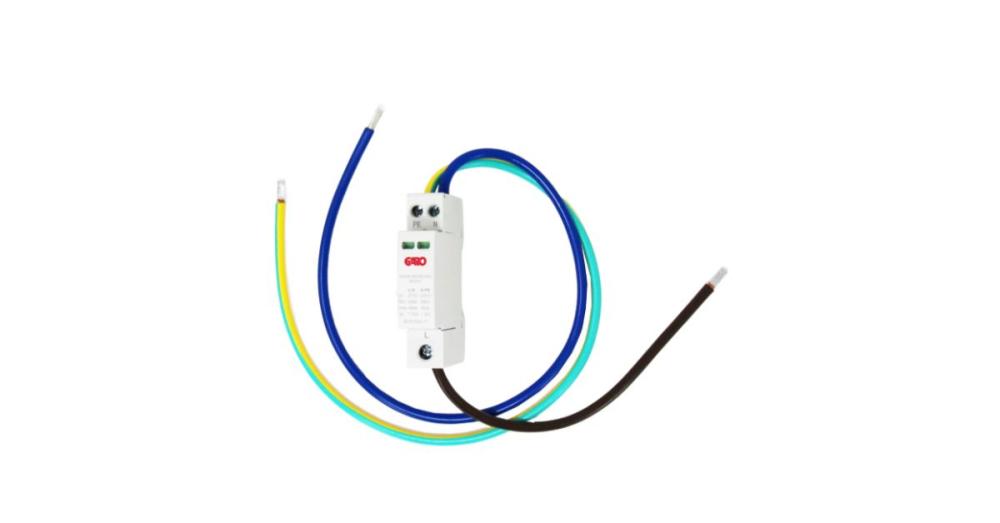
For tight boards, this is the practical pick. Its single-module format makes it especially appealing where space is limited but protection still needs to be built in properly.
Key features:
- Type 2 Class II SPD
- 2 pole configuration
- Single-module space-saving design
- Supplied with earth, neutral and live cables
- Suitable for domestic and commercial installations
Shop Compact SPD 2 Pole Class II Single Module GARO
Conclusion - Getting SPD Installation Right in Consumer Units
Good SPD installation in consumer units comes down to four essentials: smart placement, short connections, clear labelling, and careful final checks. Get those right and the board stands a far better chance of protecting the installation when surges occur.
If you are ready to choose the best consumer unit for home upgrades or compare reliable surge protection devices for consumer units, Meteor Electrical is well worth exploring for product choice, installation-friendly options, and helpful buying guidance.
Browse the range today and find the right SPD solution before your next job goes live!
FAQs
1. Do I need an SPD in every consumer unit?
Not always, but in many modern installations it is strongly recommended because of the amount of sensitive equipment now connected.
2. Can I install an SPD in an existing consumer unit?
Yes, if the board has suitable space, compatibility, and the right connection arrangement for safe installation.
3. How do I know if an SPD has failed?
Most units have a visual status indicator. If that changes state, the SPD or module may need replacing.
4. What is the difference between Type 1, Type 2 and Type 1+2 SPDs?
Type 1 is typically used for higher lightning-related exposure, Type 2 is common in standard distribution boards, and Type 1+2 combines both functions in one device.
5. How often should an SPD in a consumer unit be checked?
It should be checked during routine inspection and any time there is reason to suspect surge damage or device wear.
Key Takeaways
- Correct SPD placement near the main switch improves surge protection performance.
- Short and direct cable connections help reduce impedance and increase effectiveness.
- Poor placement or long conductor runs can weaken protection significantly.
- Always follow manufacturer guidelines for wiring and protective device requirements.
- Proper labelling makes future inspections and maintenance easier.
- Final checks like tight terminals and correct routing ensure a reliable installation.