
RCBO vs MCB: When Should You Use Each One?
RCBO vs MCB: When Should You Use Each One?
Modern homes are packed with electronics, so choosing the right circuit protection is a genuine safety decision, not just a paperwork task. Currents of around 30 mA can be enough to seriously endanger life, which is why the devices you fit in your board matter so much. In that context, the RCBO vs MCB choice directly affects safety, compliance and how future proof your installation will be.
What Is an MCB (Miniature Circuit Breaker)?
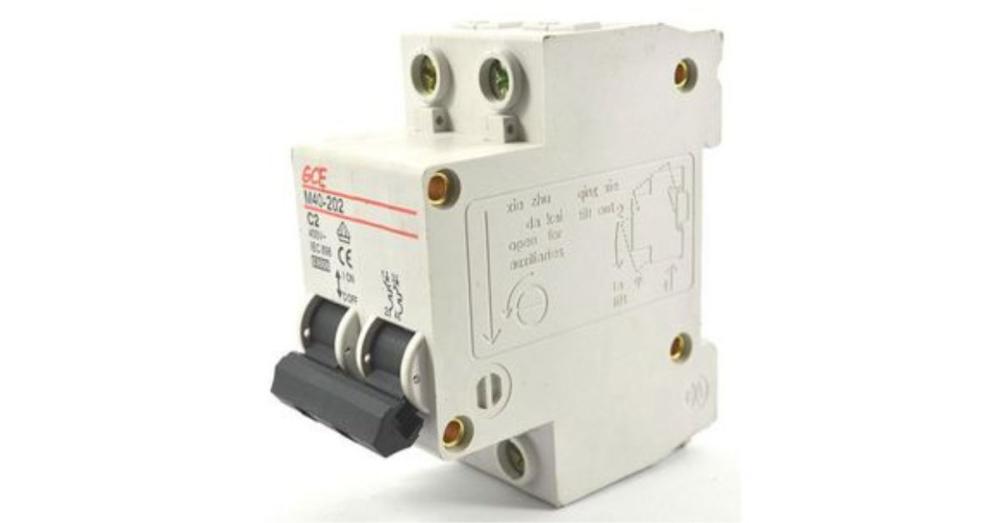
An MCB is an electrical safety device that automatically switches off a circuit if the current becomes too high. It mainly protects wiring and equipment from damage, rather than providing direct shock protection or earth leakage protection on its own.
Key Features of MCBs:
- Protect against overload and short-circuit faults that can overheat cables or damage equipment.
- Do not detect residual current or earth leakage faults by themselves.
- Commonly used in domestic and light commercial consumer units alongside separate RCDs for shock protection.
- Help keep circuits resettable and convenient compared with traditional fuses.
How MCBs Deliver Overload Protection
Inside a typical MCB there is a thermal element for slower overloads and a magnetic element for fast short-circuit trips. This combination lets the device disconnect quickly enough to protect cables, yet avoid nuisance tripping on normal start-up currents.
MCBs Are Widely Fitted To:
- Lighting circuits and ring mains where an upstream RCD handles residual current protection.
- General-purpose socket circuits in older or more cost-focused boards.
- Standard loads where basic overload protection is sufficient and risk is relatively low.
What Is an RCBO (Residual Current Breaker with Overcurrent)?
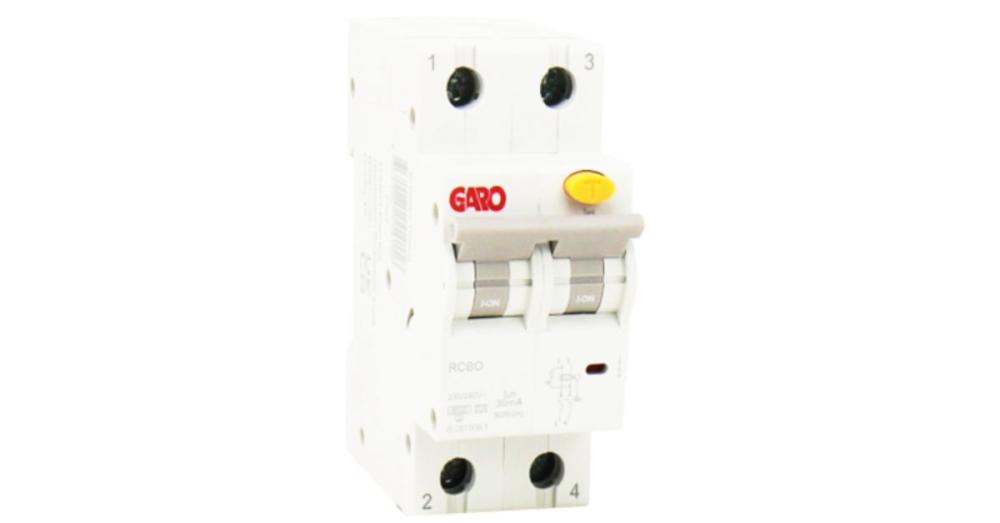
An RCBO combines overload protection and residual current protection in a single module. In practice, that means each circuit fitted with an RCBO is protected against both overcurrent faults and earth leakage protection issues that could lead to electric shock or fire.
Key Features of RCBOs:
- Perform the roles of an MCB and an RCD together in one device.
- Detect imbalance between live and neutral to trip quickly on earth faults.
- Provide targeted protection per circuit, improving electrical safety and fault discrimination.
- Well suited to modern electrical safety devices in domestic and light commercial installations.
Why RCBOs Are Increasingly Preferred
Electricians often choose RCBOs when they want every circuit to have its own combined overload and residual current protection. This setup reduces nuisance tripping and makes fault finding much easier, as only the affected RCBO operates instead of taking out several circuits at once.
RCBOs Are Especially Popular For:
- Bathrooms, kitchens and sockets near sinks where shock risk is higher.
- Outdoor circuits such as garden lighting, sheds and EV chargers.
- Circuits feeding IT equipment, fridges or freezers where unwanted outages cause real problems.
RCBO vs MCB: Earth Leakage vs Overload Protection
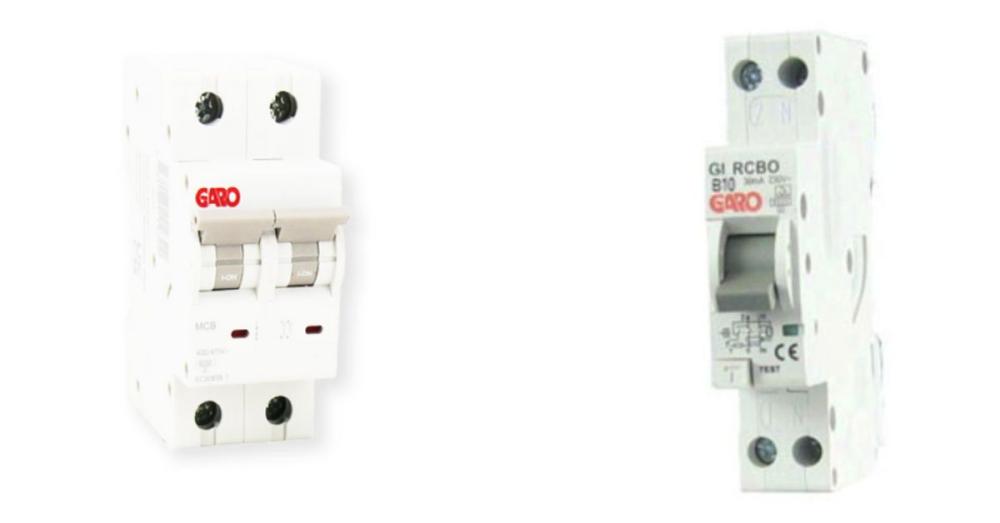
At its core, RCBO vs MCB is about which faults you want the device to detect and clear. An MCB deals only with overcurrent, while an RCBO also watches for dangerous earth leakage and residual currents.
In simple terms:
MCB:
- Protects against overload and short-circuit faults only.
- Helps prevent cable overheating and equipment damage.
- Relies on a separate RCD or RCCB for shock protection.
RCBO:
- Combines overload, short-circuit and residual current protection in one unit.
- Helps protect both the installation and the people using it.
- Detects earth leakage that an MCB alone cannot see, which improves overall circuit protection.
Residual current protection is vital because faults to earth can occur due to damaged insulation, moisture or contact with exposed conductive parts. By disconnecting the circuit rapidly, RCBOs and RCDs help lower the risk of electric shock and electrical fires that might otherwise stay hidden.
Source - The Electrical Guy
Practical Differences in Installation, Cost, and Safety
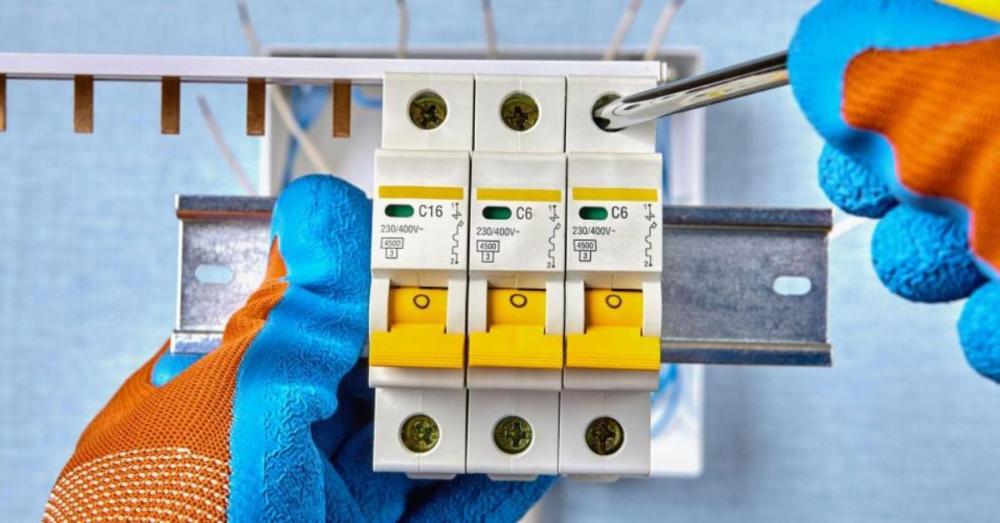
Using MCBs with shared RCDs often keeps initial hardware costs down but can lead to larger boards and more complex wiring in the consumer unit. Shared RCDs also increase the chance that one fault will shut down several circuits at once, which can be frustrating and time consuming to diagnose.
RCBO-based boards usually cost more per way but often save panel space and speed up installation. They also improve selectivity, as each circuit is individually protected, which is a major advantage when you are aiming for the best consumer unit for home with high reliability expectations.
Choosing the Right Device for Each Circuit
MCBs are typically sufficient for standard circuits that already sit behind a suitable RCD and where downtime is less critical. This can make sense for lighting circuits, some general sockets and lower risk areas where budget is tight but compliance is still met.
RCBOs are recommended wherever shock risk is higher, where you want to minimise nuisance tripping, or where circuits supply vulnerable occupants or mission critical loads.
Selection Tips: Ratings, Trip Sensitivity, and Application
When choosing either device, focus on:
- Current rating in amps to match cable size and design load.
- Breaking capacity to ensure the device can safely interrupt fault current.
- Trip curve (often type B or C) to suit the type of load on the circuit.
For RCBOs, also consider:
- Residual current rating, commonly 30 mA for additional protection in domestic circuits.
- Coordination with other electrical safety devices in the board so that protective devices operate in a logical, selective order.
Conclusion: Make the Right Choice with Meteor Electrical
When comparing RCBO vs MCB, choose an MCB where you mainly need overload protection on circuits that already have upstream RCD coverage and opt for an RCBO when you want combined overload and residual current protection on each individual circuit for maximum safety.
If you are upgrading or designing new consumer units, Meteor Electrical is a UK based supplier offering consumer units with surge protection, plus a wide range of RCBOs, MCBs, RCDs, isolators and accessories from trusted brands like Garo, Proguard and Gewiss that meet UK and Ireland standards.
Explore Meteor Electrical today to build a reliable, compliant and future ready board for homes and commercial projects.
FAQs
1. What is the main difference between an RCBO and an MCB?
An MCB only protects against overload and short circuits, while an RCBO adds residual current and earth leakage protection on the same circuit for more comprehensive safety.
2. Do I need earth leakage protection on every circuit?
Current best practice and domestic wiring regulations increasingly call for residual current protection on most final circuits, especially those supplying sockets and outdoor or wet areas.
3. Can I replace an MCB with an RCBO in an existing consumer unit?
Often yes. This is as long as the RCBO is compatible with the board and busbar system and installation follows the manufacturer’s instructions and local rules.
4. Is an RCBO safer than an MCB with a shared RCD?
Both can be safe. Individual RCBOs usually offer better discrimination and fewer nuisance trips because each circuit has its own combined protection.
5. How do I choose the right RCBO rating for my circuit?
Match the current rating and trip curve to the cable and load, then select a suitable residual current rating, typically 30 mA for domestic additional protection, in line with the overall board design.