
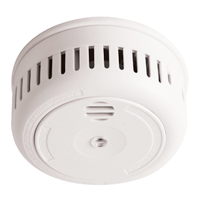
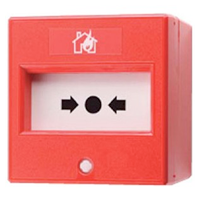
Fire and life safety products are the alarms, detectors, panels and call devices that warn occupants of fire, smoke, heat or carbon monoxide so they can get out safely. Our range covers domestic smoke, heat and CO alarms from Firehawk, X-Sense, Kidde and Hispec, plus conventional fire alarm systems from CFP, Apollo, C-TEC and ESP.
Electricians and contractors can buy on trade pricing, and in-stock orders placed by 5pm Monday to Friday reach sites across Northern Ireland and the Republic of Ireland the next working day.
At a glance
- 80+ smoke, heat and CO alarms, fire panels and call points
- Brands including X-Sense, Apollo, ESP, Firehawk, Hispec, C-TEC and Kidde
- Domestic interlinked alarms through to conventional fire alarm systems
- Next working day delivery across NI and ROI on orders by 5pm Mon–Fri
Choosing fire and life safety equipment
Fire and life safety covers two broad families of product: standalone or interlinked alarms for homes and small premises, and panel-based fire detection systems for commercial buildings. Knowing which one a project calls for is the first decision to make.
Domestic alarms
Our smoke, heat and carbon monoxide alarms include mains-powered units with rechargeable or 9V battery back-up, sealed 10-year lithium battery alarms and radio-frequency (RF) models that interlink without extra cabling. Typical choices are:
- Optical smoke alarms for hallways, landings and living rooms
- Heat alarms for kitchens and garages, where smoke alarms are prone to nuisance triggering
- Carbon monoxide alarms near fuel-burning appliances such as boilers, stoves and open fires
- Disabled toilet alarm kits for accessible WCs in commercial and public buildings
Commercial fire alarm systems
Larger buildings normally need a fire alarm system built around a control panel, with zoned detectors, manual call points and sounders or visual alarm devices. We stock conventional and two-wire panels from CFP alongside ActiV, Alarm Sense and Apollo Series 65 detectors and bases, plus standby batteries and spares.
Compliance and installation
Fire detection is a regulated area. The grade and category of system, where devices go and how they are wired depend on the building type and current building regulations, so check the latest guidance and the manufacturer's instructions before specifying. Mains alarms and panels should be installed by a competent person, with fire-rated cabling where the design calls for it.
Buying from Meteor Electrical
Meteor Electrical is a family-run wholesaler with over 40 years in the trade, dispatching from a 200,000 sq ft warehouse in Cookstown with depots in Cashel and Saggart. Delivery is free on orders over £30 / €35 ex VAT, Click & Collect is available at the Cookstown trade counter, and our team is on 028 8675 1515 (048 from ROI), Monday to Friday 8am–5pm.
Popular in Fire & Life Safety
- Smoke alarms
- Heat alarms
- Carbon monoxide alarms
- Combination alarms
- Disabled toilet alarms
- Conventional fire systems
- Fire alarm accessories
Popular brands
Related departments
Frequently asked questions
What is the difference between a fire alarm and a smoke alarm?
A smoke alarm is a self-contained device with its own sensor and sounder, usually fitted in homes. A fire alarm system is a network of detectors, call points and sounders wired back to a control panel, normally used in commercial and multi-occupancy buildings. Panel systems can be zoned and monitored, while domestic smoke alarms are typically interlinked so that one sounding triggers the others.
Which fire safety alarms do I need in a house?
Most homes need optical smoke alarms in circulation spaces and main living areas, a heat alarm in the kitchen and a carbon monoxide alarm in any room with a fuel-burning appliance. Alarms are usually interlinked so all of them sound together. Exact requirements vary between new builds, rentals and existing homes, so check the current building regulations for your location.
Do commercial premises need a panel-based fire alarm system?
Many commercial premises do, although the type and grade of system depends on the size, use and occupancy of the building. A fire risk assessment normally determines what level of detection and warning is required. Smaller, low-risk premises may need less, but always check current regulations and seek advice from a fire safety professional before choosing equipment.
Can RF wireless alarms be mixed with hard-wired interlinked alarms?
Often yes, provided they are from the same manufacturer's system. Many ranges offer RF base modules or RF-enabled mains alarms that bridge wired and wireless devices, which is useful for extending protection to an outbuilding or loft without chasing cable. Brands are rarely cross-compatible, so stay within one range and follow the manufacturer's pairing instructions.
How often should smoke, heat and CO alarms be tested?
Domestic alarms are generally tested weekly or at least monthly using the test button, and replaced at the end of the life stated by the manufacturer. Commercial fire alarm systems are tested routinely, often weekly from a call point, and serviced by a competent person at set intervals. Follow the manufacturer's guidance and any requirements in your fire risk assessment.
Can I get fire safety products delivered to site the next day?
Yes. In-stock items ordered by 5pm Monday to Friday are delivered the next working day across Northern Ireland and the Republic of Ireland using our own vans and DPD. Deliveries to England, Scotland and Wales take 3–5 working days, and orders over £30 / €35 ex VAT ship free. You can also collect from our Cookstown trade counter.
Where should smoke alarms be fitted in a house?
Smoke alarms are typically fitted on the ceiling of every circulation space, such as hallways and landings, and in the main living room, with a heat alarm in the kitchen. Alarms should be interlinked so they all sound together. Requirements differ between Northern Ireland, England, Scotland, Wales and the Republic of Ireland, so check current building regulations and BS 5839-6.
Should I choose mains-powered or battery smoke alarms?
Mains-powered alarms with a backup battery are usually required in new homes and major refurbishments, and they are normally interlinked by cable or radio. Sealed 10-year lithium battery alarms suit existing homes and rental properties where running new cables is difficult. Radio-interlinked alarms combine easy installation with whole-house warning. Check what regulations require for your property.
Where should a carbon monoxide alarm be installed?
A carbon monoxide alarm is usually fitted in any room with a fuel-burning appliance, such as a boiler, stove or open fire, typically between one and three metres from the appliance. Many regulations now require CO alarms when new appliances are installed. Follow the alarm manufacturer's positioning instructions and check current building regulations for your area.
How long do smoke and heat alarms last?
Most smoke and heat alarms should be replaced around ten years after installation, as sensors become less reliable over time. Many alarms show a manufacture or replace-by date on the side. Test alarms regularly using the test button and replace any that fail or are past their date. Sealed-battery models are replaced as a complete unit.