
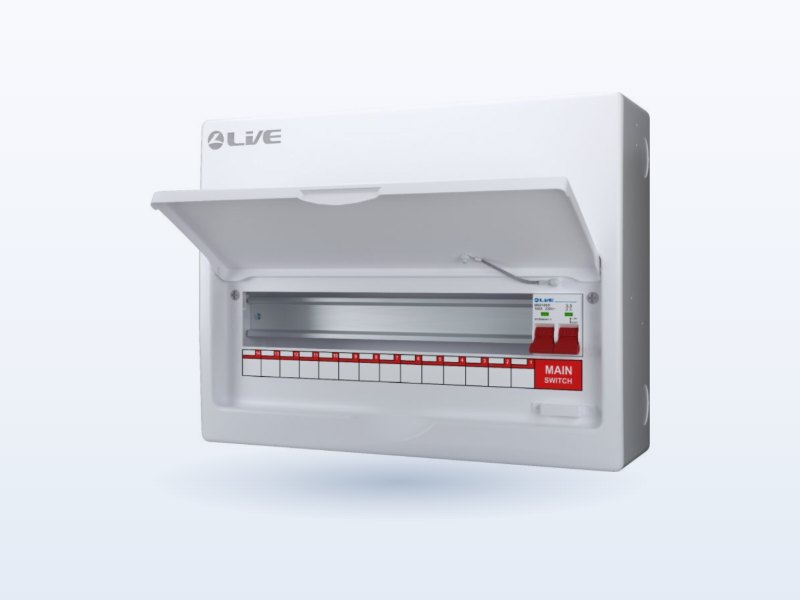
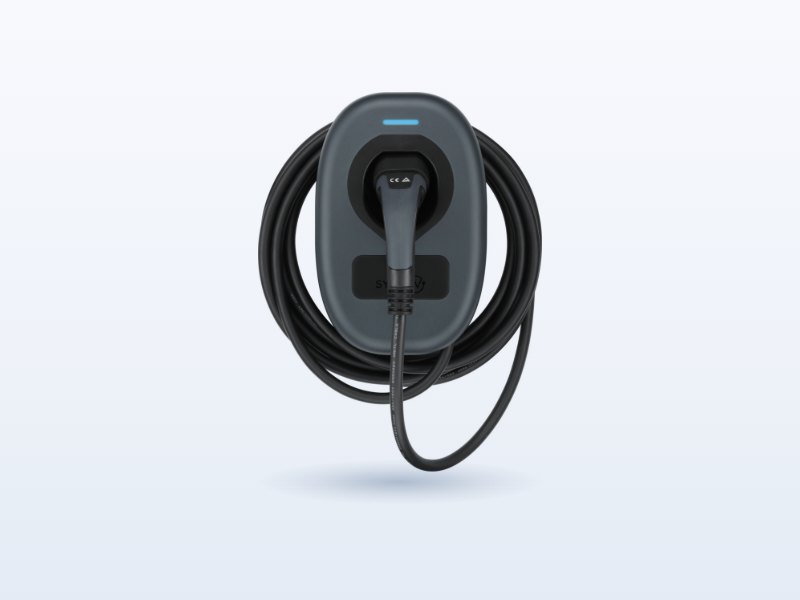
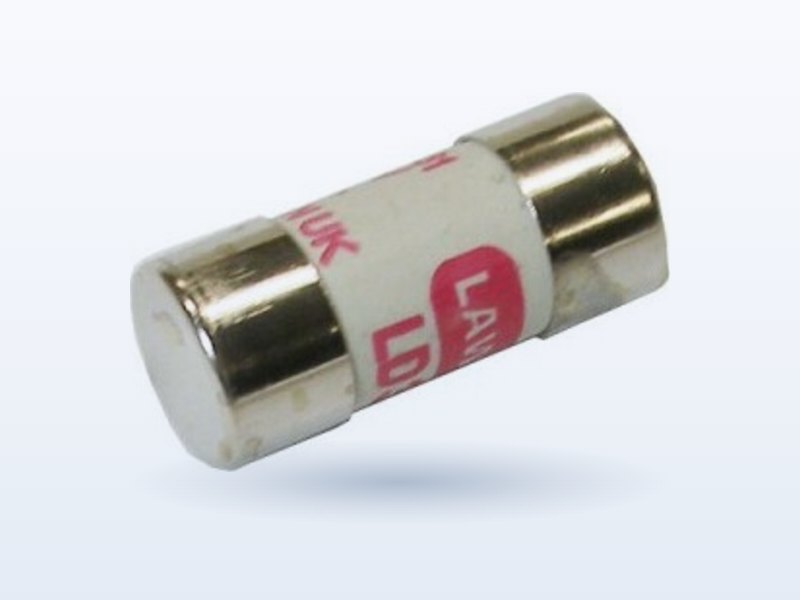
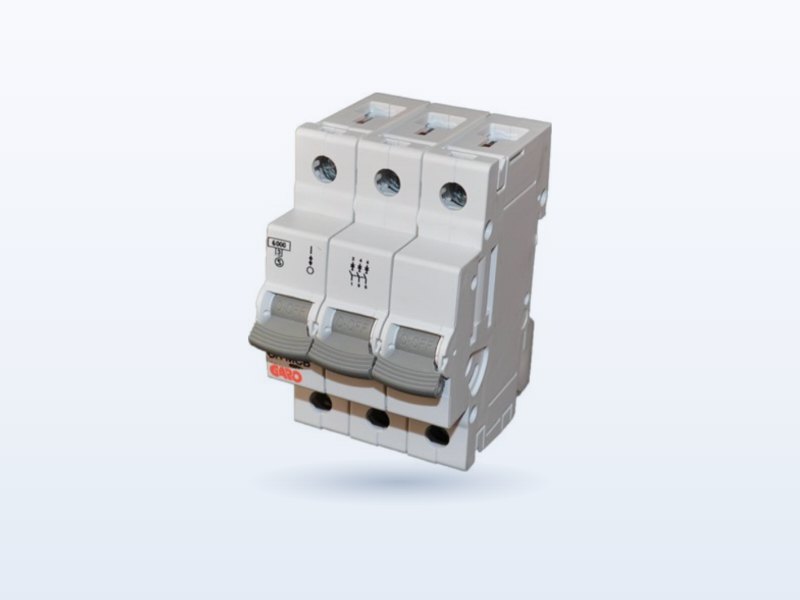
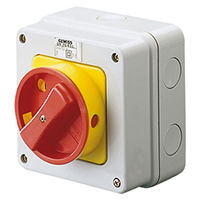
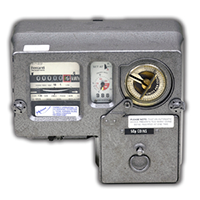
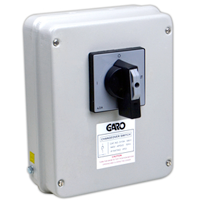
Distribution and control products are the devices that take an incoming electrical supply, divide it into protected circuits and let you switch, isolate, meter or monitor it safely. This section brings together consumer units and distribution boards, MCBs, RCDs and RCBOs, TP&N isolators, changeover switches, fuses, meters and EV chargers from trade brands including Garo and Live Electrical.
Trade account holders buy at trade prices across the whole range, and in-stock orders placed by 5pm Monday to Friday reach sites in Northern Ireland and the Republic of Ireland the next working day.
At a glance
- 300+ consumer units, breakers, RCBOs, isolators, meters and fuses
- Brands including GARO, Live Electrical, Lawson and Lucy Zodion
- Domestic consumer units through to TP&N boards and switchgear
- Next working day delivery across NI and ROI on orders by 5pm Mon–Fri
Finding the right distribution and control products
Almost every installation, from a single dwelling to a factory unit, depends on the gear between the supply intake and the final circuits. This section is organised so you can go straight to the part of the job you are working on.
What you will find in this section
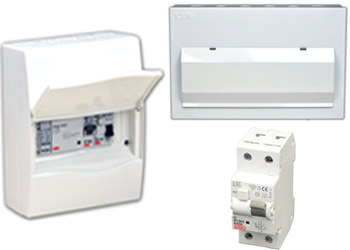
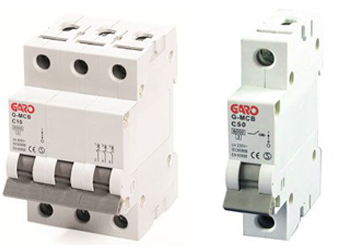
- Consumer units and protective devices - metal clad enclosures, split load and RCBO boards, MCBs, RCDs, RCBOs, isolators, surge protection and busbars. Start with our consumer units range.
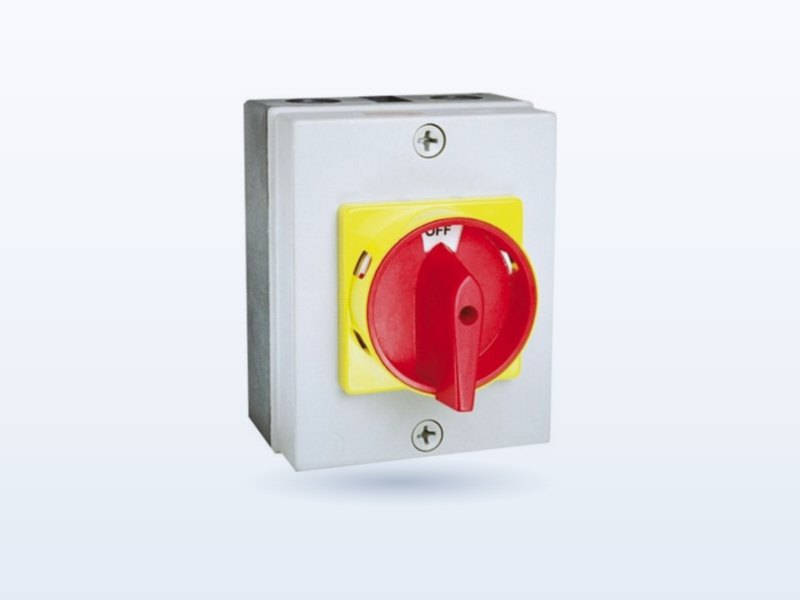
- Three phase distribution - TP&N boards and switchgear for commercial and light industrial supplies, plus TP&N isolators and switch fuses.
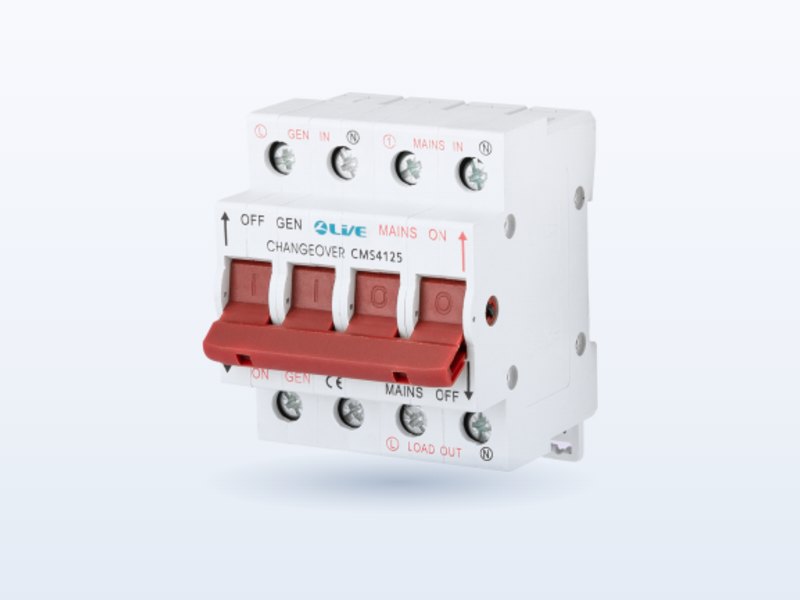
- Standby supplies - changeover switches for transferring a load between mains and a generator.
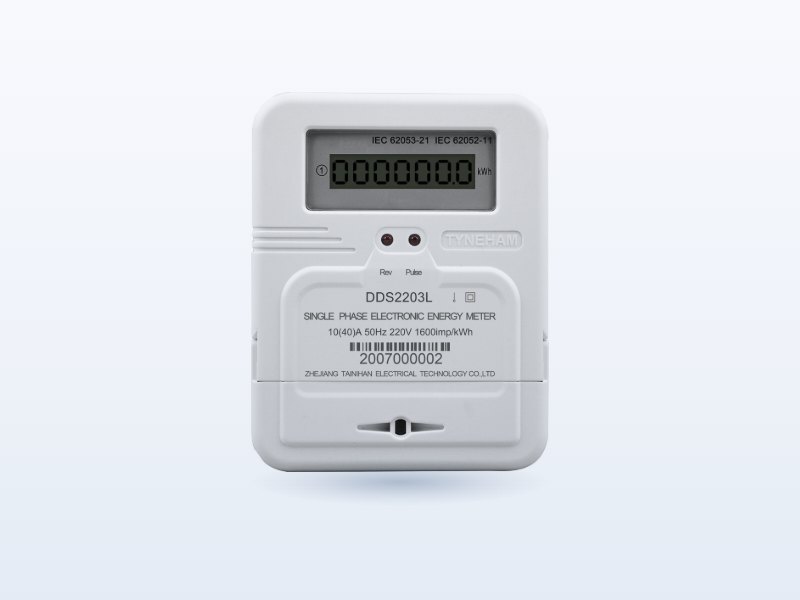
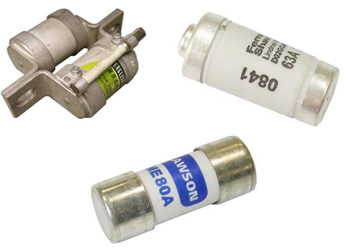
- Fuses and metering - plug top, cut-out, consumer unit and Neozed fuses, along with kWh and prepayment meters.
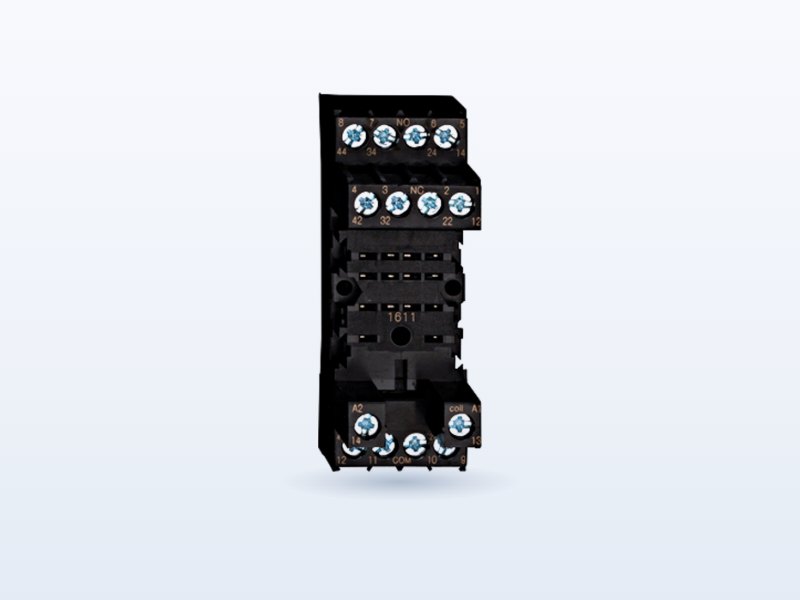
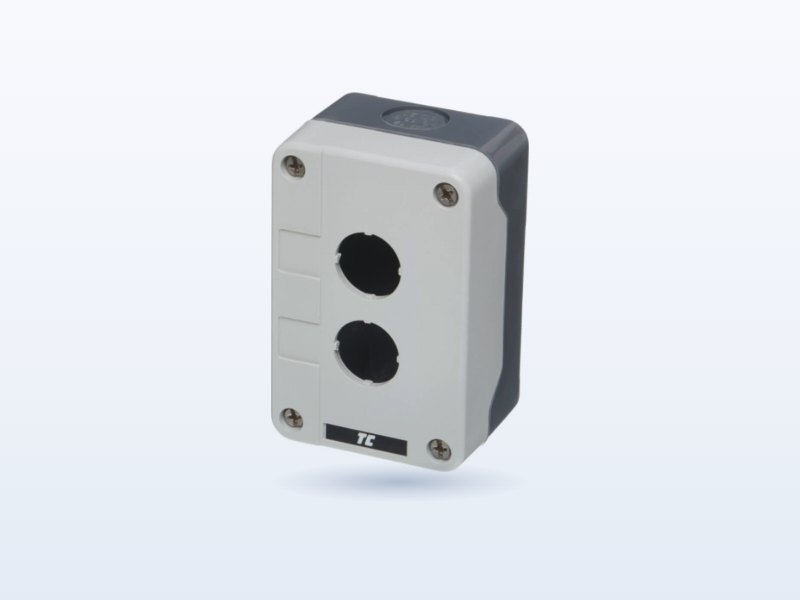
- EV charging and automation - EV chargers, push buttons, pilot lamps, contactors and relay sockets.
Domestic or commercial?
Single-phase homes and small premises usually need a consumer unit fitted with MCBs and RCDs or individual RCBOs. Larger buildings with a three phase supply normally call for TP&N boards, triple pole breakers and rotary or boxed isolators. Matching the board, protective devices and accessories from the same manufacturer keeps the assembly within its tested configuration.
Compliance and safety
Distribution work involves live supplies and design decisions about discrimination, fault levels and RCD protection. Always work to the current wiring regulations (BS 7671 in the UK, and the equivalent national rules in Ireland), follow the manufacturer's instructions and have installations tested and certified by a competent person.
Ordering from Meteor Electrical
We are a family-run wholesaler with more than 40 years in the trade, holding 5,000+ products in our 200,000 sq ft Cookstown warehouse. Delivery is free over £30 / €35 ex VAT, with Click & Collect available from the Cookstown trade counter.
Popular in Distribution & Control
Popular brands
Related departments
Frequently asked questions
What is the difference between a consumer unit and a TP&N distribution board?
A consumer unit is normally a single-phase board for homes and small premises, while a TP&N distribution board handles a three phase and neutral supply for commercial or industrial buildings. Both split the incoming feed into protected circuits, but TP&N boards accept triple pole devices and usually have larger main switches, such as 125A incomers, to suit heavier loads.
Do I need surge protection in a new consumer unit?
In many cases yes - current wiring regulations expect surge protection to be considered and fitted in most new installations unless a risk assessment shows otherwise. A Type 2 surge protection device sits in the board and diverts transient overvoltages to earth. Check the current edition of the wiring regulations and the board manufacturer's instructions for the right device and connection method.
When do I need a changeover switch?
You need a changeover switch whenever a building can be fed from a standby generator as well as the mains. The switch physically selects one supply at a time so the generator can never back-feed the network, which protects line workers and your equipment. Size it to the full load current and the number of poles your supply uses.
Should each circuit be protected by an MCB, RCD or RCBO?
It depends on the board design, but many installers now fit an RCBO on every circuit because it combines overcurrent and earth leakage protection. A split load board instead uses MCBs grouped behind one or two shared RCDs, which costs less but means one fault can trip several circuits. The circuit designer should confirm the arrangement against current wiring regulations.
Can I mix different brands of breakers in one consumer unit?
It is best not to. Consumer units are tested as a complete assembly with the manufacturer's own devices, and fitting another brand's MCBs or RCBOs may not seat correctly on the busbar and can invalidate that type-tested status. Choose protective devices that the board manufacturer lists as compatible, or replace the board if matching parts are no longer available.
Can I collect distribution and control products instead of having them delivered?
Yes, Click & Collect is available from our Cookstown trade counter. If you would rather have goods brought to site, in-stock items ordered by 5pm Monday to Friday are delivered next working day across Northern Ireland and the Republic of Ireland, and delivery is free on orders over £30 / €35 ex VAT.
Do consumer units have to be metal?
In the UK, consumer units in domestic premises have been required to have a non-combustible enclosure, typically steel, since an amendment to BS 7671 introduced in 2016. The requirement aims to contain fire if a fault occurs. Requirements in the Republic of Ireland follow national wiring rules. Check current regulations for the installation location before choosing an enclosure.
What is the difference between an RCD and an RCBO?
An RCD detects earth leakage and disconnects the supply, but on its own it does not protect against overload or short circuit. An RCBO combines an RCD and an MCB in one device, giving each circuit its own earth leakage and overcurrent protection. This means a fault on one circuit does not trip others, which is why RCBO boards are increasingly popular.
How many ways do I need in a consumer unit?
Count the circuits you need now, such as lighting, sockets, cooker, shower and immersion, then add spare ways for future additions like EV charging or extra circuits. Surge protection and main switches also take up space. Choosing a board with a few spare ways avoids replacing it later. Check that all devices are compatible with the board manufacturer.
What type of RCD do I need for an EV charger?
EV charging circuits often need protection against DC fault currents, which a standard Type AC RCD cannot detect. Depending on the charger, this may mean a Type A RCD with built-in DC detection in the charger, or a Type B or Type EV RCD. Always follow the charger manufacturer's installation instructions and current wiring regulations for electric vehicle charging.