
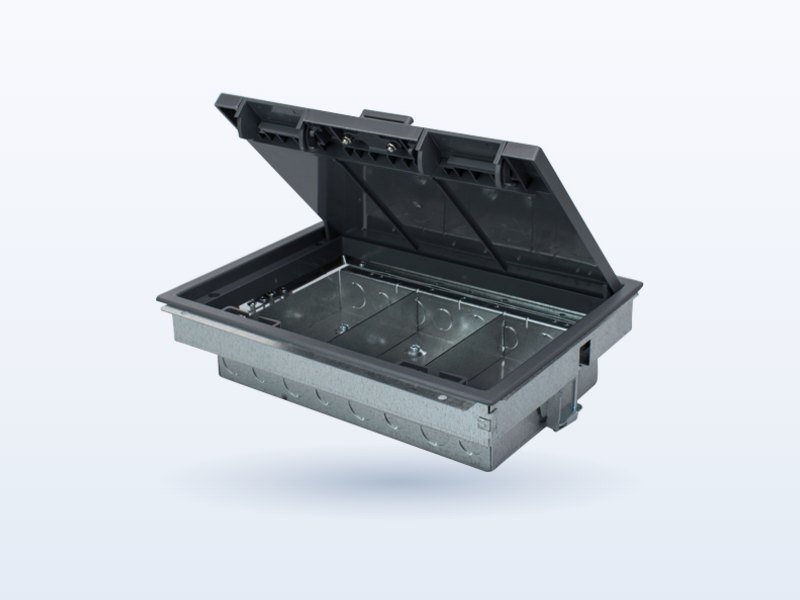
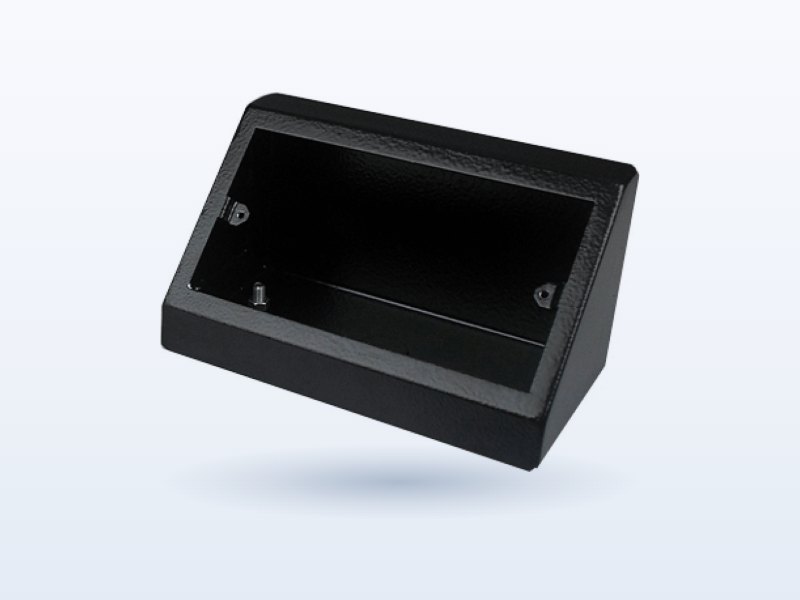
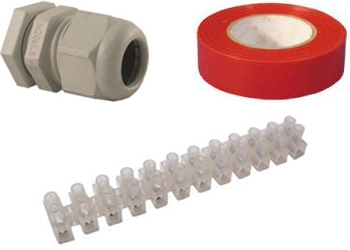
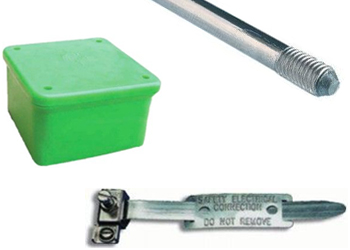
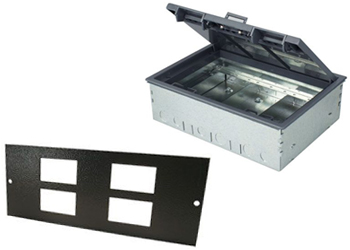
Cable and cable management covers the cables that carry power and data through a building and the systems that route, protect and terminate them. This department brings together electrical cable from twin and earth to SWA, plus trunking, conduit, cable tray, boxes, enclosures, glands, lugs and fixings.
Brands include Marshall-Tufflex, Unistrut, PEMCO, Deligo and Kilflam. Open a trade account for trade pricing; order in-stock lines by 5pm Monday to Friday and they will be with you the next working day anywhere in NI or ROI.
At a glance
- 600+ trunking, conduit, tray, enclosure and accessory lines
- Brands including Marshall-Tufflex, Unistrut, Unicrimp, Deligo and Conlok
- Glands, clips, ties, connectors and earthing to finish the job
- Order by 5pm Mon–Fri for next working day delivery across NI and ROI
Cable and cable management: what you will find here
Whether you are wiring a house, fitting out an office or running submains across an industrial site, this section has the cable and containment to do the job. Use the overview below to go straight to the right range.
Electrical cable
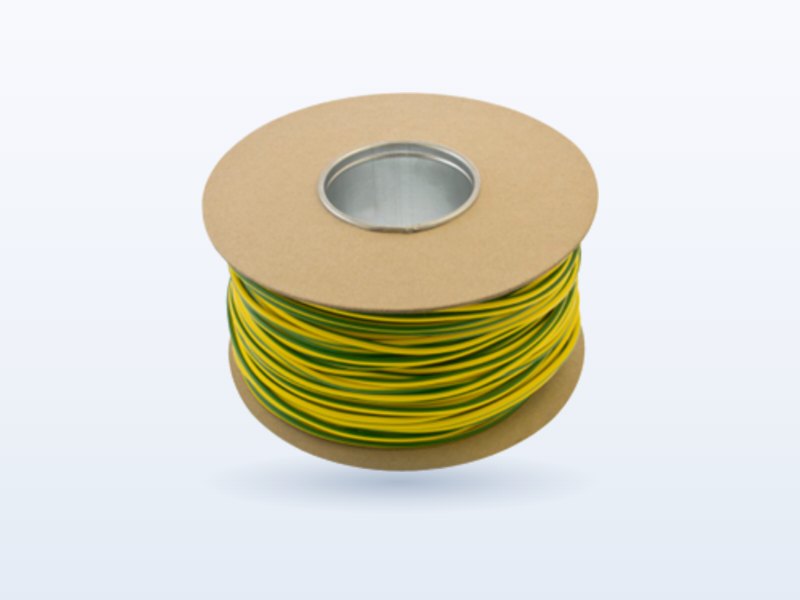
Our electrical cable range covers twin and earth, 3 core and earth, single core, NYM-J LSF and NYY-J, SWA armoured cable, flexible cable and fire resistant cable, alongside network, coaxial, alarm, telephone, speaker and bell cable. Many lines are available on coils, drums or by the metre.
Cable management and containment
The cable management section includes:
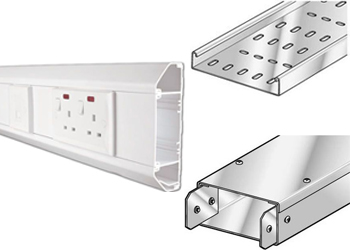
- PVC mini and maxi trunking and 3 compartment dado trunking
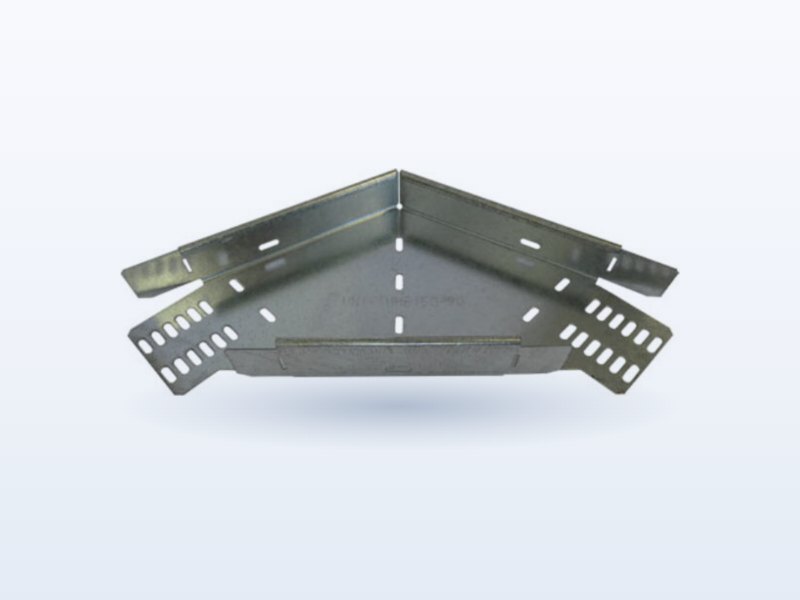
- Galvanised steel trunking and cable tray
- PVC, flexible and galvanised steel conduit with boxes and fittings
- Strut, brackets and supports
Boxes, enclosures and accessories
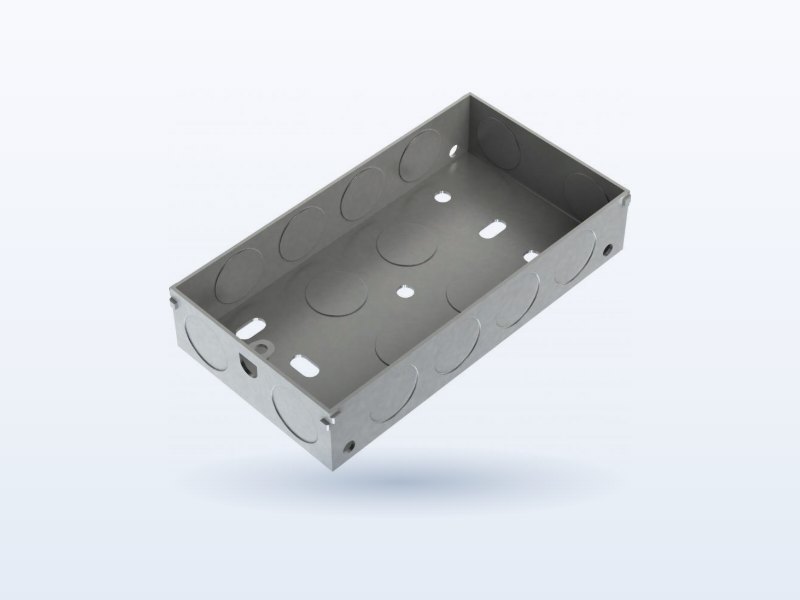
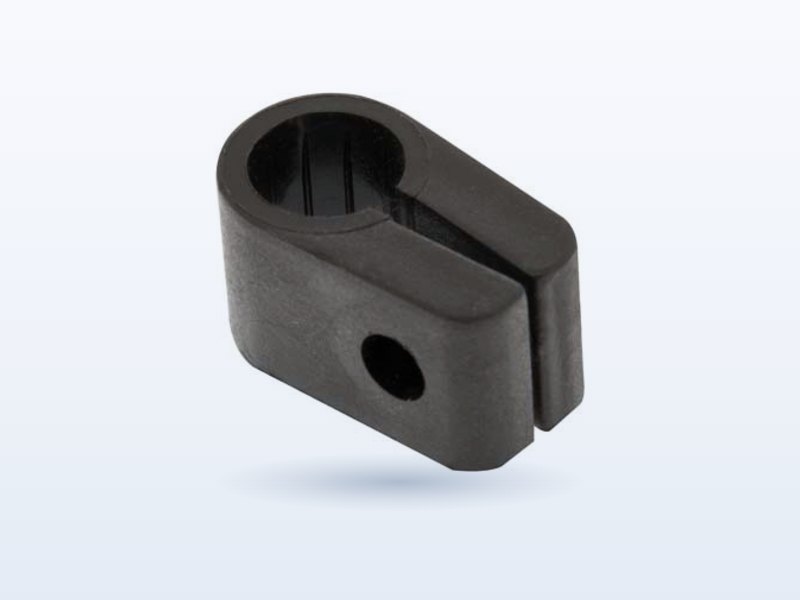
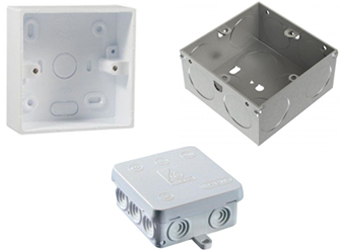
For terminations and connections, browse boxes and enclosures, including adaptable boxes, IP-rated junction boxes, steel back boxes and meter boxes. The cable accessories range covers glands, lugs, crimps, connectors, grommets, heat shrink, ties and clips.
Getting the installation right
Choose cable for the design current, voltage drop, installation method and environment, and choose containment for the number of cables, the need for segregation and the level of mechanical protection required. Low smoke and fume products are often specified for public buildings and escape routes. Always check current wiring regulations (BS 7671) and manufacturers' instructions.
Meteor Electrical is a family-run wholesaler with over 40 years in the trade and 5,000+ products in stock. Delivery is free over £30 / €35 ex VAT, orders to England, Scotland and Wales take 3–5 working days, and you can call 028 8675 1515 (048 from ROI) for help.
Popular in Cable & Cable Management
- PVC trunking
- PVC conduit
- Cable tray & basket
- Strut & supports
- Junction boxes
- Cable glands
- Cable ties
- Earthing
Popular brands
Related departments
Frequently asked questions
What is the difference between trunking and conduit?
Trunking is a rectangular enclosure with a removable lid, so cables can be laid in and added later. Conduit is a round tube that cables are drawn through, giving more enclosed protection. Trunking suits larger numbers of cables and easy access, while conduit is often used for neat, robust runs to individual points.
When should I use cable tray instead of trunking?
Cable tray is used to support large numbers of cables, or heavy cables such as SWA, in plant rooms, ceiling voids and industrial buildings. It is open, so cables stay cool and easy to add or inspect. Trunking encloses cables and is better where they need to be hidden or protected.
What cable management is suitable for outdoor use?
Outdoor runs commonly use galvanised steel conduit, PVC-coated flexible conduit, UV-stable PVC conduit or armoured cable clipped direct. Choose products the manufacturer rates for external use, and use IP-rated boxes and glands at terminations to keep water out. Check current wiring regulations for the environment involved.
Do I need LSF cable and containment?
Low smoke and fume (LSF) or low smoke zero halogen products are often specified for public buildings, escape routes, hospitals, schools and enclosed spaces, because they release less smoke and fewer harmful gases in a fire. Your project specification or the building's fire strategy will say whether they are required.
Which cable accessories do I need to terminate SWA cable?
SWA terminations usually need a correctly sized armoured cable gland, a shroud, an earth tag to bond the armour, and sometimes lugs for larger conductors. Where a cable is joined underground, a purpose-made resin joint kit is used. Follow the gland and cable manufacturers' instructions.
Can I collect cable and containment from your trade counter?
Yes. Click & Collect is available from our Cookstown trade counter, Monday to Friday. Alternatively, in-stock items ordered before 5pm on a working day are delivered next working day across NI and ROI, with free delivery over £30 / €35 ex VAT.
What size trunking do I need for my cables?
Trunking is sized so the cables fill no more than a set proportion of its internal space, which allows for heat dissipation and future additions. A commonly used guide is around 45% fill, but the exact limit depends on the cable types and installation. Use the manufacturer's capacity tables and current wiring regulations, and allow spare room if more circuits may be added later.
What is the difference between 20mm and 25mm conduit?
The number refers to the outside diameter. 20mm conduit is common for lighting and small power circuits, while 25mm holds more or larger cables, such as for submains or grouped circuits. The right size depends on the number and size of cables, the length of the run and the number of bends. Check capacity tables before choosing.
Do metal cable supports need to be used in escape routes?
Current wiring regulations require cables in escape routes and many other areas to be supported so they will not fall and obstruct people or firefighters during a fire. In practice, this means using metal or fire-resistant clips, ties and supports rather than plastic alone. Check current wiring regulations for where this applies and which fixings are acceptable.
Which cable glands do I need for SWA cable?
SWA cable is usually terminated with a BW gland indoors or a CW gland outdoors and in damp locations, sized to the cable's overall diameter and armour. Add a shroud to protect the gland, and earth tags or banjos to bond the armour where required. Matching locknuts and washers complete the termination. Check the gland size chart before ordering.