
Conventional Fire Systems
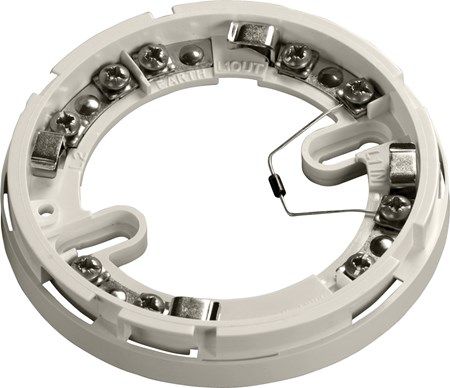
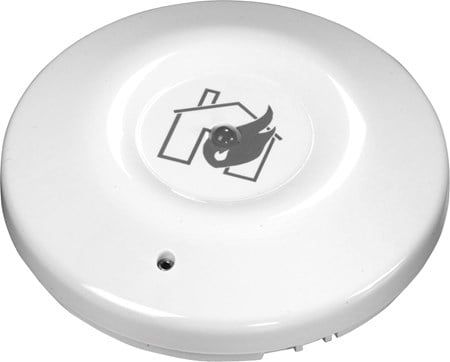
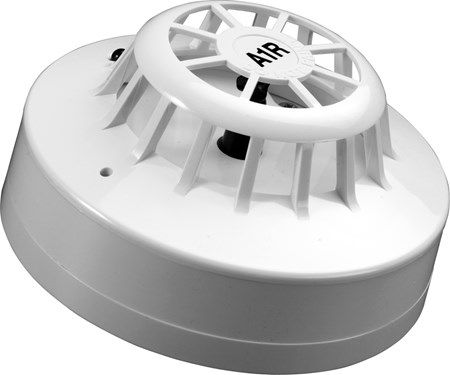
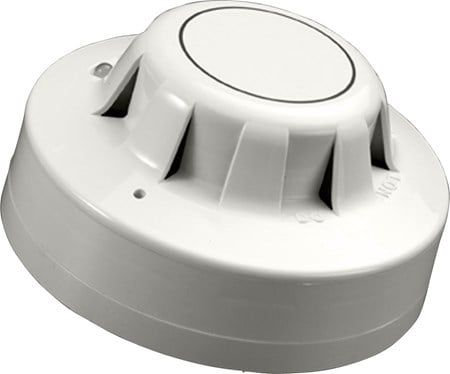
Conventional fire alarm systems are zoned detection systems in which detectors, call points and sounders are wired in circuits back to a control panel that shows which zone has activated. We stock CFP 2 and 4 zone panels, including two-wire versions, with ActiV, Alarm Sense and Apollo Series 65 detectors and bases.
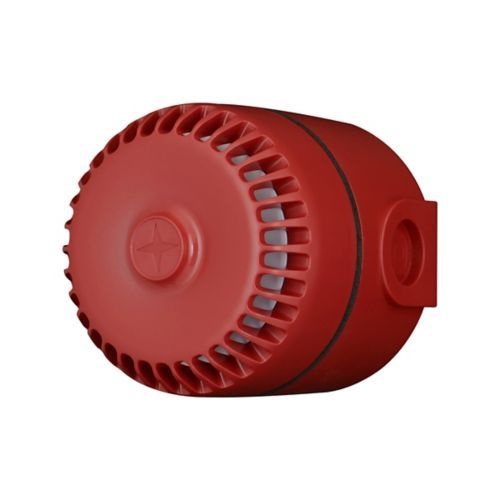
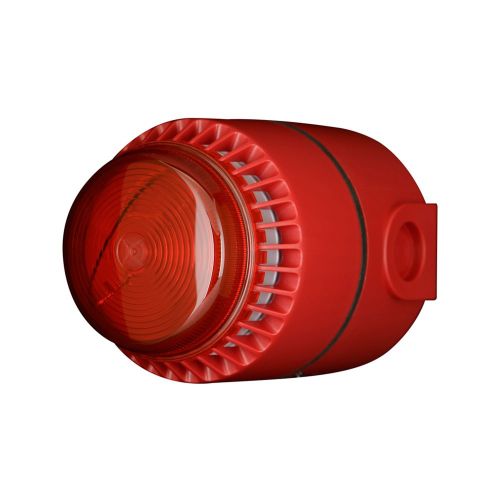
The range also includes Fireline and Alarm Sense call points, Banshee sounders, ESP MAGFIRE bells and C-TEC relays. Trade customers buy at account rates, and in-stock items ordered by 5pm reach NI and ROI sites next working day.


How to choose a conventional fire alarm system
Conventional systems divide a building into zones, each wired as a separate circuit. When a device operates, the panel indicates the zone, which makes them a cost-effective choice for small and medium premises such as shops, offices, surgeries and small schools.
Panel size and wiring type
- Zone count: choose a panel with enough zones for the layout, plus spare capacity for future extensions. CFP panels are available in 2 and 4 zone versions.
- Standard four-wire: detectors and sounders run on separate circuits.
- Two-wire: detectors, call points and sounders share the same pair of cores, cutting cable and labour. The CFP AlarmSense two-wire panel is designed for Alarm Sense devices.
- Mounting: surface or recessed panel options to suit the finish of the building.
Field devices
Match each detector to the risk: optical smoke detectors for general areas, fixed-temperature or rate-of-rise heat detectors where smoke or steam is normal. Add resettable manual call points on exits, with protective covers in areas at risk of accidental operation, and sounders, bells or VADs so the warning reaches every occupant. Remote indicators help where detectors are hidden from view. Spares and standby batteries are listed under fire alarm accessories.
Design and compliance
The category and layout of a system is normally set by a fire risk assessment and the applicable design standards (commonly BS 5839-1 for non-domestic premises), so check current guidance before specifying. Wire using suitable fire-resistant cable, follow BS 7671 for the supply and leave clear zone charts and a logbook at handover. Many projects pair the fire system with emergency lighting; the ESP emergency light test switch helps with routine testing.
Trade supply from Meteor
We are a family-run wholesaler with a 200,000 sq ft warehouse in Cookstown and depots in Cashel and Saggart. Orders over £30 / €35 ex VAT ship free, and credit accounts are available subject to approval.
FAQ's
- Are Fire Detection Alarms a requirement?
- How do Fire Detection systems work?
- Where should I install Fire Detectors?
- What Fire Detector Systems do you supply?
- What are Smoke Detection Alarms?
- What Fire Detector System is suitable for bedrooms?
- What is a Fire Break Glass system?
- What does Fire Isolation Switch do?
- How does a Fire Panel work?
- Can I Install Fire Detections alarms myself?
- What is the difference between conventional and addressable fire alarms?
- How many detectors can go on one zone of a conventional panel?
- What is a two-wire fire alarm system?