
What Screws, Bolts and Fixings Do Electricians Actually Need on Site?
What Screws, Bolts and Fixings Do Electricians Actually Need on Site?
Ask any electrician what's in the bottom of their toolbox, and you'll usually get the same answer: a jumble of screws, bolts and washers picked up over years on the tools. Wood screws for timber, self-tappers for metalwork, machine screws for panels, concrete screws for masonry, and a scattering of nuts, bolts and washers to hold everything else together. Meteor Electrical carries most of this as standard, which helps when a job calls for something specific rather than whatever happens to be rattling around the van. This piece runs through what actually earns its place in a fastener kit, why one screw never does every job, and how to match the fixing to the surface in front of you.
Why Electricians Can't Rely on Just One Type of Screw
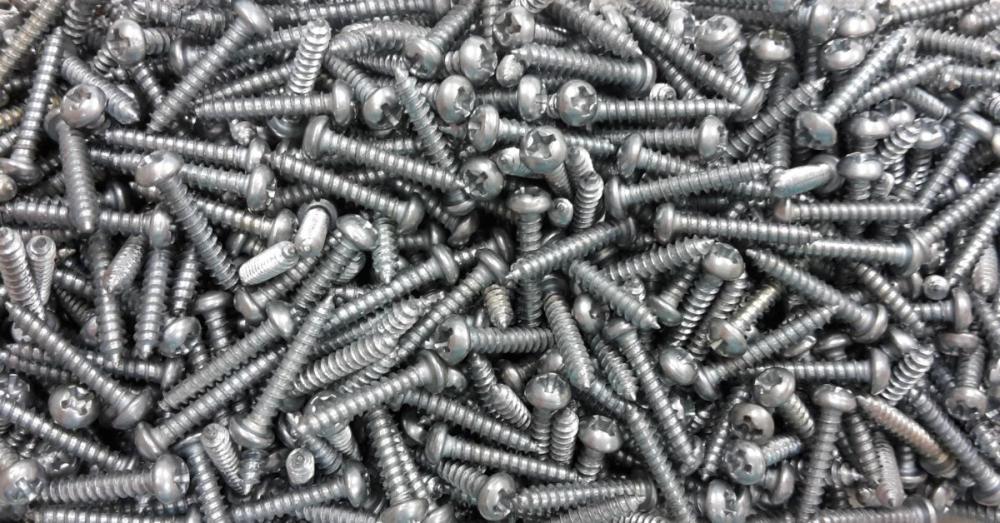
You must be aware that no single screw suits every job. Timber joists, plasterboard, brick, steel trunking and concrete lintels all behave differently under load. Using the wrong fixing risks poor grip, corrosion, or a fitting that works loose over time, which is why a varied selection is essential rather than optional.
Essential Screws Every Electrician Should Keep in Their Toolbox
Most electrical work on site comes down to fixing into one of a handful of materials, so these four screw types tend to cover the bulk of it.
- Wood Screws: The go-to for back boxes, batten holders and trunking on timber joists, studwork and skirting, driving in cleanly without much fuss.
- Self-Tapping Screws: Built to cut their own thread as they go, so they're handy for trunking lids, cable trays and thin metal enclosures.
- Machine Screws: Used with a nut or a tapped hole, these keep switchgear covers, panel doors and terminal fixings sitting flush and secure.
- Concrete Screws: Made to bite straight into masonry, skipping the extra step of fitting a plug first when time is tight.
List of Bolts, Nuts and Washers You Must Have
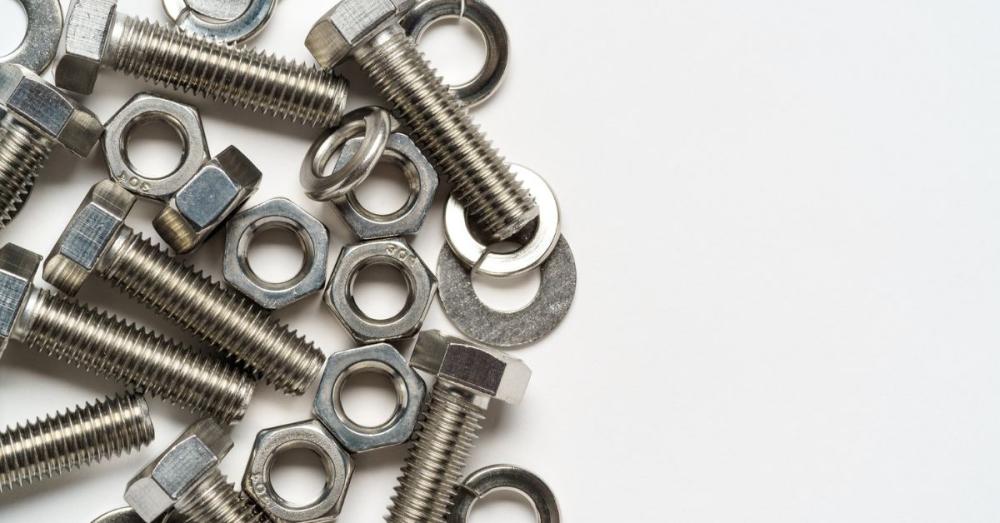
A screw on its own doesn't always cut it. These six items from Meteor Electrical's range cover most of what comes up on a typical job.
- Brass Countersunk Screws: These sit flush once driven in, giving switch plates and brass fittings a tidy finish. Brass also shrugs off corrosion far better than plain steel, so it's a sound pick anywhere damp is a concern or appearance actually matters.
- Steel Hexagon Nuts: Paired with threaded rod or bolts, these hold cable tray, containment and support brackets together. Nothing exciting about them, but they're the sort of thing you never want to run out of mid-install.
- Spring Washers: Fitted under a nut or bolt head, these stop the joint working loose from vibration, which matters more than people expect on plant-mounted equipment or busy containment runs.
- Roofing Nuts and Bolts: A bolt and matching nut in one, commonly used for bracket fixings, tray supports and other exposed hardware that needs to shrug off the weather.
- Catenary Wire Kits: Steel wire and fittings for suspending cable between two fixed points, a method most electricians will recognise from temporary supplies or long site cable runs.
- Chipboard Screw and Plug Sets: A megabucket, rawlplugs and bits. The plug and screw sold as a pair, quick to grab when you need a reliable fix into chipboard, plasterboard or masonry without hunting for two separate items.
Choosing the Right Fixing for Different Surfaces
Every surface asks for something slightly different. Timber will usually take a wood screw with no fuss, while plasterboard needs a plug or cavity fixing to stop it pulling straight back out. Brick and blockwork call for a plug and screw combination, or a concrete screw where speed matters more. Solid concrete tends to demand a proper concrete screw or anchor bolt, nothing less. Steel trunking and enclosures suit self-tapping or machine screws far better than anything designed for timber. Getting this right first time saves a second trip and keeps the finished job looking the part.
| Surface Type | Recommended Fixing | Notes |
|---|---|---|
| Timber (joists, studwork) | Wood Screws | Drives straight in, no plug needed |
| Plasterboard | Screw with Cavity Plug | Spreads the load so it won't pull out |
| Brick or Blockwork | Wall Plug and Screw | The standard, dependable combination |
| Concrete or Dense Masonry | Concrete Screws or Anchor Bolts | Built specifically for hard substrates |
| Sheet Metal or Trunking | Self-Tapping Screws | Cuts its own thread into the metal |
| Panels and Terminal Blocks | Machine Screws with Nuts | Neat, secure, and easy to remove later |
Did You Know?
According to the UK Health and Safety Executive (HSE), falls from height remain the leading cause of fatal injuries in the construction industry, with many incidents linked to inadequate or failed fixings and supports. Choosing the correct screws, bolts, and anchors for the substrate is a key part of creating safe, secure installations.
Common Mistakes to Avoid on Site
A poor fixing choice rarely shows itself straight away, which is exactly what makes it costly. A few worth watching for:
- Driving a wood screw straight into masonry with no plug.
- Overtightening in plasterboard until the surface cracks.
- Skipping the washer where vibration is likely.
- Mixing metals and inviting galvanic corrosion later on.
- Reaching for a screw that's simply too short for the job.
- Ignoring the load a fixing actually needs to carry.
What to Keep in an Electrician's Fastener Kit
A decent kit covers wood screws, self-tapping screws, machine screws and concrete screws, plus steel hexagon nuts, spring washers, roofing nuts and bolts, brass countersunk screws, catenary wire kits and chipboard screw and plug sets. Between them, that's timber, masonry, metalwork and suspended cable runs all accounted for, which means fewer merchant runs and fewer stalled jobs.
Source - Electrician U
Wrapping up
None of this makes for exciting conversation on site, but the right screw, bolt or fixing is what keeps an installation safe and lasting years rather than months. Match the fixing to the surface, keep a proper spread of sizes and types on hand, and most fixing headaches sort themselves out before they start. Meteor Electrical stocks a genuinely wide range under one roof, which tends to mean less time hunting for the right part and more time getting on with the actual job.
FAQ
Q1. What screws do electricians use most?
Wood screws, self-tapping screws, machine screws and concrete screws cover the majority of everyday fixing jobs on site.
Q2. Do I need a plug with a concrete screw?
No. Concrete screws cut their own thread straight into masonry, so a separate wall plug isn't needed.
Q3. Why use a spring washer with a bolt?
It stops the joint loosening from vibration, which matters on plant equipment and busy containment fixings.
Q4. What's best for fixing cable tray to steel?
Self-tapping screws or machine screws with nuts both hold well on steel structures and trunking.
Q5. Are brass screws worth using on site?
Yes. They resist corrosion well, making them a solid choice in damp areas or wherever a tidy finish counts.