
Wall‑Mount vs Pedestal EV Charger: Choosing the Best Fit for Domestic and Commercial Installations

Wall‑Mount vs Pedestal EV Charger: Choosing the Best Fit for Domestic and Commercial Installations
Consider this: a typical 7 kW home charger can add roughly 25 to 30 miles of range per hour, depending on the car and conditions, which means your “mounting choice” quickly becomes a daily convenience question, not just a hardware detail. This guide compares wall-mount vs pedestal EV chargers and why the right decision affects cost, uptime, and driver experience for homes and businesses.
Think about four drivers before anyone drills a single hole: where the car actually parks (garage vs open bay), how users access the unit, whether the cable comfortably reaches the charge port, and how easily you can expand later. By the end, you’ll have a practical checklist for domestic, workplace, retail, fleet, and multi-tenant sites.
Wall‑Mount EV Charger: Best for Garages and Close-To-Wall Bays
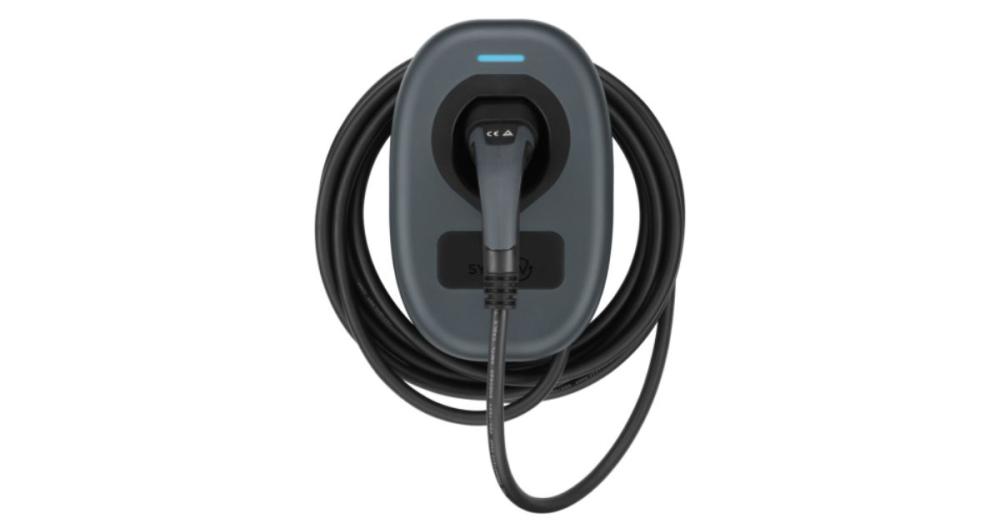
Space, Aesthetics, and Cable Management
Wall-mounted chargers shine when you have a solid surface close to the vehicle. In a garage or under a carport, they keep the equipment neatly out of the way and make the area feel organised rather than industrial.
They also make cable management simpler. A short, controlled cable run reduces tangles, lowers trip risk, and stops drivers from dragging connectors across paintwork. For tight residential driveways, that tidy footprint can be the difference between a smooth routine and daily frustration.
Practical Tip: If the charge port is on the opposite side of where the unit would sit, choose a cable length that reaches comfortably without stretching or looping across walkways.
Installation Complexity and Cost Considerations
When the power supply, consumer unit, and mounting point are close, wall-mount setups are often the most straightforward route. Less groundworks and fewer protective structures can reduce total labour time, especially for domestic installs.
The main trade-off is flexibility. Once mounted, you are essentially committing to that bay and that parking orientation. If a second EV arrives, or parking habits change, the positioning may feel impractical.
Source - South Coast EV
Ideal Domestic and Light-Commercial Use Cases
Wall-mount is usually the best fit for:
- Home overnight charging in garages and close-to-wall driveways.
- Small offices with assigned parking bays.
- Properties where the same vehicle parks in the same place most days.
If you’re looking to buy EV charger hardware for a single predictable parking spot, a wall-mount often gives the cleanest, most “home-like” result.
Pedestal EV Charger: Best for Open Parking and Shared Access

Placement Flexibility and Accessibility
Pedestal EV charger units come into their own where there is no reliable wall, or where the best position is actually mid-bay. Because they stand independently, they can be placed to suit real-world traffic flow rather than building geometry.
That matters in shared settings: visitors park at odd angles, different cars have different charge-port locations, and you may want bays on either side of one unit. Pedestals can also improve accessibility by allowing a more sensible approach angle and clearer space around the charger.
Civil Works, Durability, and Total Installed Cost
A pedestal EV charger often needs a stable base, and that can introduce extra work. Depending on the site, this might involve a concrete foundation, ducting, bollards, or protective kerbs. The upside is resilience: a well-planned pedestal installation can handle weather exposure and higher user turnover.
For commercial reliability, think beyond the unit:
- Visibility and lighting so drivers feel confident using it at night.
- Protection from vehicle impact.
- Drainage and puddling, particularly in car parks.
- Clear signage so the bay doesn’t become “just another parking space”.
Ideal Commercial and High-Traffic Use Cases
Pedestal EV chargers are typically the best option for:
- Retail and hospitality car parks with rotating users.
- Workplaces with unassigned spaces.
- Fleet yards where vehicles line up differently day to day.
- Multi-bay charging layouts where one location must serve many vehicle types.
If your priority is smooth electrical vehicle charging for lots of different drivers, pedestal placement is often the smarter choice.
Decision Checklist: Domestic vs Commercial Installations
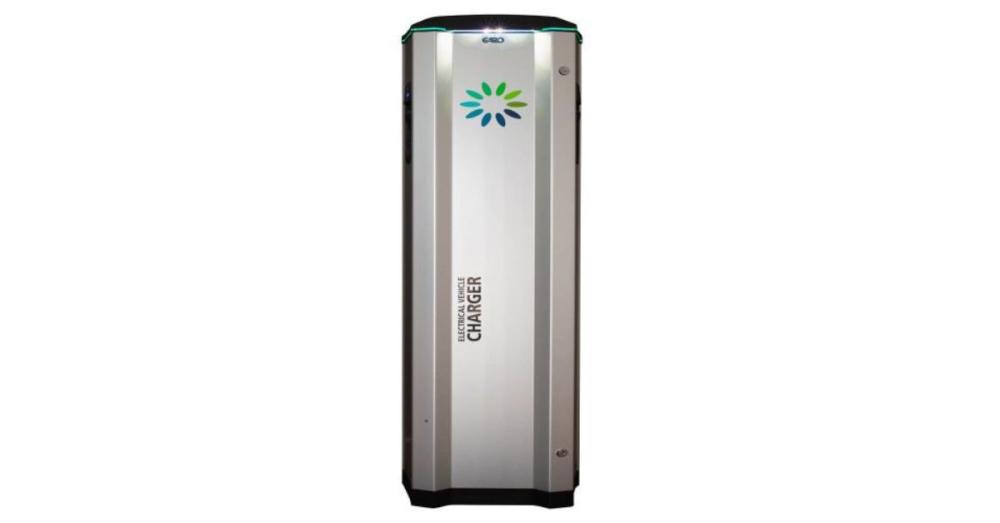
Fast Selection Matrix (What to Choose When)
Use these quick considerations before comparing brands and specs:
- Choose wall‑mount EV chargers if vehicles park consistently near a wall and space efficiency is the priority.
- Choose pedestal EV chargers if chargers must sit in open areas for better reach and shared access.
A general rule of thumb: If you’re solving for one household’s routine, wall-mount usually wins. If you’re solving for many users and changing patterns, pedestal often wins.
Expansion and Future-Proofing
Pedestal EV chargers can be easier to scale when you expect growth. Car parks get re-lined, bays become accessible spaces, and user behaviour evolves. With a pedestal approach, you can sometimes add more units along the same “spine” of ducting later.
Wall-mount works brilliantly when parking is stable. If the building, bay layout, and driver routine won’t change much, it remains the simplest long-term setup, especially with smart charging and load balancing in place.
Compliance, Safety, and User Experience
Before committing, survey the site and ask:
- Could the cable become a trip hazard across a footpath?
- Will the cable reach without stretching or creating loops?
- Is lighting adequate for night-time use?
- Will signage be needed to protect charger availability?
- For busy sites, will queuing block entrances or circulation routes?
Conclusion
In most homes, wall‑mount EV chargers are the natural winner for fixed near-wall bays, while pedestal EV chargers are a better fit for open parking and shared-use environments. A quick site survey that checks bay geometry, electrical route, and expected user behaviour will prevent costly reworks and makes EV charger installation far smoother.
Ready to move ahead with your EV charger setup? Meteor Electrical stocks a wide range of EV chargers from leading brands like GARO and BG SyncEV. We offer expert support for commercial installations along with fast delivery options.
Shop EV chargers at Meteor Electrical today and get your project moving forward!
FAQs
1. Is a wall‑mount EV charger always cheaper to install than a pedestal?
Often, yes. If power is nearby and there’s a suitable wall, wall‑mount can reduce groundworks and installation time.
2. When is a pedestal EV charger the only practical option?
When there’s no safe wall location near the bay, or when chargers must sit mid-lot to serve shared parking.
3. Which option is better for commercial properties with multiple users?
Pedestals usually suit multi-user sites because they improve access, visibility, and parking layout flexibility.
4. Do pedestal chargers support multi-bay or multi-user setups better?
They can, especially when positioned between bays or designed as part of a scalable car-park layout.
5. What’s the key factor to decide between wall‑mount vs pedestal at home?
Where the car actually parks. If your charge port can be reached easily from a wall location, wall‑mount is typically the simplest choice.