
Motion Detectors for Lights: The Complete Buying Guide for Smarter, Energy-Efficient Homes
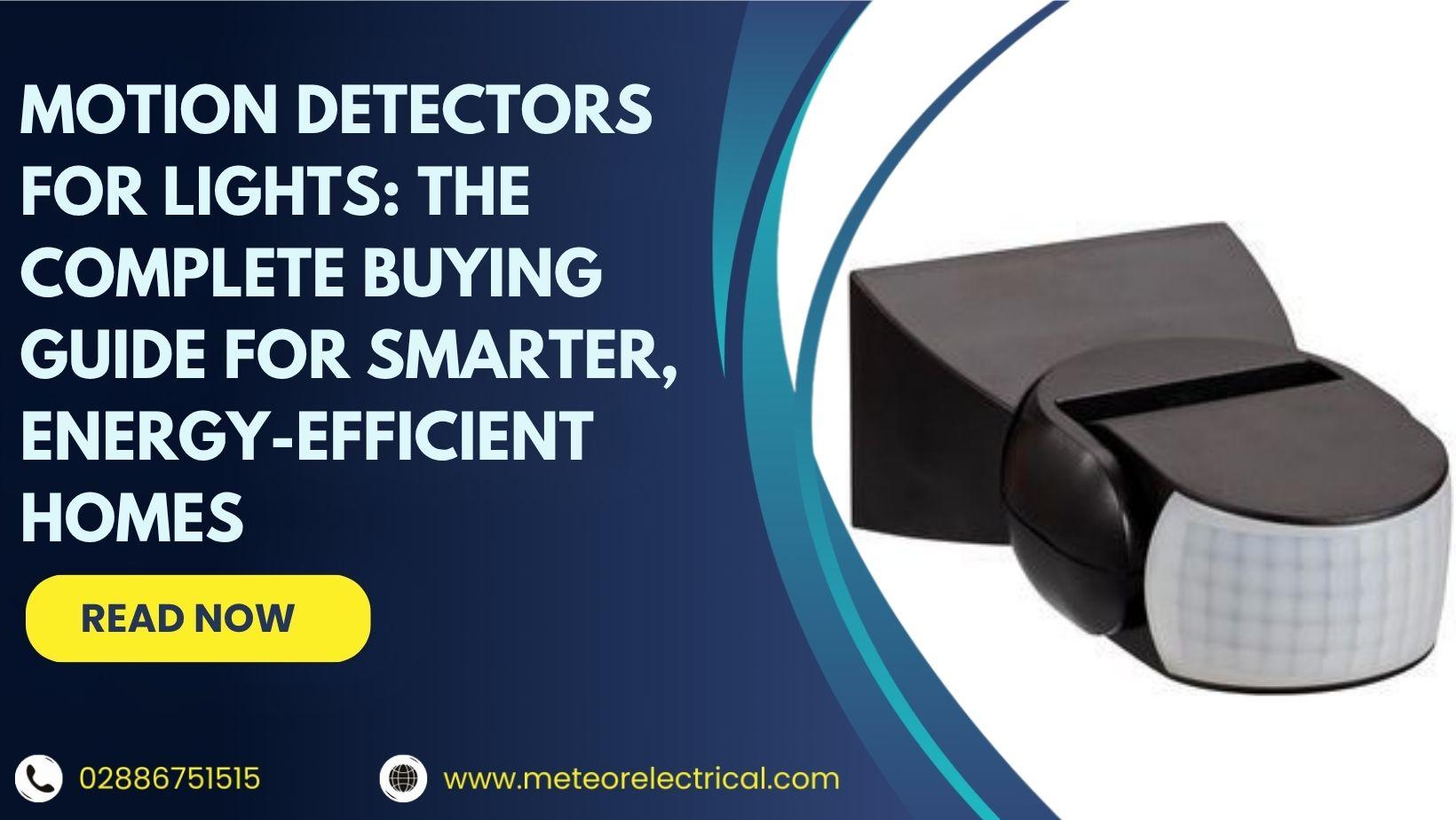
Motion Detectors for Lights: The Complete Buying Guide for Smarter, Energy-Efficient Homes
If you've ever walked into a dark corridor wishing the lights would just come on, you already understand the appeal of motion detectors for lights. Once considered a luxury, these smart devices are now an affordable, practical upgrade for homes and commercial properties alike, cutting energy bills, improving security, and making daily life noticeably more convenient.
Whether you're an electrical contractor speccing out a commercial fit-out, a facilities manager optimising a building's energy use, or a homeowner ready to modernise, this guide covers everything you need to know before you buy.
What Are Motion Detectors for Lights?
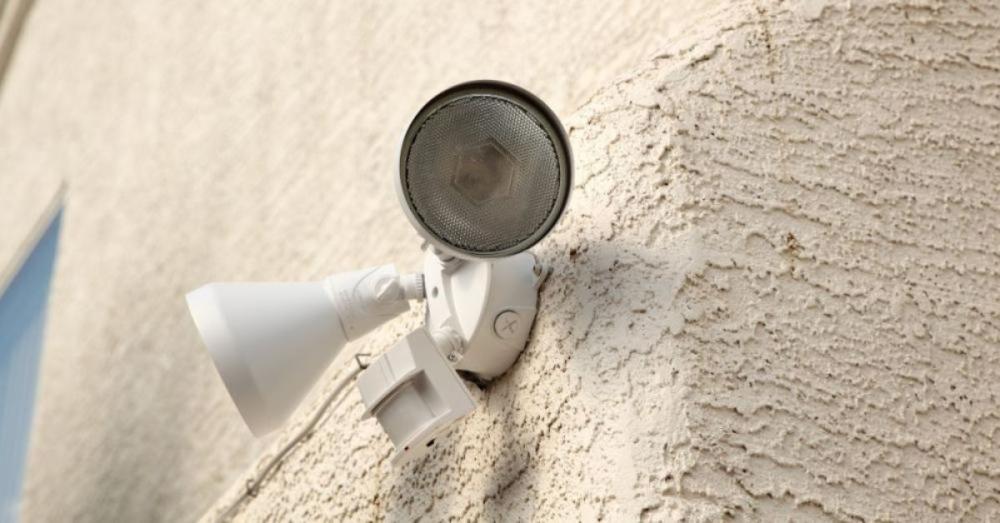
A motion detector senses movement within a defined area and triggers an action, most commonly switching lights on or off. Most modern automatic light sensors use one of two core technologies:
- Passive Infrared (PIR) sensors detect shifts in body heat as a person moves through a space, registering changes in infrared energy to activate lighting
- Microwave sensors emit pulses and measure their reflections, offering broader coverage suitable for larger or more complex environments
- Dual-technology sensors combine both methods, requiring both signals to trigger simultaneously, which significantly reduces false alarms
Did You Know? According to the Carbon Trust, automated lighting systems using occupancy sensors can reduce energy consumption in commercial buildings by up to 35%, with some residential applications achieving savings of up to 50%.
How to Choose the Right Motion Sensor for Lighting Detection Range and Coverage Area
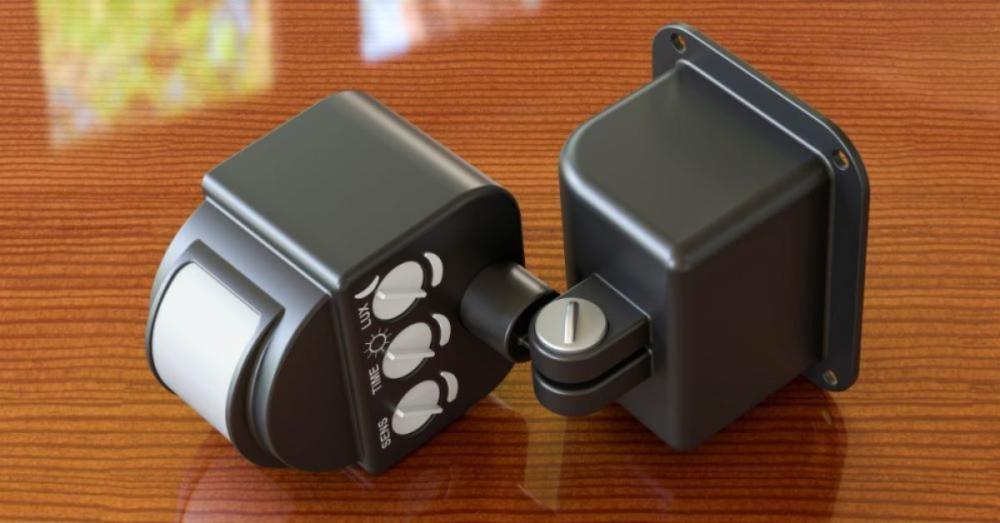
Start by matching the sensor's range to your space. A ceiling mount motion sensor with 360° coverage suits open-plan rooms, while a surface mount PIR sensor works better in corridors and entrance areas. Indoor hallways typically need a 6-metre range, whereas outdoor driveways or car parks may require 12 metres or more.
1. Sensitivity and Adjustability
Look for models with adjustable sensitivity settings. This is especially important in homes with pets, where an overly sensitive infrared motion detector can cause lights to trigger unnecessarily. Fine-tuning sensitivity ensures consistent, reliable performance.
2. IP Rating for Outdoor Installations
For outdoor or high-humidity environments, an IP65-rated sensor or higher is essential. This protects the unit from rain, dust, and temperature extremes, making it suitable for external walls, garden lighting, and commercial exteriors.
3. Power Source and Installation Type
Battery-powered models are DIY-friendly with no wiring required. Hardwired options deliver consistent power and are better suited for permanent or commercial installations, though a qualified electrician is recommended.
4. Smart Home Compatibility
If you're building a connected home, verify compatibility with platforms such as Amazon Alexa, Google Home, or Z-Wave. Many energy-saving light sensors now support app-based scheduling, dimming, and remote monitoring for full flexibility.
Source - Top Product Reviews
PIR vs Microwave Sensor: Which One Do You Need?
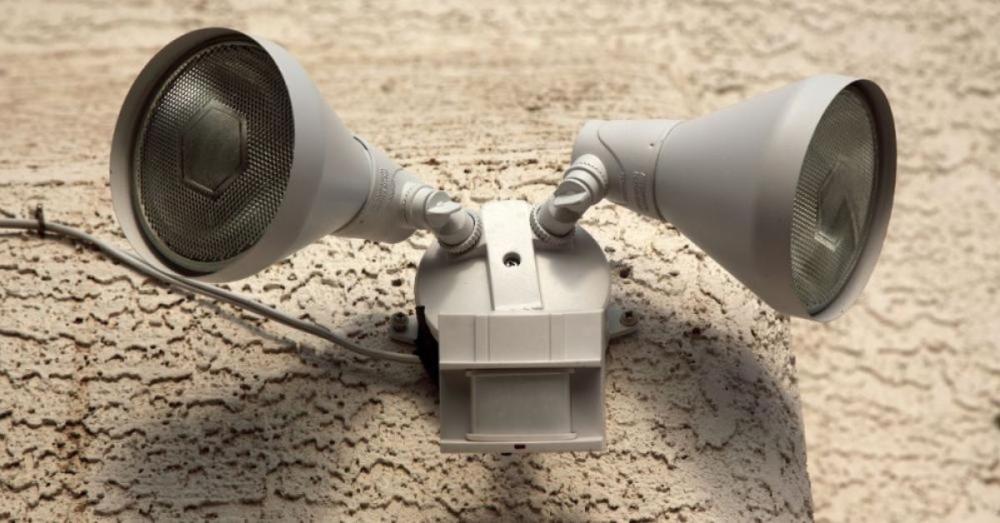
PIR sensors are the go-to choice for most residential and light commercial applications. They're cost-effective, reliable, and rarely produce false triggers when installed correctly. Ideal for bedrooms, stairwells, and smaller outdoor areas.
Microwave sensors provide broader coverage and can detect movement through certain materials, making them better suited for warehouses, car parks, and large open spaces. They do require careful calibration to avoid interference.
Dual-technology sensors are worth the additional investment when false alarms are a genuine concern, as both technologies must trigger simultaneously before the lights activate.
Benefits of Motion-Activated Lighting
Installing motion detectors for lights delivers measurable advantages for homes and businesses:
- Energy savings: Lights activate only when needed, reducing unnecessary consumption
- Enhanced security: Well-lit entrances deter intruders and improve visibility around your property
- Greater convenience: No more fumbling for switches in dark hallways or stairwells
- Lower utility bills: Reduced energy use translates to long-term cost savings
- Smart integration: Works seamlessly with home automation systems for complete control
Integrating Motion Detectors with Your Wider Lighting System
Motion-activated lighting becomes even more powerful when connected to your broader setup. Pair sensors with security cameras or alarm systems for a comprehensive safety solution. Use built-in timers to set how long lights remain active after movement is last detected, and schedule lighting to switch off during low-traffic periods for maximum efficiency.
Many modern occupancy sensors also support dimming functionality, adjusting light levels based on ambient conditions rather than simply switching to full brightness, which further supports energy-saving goals.
Brighten Your Home the Smart Way with Meteor Electrical
Meteor Electrical provides a wide range of motion detectors for lights, suitable for both residential and commercial settings. We offer diverse options from the top brands—perfect for those seeking wholesale motion detectors online.
Our Top Product Offerings:
1. THEBE 360 Degree Recess Mount PIR Sensor Forum
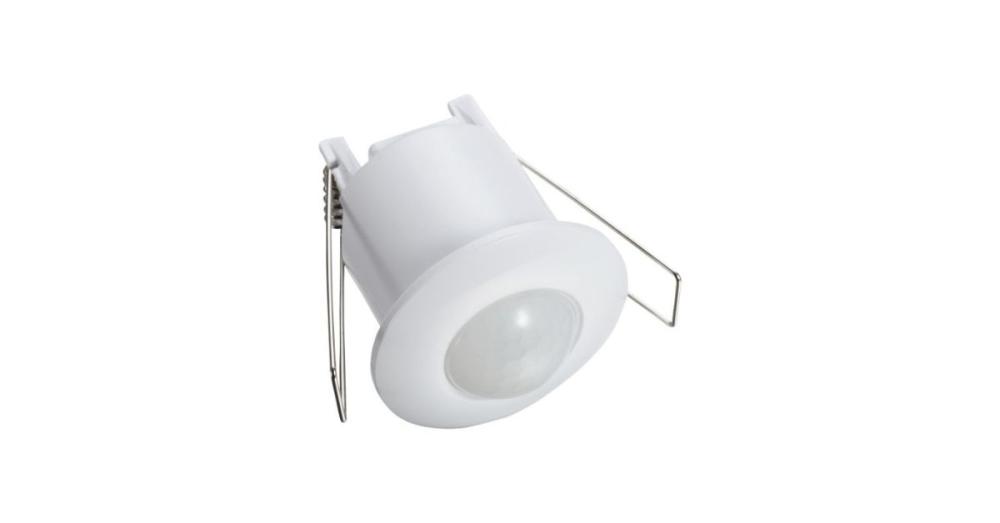
- IP20 rated, 360° detection angle, max distance 6m
- Adjustable time delay (3s–15m)
- Ambient light level: 3–2000 lux
2. Zinc Dion IP65 Adjustable Motion Sensor with Manual Override White Forum
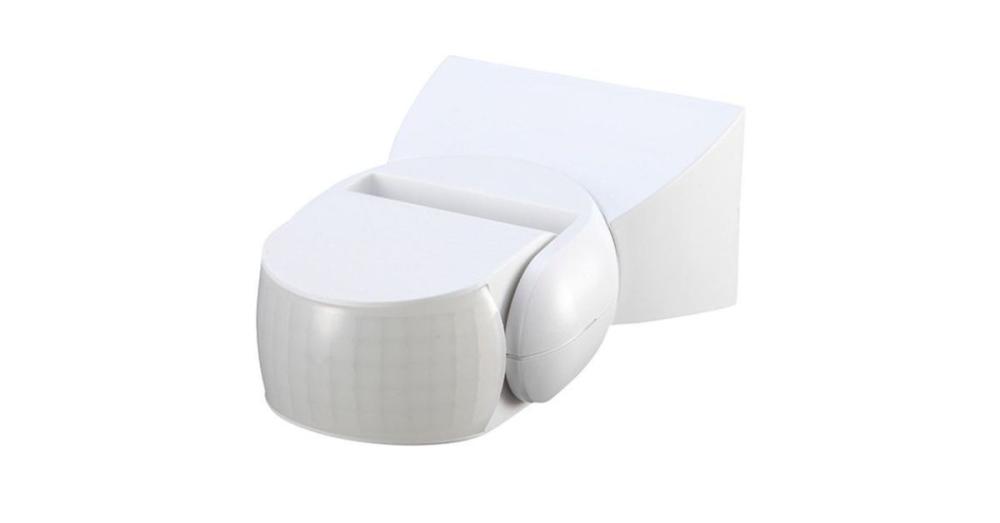
- IP65 rating, 5–12m detection range
- 10s–15m adjustable timer
- Ambient light level: 3–2000 lux, manual override
Embrace automation in your home with motion detectors buy online at Meteor Electrical today!
Conclusion
Choosing the right motion detector starts with having access to the right products. Meteor Electrical is a trusted wholesale electrical supplier serving electrical contractors and facilities managers across the UK and European markets. From IP65-rated outdoor sensors to 360° ceiling mount PIR detectors, Meteor Electrical stocks a comprehensive range of motion-activated lighting solutions from leading brands at competitive wholesale prices.
Shop the full range of motion detectors for lights at Meteor Electrical and keep your next installation running efficiently, on time, and on budget.
Frequently Asked Questions About Motion Detectors for Lights
1. What is the difference between a PIR sensor and an occupancy sensor?
A PIR (Passive Infrared) sensor is a type of occupancy sensor that detects body heat. "Occupancy sensor" is a broader term covering PIR, microwave, and dual-technology devices. Both are used to automate lighting based on presence detection.
2. Can I install a motion detector for lights myself?
Battery-powered models are DIY-friendly and require no electrical work. For hardwired sensors, it is advisable to use a qualified electrician to ensure safe, compliant installation.
3. How do I stop motion detector lights from triggering with pets?
Choose a sensor with adjustable sensitivity or a dedicated pet-immune mode. Correct mounting height and angle also help reduce unwanted activation from animals.
4. What IP rating do I need for outdoor motion detectors?
A minimum of IP65 is recommended for outdoor use, offering protection against rain and dust. Exposed or coastal locations may benefit from a higher-rated option.
5. How long do motion detector lights stay on after detecting movement?
Most sensors include an adjustable time delay, typically ranging from a few seconds to 15 minutes. You can set this based on your specific requirements.
6. Are motion detectors compatible with smart home systems?
Many modern motion detectors support integration with platforms such as Amazon Alexa, Google Home, and Z-Wave. Always check the product specifications before purchasing to confirm compatibility.
Key Takeaways
- Motion detectors for lights reduce energy consumption by activating only when movement is detected.
- PIR sensors suit most homes and smaller spaces; microwave sensors are better for large or open areas.
- Always check the IP rating for outdoor installations; IP65 or above is the recommended minimum.
- Adjustable sensitivity settings help prevent false alarms, particularly in homes with pets.
- Smart-compatible sensors integrate with Alexa, Google Home, and Z-Wave for remote control and scheduling.
- Dual-technology sensors offer the most reliable protection against false triggers in busy environments.