
Twin & Earth Cable Buying Guide: Understanding Sizes, Use Cases, Voltage Drop Basics & Common Site Mistakes
Twin & Earth Cable Buying Guide: Understanding Sizes, Use Cases, Voltage Drop Basics & Common Site Mistakes
Selecting the correct wiring size and type is the foundational step of any safe, compliant, and long-lasting electrical system. Twin and earth cables carry live and neutral conductors alongside a CPC (earth). Because they form the backbone of almost every domestic and commercial fixed wiring installation, knowing how to appropriately size and route them is a fundamental trade skill.
This guide provides electricians and facilities managers with essential buying guidance. From understanding the core differences in cable sizes and exploring primary twin & earth cable use cases to navigating voltage drop basics and avoiding common site mistakes, we cover everything you need for a professional setup. People frequently ask, "What are the core regulations for a twin & earth cable installation in the UK?" By mastering the fundamentals below, you will have a clear idea of how to approach twin & earth cables in practical settings.
What is Inside a Twin & Earth Cable?
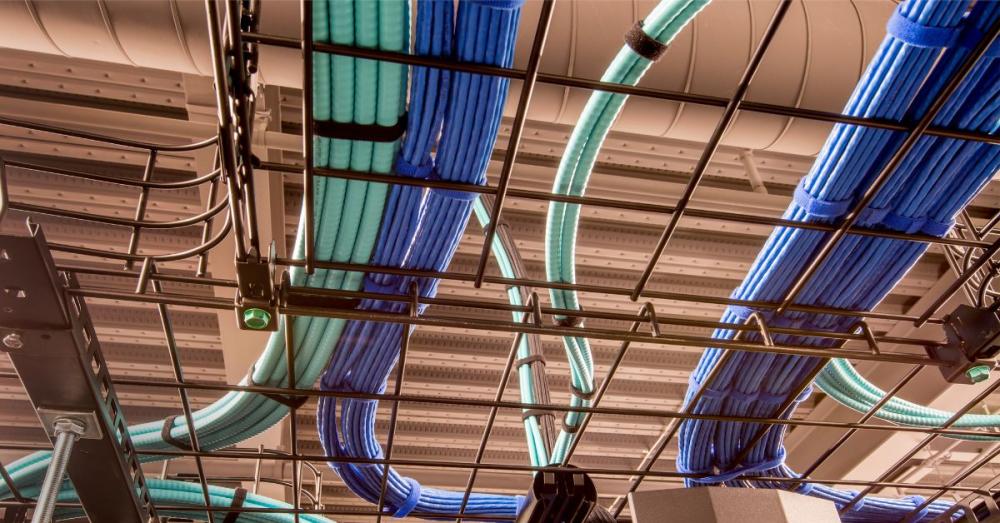
Understanding the Core Components
Every reliable installation starts with knowing your materials. The internal makeup of a twin & earth cable is incredibly straightforward but highly effective. It consists of:
- Two insulated current-carrying conductors, colour-coded brown for live and blue for neutral.
- One uninsulated circuit protective conductor (CPC), commonly referred to as the earth wire.
The conductor materials change depending on the required electrical capacity. Smaller sizes, such as 1mm, 1.5mm, and 2.5mm variants, are typically made of solid copper. Conversely, larger variations like 4mm, 6mm, 10mm, and 16mm cables consist of 7-strand copper conductors to provide much-needed flexibility during complex routing tasks.
The PVC Outer Sheath
The outer layer features a protective grey polyvinyl chloride (PVC) sheathing. While this robust material provides excellent protection for indoor fixed wiring installations, standard grey PVC outer sheathing degrades quickly under direct UV sunlight. Installers must plan their routes carefully to avoid long-term environmental damage.
Primary Twin & Earth Cable Use Cases by Size
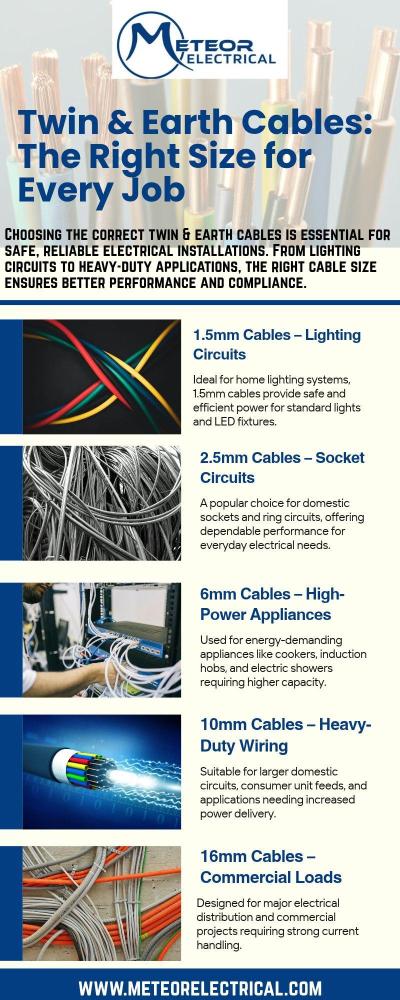
1. 1.5mm and 2.5mm Cables: The Domestic Standard
For residential properties, smaller cables handle the bulk of the daily workload. A 1.5mm cable is the go-to choice for domestic lighting circuits. It easily transmits up to 14A when enclosed in an insulated wall, making it highly reliable for standard bulbs and modern LED fixtures.
Meanwhile, the 2.5mm variant is the undisputed industry standard for wiring residential ring final circuits and standard plug sockets.
2. 6mm Cables: High-Demand Appliances
When the power demand spikes, thicker conductors are absolutely essential. A 6mm cable is explicitly built for high-power radial circuits. This makes it the perfect choice for heavy-draw appliances like domestic cookers, induction hobs, and electric showers rated at around 40A.
Users often ask, "What size twin and earth cable is required for a 40kW electric shower?" The answer invariably points to a robust 6mm or 10mm setup depending on the run length.
3. 10mm and 16mm Cables: Submains and Commercial Loads
For major power distribution, 10mm and 16mm cables are used for heavy domestic wiring, main consumer unit feeds, and commercial applications. Notably, a 16mm cable with PVC insulation can safely handle up to 61 amperes for single-phase AC or DC setups, offering exceptional power delivery capabilities.
Voltage Drop Basics & Amp Rating Factors
How Installation Methods Alter Amperage
There is a crucial relationship between cable size, current volume, resistance, and heat generation. How you route your wiring directly throttles its carrying capacity. Consider these real-world examples for a standard 6mm cable:
- Clipped directly to a masonry surface: Safely carries up to 47A.
- Enclosed in an insulated wall: Capacity drops to roughly 32A.
- Wrapped completely in thermal insulation: Capacity plummets to just 23A.
Did You Know: Trapping cables in thick thermal loft insulation can cut their safe carrying capacity in half, making proper heat management absolutely crucial for preventing electrical fires?
Calculating for Safe Cable Runs
Installers must factor in continuous load duty cycles, ambient temperature, altitude, and total cable length. These variables heavily affect the overall amp rating and voltage drop. Always advise sizing up the cable for exceptionally long runs to prevent excess heat buildup and severe fire risks.
Common Site Mistakes During Twin & Earth Cable Installation
Ignoring Safe Bending Radii
Flat cables should never be bent sharply at a 90-degree angle. Doing so compromises the internal copper and heavily stretches the outer PVC sheathing. To prevent structural damage, flat cable installation best practices dictate maintaining a bending radius of at least 3 to 4 times its overall diameter.
Forgetting Earth Sleeving
The bare CPC inside the cable is completely uninsulated. Electricians must cover this bare wire with green and yellow sleeving before termination. Failing to do so violates strict UK wiring regulations and creates a severe safety hazard.
Unprotected Outdoor Installations
The standard twin & earth cable UK professionals use features grey sheathing that is highly prone to UV assault. If run outside, it must be shielded by conduit, painted with UV-protective paint, or swapped entirely for Steel Wire Armoured (SWA) cable.
Source - eFIXX
Top Twin & Earth Cables for Your Next Project
When sourcing reliable wiring for your next project, choosing trade-trusted suppliers ensures regulatory compliance and long-term safety. Meteor Electrical provides a comprehensive range of premium cables built for durability and rapid installation. Here are top recommendations based on standard circuit requirements:
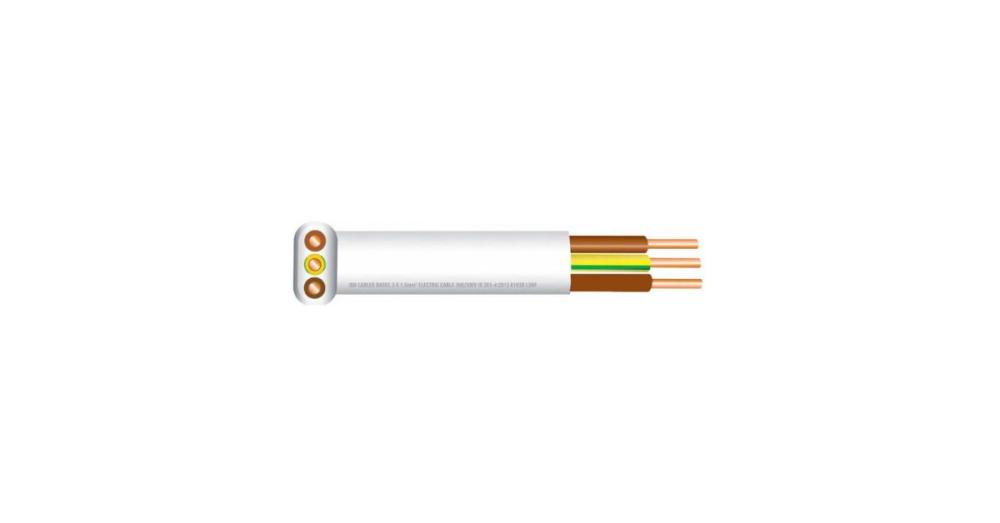
1. 1.5mm LSF Twin & Insulated Earth, Twin Brown, 100M
Best For: Residential lighting circuits.
This 1.5mm LSF (Low Smoke and Fume) twin and earth brown cable from IDH comes with a low smoke zero halogen polyethylene sheath and an insulated earth core. Primarily used in fixed installations across domestic spaces, this versatile cable ensures high-quality performance.
It is built according to Irish Wiring Regulations, which require a full-sized and insulated earth conductor rather than a bare CPC. Because it features LSZH properties, it is incredibly popular for skyscrapers, malls, and maritime applications where safe ventilation during a fire is critical.
Key Features:
- Cable size: 1.5mm in a 100-metre coil.
- Core colours: Green/yellow, brown, and brown.
- Insulation and Sheathing: Low Smoke Zero Halogen Polyethylene.
- Voltage rating: 300/500 volts.
- Approvals: IS201-4 BASEC, BS EN 60338.
Shop 1.5mm LSF Twin & Insulated Earth, Twin Brown, 100M
2. 5mm LSF Twin & Insulated Earth, Blue Brown, 100M
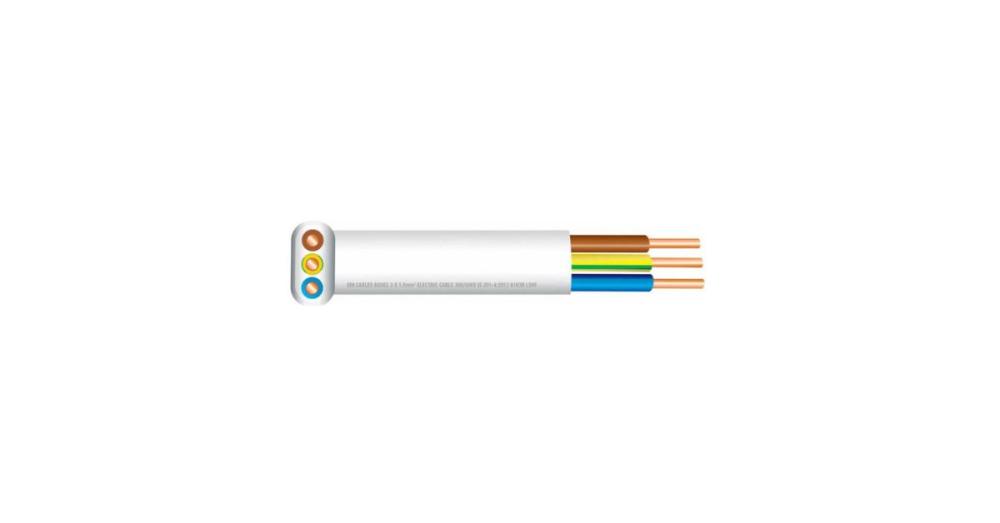
Best For: Standard plug sockets and ring final circuits.
Designed for general fixed installations, this 2.5mm 6193B low smoke zero halogen flat twin cable is an essential item for any professional electrical toolkit. It features a reliable insulated earth core alongside standard blue and brown conductors. The LSZH construction significantly reduces toxic gas emissions in the event of a fire, prioritising occupant safety in both commercial and residential builds.
Key Features:
- Cable size: 2.5mm provided in a 100-metre coil.
- Core colours: Green/yellow, blue, and brown.
- Insulation: Low Smoke Zero Halogen Polyethylene.
- Voltage rating: 300/500 volts.
- Approvals: BASEC approved and meets Republic of Ireland regulations.
Shop 2.5mm LSF Twin & Insulated Earth, Blue Brown, 100M
3. 16.0mm Twin & Earth, Blue/brown Cable, 6mm Earth, 10M
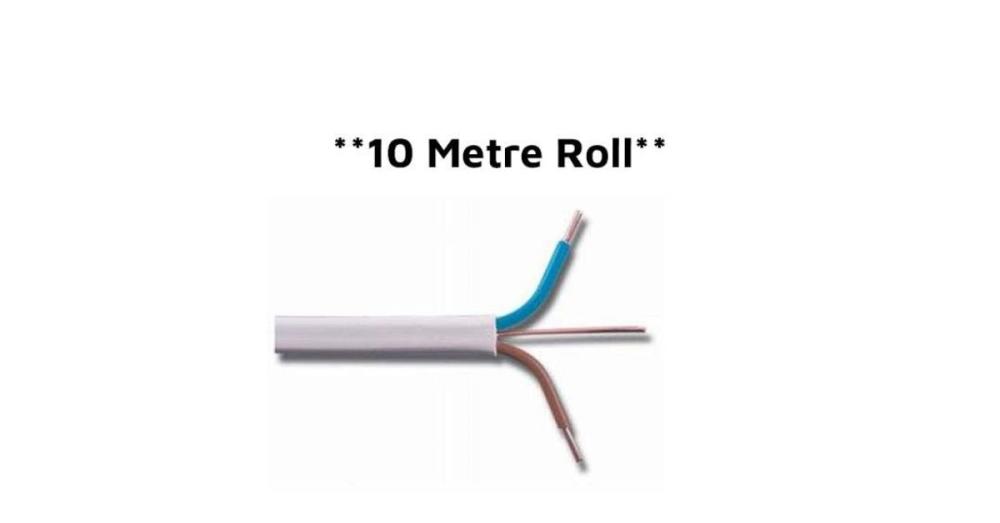
Best For: Submains applications and main consumer unit feeds
This robust 6242Y BASEC approved standard house-wiring cable is engineered for high-demand loads. Featuring a tough grey PVC outer sheath and stranded plain annealed copper cores, it delivers exceptional conductivity for heavy commercial or residential circuits. The massive 70-amp maximum current rating makes it ideal for highly demanding electrical setups.
Key Features:
- Cable size: 16.0mm with a 6mm bare earth.
- Core colours: Blue and brown plus bare earth.
- Maximum Current rating: 70 amps at 300/500 volts.
- Bending radius: 3 times the overall diameter.
- Approvals: RoHS, BASEC, and BS6004 approved.
Shop 16.0mm Twin & Earth, Blue/brown Cable, 6mm Earth, 10M
4. 16mm LSF Twin & Insulated Earth, Blue Brown, Price Per Metre
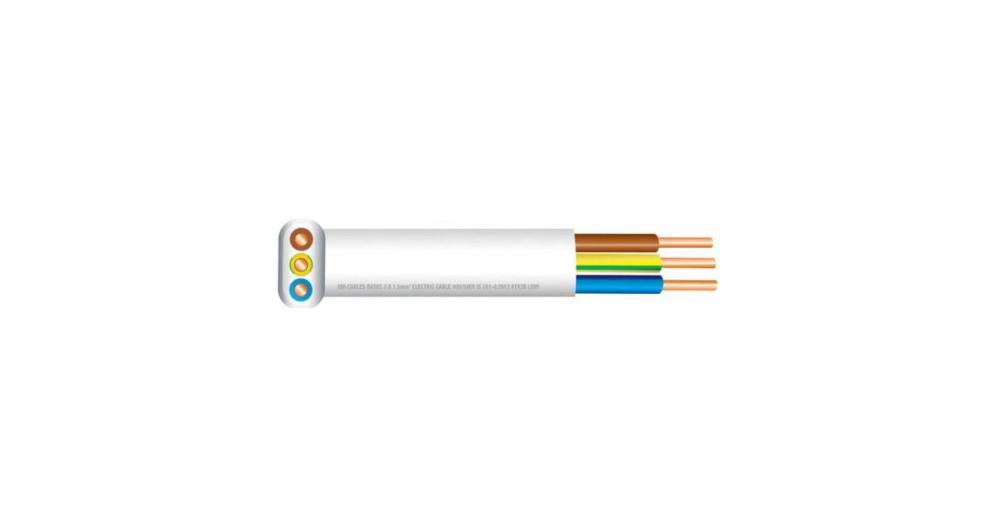
Best For: Custom length heavy-duty commercial wiring
When you need specific measurements without buying a full coil, this 16mm 6193B LSF twin and insulated earth cable is the perfect solution. Cut to order by the metre, it provides premium low-smoke, zero-halogen protection for heavy fixed wiring installations. It combines exceptional safety standards with flexible purchasing options for large-scale contractors.
Key Features:
- Cable size: 16mm (cut to order per metre)
- Core colours: Green/yellow, blue, and brown.
- Insulation and Sheathing: White LSZH Polyethylene.
- Voltage rating: 300/500 volt.
- Approvals: IS201-4 BASEC approved.
Shop 16mm LSF Twin & Insulated Earth, Blue Brown
Conclusion
Sizing your cables accurately, understanding the direct impact of voltage drop, and respecting strict routing guidelines are matters of fundamental safety and professional pride. A fully compliant twin & earth cable installation guarantees long-term safety and drastically reduces the risk of electrical faults over time.
Equip your team with top-tier, compliant cabling that strips cleanly and performs reliably under heavy loads. Meteor Electrical is your premier wholesale partner for trade-grade electrical supplies across the UK and Ireland.
Shop the full range of Twin & Earth Cables at Meteor Electrical today for competitive trade prices and rapid next-day delivery!
Frequently Asked Questions About Twin & Earth Cables
1) What are the primary twin & earth cable use cases in a domestic property?
They are commonly used for standard fixed wiring, specifically lighting circuits (1.5mm), standard plug sockets (2.5mm), and high-draw appliances like electric cookers (6mm).
2) Can I use a standard twin and earth cable for outdoor installations?
No, the grey PVC sheath degrades rapidly under direct UV light and must be fully protected by exterior conduit or swapped for steel wire armoured cable.
3) How does thermal insulation affect twin and earth cable installation?
Thermal loft insulation traps heat generated by electrical resistance, significantly lowering the cable's safe amp rating and increasing fire risks if not correctly sized.
4) What is the minimum bending radius for a flat twin and earth cable?
To avoid stretching the PVC sheath and damaging the internal copper conductors, you should never bend the cable to a radius smaller than three to four times its overall diameter.
5) Why must the bare earth wire in a twin and earth cable be sleeved?
The circuit protective conductor is completely bare inside the outer sheath, so UK regulations demand green and yellow sleeving at termination points to clearly identify it and prevent accidental live contact.
Key Takeaways
- Choosing the right twin & earth cable size ensures safe, compliant, and reliable electrical installations.
- Cable sizes match specific applications — 1.5mm for lighting, 2.5mm for sockets, and larger sizes for high-demand loads.
- Installation conditions impact cable performance, with routing, insulation, temperature, and cable length affecting capacity.
- Avoid common installation errors like sharp bends, missing earth sleeving, and poor outdoor cable protection.
- Understanding voltage drop and current ratings helps prevent overheating and ensures correct cable selection.
- Trade-approved twin & earth cables provide reliable performance and long-term electrical safety.