
The Ultimate MCB Buying Guide: Demystifying Curves, Ratings, and Common Applications
The Ultimate MCB Buying Guide: Demystifying Curves, Ratings, and Common Applications
Miniature Circuit Breakers (MCBs) act as the absolute frontline defence for any electrical circuit. Their primary task is preventing catastrophic cable damage and potential electrical fires before they have a chance to take hold. These intelligent units detect system faults and isolate the power supply instantly.
For electricians and facilities managers, understanding the exact technical specifications is crucial. Knowing your trip curves, breaking capacities, and pole configurations ensures safety, helps you meet local building codes, and completely prevents nuisance tripping.
What is an MCB and How Does It Work?
Understanding the Core Functions
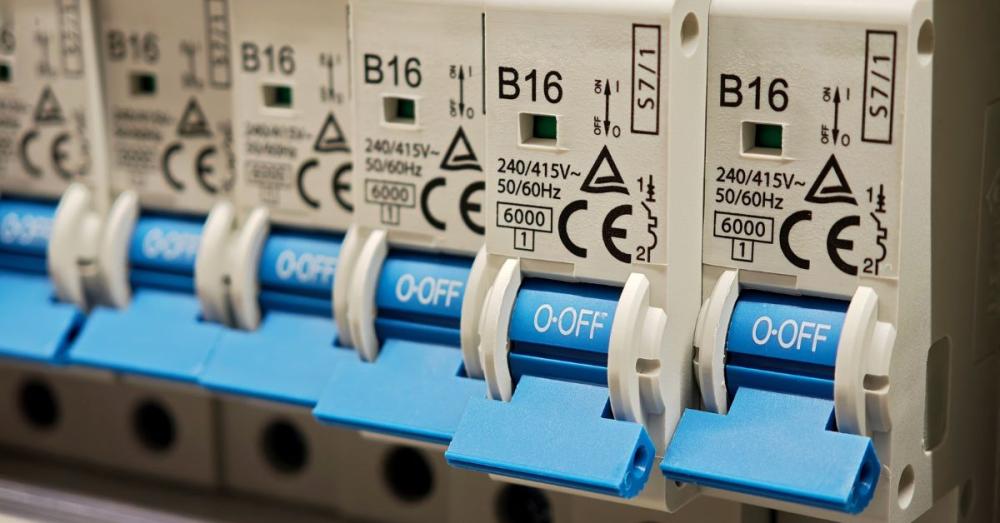
At its core, a Miniature Circuit Breaker operates as a highly sensitive automatic switch. It is meticulously engineered to isolate an electrical circuit the very moment an abnormal network condition occurs, acting much faster and more reliably than traditional wire fuses.
Overloads vs. Short Circuits
These components protect your cabling against two primary faults. Overloads happen when too many appliances draw power simultaneously, causing the circuit cables to overheat slowly. Conversely, short circuits occur due to a sudden, massive surge in current. This is usually caused by faulty ground wiring or direct neutral-to-live contact.
A reliable breaker detects both of these issues and cuts the power supply before the damage spreads.
Decoding MCB Tripping Curves: Type B, C, and D Explained
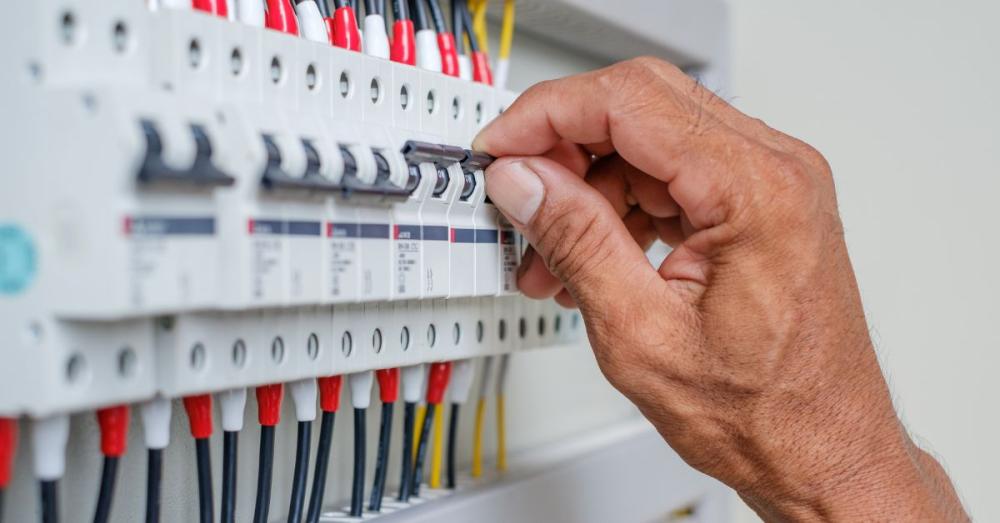
Understanding the difference between a Type B and Type C MCB curve is in their sensitivity to electrical surges and inrush currents:
Type B MCBs for Domestic Protection
Type B breakers are specifically designed to trip when the current hits between three and five times the recommended maximum, which is also known as the rated load. You should position these as the absolute standard choice for residential settings where there is minimal need for surge protection.
Type C MCBs for Commercial Applications
Type C breakers activate at currents between five and ten times their rated load. You will find their use highlighted in more powerful commercial environments and industrial lighting setups where higher initial startup surges are entirely expected.
Type D MCBs for Heavy-Duty Industrial Use
Type D breakers are the least sensitive option available on the market. They only activate when current surges reach between ten and twenty times the maximum load. These heavy-duty components are strictly reserved for industrial applications like X-ray machines, large motors, compressors, and heavy welding equipment.
Essential MCB Ratings You Need to Know
Reading the hardware label correctly is a major aspect of installing the right breaker. Getting the ratings wrong can lead to severe safety risks.
Ampere Rating (Current Rating)
Properly sizing the breaker to the cable it protects is a fundamental rule of circuit protection. For example, a standard 6A rating is perfect for basic lighting circuits. Conversely, a 32A or 40A unit is absolutely necessary to safely operate power-hungry ring mains and electric showers.
Short Circuit Breaking Capacity (6kA vs. 10kA)
Your breaking capacity dictates the maximum fault current the breaker can safely interrupt without destroying itself. A 6kA rating is typically more than sufficient for standard domestic properties. However, a 10kA rating is frequently required for commercial and industrial boards where potential fault currents are significantly higher.
How to Choose the Right MCB for Your Next Installation
Single-Pole vs. Three-Pole Configurations
Installers must select the correct pole configuration for their specific layout. Single-pole breakers are built for standard 230V single-phase circuits commonly found in homes and small offices. On the other hand, 3-pole configurations are strictly designed to handle heavy 400V three-phase commercial distribution boards.
Did You Know - Installing a Type B breaker on a circuit with heavy LED drivers is one of the leading causes of nuisance tripping in modern office renovations?
To avoid this frustrating issue, professional installers must carefully match the anticipated inrush current of connected devices to the correct MCB curve. Taking the time to calculate these loads ensures a stable, reliable distribution and control device setup.
Source - Electrical Orbit
Product Focus: Top Trade-Rated MCBs for Your Next Project
Finding high-quality MCBs UK professionals trust is easy when you know exactly what specifications to look for. Here are some top-rated options to consider for your next installation.
1. 1 Pole 6 Amps B Curve 10KA MCB Live Electrical
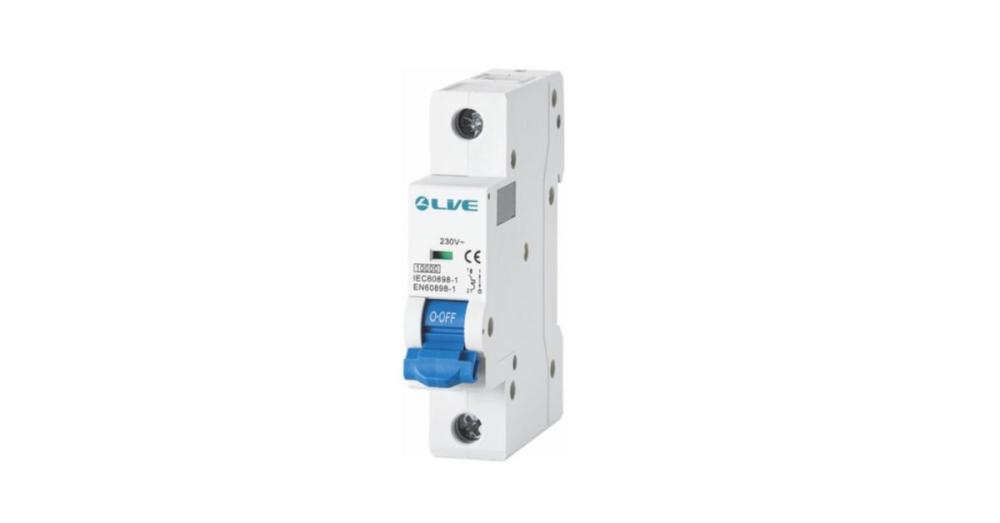
The Live Electrical 1 Pole 6A unit offers highly dependable circuit protection. Featuring a B tripping curve and a robust 10kA short-circuit capacity, it is the ideal component for safeguarding light-duty residential and commercial setups.
- Current Rating: 6A
- Tripping Curve: B
- Operating SC Capacity: 10kA
- Number of Modules: 1
Shop 1 Pole 6 Amps B Curve 10KA MCB Live Electrical
2. MCB 3 Pole 63A Characteristic C 6kA - Mini Circuit Breaker GARO
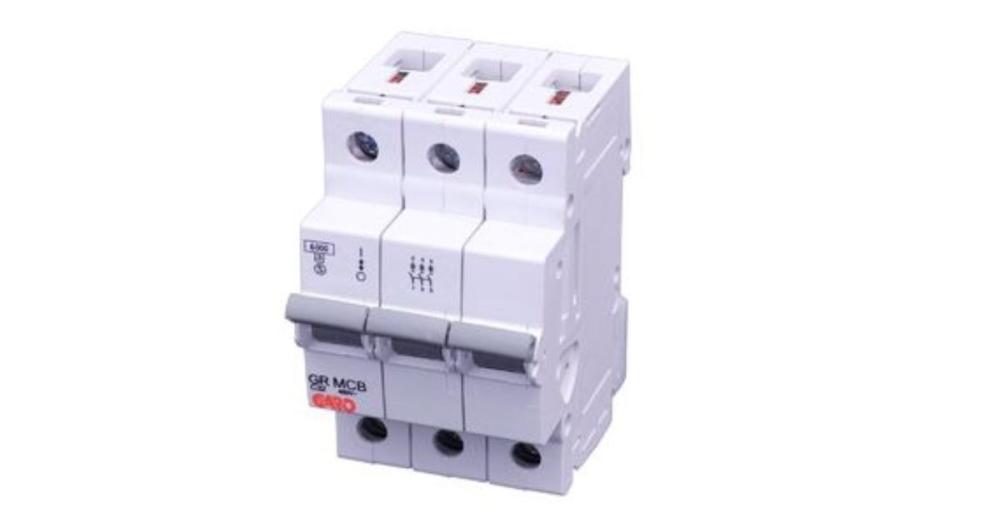
This triple-pole 63 Amp unit provides comprehensive protection against short-circuit currents up to 6kA. Renowned for its outstanding build quality, this GARO model integrates a stylish design with serious commercial capability, easily detecting overcurrents from both overloads and faults.
- Rating: 63 Amps
- Breaking Capacity: 6kA
- Triple pole configuration
- Dolly switch to isolate
- RoHS compliant and CE approved
Shop MCB 3 Pole 63A Characteristic C 6kA GARO
3. MCB 1-pole 32A characteristic B 6kA - Mini Circuit Breaker GARO
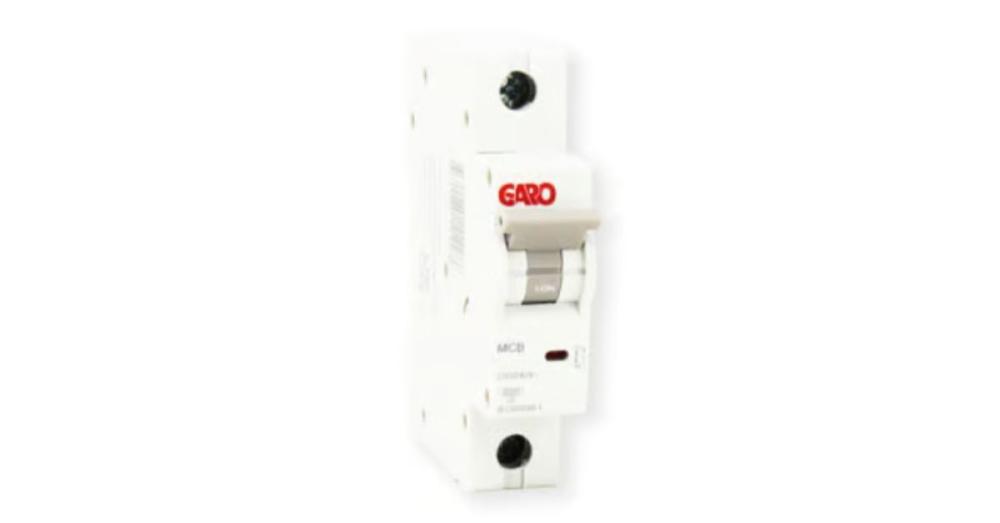
Designed for ultimate ease of installation, this 32 Amp single-pole breaker delivers exceptional value for money. It is perfectly suited for general domestic consumer unit upgrades, offering reliable, rapid detection of standard household electrical faults.
- Rating: 32 Amps
- Breaking Capacity: 6kA
- Single pole setup
- BS EN 60898 compliant
Shop MCB 1-pole 32A characteristic B 6kA GARO
4. 50 Amp 6kA Single Pole (Type B) MCB Cudis
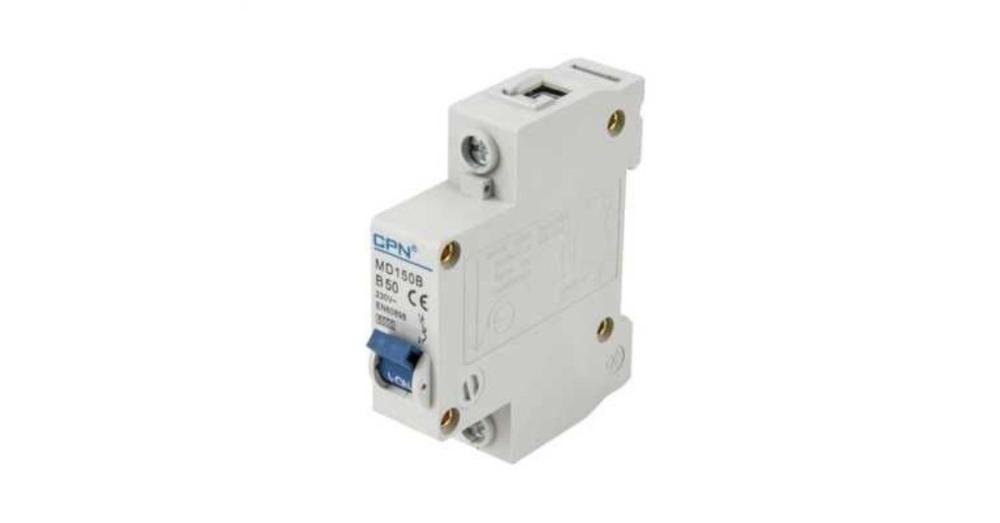
Manufactured at ISO-accredited facilities, the Cudis MD range brings exceptional quality at a highly competitive price point. This 50 Amp single-pole unit features a Type B curve and is designed specifically for domestic enclosures rather than 3-phase installations.
- Current Rating: 50A
- 6kA interrupt capacity
- B type tripping curve
- Protection against both overload and short circuit
- 35mm Din Rail mount
Shop 50 Amp 6kA Single Pole (Type B) MCB Cudis
Key Takeaways
- MCBs protect electrical circuits by automatically disconnecting the power supply during overloads and short circuits, helping prevent cable damage and electrical fires.
- Type B MCBs are generally suitable for domestic and light commercial circuits with low inrush currents, including standard lighting and socket applications.
- Type C MCBs are designed for commercial and industrial equipment that produces moderate startup surges, such as LED lighting systems, small motors and machinery.
- Type D MCBs accommodate high inrush currents and are primarily used for heavy-duty equipment, including large motors, transformers, compressors and welding machinery.
- The ampere rating and breaking capacity must match the circuit, cable size and expected fault current. Domestic installations commonly use 6kA MCBs, while commercial environments may require 10kA protection.
- Selecting the correct tripping curve, current rating, breaking capacity and pole configuration improves electrical safety, supports regulatory compliance and reduces nuisance tripping.
Conclusion
When it comes to selecting the right breaker, it ultimately comes down to understanding the environment's unique surge potential. Whether your site requires a Curve B, C, or D, properly sizing the Amp and Breaking Capacity ratings is the only proven way to protect your cabling from catastrophic failure.
When planning your next consumer unit upgrade, you need a wholesale supplier that truly understands the technical demands of the trade. At Meteor Electrical, we proudly stock a comprehensive range of high-quality MCBs UK. From RCBOs and RCDs to durable Isolators, our inventory is built for ultimate safety and regulatory compliance.
Shop our complete range of MCBs and distribution control products online today to secure your site with rapid delivery and trade-trusted quality!
FAQs About Miniature Circuit Breakers (MCBs)
1) What causes an MCB to trip constantly?
Nuisance tripping is typically caused by an overloaded circuit, faulty ground wiring, a short circuit, or using an incorrect tripping curve for a high-surge appliance.
2) How do I know if I need a 6kA or 10kA MCB?
A 6kA rating is standard for most residential properties with lower fault currents, whereas 10kA is required for commercial distribution boards handling heavier electrical loads.
3) Can I use a Type C MCB in a residential home?
Yes, a Type C breaker can be used domestically for specific circuits experiencing higher startup surges, provided the Earth Fault Loop Impedance meets local safety regulations.
4) What is the lifespan of a standard miniature circuit breaker?
High-quality breakers can last for decades under normal conditions, but they should be replaced immediately if they have interrupted a severe short circuit multiple times.
5) Do MCBs protect against electric shocks?
No, they primarily protect cables and equipment from overcurrents; to protect human life against fatal electric shocks, you must install an RCD or RCBO.