
The Complete TP&N Isolator & Switch Fuses Buyer's Guide: Selection, Installation, and Top Picks
The Complete TP&N Isolator & Switch Fuses Buyer's Guide: Selection, Installation, and Top Picks
In any commercial or complex residential electrical system, safety during maintenance is non-negotiable. When professionals need to work on a circuit, they must be absolutely certain the power is completely disconnected. This is exactly where TP&N isolator switches step in. These critical components allow for the safe, deliberate cutting off of power supplies to prevent potentially fatal hazards on the job.
Whether you are managing a sprawling industrial site or updating specific home wiring, understanding the mechanics of your hardware is paramount. This guide will cover the core functions of TP&N isolators, compare them with other common safety devices, provide vital installation best practices, and help you select the exact right equipment for your next project.
Understanding the TP&N Isolator: Function and Mechanics
What Does TP&N Stand For?
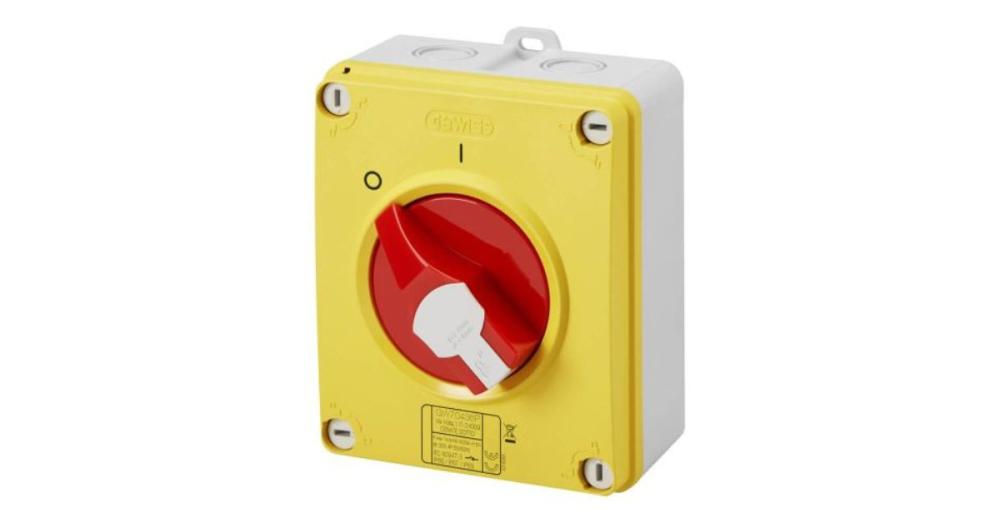
In the electrical trade, TP&N simply stands for Triple Pole and Neutral. In a standard setup, this terminology represents a four-pole device where the fourth pole acts explicitly as the neutral connection. When you manually open or close the switch, the internal mechanism interacts specifically with the neutral component to ensure a completely safe "air break".
This physical gap in the circuit guarantees that current cannot accidentally bridge the connection while someone is physically working on the system.
The Core Function of TP&N Switches
At their heart, TP&N isolator switches serve one primary function: they physically separate sections of a live circuit. By acting as a robust mechanical switching device, they protect engineers and maintenance staff from severe electrocution.
Simultaneously, they safeguard delicate hardware systems from rogue currents or sudden short circuits. It is all about creating a reliable, highly visible break in the electrical supply so work can commence without anxiety.
TP&N Isolators vs. Other Electrical Safety Devices
TP&N Isolators vs. Circuit Breakers
A surprisingly common misconception in the trade is confusing an isolator with a standard circuit breaker. Circuit breakers are automated safety mechanisms designed for active protection against overloads and fault currents. This means they operate "on-load" to trip when a fault occurs.
Conversely, an isolator is a manual, mechanical switch used strictly to disconnect power securely for safe maintenance. You should only ever operate an isolator "off-load" once the primary current has been halted.
TP&N vs. SPN (Single Pole & Neutral) Isolators
While both devices serve similar safety goals, their real-world applications differ vastly. An SPN isolator controls a single circuit, making it perfectly suitable for basic, low-demand domestic setups. However, TP&N isolators remain the standard choice for professional electricians dealing with more complex, higher-capacity electrical setups.
They handle greater electrical loads far more efficiently, making them indispensable for modern, heavy-duty applications where single-pole devices simply cannot cope.
Common Applications: Where to Use TP&N Isolators
Industrial and Commercial Power Grids
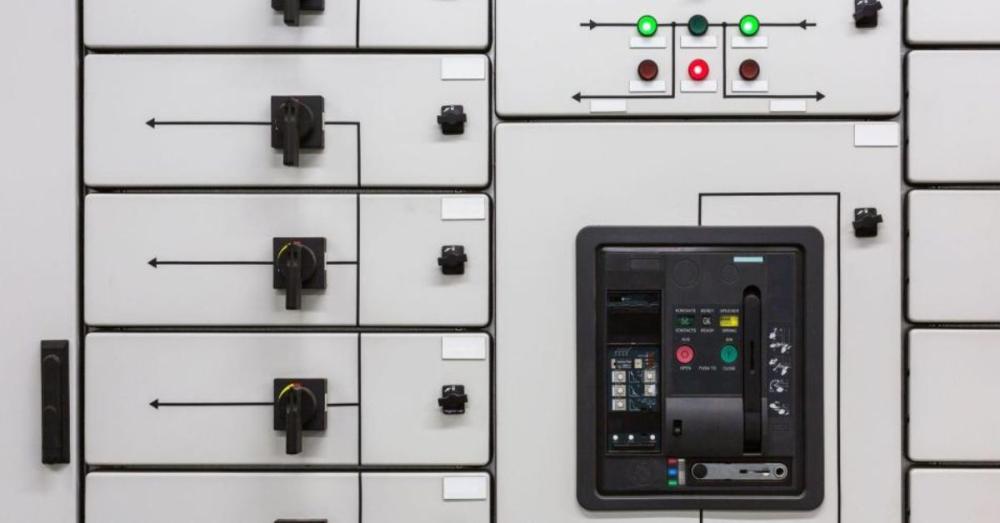
Large-scale commercial environments rely heavily on a robust three-phase electrical system to keep daily operations running smoothly. In these high-voltage settings, three-phase isolators are deployed across complex electrical distribution boards to guarantee safe power disconnection.
Stringent workplace safety measures mandate the presence of these devices to facilitate routine maintenance without risking massive, expensive grid failures.
Heavy-Duty and Complex Appliances
Air conditioners and electric showers demand dedicated isolation. Since these appliances are typically installed in wet or humid zones, using proper isolating devices is a strict legal requirement to meet national electrical safety codes.
Did You Know - Not having a proper isolation switch on certain household appliances can actually invalidate your property insurance in the event of an electrical fire?
Essential Installation Guidelines for Electricians
Choosing the Right Location and Accessibility
Positioning is everything when it comes to electrical safety. You must install the switch close enough to the appliance in question so that it remains visible. This proximity prevents accidental power-ups by third parties who might not realise maintenance is actively being performed on the line.
Furthermore, always keep the surrounding space completely free of physical obstructions so emergency access is never hindered during a crisis.
Wiring and Setup Best Practices
Getting the setup right the first time saves significant headaches later. Always verify that your wire gauge and type are fully compatible with the isolator's specific amp rating. Before starting any physical work, ensure you cut off the supply lines entirely.
Take your time wiring the internal conductors to their correct terminals according to the manufacturer's schematic, and double-check that the mechanical seal or weatherproof gasket is securely placed to maintain the unit's correct IP rating.
Source - eFIXX
Top TP&N Isolators & Switch Fuses for Your Next Project
When sourcing highly reliable electrical components for commercial or domestic projects, it is vital to choose trade-trusted suppliers. Meteor Electrical offers a comprehensive range of TP&N isolator & switch fuses designed for uncompromising safety, durability, and compliance:
1. 20 Amp 3 Pole Polycarbonate Boxed Isolator Switch GARO
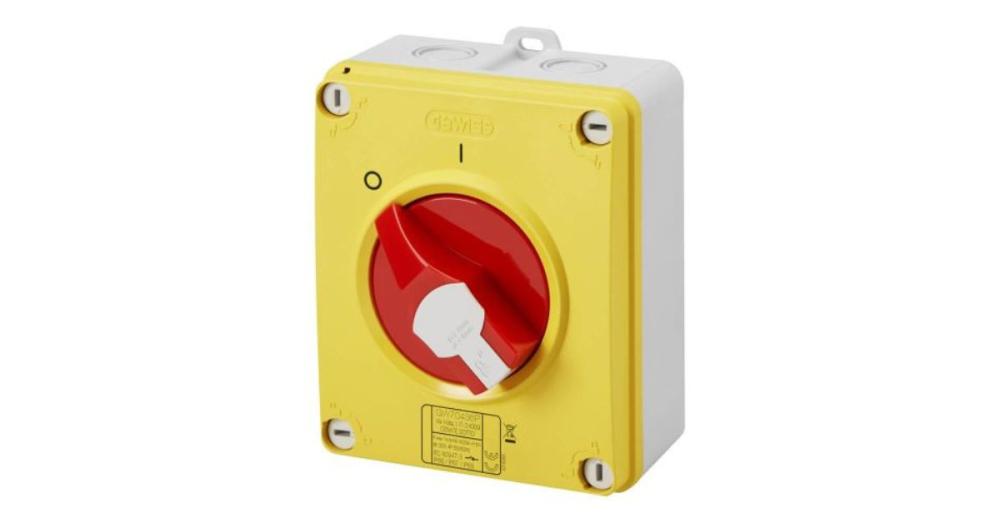
Part of the highly respected Garo range, this 20 amp rotary isolator switch is presented in a robust, flame-retardant enclosure designed for quick surface mounting. Offering plenty of internal space for ease of installation, it is perfectly suited for the vast majority of standard commercial applications.
Key Features:
- 20 amp 3 pole isolator switch
- IP65 rating for excellent weather protection
- Interlocking lid ensures removal in the OFF position only
- Padlockable handles for ultimate safety
- Flame-retardant material construction
Shop 20 Amp 3 Pole Boxed Isolator Switch GARO
2. 32 Amp 4 Pole Rotary Isolator Switch IP65 Rated Selectric
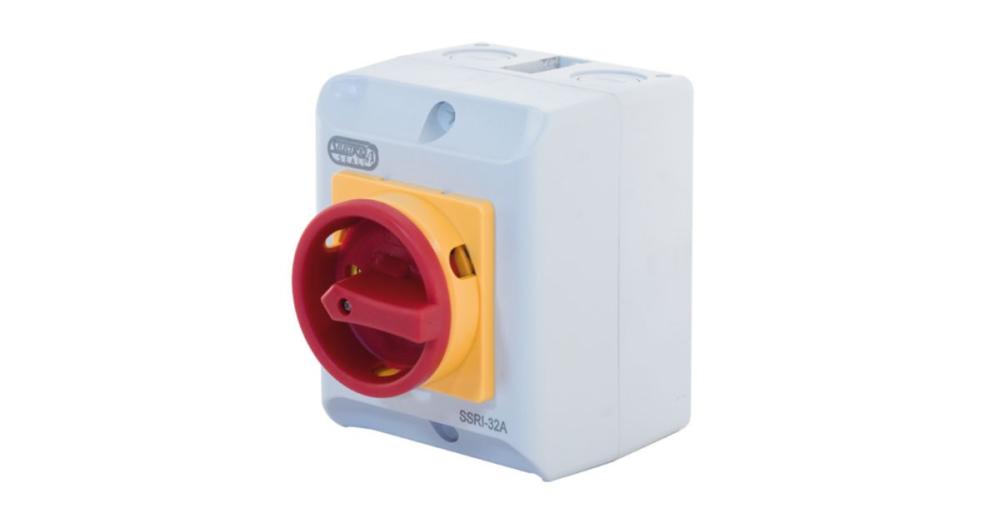
This premium Selectric product features an on-load switch disconnector housed in surface-mountable polycarbonate. The impact-resistant base and cover are meticulously sealed with a weatherproof gasket, making this unit a fantastic, reliable choice for tough indoor and outdoor conditions alike.
Key Features:
- Heavy-duty & weatherproof design
- On-load switch disconnectors for safe disconnection
- 4 knock-out cable entries compatible with 20mm or 25mm cables
- Lockable in the OFF position to prevent accidental activation
- Highly visible grey, yellow, and red colour scheme
Shop 32 Amp 4 Pole Rotary Isolator Switch Selectric
3. 63 Amp 4 Pole Polycarbonate Boxed Isolator Switch GARO
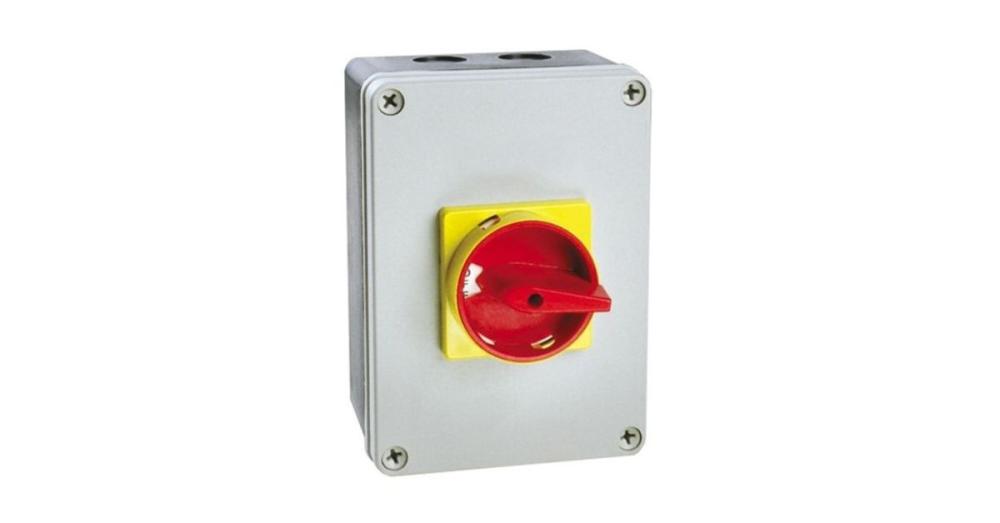
For significantly heavier loads, this 63 amp, 4 pole rotary switch from Garo delivers exceptional performance within a flame-retardant surface-mount enclosure. With its superior build quality and surprisingly spacious interior, wiring heavy-duty cables has never been simpler or safer.
Key Features:
- 63 amp 4 pole configuration
- IP65 rating protecting against dust and water jets
- Interlocking lid for secure, regulation-compliant access
- Easy access and switch removal
- Fully EN 60947 compliant
Shop 63 Amp 4 Pole Boxed Isolator Switch GARO
4. 250A 3 Pole Metalclad Fuse Switch IP55 GARO
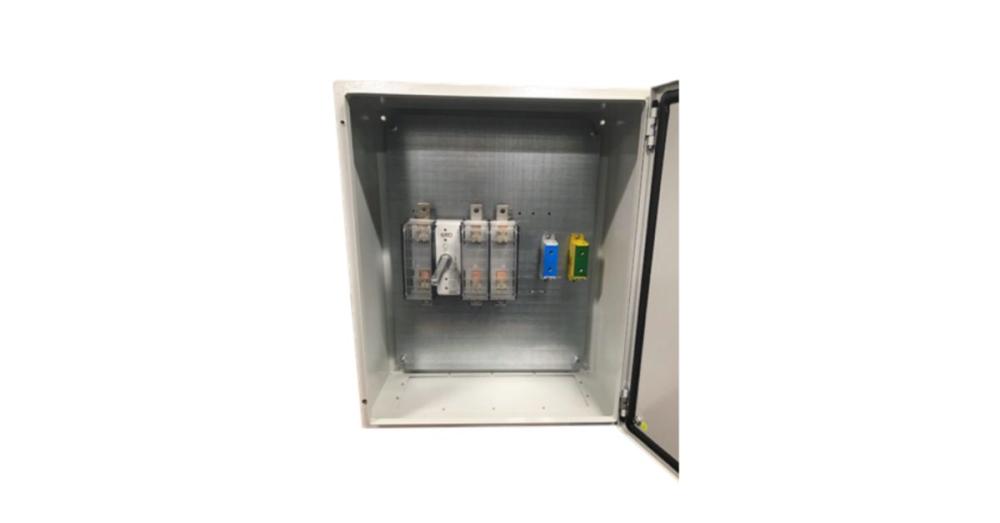
When serious industrial power management is required, GARO's 250A Metalclad Fuse Switch is the ultimate workhorse on site. Built to endure severe conditions with an impressive IK10 impact rating, it provides unshakeable reliability for the most demanding, heavy-duty electrical environments.
Key Features:
- Massive 250A current rating
- 3 Pole module configuration
- IP55 weather resistance and IK10 impact rating
- Wide temperature operating range (-25C to +40C)
- Extremely durable metalclad construction
Shop 250A 3 Pole Metalclad Fuse Switch GARO
Key Takeaways
- TP&N isolators provide safe electrical isolation by disconnecting three phases and the neutral, making maintenance work safer in commercial and industrial systems.
- Isolators and circuit breakers serve different purposes: circuit breakers protect against electrical faults, while isolators create a secure manual disconnection point.
- TP&N isolators are best suited to higher-load applications, including three-phase systems, commercial installations, industrial equipment, and heavy-duty appliances.
- Correct rating, pole configuration, and IP protection should be considered when selecting an isolator or switch fuse for a specific installation.
- Proper positioning and installation are essential to maintain accessibility, prevent accidental re-energisation, and support electrical safety compliance.
- Meteor Electrical offers TP&N isolators and switch fuses across multiple amperage ratings, including options from GARO and Selectric for different project requirements.
Conclusion
Utilising the correct mechanical switching device is absolutely non-negotiable for preventing hazardous electrical accidents. Proper installation not only ensures appliance longevity but also maintains strict compliance with current UK building regulations.
Whether you are outfitting a sprawling commercial space or simply upgrading a residential bathroom, Meteor Electrical is your trusted partner for high-quality distribution and control equipment. Serving professional electricians and facilities managers across the UK and Europe, we provide rapid next-day delivery on top-tier electrical goods. If you need to buy TP&N isolators for an upcoming job, do not compromise on quality or safety.
Shop the full range of TP&N Isolators at Meteor Electrical today to secure your site with trade-trusted equipment!
Frequently Asked Questions (FAQs) About TP&N Isolators
1) What is the main difference between a TP&N isolator and a standard circuit breaker?
A circuit breaker automatically trips to protect an active circuit from electrical overloads, whereas an isolator is manually operated off-load to safely cut power for maintenance.
2) How do I know which amperage rating to choose for my TP&N isolator?
You should always match or slightly exceed the maximum current rating of the specific appliance or electrical circuit the isolator will be protecting.
3) Why is an isolator switch mandatory for electrical showers and extractor fans?
These appliances operate in wet, humid environments where the risk of electric shock is severe, making a dedicated local power disconnect a strict regulatory requirement.
4) Does a TP&N isolator switch protect the neutral pole?
Yes. Unlike a standard TP (Triple Pole) isolator, a TP&N isolator switches the neutral along with all three live poles, giving a complete break across all four conductors.
5) Can I use a 3-phase TP&N isolator for a single-phase installation?
While technically possible by wiring only the required poles, using the appropriately rated single-phase device is strongly recommended for space efficiency and clear regulatory compliance.