
SWA Armoured Cable Installation Guide: Expert Tips to Cut, Lay, Gland & Secure Cables
SWA Armoured Cable Installation Guide: Expert Tips to Cut, Lay, Gland & Secure Cables
Safe installation is not just best practice, it is essential when working with any power cable, especially in demanding environments. SWA Armoured Cable is widely used across industrial sites, outdoor projects and underground networks where durability and protection are critical. A poorly installed cable can lead to failures, safety risks and costly downtime.
A common question many professionals ask is — “what is the correct method for installing SWA armoured cable safely?” — where the answer lies in understanding both the cable structure and the installation process from start to finish.
This guide walks through the essentials of cutting, laying, fixing and terminating SWA cable correctly, while also highlighting common mistakes to avoid. It is designed for electricians, contractors and facilities managers who want reliable, compliant results.
What is SWA Armoured Cable - Key Components Explained
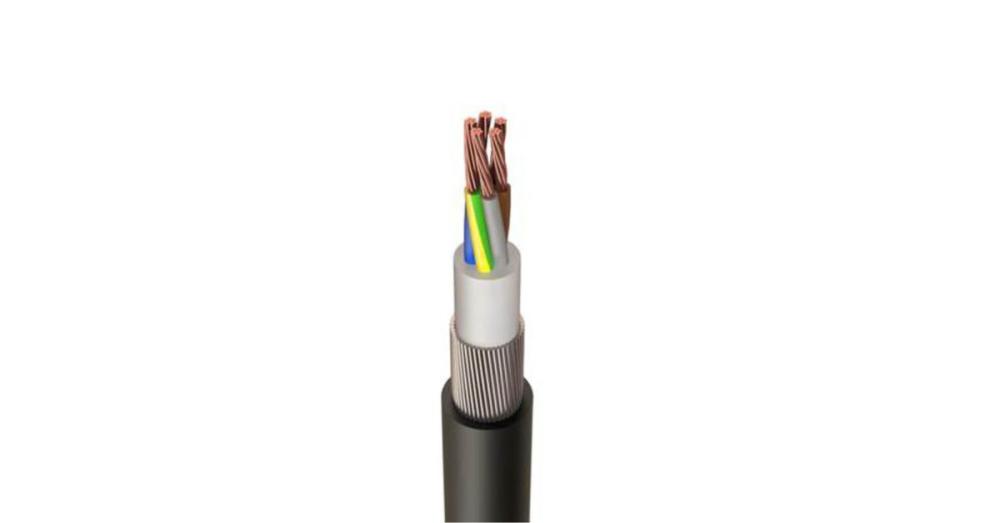
An SWA Armoured Cable is built for strength and resilience. Its construction includes:
- Copper conductors for efficient current flow
- Insulation layer, typically XLPE, for thermal resistance
- Steel wire armour for mechanical protection
- Outer sheath for environmental protection
This layered design makes it ideal as an outdoor armoured cable in harsh or exposed conditions. It resists impact, moisture and corrosion, making it suitable for long-term use.
Types of SWA Cables and Their Applications
Different types suit different installations:
- 2-core cables for single-phase supplies
- 3-core cables for three-phase systems
- Multi-core cables for complex control setups
These cables are commonly used indoors, outdoors and underground, depending on project needs.
Regulatory Standards and Safety Requirements
Compliance is vital. Installations should follow BS5467 and related standards, ensuring:
- Proper earthing of armour
- Correct voltage ratings
- Safe installation practices
Ignoring standards can lead to system failure or legal complications.
Tools and Preparation for SWA Cable Installation
Preparation determines the quality of the final installation. Essential tools include:
- Heavy-duty cable cutters
- Gland kits and spanners
- Cable cleats and clips
- Wire stripping tools
Before installation, assess the site for hazards such as moisture, heat or mechanical stress.
Measuring and Planning Cable Runs
Accurate planning reduces waste and improves efficiency:
- Calculate cable length based on route and load
- Consider voltage drop over distance
- Avoid tight bends or excessive tension
Proper planning ensures the SWA cable performs efficiently over time.
Source - The DIY Guy
How to Cut, Strip, and Gland SWA Cable Correctly
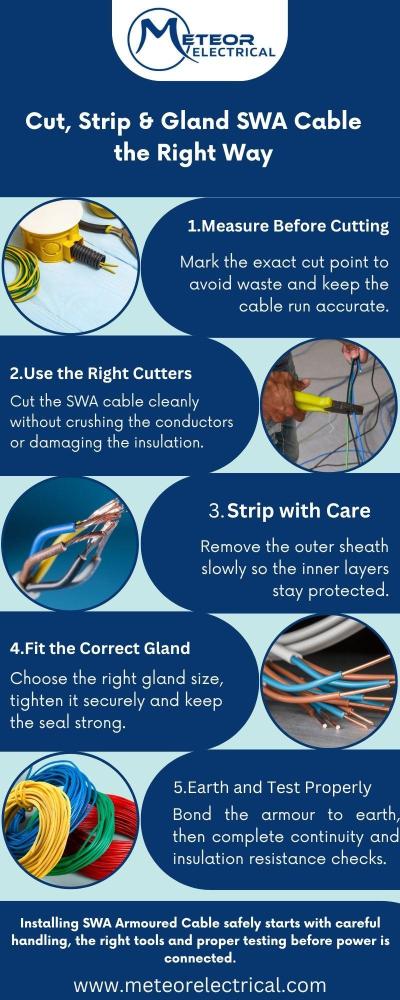
Cutting SWA Armoured Cable requires precision:
- Measure and mark the cut point
- Use appropriate cutters to avoid crushing
- Strip the outer sheath carefully
- Remove armour wires without damaging insulation
Installing Glands and Earthing the Armour
Correct gland installation ensures safety:
- Select the right gland size for the cable diameter
- Secure the gland tightly to maintain sealing
- Bond the armour to earth properly
This step is critical in preventing electrical faults.
Testing Before Installation
Always test before energising:
- Continuity testing
- Insulation resistance checks
Many installers ask — "how do you properly gland and terminate SWA armoured cable? ”— where the key lies in precision, correct sizing and thorough testing.
Did You Know - Improper gland termination is one of the leading causes of premature cable failure in industrial installations?
Understanding Fixing Methods for SWA Cable
Proper fixing prevents strain and damage over time.
Common Fixing Techniques
- Cable cleats for secure anchoring
- Clips for lighter runs
- Cable trays and ladders for organised routing
Spacing should be consistent to avoid sagging or stress points.
Laying SWA Cables Underground vs Surface
Installation method depends on environment:
- Direct burial is suitable for robust outdoor armoured cable applications
- Ducting offers additional protection in high-risk areas
Typical burial depth ranges from 450 mm to 600 mm, depending on regulations and usage.
Choosing the Right SWA Armoured Cable: Top Picks from Meteor Electrical
1. 25MM 5 Core SWA LSF Cable
Designed for environments where safety is critical, this cable reduces smoke and toxic emissions during fire incidents, making it ideal for enclosed or high-risk areas.
Key features:
- 5 core 25 mm design for heavy-duty use
- Low smoke zero halogen insulation
- Voltage rating 600/1000V
- Wide temperature tolerance
- Durable steel wire armour
Shop 25MM 5 Core SWA LSF Cable
2. 16mm PRO Single Core Control Cable RS (Blue)
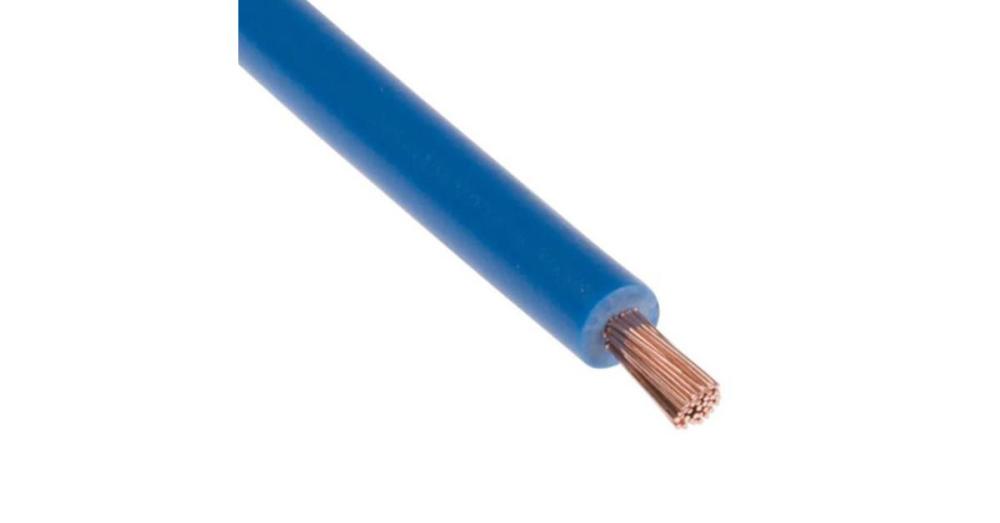
A versatile control cable suited for panels and industrial systems where flexibility and reliability are required.
Key features:
- Flexible single core design
- PVC insulation
- Rated up to 1000 V
- Meets BS6231 standards
Shop PRO Single Core Control Cable RS
3. 5 Core 16.0mm SWA Cable
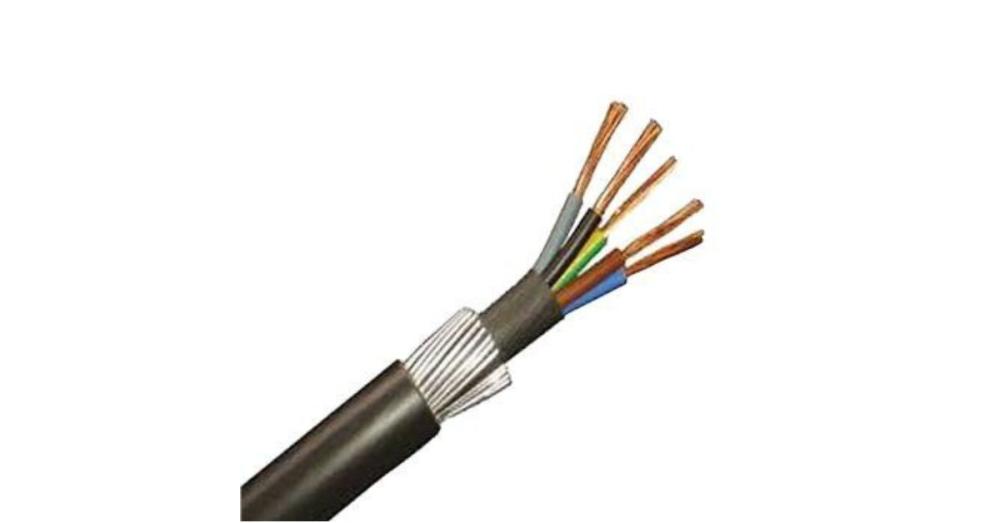
A dependable choice for power distribution across indoor and outdoor installations, offering strong protection and consistent performance.
Key features:
- 5 core configuration for complex systems
- XLPE insulation for thermal efficiency
- Complies with BS5467 standards
- PVC sheath for durability
- Suitable for underground and ducting use
4. 16mm PRO Single Core Control Cable RS (Brown)
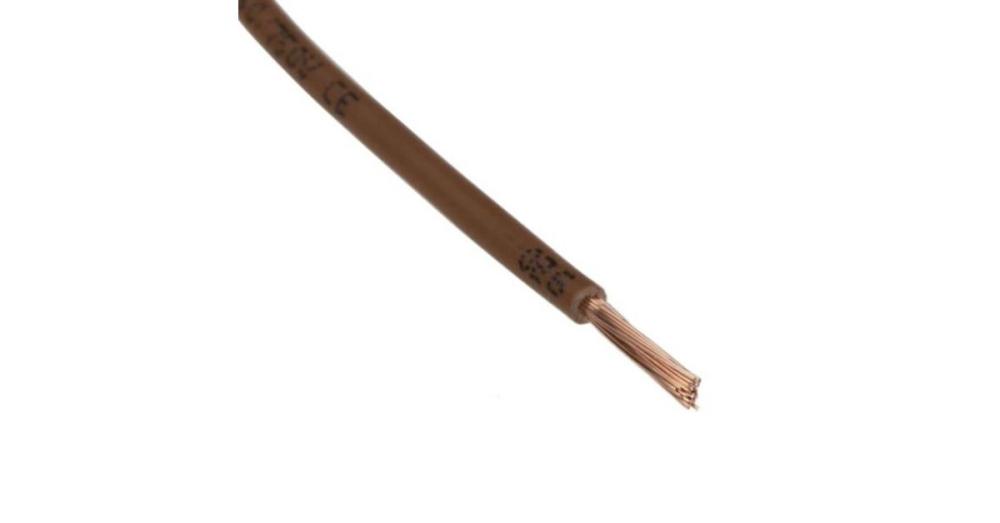
Ideal for control and instrumentation systems, this cable supports stable electrical performance in demanding environments.
Key features:
- High-quality copper conductor
- PVC insulation for reliability
- Flexible installation
- Meets BS standards
Shop PRO Single Core Control Cable RS
Common Pitfalls to Avoid During Installation
Even experienced installers can make avoidable errors:
- Using incorrect gland sizes
- Failing to earth the armour properly
- Over-bending the cable beyond limits
- Poor fixing leading to cable strain
- Ignoring environmental exposure
Troubleshooting Installation Issues
Watch for these warning signs:
- Cable overheating
- Loose connections
- Insulation damage
Quick fixes include re-terminating glands or improving support. However, severe issues may require full reinstallation.
Key Takeaways
- SWA Armoured Cable is designed for tough indoor, outdoor and underground installations where strong mechanical protection is required.
- Correct planning is essential before installation, including cable length, load requirements, voltage drop, route safety and bend radius.
- Cutting, stripping and glanding SWA cable must be done carefully to avoid damaging the conductors, insulation or armour wires.
- Proper earthing of the steel wire armour is critical for electrical safety and long-term system reliability.
- Fixing methods such as cleats, clips, trays and ducts help prevent cable strain, sagging and installation damage.
- Using the right SWA cable type, gland size and installation method helps reduce faults, improve compliance and extend cable lifespan.
Conclusion
Installing SWA Armoured Cable correctly ensures safety, longevity and performance. From selecting the right type to precise gland termination and secure fixing, each step plays a role in building a reliable system.
Choosing high-quality materials is just as important as installation skill. Meteor Electrical offers a wide range of SWA cable options, accessories and control cables designed to meet professional standards.
Explore the complete range of cable solutions at Meteor Electrical today!
FAQs About SWA Armoured Cables
1. What is the minimum burial depth for SWA cables?
Typically 450 mm to 600 mm, depending on installation type and local regulations.
2. Can SWA cable be used without conduit underground?
Yes, SWA Armoured Cable can be directly buried due to its protective armour, though ducting adds extra safety.
3. How do I choose the right size SWA cable for my project?
Consider load requirements, cable length and voltage drop to select the correct size.
4. Do SWA cables always need earthing?
Yes, the steel wire armour must be earthed to ensure electrical safety.
5. What is the difference between 2-core and 3-core SWA cable?
2-core is used for single-phase systems, while 3-core supports three-phase power supply.