
The Complete Guide to TP&N Boards and Switchgears: Selection, Safety, and Installation
The Complete Guide to TP&N Boards and Switchgears: Selection, Safety, and Installation
Reliable electrical systems underpin almost every aspect of our modern world. Whether it is a bustling office tower, a hospital, or a large manufacturing plant, every single commercial facility relies heavily on safe and efficient power distribution to stay up and running. This is exactly where TP&N boards and switchgears shine.
These essential electrical components regulate, protect, and meticulously manage electricity to ensure a smooth supply across a variety of demanding applications. For electrical contractors and facilities managers, understanding the intricacies of these systems is non-negotiable. As we will explore in this guide, high-quality circuit protection plays a crucial role in making modern infrastructure not just possible, but sustainable, scalable, and completely safe.
Let us dive into the mechanics, operational benefits, and installation best practices for managing these vital electrical networks.
Understanding TP&N Boards and Switchgears
What Are TP&N Boards?
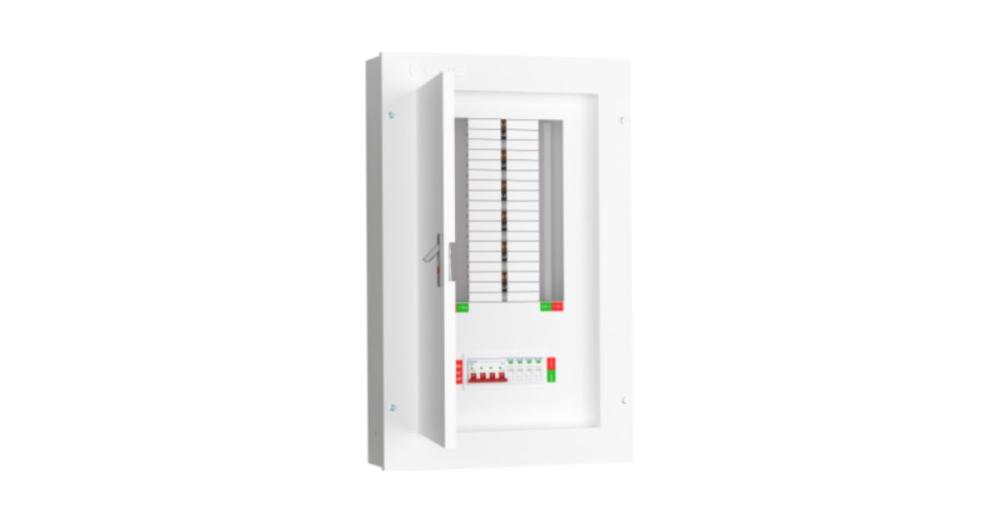
In the electrical trade, TP&N stands for Three-Phase and Neutral. This terminology describes sophisticated distribution boards designed to distribute and protect three-phase power. While single-phase setups are common in domestic properties, three-phase power is utilised heavily in industrial and commercial settings where higher electrical loads and heavy machinery are the standard. They provide a stable, continuous flow of electricity that single-phase systems simply cannot match.
The Role of Switchgears
A switchgear, on the other hand, encompasses all the collective devices that control, meter, and switch electrical circuits on or off. They serve as the primary defence mechanism for your building, automatically safeguarding circuits against dangerous overloads or sudden short circuits. Together, TP&N boards and switchgears direct the flow of electricity, acting like highly intelligent traffic lights for commercial power distribution.
Core Components and Types
When you open one of these distribution systems, you will usually find several critical components working in harmony:
- Circuit Breakers (MCBs, MCCBs, RCBOs): These are the frontline defenders that prevent structural damage by instantly interrupting power during electrical faults.
- Busbars: These solid metallic strips efficiently conduct large electrical currents across the board, distributing power to individual breakers.
- Fuses and Relays: These offer additional layers of precise protection and control for highly complex circuits.
- Enclosures and Panels: These robust outer casings keep everything beautifully organised, shielded from environmental hazards like dust and moisture, and easily accessible for maintenance.
Depending on the specific site needs, low voltage switchgear for commercial buildings may vary wildly in size and capacity, but the end goal is always the same: to deliver power safely and reliably.
Key Takeaways
- Three-Phase Protection: TP&N (Three-Phase and Neutral) boards distribute and protect three-phase power, which is the absolute standard for heavy-duty commercial and industrial environments.
- Intelligent Traffic Controllers: Switchgears actively manage and control electrical circuits, automatically safeguarding your infrastructure against overloads and short circuits.
- Built for Scalability: Modern low voltage switchgear for commercial buildings is highly modular, allowing facilities managers to scale power distribution effortlessly as business demands grow.
- Proactive Maintenance Saves Money: Implementing routine visual checks and thermal imaging drastically extends the lifespan of your distribution boards and prevents expensive downtime.
- Sustainable Integration: Upgrading to advanced switchgears reduces energy loss and heavily supports smart building automation for better overall efficiency.
- Trade-Trusted Sourcing: Upgrading your power systems with reliable hardware from leading wholesale suppliers ensures strict regulatory compliance and long-term site safety.
The Importance of Switchgear in Modern Infrastructure
Unmatched Reliability and Safety
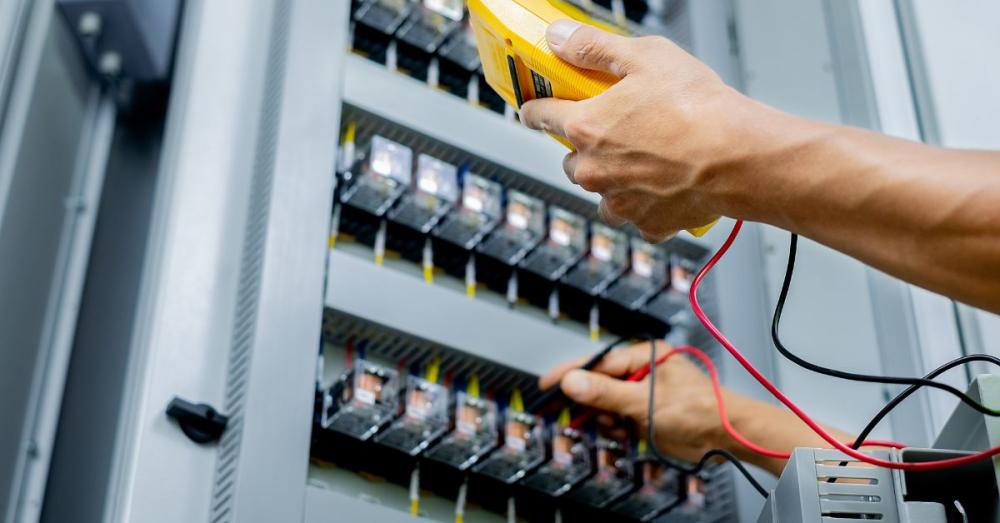
Uninterrupted electricity is critical for data centres, hospitals, and busy commercial premises. TP&N boards and switchgears drastically improve system reliability by isolating faults to specific circuits and preventing widespread building outages. They also include built-in safety features, such as protective relays and secure, lockable enclosures, to guard both personnel and expensive equipment from electrical arcs.
Efficiency, Performance, and Scalability
Installing advanced TP&N boards and switchgears often reduces ambient energy loss, helping businesses cut long-term operational costs and boost overall sustainability. Their modern designs can detect minor issues quickly, minimising downtime and streamlining power usage across the board.
Furthermore, as organisations grow, so do their daily power demands. Low voltage switchgear for commercial buildings is specifically designed to scale up or down. This modularity lets facility managers adapt to changing requirements (like adding new factory machinery) without overhauling the entire electrical system.
Sustainability and Environmental Impact
Modern power distribution systems are designed with corporate sustainability in mind. Their energy-efficient components not only reduce power losses but also actively support greener building certifications. By ensuring electricity is managed without waste, commercial properties can significantly lower their carbon footprint.
Did You Know: Integrating smart switchgears into a commercial building can reduce unexpected power outages by up to 30 percent? By providing real-time data analytics, these modern systems allow facilities managers to spot and resolve minor thermal anomalies before they develop into catastrophic, expensive electrical failures.
Integration with Smart Technologies
Advanced switchgear now often comes fully equipped with smart monitoring and automation features. These digital capabilities allow for real-time data collection, predictive maintenance scheduling, and remote management. This means electrical contractors can monitor the health of a building's power supply off-site, further streamlining operations for optimum efficiency and safety.
Installing TP&N Boards: Design and Economic Considerations
The Design and Engineering Process
Proper design is absolutely essential for any successful electrical setup. Before installation, engineers must calculate expected building loads, decide on the correct busbar ratings, and plan out circuit protection meticulously. Thoughtful interior layouts and clear, permanent labelling simplify future maintenance and ensure total compliance with strict UK wiring regulations.
Customisation for Specific Applications
No two infrastructures are exactly the same. TP&N boards and switchgears can be fine-tuned to meet exact specifications, whether it is a high-security data centre needing absolute fault tolerance or a retail complex aiming for improved energy efficiency. Each minor customisation adds up to safer and significantly more reliable power distribution.
Economic Benefits and ROI
While modern systems require a notable initial investment, the financial payback can be incredibly substantial. Upgrading to advanced distribution boards and switchgears leads directly to:
- Lower long-term energy costs due to reduced thermal loss.
- Reduced downtime for critical business services.
- An extended lifespan for connected heavy machinery.
- Streamlined maintenance, upgrades, and overall lifecycle management.
Source - eFIXX
Essential Preventive Maintenance Tips for TP&N Boards
A well-planned, rigorous maintenance schedule extends the life of your TP&N boards and switchgear immensely. Preventing a problem is always cheaper than repairing a blown circuit. Here are five highly effective strategies to implement:
- Frequent Visual Checks: Train staff to spot early signs of wear, physical discolouration, or loose cable connections.
- Thermal Imaging: Use infrared cameras to detect overheating in circuits and busbars that might not be visible to the naked eye.
- Dust and Debris Removal: Keep enclosures impeccably clean to prevent hazardous electrical tracking and heat buildup.
- Mechanical Part Lubrication: Ensure that heavy breakers, isolators, and moving parts operate smoothly without sticking.
- Testing Protective Devices: Routinely confirm that all safety mechanisms trip correctly and within the required timeframes when a fault is simulated.
Often, you do not need to replace an entire distribution system when faults occur. Swapping out aging circuit breakers or adding upgraded modular panels can bring immediate performance gains, helping you stay current without a massive financial overhaul.
Conclusion: Supercharge Your Electrical Projects
As our infrastructure rapidly evolves, TP&N boards and switchgears remain at the very heart of safe and efficient power distribution. They are a vital, non-negotiable piece of the puzzle for commercial buildings and manufacturing plants, ensuring unwavering reliability, scalability, and strict regulatory compliance.
If you are ready to enhance your power systems and need to source reliable components, look no further than Meteor Electrical. Promoted as a leading wholesale electrical supplier for the UK and European markets serving electrical contractors and facilities managers, we offer an unmatched, comprehensive range of distribution and control gear.
Our expansive stock includes TP&N boards, RCBOs and MCBs, all designed for straightforward installation and top-tier circuit protection.
Shop our full range of high-quality electrical supplies at Meteor Electrical today and take advantage of our rapid next-day delivery on thousands of trade-trusted products!
Frequently Asked Questions (FAQs) About TP&N Boards
Q1. Are TP&N boards and switchgears only for large industrial facilities?
Not at all. They are incredibly common in smaller commercial settings and retail units as well, thanks to flexible configurations that easily accommodate various load requirements.
Q2. How often should I service my commercial switchgear?
Annual checks are the standard legal requirement, but high-demand industrial environments might require more frequent quarterly inspections to maintain peak performance and safety.
Q3. Can I upgrade my existing system without a full replacement?
Yes. Many modern TP&N boards and switchgear components are highly modular, allowing for partial upgrades (like adding higher-rated breakers) rather than starting from scratch.
Q4. What does TP&N stand for in electrical wiring?
TP&N stands for Three-Phase and Neutral, which refers to a robust system supplying three live phases and one neutral wire for balanced, high-capacity power distribution.
Q5. What is the main function of an electrical busbar?
A busbar is a solid metallic strip inside the switchgear that efficiently conducts a substantial electrical current, distributing it evenly to various individual circuit breakers.
Q6. How do smart switchgears improve electrical safety?
Smart switchgears monitor real-time data and temperature metrics, allowing facilities managers to predict and resolve faults before they cause sudden power outages or fires.
Q7. What is the difference between a switchgear and a consumer unit?
A consumer unit is typically used for smaller domestic single-phase installations, whereas a switchgear manages heavy-duty three-phase power distribution in commercial buildings.
Q8. Why is thermal imaging important for TP&N board maintenance?
Thermal imaging allows electricians to safely detect hidden hot spots, failing components, and loose connections inside the board without having to physically touch live wiring.