
LED Warehouse Lighting: A Practical Guide to Safer, Cheaper, Brighter Warehouses
LED Warehouse Lighting: A Practical Guide to Safer, Cheaper, Brighter Warehouses
Good warehouse lighting is not just about seeing clearly. It directly affects safety, picking accuracy, staff wellbeing and energy spend, which is why more facilities are moving to LED warehouse lighting and smart controls. LEDs deliver high-intensity illumination with far lower energy use and longer service life than many older technologies, making them a strong fit for industrial lighting upgrades.
What Are Energy-Efficient Lights and Why Wattage Is Not The Full Story?
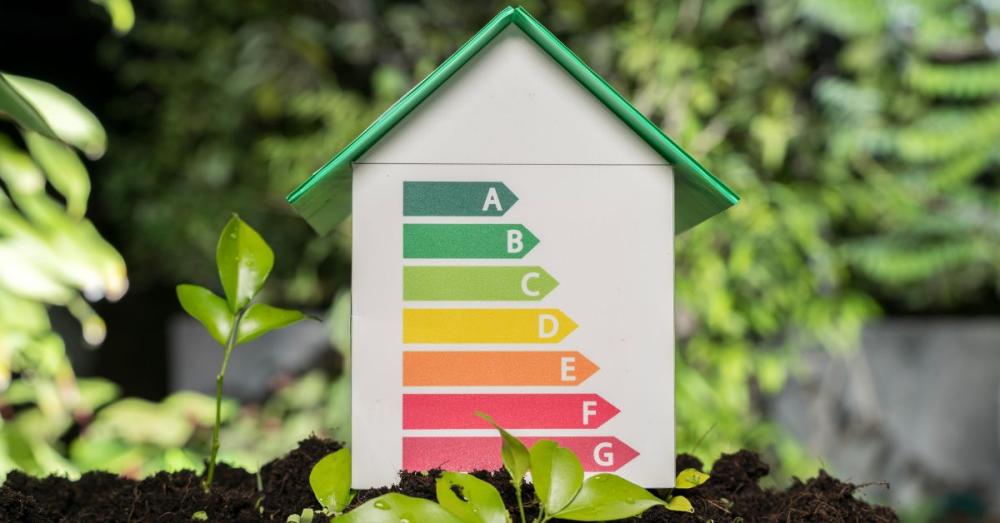
Energy-efficient lighting means getting the brightness you need while using less electricity, without sacrificing visibility.
A key tip for warehouse managers is to compare lights by lumens (light output) rather than watts (power draw). LEDs achieve strong lumen output while using far less energy than traditional incandescent lighting, which is why they are widely used in commercial and industrial settings.
Why Warehouses Are Shifting to LED Lighting (UK And Europe)
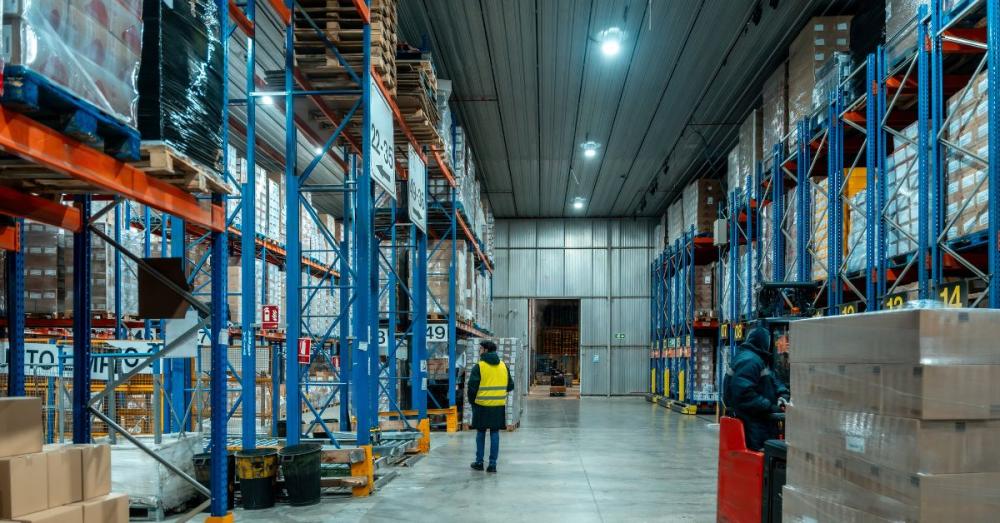
Across the UK, policy has pushed the market away from inefficient lighting, with government announcements highlighting the move from halogen and the phase-out of fluorescents from shelves from September 2023. (Source: GOV.UK)
This matters for warehouses because lighting often runs for long hours and across large floorplates, so even small efficiency gains can meaningfully reduce operating costs. The broader EU picture also shows industry as a major energy user, accounting for about a quarter of final energy consumption in 2022, so efficiency measures like lighting upgrades are a logical place to start.
Did you know: The UK government has stated that shifting to LEDs is expected to cut emissions and that LED bulbs can produce the same amount of light while using up to 80% less power than halogen.
Source - Hodgson Electrical
How Much Power Do LED Lamps Consume and What That Means in Practice?
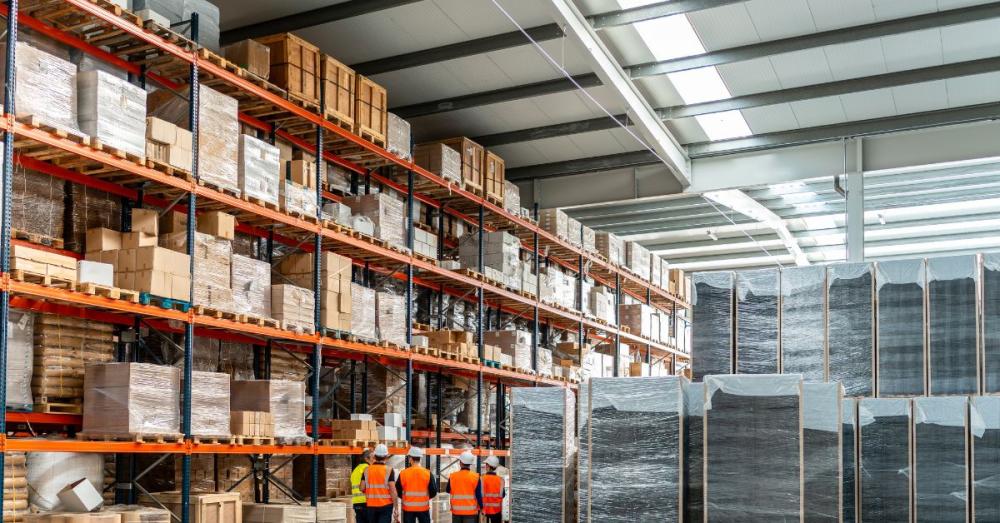
LED efficiency is best understood in relative terms: residential LEDs use at least 75% less energy and can last up to 25 times longer than incandescent lighting. (Source: Department of Energy)
In a warehouse, that typically translates into fewer lamp changes (less disruption and maintenance labour) and a lower risk of “dark spots” caused by failed fittings between service visits. Longer life also supports better consistency in light levels over time when paired with a planned maintenance approach.
Why Good Warehouse Lighting Improves Safety and Productivity
Warehouses rely on clear visibility for safe movement of people, pallet trucks and forklifts, plus accurate reading of labels, signage and bay locations. Better lighting reduces errors and eye strain, and it can help teams stay alert during long shifts by keeping task areas evenly lit.
From an operations point of view, LEDs also pair well with occupancy sensors and timers so you are not lighting empty aisles at full output all day. This type of control strategy supports lower energy use while keeping safety-critical areas properly illuminated.
What Are The Different Types Of LED Warehouse Lighting?
There are multiple options for LED lighting design when it comes to warehouse spaces. However, there are three types of lighting that work best at illuminating these areas. These lights often come in non-standard configurations, such as directional and round. Here are the three common types of LED warehouse lighting:
1. LED High Bay Lighting
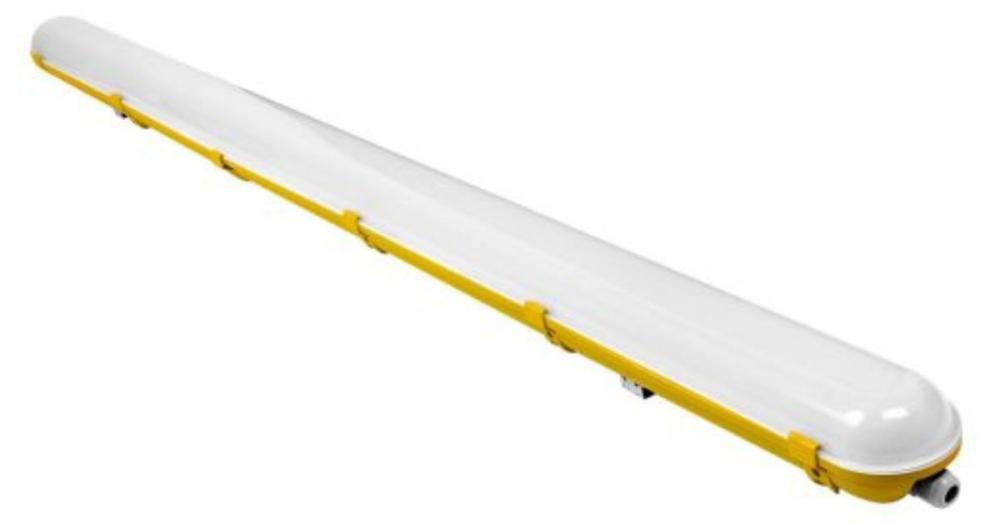
LED high bay lights are specially designed for industrial applications. These lights are created to illuminate large areas with high ceilings, such as a warehouse. Due to these structural qualities, LED high bay lights are perfect for illuminating a large warehouse space.
High bay LED lights create a powerful illumination with a long-range beam to improve the focus and visibility. These lamps perform much better than other traditional options, such as fluorescent and halide lamps.
LED high bay lights are also a great investment because they have an extremely long lifespan and improved energy efficiency.
2. Round High Bay LEDs
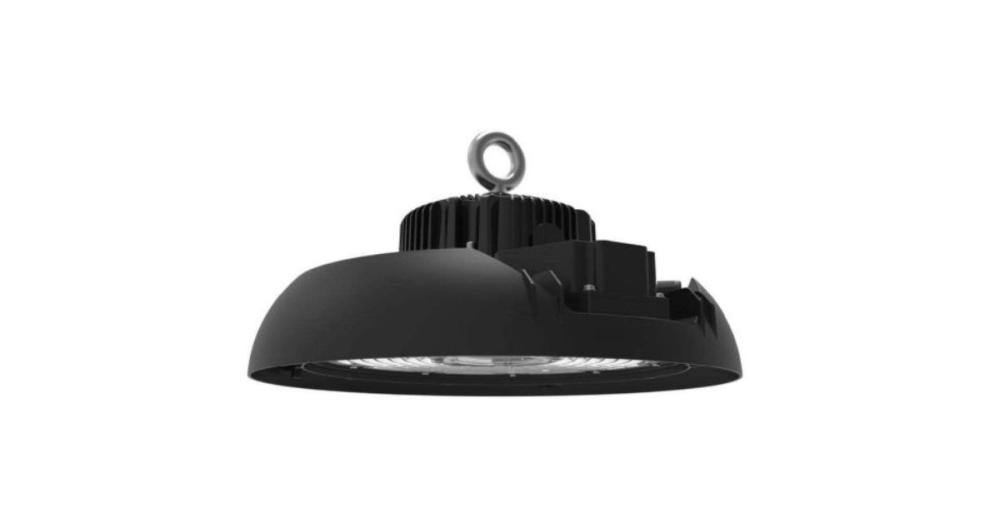
These LED lamps have all the benefits of a high bay light, but the round configuration makes them better for providing focused lighting. These types of lights work best in corridors and other walkways in a warehouse setting where you would need high-intensity directional illumination.
3. LED Directional Channel Retrofit
If you want LED warehouse lighting that emits light from every angle, the directional channel retrofit is the best option. These luminaries are the most useful when they are installed on upper sections of walls or ceilings to emit lights both at an angle and in direction.
What to Look for When Purchasing LED Warehouse Lighting?
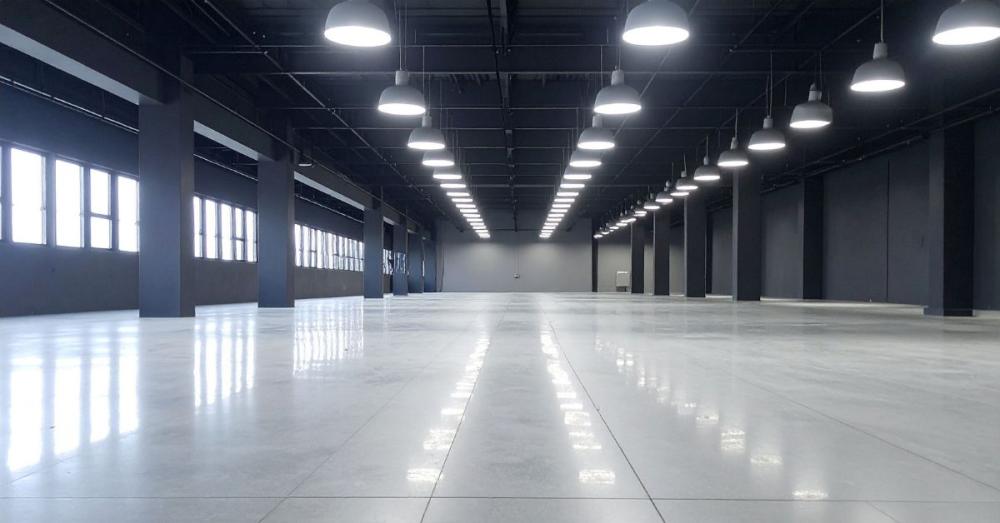
Choosing LED fittings is easier when you work backwards from the job your warehouse needs to do.
Brightness and Layout (Lumens First)
Check lumen output and distribution, then match optics to your racking, aisle width and mounting height. LED performance is typically framed around energy savings and longevity versus incandescent, so lumen-led comparisons help you avoid over-lighting and overspending.
Colour Temperature and Visual Comfort
Cooler light is often preferred for task-heavy zones (picking, packing, QA), while warmer tones may suit offices or welfare areas. Consistent colour and reduced flicker can improve visual comfort over long shifts, especially in detailed tasks.
Controls That Unlock Extra Savings
If you want maximum efficiency, specify fittings compatible with occupancy sensors, daylight harvesting (where skylights exist), and dimming controls. LEDs are well suited to these strategies because they are efficient at lower power and are designed for long life.
Is LED Warehouse Lighting Safe?
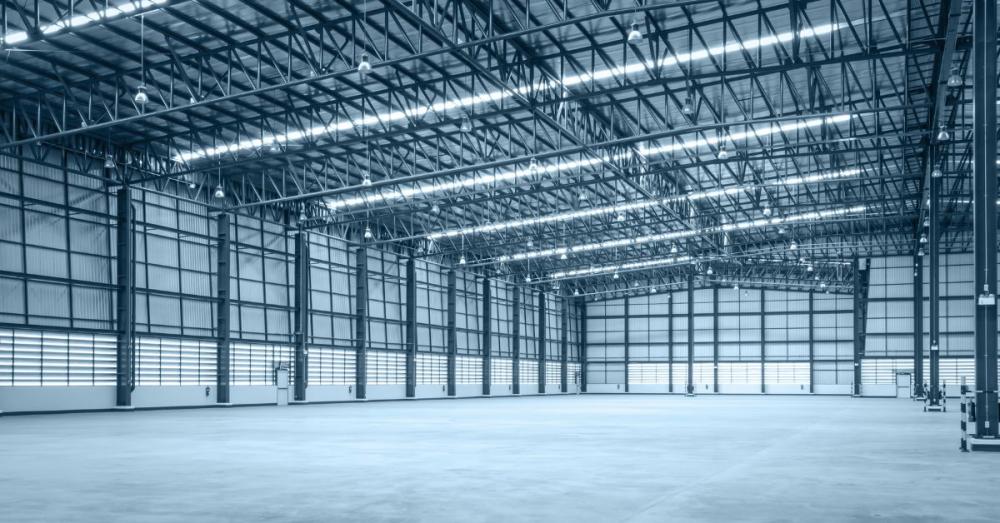
As warehouses are busy working environments that employ large numbers of people, safety is a key concern for many owners. LED warehouse lighting is entirely safe to operate and, in addition, helps to create a safer working environment overall.
With LED lighting, issues such as flickering and fluctuating brightness levels can be eliminated. These problems often cause eye strain, headaches and general discomfort. Poor lighting can negatively affect employees’ health and lead to reduced productivity. However, with LED lighting, such concerns are greatly minimised.
Warehouses typically feature vast floor areas, high racking systems and deep aisles, all of which can be challenging to illuminate effectively. Traditional lighting solutions may leave dark corners and poorly lit edges, increasing the risk of accidents and operational errors. LED warehouse lighting provides bright, uniform illumination that reaches every corner of the warehouse, reducing shadows and ensuring consistent light coverage throughout the space.
Furthermore, LED lighting produces very little heat compared to conventional lighting systems, helping to prevent unnecessary increases in ambient temperature. For these reasons, LED luminaires are an excellent choice for improving both safety and overall working conditions within a warehouse environment.
Key Takeaways
- LED warehouse lighting can cut energy use significantly compared with incandescent lighting and typically lasts much longer.
- UK policy has accelerated the transition away from inefficient lighting, including the phase-out of fluorescents from shelves from September 2023.
- Compare options using lumens and light distribution, not wattage alone.
- Pair LEDs with sensors and dimming to avoid lighting empty areas at full output.
- Selecting the right high bay type and beam pattern improves safety, comfort and picking accuracy.
Conclusion: Upgrade with Meteor Electrical
If you are planning a warehouse lighting upgrade, LEDs are a proven way to improve visibility, lower energy use and reduce maintenance call-outs while supporting safer day-to-day operations.
For a reliable supply of industrial LED lighting and accessories from top brands such as Kosnic and LUKA, speak to Meteor Electrical, a leading wholesale electrical supplier for UK and European markets.
Explore the range and get project support at https://www.meteorelectrical.com/.
FAQs
1. Are LED warehouse lights cheaper to run?
Yes, LEDs typically use far less electricity than incandescent lighting and are designed to last much longer, reducing both energy and replacement costs.
2. How do I choose the right brightness for a warehouse?
Start with the required task visibility and layout, then select fittings based on lumen output and beam distribution rather than watts.
3. Do LED warehouse lights work with motion sensors?
Most modern LED systems can be specified with compatible occupancy sensors and dimming controls to reduce wasted lighting in unoccupied zones.
4. Why is the UK moving away from older bulbs?
UK government announcements have supported the shift to more efficient lighting, including removal of fluorescent lights from shelves from September 2023.
5. Are LEDs suitable for high ceilings?
Yes, LED high bay lighting is designed for large spaces with high mounting heights and can provide strong, focused illumination.
6. Do LEDs really last longer than traditional bulbs?
The US Department of Energy states LEDs can last up to 25 times longer than incandescent lighting, which is valuable in hard-to-access warehouse ceilings.