
Why LED Lighting Is a Smart Switch for UK Energy Savings
Why LED Lighting Is a Smart Switch for UK Energy Savings
If you want a practical way to cut electricity use without sacrificing light quality, LED lighting is one of the smartest upgrades available. In a typical home, lighting accounts for over 10% of electricity usage, and replacing all bulbs with LED alternatives could reduce emissions by up to 40kg a year and save around £65 annually for an average household.
That is a simple change with a real impact. The International Energy Agency has described LEDs as one of the biggest energy efficiency success stories of recent years, thanks to major gains in efficiency, long lifetimes and falling costs.
For households, the benefit is lower running costs with very little disruption. For businesses, contractors and facilities managers, LED upgrades can support energy savings, lower maintenance demands and a more efficient building strategy.
Why LED Lighting Matters for UK Energy Efficiency
Lower Electricity Demand with a Simple Switch
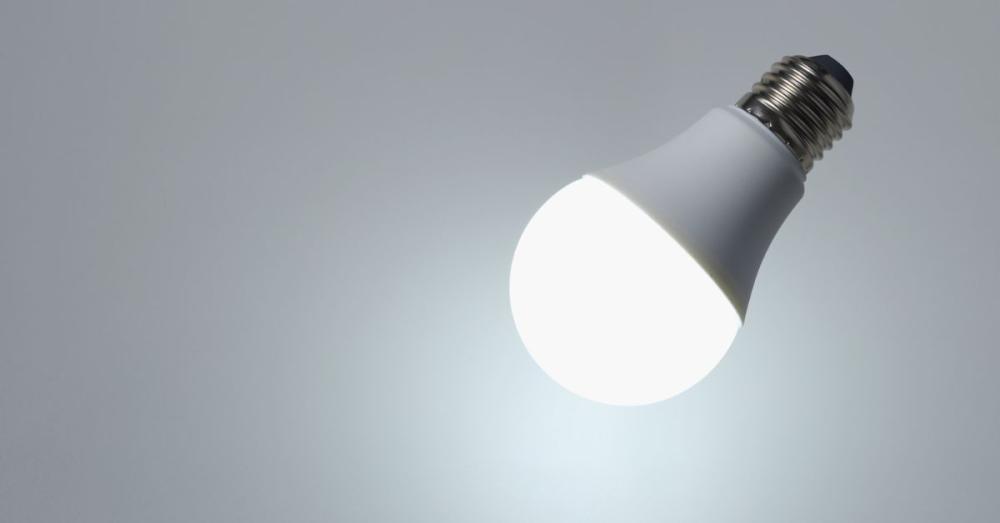
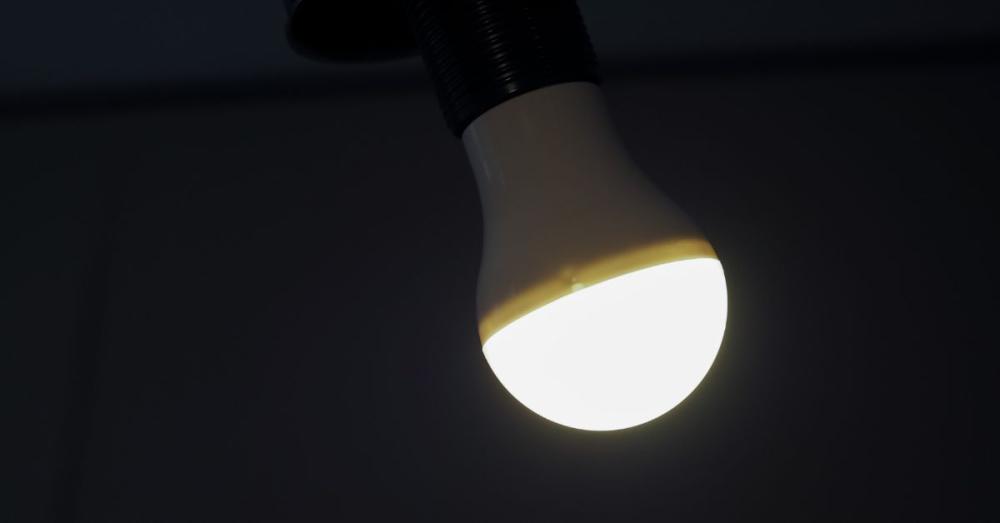
LED bulbs are the most efficient type of light bulb widely available today and can use around 90% less energy than traditional incandescent bulbs. They also fit most standard light fittings, which makes switching over far easier than many people expect.
This matters because small product changes, repeated across millions of homes and workplaces, can make a meaningful difference to national electricity demand. It is one of those rare upgrades that is affordable, practical and visible from day one.
Better for Carbon Reduction and Less Waste
The UK’s move away from older halogen and fluorescent lamps has helped speed up the transition to efficient lighting, with government-backed policy expecting LED bulbs to account for 85% of all bulbs sold by 2030. That shift is important because using less electricity helps lower the emissions linked to power generation.
There is also a waste benefit. When lamps last longer, they need replacing less often, which reduces maintenance frequency and the volume of spent bulbs heading for disposal.
Source - Limitless-X
How Much Can LED Bulbs Save?
Everyday Savings at Home
For a typical UK household, switching all bulbs to LEDs could cut electricity bills by £75 to over £100 a year. Even on a smaller scale, replacing individual older bulbs with LED versions can save a few pounds per bulb each year, so the total adds up surprisingly quickly.
That makes LED lighting one of the easiest low-effort savings available in the home. Hallways, kitchens, bathrooms and exterior lights are often the best places to start because they tend to be used most often.
Long Life Means Better Value
LEDs do not just save energy. They also last much longer than older bulb types, with sources commonly citing lifespans of up to 20 years in normal home use.
That longer lifespan means fewer replacements, fewer trips to buy spares and less time spent changing lamps. Many LED options also reach full brightness instantly and are available in a wide range of fittings, including dimmable versions.
Why Businesses Are Switching to Commercial LED Lighting
Lower Maintenance for Busy Sites
For offices, warehouses, retail units and shared buildings, LED lighting offers a practical route to lower energy use and fewer lamp changes. The IEA says the efficiency gains delivered by LEDs have improved energy security, reduced bills and avoided higher greenhouse gas emissions.
That is especially useful in commercial spaces where lighting is used for long hours or where fittings are difficult to access. Fewer maintenance visits can help reduce labour costs and minimise disruption for staff, tenants or customers.
A Stronger Fit for Modern Building Standards
International energy experts have treated 100% LED sales as a key milestone for zero-carbon-ready buildings, which shows how central efficient lighting has become to long-term building performance. In other words, LED lighting is no longer just a nice upgrade. It is quickly becoming the expected standard.
For electrical contractors and facilities managers, that makes LED upgrades a practical improvement with strategic value. Better efficiency, longer service life and stronger compatibility with modern specifications all support smarter asset management.
Did You Know?
- LED bulbs can use up to 90% less energy than traditional incandescent bulbs.
- Lighting typically makes up over 10% of electricity use in a home.
- Replacing all household bulbs with LEDs could cut emissions by up to 40kg a year.
- UK policy linked the switch to efficient lighting with avoiding 1.26 million tonnes of CO2 each year.
- LED bulbs can last up to 20 years in normal household use.
Conclusion
Switching to LED lighting is a straightforward way to reduce energy use, lower maintenance costs and support more efficient buildings. For electrical contractors and facilities managers who need dependable stock, fast dispatch and expert support, Meteor Electrical offers more than 5,000 products, over 40 years of industry experience and same-day dispatch from a 200,000 sq ft warehouse.
For your next lighting upgrade, choose Meteor Electrical and source reliable wholesale LED lighting, light fittings and electrical supplies from a trusted partner serving trade customers across the UK and Ireland.
Key Takeaways
- LED lighting is one of the easiest ways to reduce electricity use in homes and commercial buildings.
- UK households could save around £65 a year by switching all bulbs to LEDs.
- LED bulbs last much longer than older bulb types, which helps reduce replacement and maintenance needs.
- The shift to LED lighting supports lower carbon emissions and more efficient buildings.
- Commercial LED upgrades are especially valuable for contractors and facilities managers managing running costs.
- Buying from a specialist wholesaler can make product selection, compatibility and project delivery much easier.
FAQs
1. Are LED bulbs more energy efficient than halogen bulbs?
Yes. Industry and government-linked sources say LED bulbs use up to 80% less power than traditional halogen bulbs.
2. How much money can LED lighting save in the UK?
Replacing all the bulbs in an average household with LED alternatives could save around £65 per year on electricity bills.
3. Do LED bulbs last longer than traditional light bulbs?
Yes. Many sources cite LED lifespans of up to 20 years, which means fewer replacements over time.
4. Are LED lights suitable for commercial buildings?
Yes. LEDs help lower energy use, reduce maintenance demands and support long-term building efficiency goals.
5. Why is LED lighting better for the environment?
LEDs use less electricity, which helps reduce emissions linked to energy use. UK policy estimates connected the move to efficient lighting with avoiding 1.26 million tonnes of CO2 a year.
6. Where can contractors buy LED lighting in bulk?
Meteor Electrical is a family-run online electrical wholesaler with over 40 years of experience, more than 5,000 products ready to dispatch and expert lighting support for trade customers across the UK and Ireland.