
Information
The Ultimate Guide to Outdoor Lighting Design: Key Factors for a Stunning Exterior
The Ultimate Guide to Outdoor Lighting Design: Key Factors for a Stunning Exterior
Outdoor lighting is a fantastic way to instantly boost your home's curb appeal and significantly enhance overall security. These carefully chosen luminaires do not just elevate the appearance of your property; they also provide essential illumination in key high-traffic areas. Whether you are aiming to create precise directional lighting to highlight architectural details or clearly define garden pathways for evening strolls, adding the right outdoor lamps can transform your exterior spaces into inviting, highly functional areas.
However, achieving the absolute best results requires more than just placing a few random lights around your garden. A clear, well-thought-out lighting plan is absolutely crucial for success. You want to ensure that your exterior lighting enlivens your outdoor space without overwhelmingly flooding it with harsh brightness. The primary objective is not to achieve stadium-level illumination but rather to provide just enough ambient light to subtly enhance your home's appearance.
In this comprehensive guide, we will explore the most critical factors you need to consider when designing your outdoor lighting layout.
Key Takeaways
Before diving into the finer details of exterior illumination, here is a quick summary of what you need to keep in mind:
- Prioritise Weather Resistance: Always choose durable fixtures with the correct Ingress Protection (IP) ratings to withstand harsh UK weather conditions.
- Focus on Key Zones: Concentrate your lighting efforts on pathways, patios, garden features, and architectural elements for maximum visual impact.
- Embrace LED Technology: Opt for LED lighting to drastically reduce energy consumption while enjoying a much longer bulb lifespan.
- Balance Light and Shadow: Effective outdoor lighting design relies on creating contrast; avoid overcrowding fixtures to prevent uncomfortable glare.
- Enhance Security: Integrate motion sensor lighting to deter intruders without keeping powerful floodlights running all night.
- Match Your Aesthetic: Ensure the style and finish of your exterior luminaires complement the architectural design of your home for a cohesive look.
Why Invest in High-Quality Outdoor Lighting?
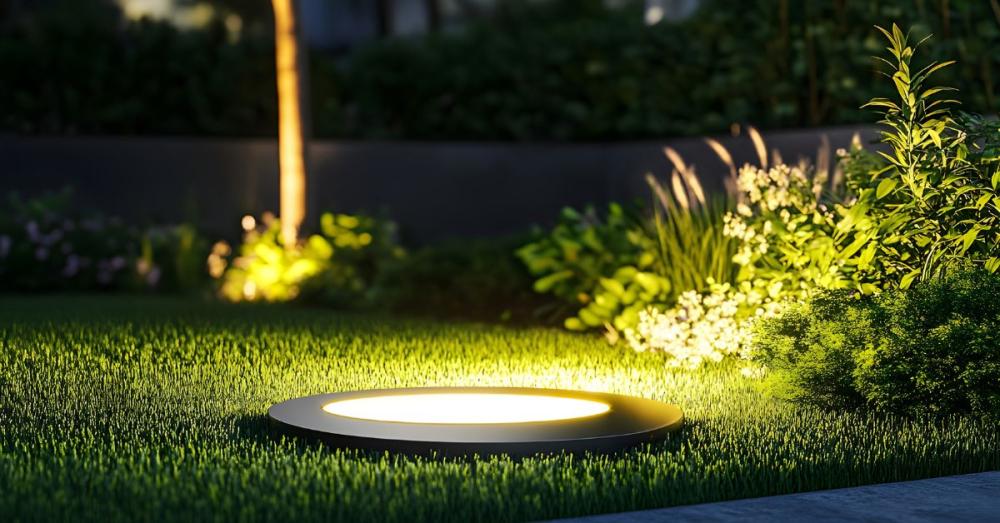
Outdoor lighting specifically refers to fixtures designed to endure the rigorous conditions of a building's exterior. Given that these lamps are constantly exposed to the elements both day and night, selecting weather-resistant luminaires is non-negotiable.
Enhancing Curb Appeal
Beyond basic aesthetics, a thoughtfully planned outdoor lighting system works wonders for your property's overall vibe. Your outdoor area should seamlessly extend your indoor living space, creating a harmonious flow between the indoors and the outdoors. Whether your primary goal is landscape enhancement or creating a dramatic visual effect, the right lighting setup completely transforms the look and feel of your home after dusk.
Boosting Property Security
According to energy and security experts, selecting the right lighting setup has a massive impact on your home safety. Luminaires equipped with advanced motion sensors provide an incredibly effective deterrent against potential intruders. When strategically placed around entry points and dark corners, these lights ensure your property remains safe and secure throughout the night without drawing excessive power.
Common Areas for Landscape Lighting
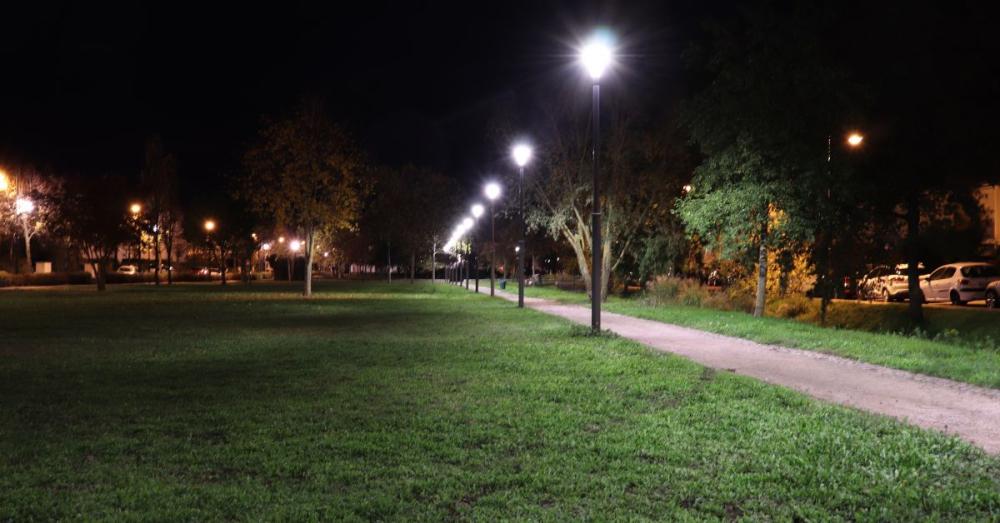
An effective outdoor lighting design typically focuses on several distinct zones around your property.
Patio and Outdoor Living Spaces
Areas such as outdoor kitchens, dining sections, and seating arrangements benefit greatly from soft, ambient lighting that fosters a relaxing atmosphere. Excellent options include recessed floor lighting, stylish wall lanterns, or overhead string lights to create a warm, cosy environment for entertaining guests late into the evening.
Pathways and Driveways
Directional lighting is one of the easiest and most effective ways to upgrade your exterior. Highlighting entrance paths and driveways not only enhances the visual aesthetics of your landscaping but also ensures safe navigation for family and visitors, preventing accidental trips in the dark.
Trees, Gardens, and Architectural Features
Illuminating trees, dense shrubs, or vibrant green spaces around your home can significantly elevate its nighttime appearance. By combining subtle shadows with strategic uplighting, you can create an inviting, theatrical scene. Furthermore, highlighting specific architectural elements draws attention to the unique design details of your building, adding incredible depth and visual interest.
Essential Factors to Consider When Designing Outdoor Lighting
Creating a flawless lighting plan involves several technical and stylistic considerations.
Durability and IP Ratings
Outdoor light fixtures must comfortably withstand harsh environmental conditions, including heavy rain, strong winds, dust, and freezing temperatures. Investing in high-quality, durable fixtures is essential to ensure longevity and drastically reduce maintenance costs. Always check the IP rating of a product. This rating indicates the fixture's resistance to moisture and solid particles.
For example, areas exposed to heavy rain require highly moisture-resistant lighting, while sheltered porch areas might only need moderate ratings.
The Benefits of LED Lighting
Energy efficiency should be at the forefront of your planning. LED fixtures are an outstanding choice because they consume significantly less electricity while providing exceptionally high-quality illumination. The efficiency of LEDs stems from their structural design, which minimises energy wasted as heat. Unlike traditional halogen bulbs, LEDs direct almost all their energy into producing light.
Did You Know? LED bulbs can use up to 90 percent less energy than traditional incandescent bulbs of similar brightness and can last up to 25 times longer, making them an incredibly cost-effective and sustainable choice for long-term outdoor use.
Budgeting and Strategic Spacing
Budgeting is a crucial aspect of any home improvement project. Before purchasing your luminaires, take time to calculate the costs involved. Map out the number of lights you truly need and the specific areas you wish to illuminate.
Equally important is the spacing of your lights. Evenly spacing your fixtures is essential for creating a balanced, aesthetically pleasing design. Avoid the temptation to overcrowd your outdoor space with too many bright lights, as this creates harsh glares and diminishes the welcoming appeal.
Carefully plan the lumen output of each fixture to ensure a seamless, harmonious glow.
Source - Outdoor Inspirations
Types of Outdoor Lighting Fixtures
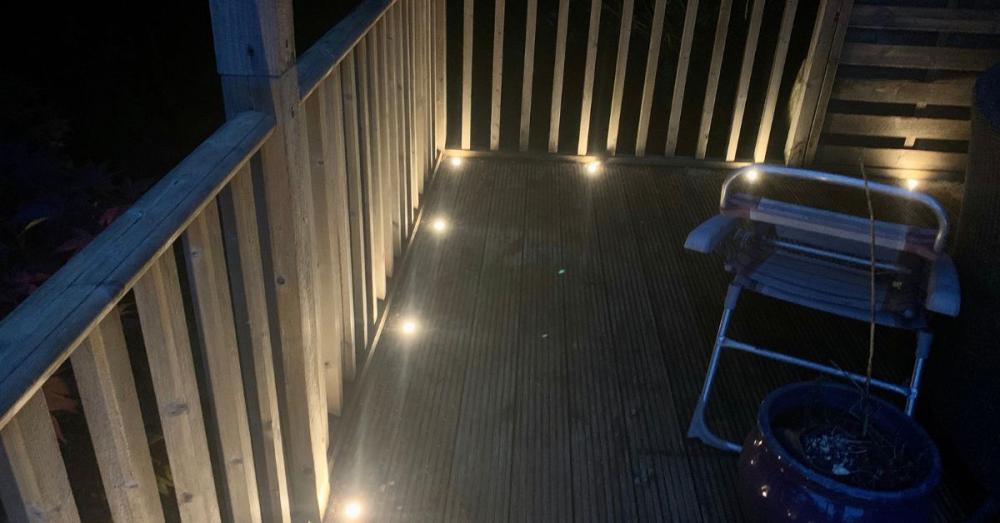
Choosing the perfect setup involves selecting from a wide variety of fixtures, each serving a highly specific purpose in your garden or commercial space.
Wall Lights and Decking Lights
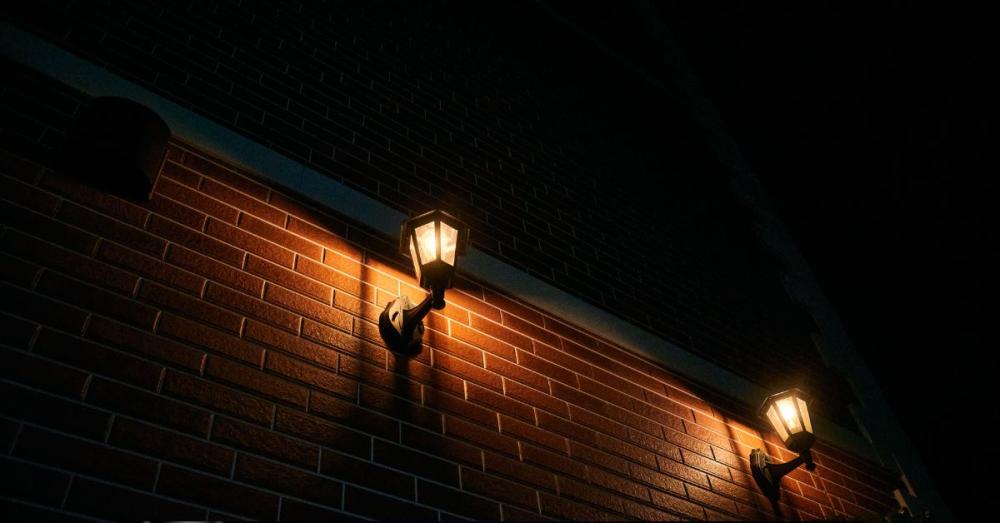
Wall lights, frequently known as lantern fixtures, provide brilliant subtle illumination for walls, doors, and main entryways. They are a highly popular choice for both residential and commercial properties due to their durability and timeless aesthetic appeal.
Decking lights offer a much more integrated approach. These fixtures are perfect for creating ambient illumination across seating areas. Recessed deck lights install directly into wooden paths or composite decking, providing a flush, seamless, and hazard-free finish.
Spike Lights and Bollard Lights
Spike lights are highly versatile fixtures ideal for creating precise directional lighting in soft garden settings. They are perfect for highlighting water features, flower beds, and patio edges. Their main advantage is flexibility; you simply push them into the soft ground and adjust their angle as your garden grows.
Bollard lights are sturdy, post-like fixtures suitable for robust residential and commercial properties. Typically used to indicate pathways, driveways, and main entryways, LED bollards provide ample downward illumination without the high energy consumption associated with older high-intensity discharge bulbs.
Motion Sensor and Security Lighting
Security lights deter intruders and make your outdoor spaces considerably safer. Instead of installing large, intrusive floodlights that annoy the neighbours, you can opt for discreet security lighting that blends seamlessly with your property's exterior.
Motion sensor lights activate only when they detect movement, providing immediate illumination precisely when it is needed. This feature is particularly useful for busy walkways. Adjustable timers and customisable sensor ranges allow you to tailor the functionality to suit your exact specific daily routine.
Conclusion
Designing outdoor lighting is a delicate balance between art and technical science. By carefully considering factors such as fixture style, strategic placement, weather durability, and energy efficiency, you can easily create a lighting design that enhances your home's beauty and security. Remember to plan your zones carefully, set a realistic budget, and always choose high-quality fixtures that align with your overall aesthetic preferences and functional needs.
When it comes to sourcing the very best products for your next project, you need a partner you can trust. Meteor Electrical is a leading wholesale electrical supplier for the UK and European markets, proudly serving electrical contractors and facilities managers with top-tier equipment. Whether you require robust commercial floodlights or elegant residential wall lanterns, we have the inventory and expertise to support your unique goals.
Ready to transform your exterior spaces? Visit Meteor Electrical today to explore our extensive range of premium outdoor lighting and secure rapid delivery on all your essential supplies!
Frequently Asked Questions (FAQs)
What IP rating do I need for outdoor lighting?
For general outdoor lighting exposed to rain, you should look for a minimum rating of IP44. However, for lights completely exposed to harsh weather or ground-level water pooling, an IP65 rating is highly recommended for optimal safety.
Are LED lights bright enough for outdoor security?
Absolutely. Modern LED floodlights and security lamps produce incredibly high lumen outputs while consuming a fraction of the wattage of traditional halogen bulbs, making them perfect for bright, reliable security illumination.
How far apart should I space my pathway lights?
As a general rule, pathway lights should be spaced approximately two to three metres apart. This provides a continuous, subtle glow that guides the way safely without creating an overly bright, runway-like effect.
Can outdoor lighting actually increase my property value?
Yes. A well-designed landscape lighting system significantly enhances curb appeal, highlights architectural features, and improves perceived home security, all of which are highly attractive features to potential buyers.
What is the best colour temperature for garden lighting?
For a warm, welcoming, and cosy atmosphere in garden and patio areas, a warm white colour temperature between 2700K and 3000K is generally considered the best choice to complement natural surroundings.
Do motion sensor lights save electricity?
Yes, motion sensor lights are incredibly energy-efficient. Because they only trigger and draw power when movement is detected, they completely eliminate the wasted electricity of leaving an exterior light switched on all night.
How can I prevent my security lights from annoying the neighbours?
To avoid light pollution, angle your security lights downwards, utilise fixtures with built-in shields, and carefully adjust the motion sensor sensitivity and timer settings so they only activate when someone is genuinely on your property.