
Industrial Plugs and Sockets Explained: Finding the Right Fit for Your Workplace
Industrial Plugs and Sockets Explained: Finding the Right Fit for Your Workplace
As you enter most industrial premises, you'll find a handful of plugs and sockets performing very different functions. From operating heavy machinery to powering hand tools to maintaining heavy machinery throughout the day. So it's not only an inconvenience to select the wrong one; it could mean damage to equipment, overheating or a real safety hazard for anyone inserting the plug.
This guide looks at the main types of industrial plugs and sockets, where each is best suited, and the details worth checking before you order, with the range at Meteor Electrical used as a practical reference throughout. Read on, and you'll know exactly what to look for next time you're specifying one for the job.
What Makes Industrial Plugs and Sockets Different from Standard Electrical Connections?
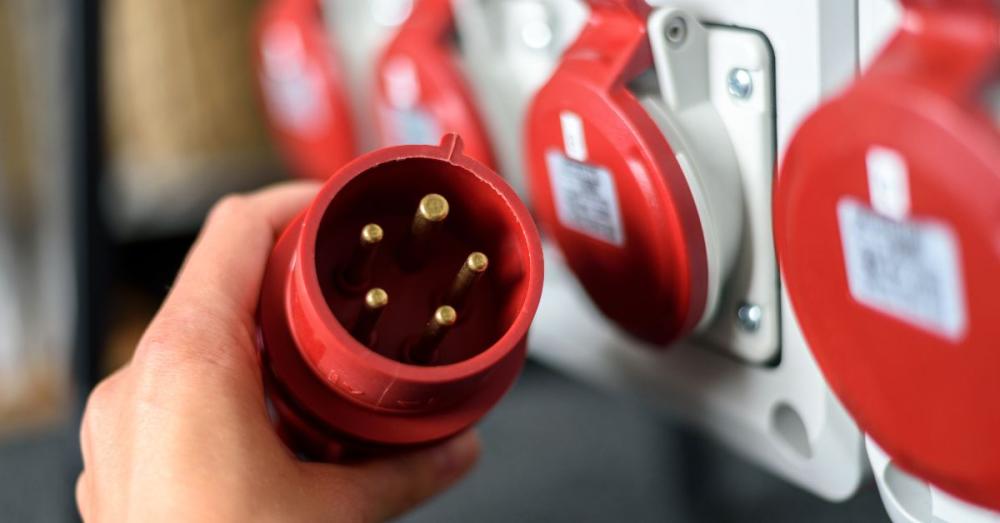
Standard plugs are built for kettles and lamps. Industrial ones are built for machinery that pulls serious current, day after day, often in rough conditions. That means tougher housings, secure locking systems, and proper protection against dust and water, none of which a household fitting was ever designed to handle.
Where Are Industrial Plugs and Sockets Commonly Used?
You'll find these connectors anywhere power needs to be reliable and the environment isn't exactly gentle. A few of the most common places include:
- Manufacturing plants, where equipment draws heavy current for hours without a break.
- Construction sites, where kit gets dragged around, dropped, and rained on regularly.
- Warehouses and distribution centres, running forklifts, conveyors and charging bays.
- Marine and outdoor installations, where anything less than watertight simply won't last.
- Commercial kitchens, where splashes and spills are part of daily life.
Common Industrial Plug and Socket Types and Their Applications
Not every plug does the same job. Voltage, current, and the conditions it needs to survive all change what's right for the task, so here's a closer look at some commonly used options and where each one tends to earn its keep.
1. Gewiss 16A Straight Plug, 2P+E, 230V, IP67, Blue:
Built for single-phase 230V circuits, this plug carries an IP67 rating, meaning it can cope with dust and even brief submersion in water without issue. That makes it a dependable choice for portable power tools, site equipment, or anything used outdoors where puddles and rain are simply part of the working day.
2. GARO 32A 5 Pin 400V Switched Interlocked Socket, IP44:
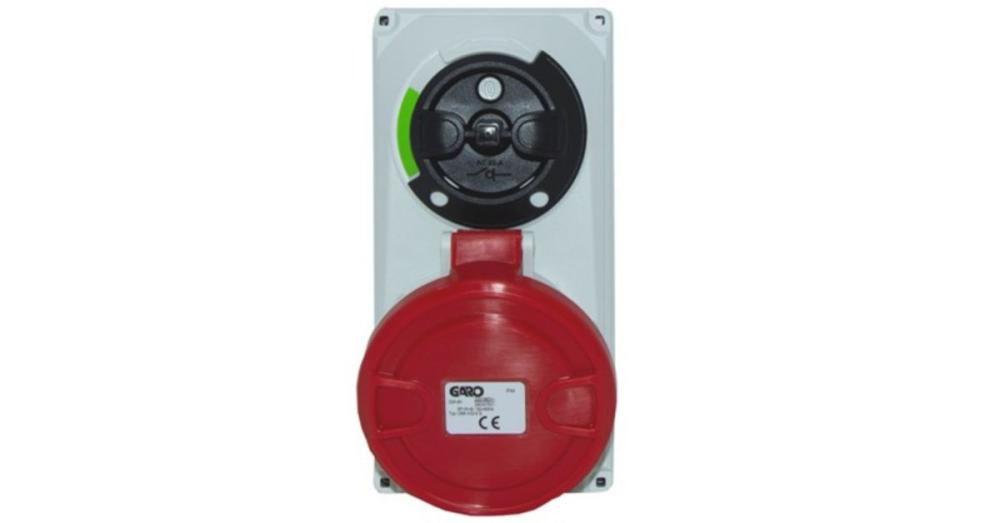
This socket pairs a built-in switch with an interlocking mechanism, so the plug physically cannot be withdrawn while current is still flowing. It's particularly well suited to three-phase machinery on factory floors, where someone accidentally disconnecting a live load could cause real damage or injury.
3. GARO 32A 5 Pin 230/400V Watertight Plug:
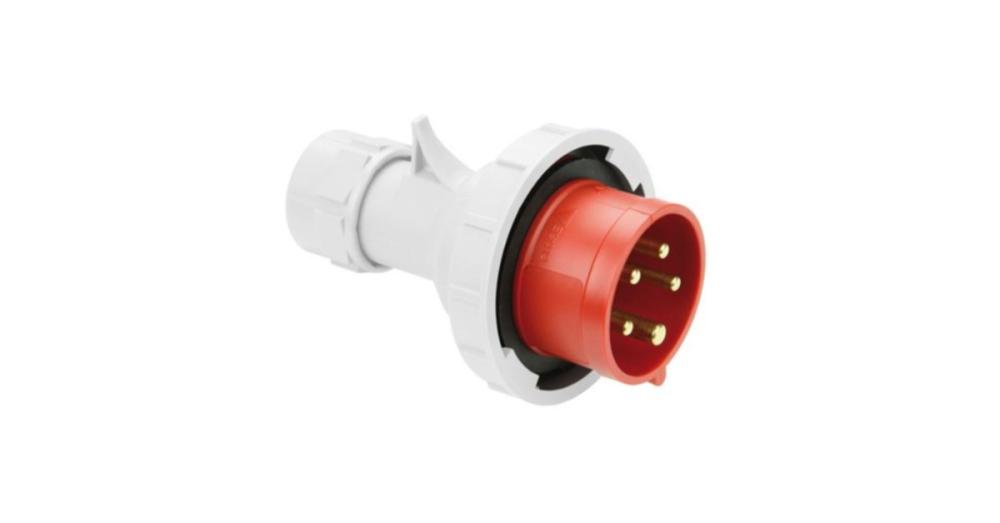
Rated for both 230V and 400V circuits, this plug is designed to take higher current loads while standing up to repeated connecting and disconnecting outdoors. Construction crews tend to rely on this type heavily, since it copes well with mud, moisture, and the general knocks of a busy site.
4. GARO 32A 4 Pole 230/400V Interlocked Socket:
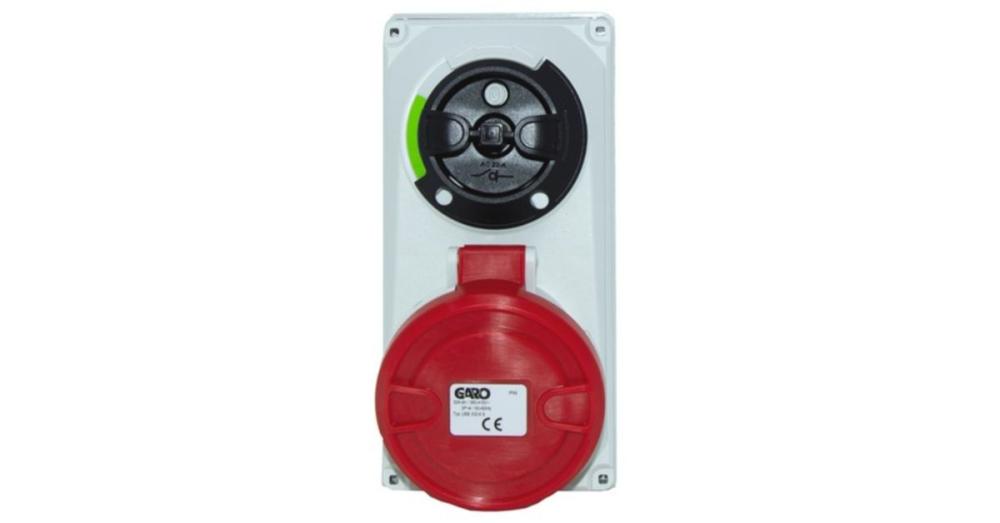
With four poles and a locking interlock, this socket is built for demanding three-phase installations. The circuit must be isolated before the plug can be removed, which significantly reduces the risk of arcing and keeps whoever's handling it well protected.
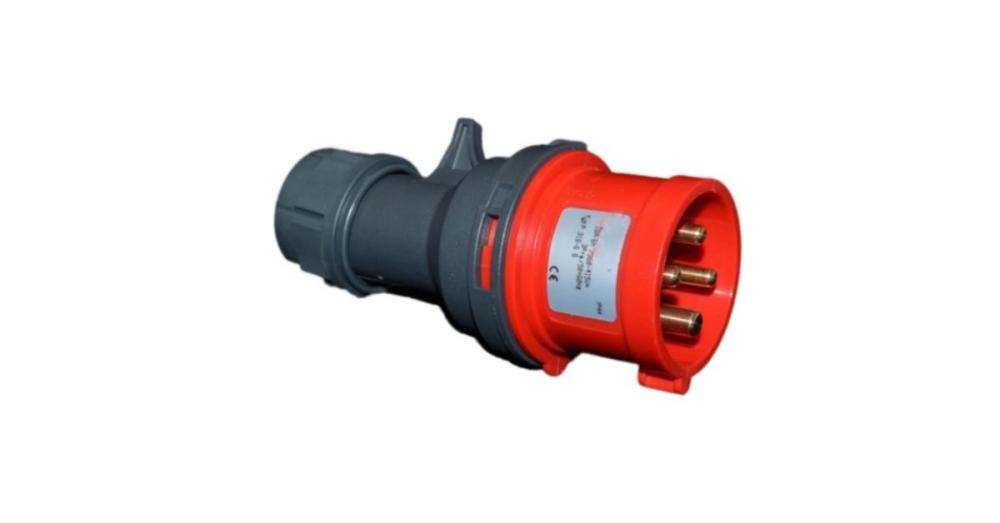
5. Gewiss 16A Straight Plug, 3P+E, 400V, IP67, Red:
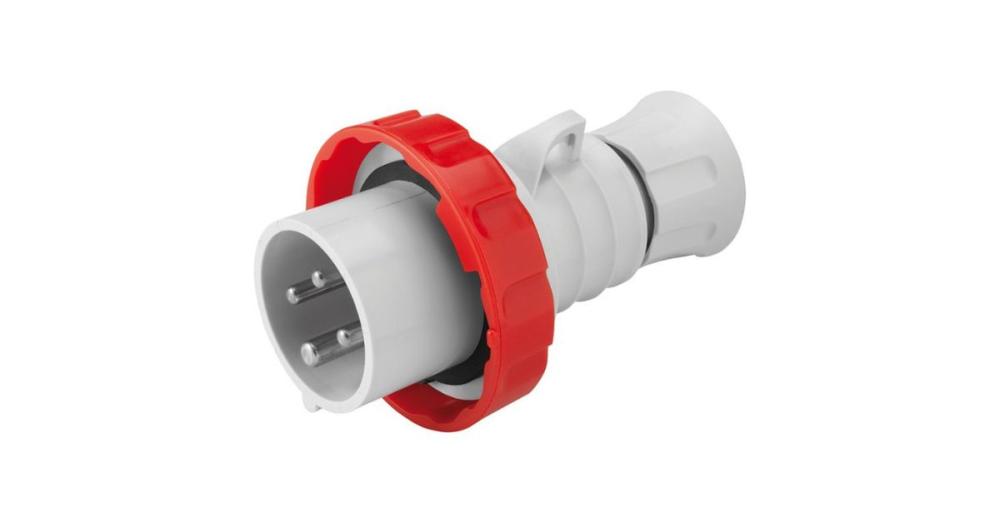
The red housing is a quick visual cue for a three-phase 400V rating, and the IP67 protection means it holds up well in workshops that run damp, dusty, or occasionally both at once, without the connection degrading over time.
6. Gewiss 32A Surface Socket, 3P+E, 400V, IP67, Red:
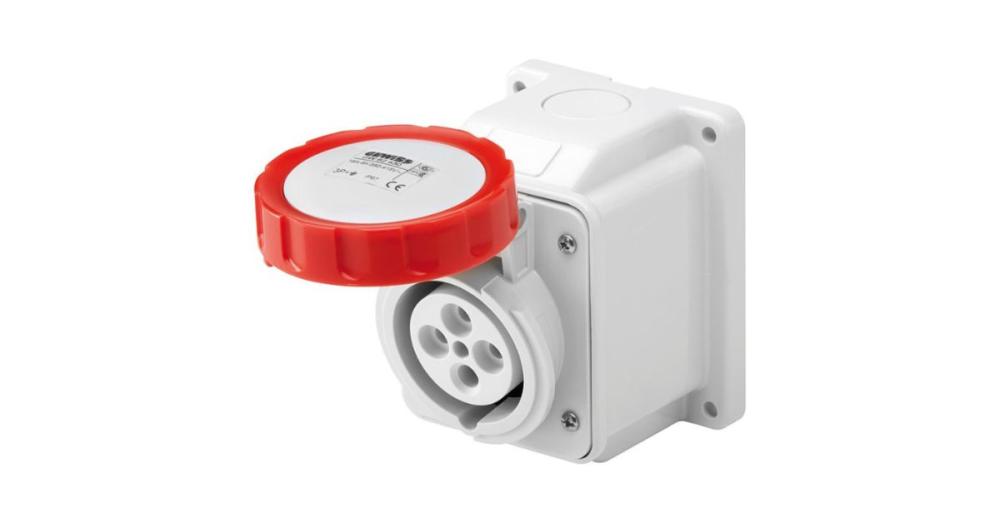
A wall-mounted socket rated for heavier three-phase loads, typically fitted where fixed industrial equipment draws its power directly from a distribution board. Its rugged construction makes it well suited to permanent installations in busy workshop environments.
7. Selectric 5 Amp 3 Round Pin Plug, White:
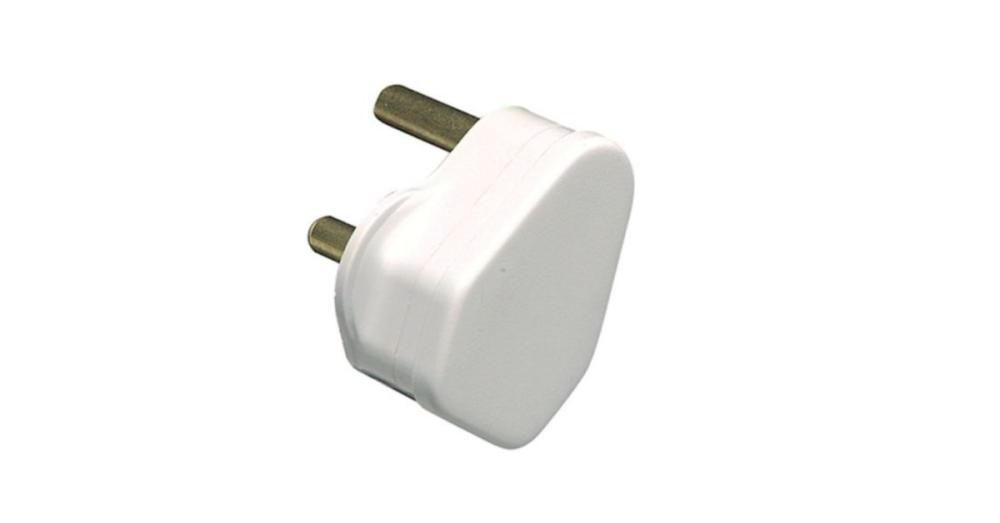
A noticeably lighter-duty option compared with the rest of this list. It suits smaller appliances or office-style equipment, giving you a reliable connection where full industrial specification simply isn't necessary for the load involved.
Key Features to Compare Before Selecting Industrial Plugs and Sockets
Before you order anything, run through these points against the job at hand.
- Voltage: single-phase 230V or three-phase 400V
- Current rating: 16A, 32A, 63A or higher for bigger loads
- IP rating: IP44 for general use, IP67 for wet or dusty sites
- Pin count: 3, 4 or 5 depending on phase and earthing needs
- Interlocking: stops the plug coming out while still live
- Build quality: impact-resistant housing that'll actually last
How the Right Industrial Plug and Socket Can Improve Workplace Safety
Get the specification right, and you cut down on overheating, arcing, and the kind of accidental disconnection that catches people off guard.
- Interlocked sockets keep the plug locked in while power's flowing
- Correct IP ratings keep moisture and dust out of the connection
- Colour coding makes voltage easy to spot at a glance
- Nickel-plated pins resist corrosion over time
- Sturdy housings shrug off the odd knock or drop
Source - eFIXX
Signs It May Be Time to Replace Existing Industrial Plugs and Sockets
Worn connectors don't always announce themselves loudly, so it's worth knowing what to watch for. Here are the signs:
- Cracked, discoloured or brittle casing around the pins or body
- Pins that feel loose or don't grip firmly when inserted
- Scorch marks, melting, or a burning smell near the connection point
- A socket that won't lock properly or an interlock that's stopped working
- Circuit protection tripping more often than it used to
- Rust or corrosion showing on pins, terminals, or the faceplate
Choosing Reliable Industrial Plugs and Sockets for Long-Term Performance
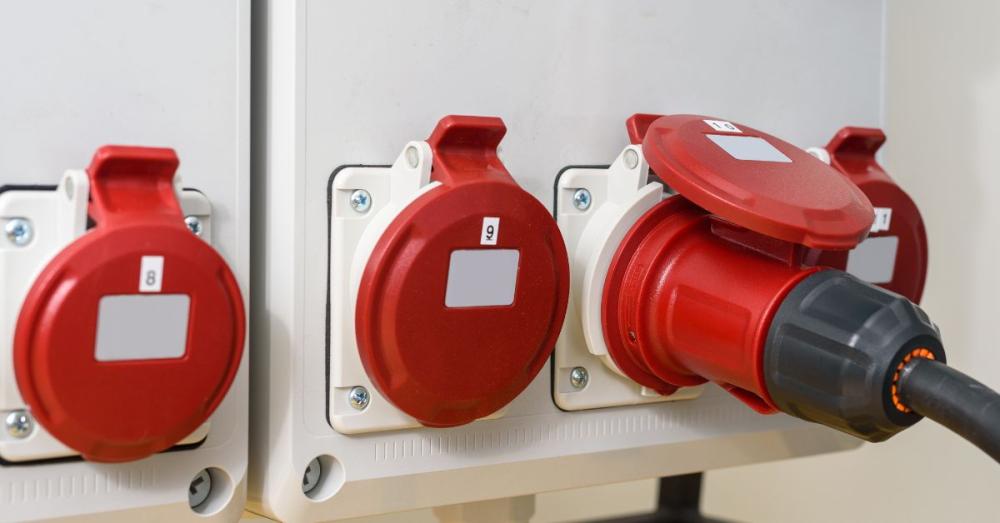
Getting the voltage, current, and IP rating right from the start is most of the battle. The rest comes down to buying from a supplier that actually stocks a tested, certified kit rather than whatever's cheapest. Meteor Electrical carries a broad range of industrial plugs, sockets, and accessories from established manufacturers, with next-day delivery that makes it easier to keep a site properly stocked without the wait.
Wrapping up
There's no real shortcut with industrial plugs and sockets. Get the voltage, current, IP rating and pin configuration right, and you protect both the equipment and the people using it every single day. Get any one of those wrong, and you're looking at nuisance tripping at best, or a genuine safety incident at worst. Once you know what to look for, though, choosing the right connector for a new installation or a straightforward replacement becomes a much quicker job, rather than something you're guessing at on the spot.
And when it's time to actually source the parts, having a supplier that stocks properly certified options from trusted manufacturers, like the range available through Meteor Electrical, makes the whole process considerably less stressful. Browse our website for more options and other electrical gear!
FAQ Section
Q1. What voltage do industrial sockets typically use?
Most industrial sockets run on a 230V single-phase supply or a 400V three-phase supply, depending on the equipment being powered.
Q2. What does IP67 mean on a plug?
IP67 means the plug is fully protected against dust ingress and can survive brief submersion in water without damage.
Q3. Why do industrial plugs have interlocked sockets?
An interlock physically prevents the plug from being pulled out while current is still flowing, reducing the risk of arcing.
Q4. How often should industrial plugs be inspected?
Inspect them regularly as part of routine maintenance, and immediately if you notice damage, heat, or unusual wear.
Q5. Can I use a 16A plug on a 32A circuit?
No, plug and socket ratings should always match the circuit to avoid overload and prevent potential equipment damage.