
How to Prevent Consumer Unit Fires: The Smart DIN-Rail Fire Suppression Solution Electricians Trust
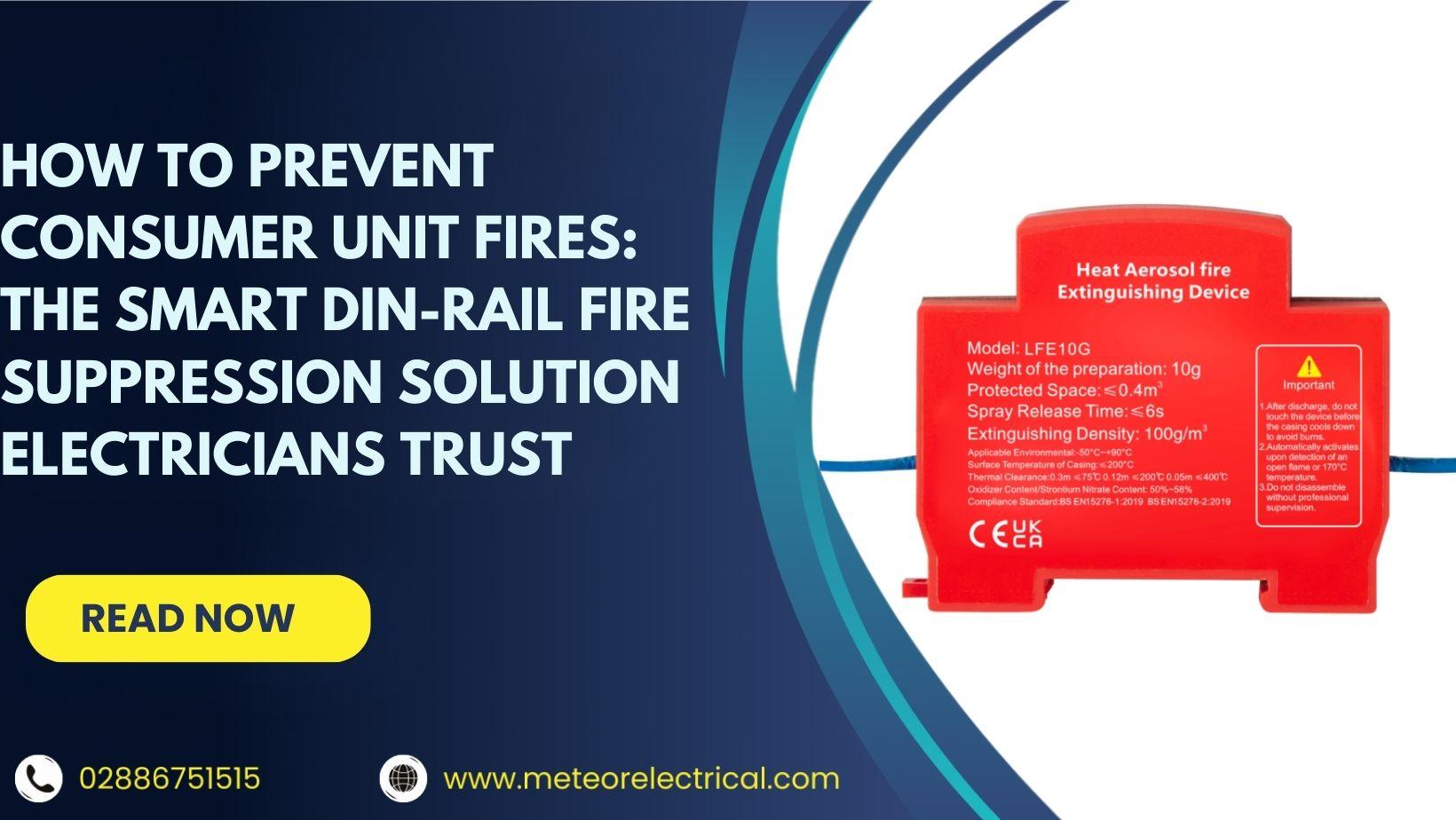
How to Prevent Consumer Unit Fires: The Smart DIN-Rail Fire Suppression Solution Electricians Trust
Electrical fires inside consumer units, switchboards, and enclosed panels are a growing concern across domestic, commercial, and industrial installations. Featured in Ireland's Electrical Magazine & Events, DIN-Rail Aerosol Fire Extinguishing Device gives electricians and facilities managers a practical way to add built-in fire protection where heat builds fastest and damage escalates quickly.
As boards become more compact and more heavily loaded, early-stage suppression is no longer a nice extra. It is fast becoming a smarter standard for modern electrical panel fire safety.
The Stark Reality of Consumer Board Electrical Fires in the UK
Before looking at the root cause, it helps to understand the scale of the issue. UK electrical fire data shows that electrical origin incidents make up a major share of home fires and Welsh government evidence specifically points to consumer units and fuse boxes as a recurring part of the wider electrical distribution fire risk.
- Around 19,300 accidental domestic fires of electrical origin occur across the UK.
- In England alone, there were 14,186 accidental electrical dwelling fires, accounting for 53.4% of all accidental dwelling fires.
- Electrical distribution fires were linked to 11 fatalities in the same England dataset.
- The same data recorded 321 injuries attributed to electrical distribution fires.
- In Wales, electrical distribution fires have shown a continued rise over 15 years and are now described by the Welsh Government as one of the commonest sources of accidental fires in the home.
- Welsh Government analysis found that around a third of electrical distribution fires in South Wales relate to fuse boxes and consumer units.
What Causes Electrical Fires Inside Consumer Units and Enclosures?
Common Causes of Consumer Unit Fires, From Loose Connections to Overheating
Most enclosure fires begin with a small fault that goes unnoticed until temperatures rise sharply. In a tightly packed board, even a minor issue can develop into a serious hazard.
- Loose terminations that create arcing and hot spots
- Overloaded circuits that raise internal temperatures
- Poor workmanship or ageing components
- Dust build-up and poor ventilation inside enclosures
- Faulty breakers, busbars, or connections under sustained load
Why Fires Spread Quickly in Enclosed Electrical Boards
Consumer units and switchboards often contain concentrated heat sources, live components, and limited airflow. Once ignition starts, flames and smoke can spread rapidly through the enclosure.
Did You Know: Many electrical enclosure fire suppression solutions are designed specifically because enclosed fires can intensify before anyone spots visible smoke?
The Safety, Compliance, and Downtime Risks of Delayed Fire Response
A delayed response can mean damaged equipment, costly downtime, failed inspections, and serious risk to people on site. For facilities teams, that could mean service disruption. For electricians, it can mean callbacks, reputational damage, and avoidable liability.
Source - Live Electrical Distribution UK Ltd
How Does a DIN-Rail Aerosol Fire Extinguishing Device Work?
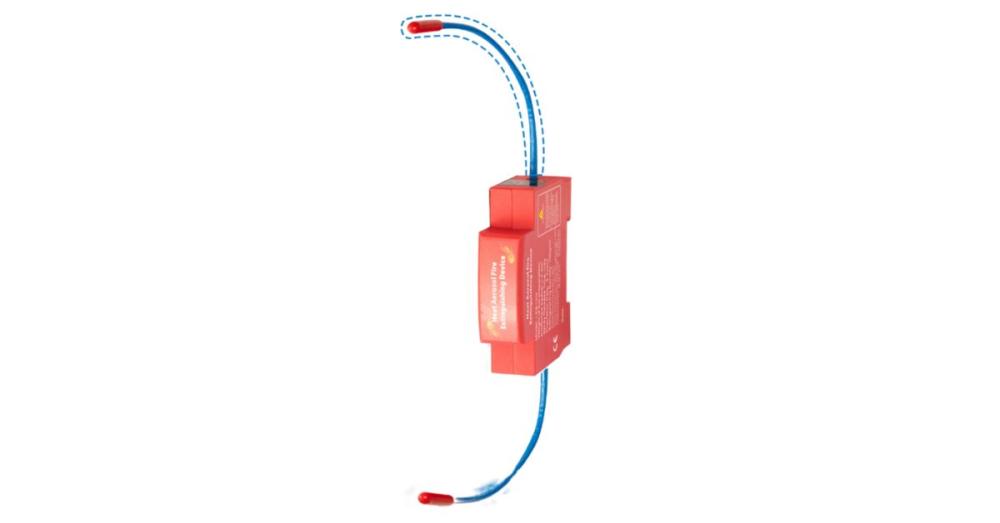
How Heat-Activated Aerosol Fire Suppression Protects Electrical Enclosures
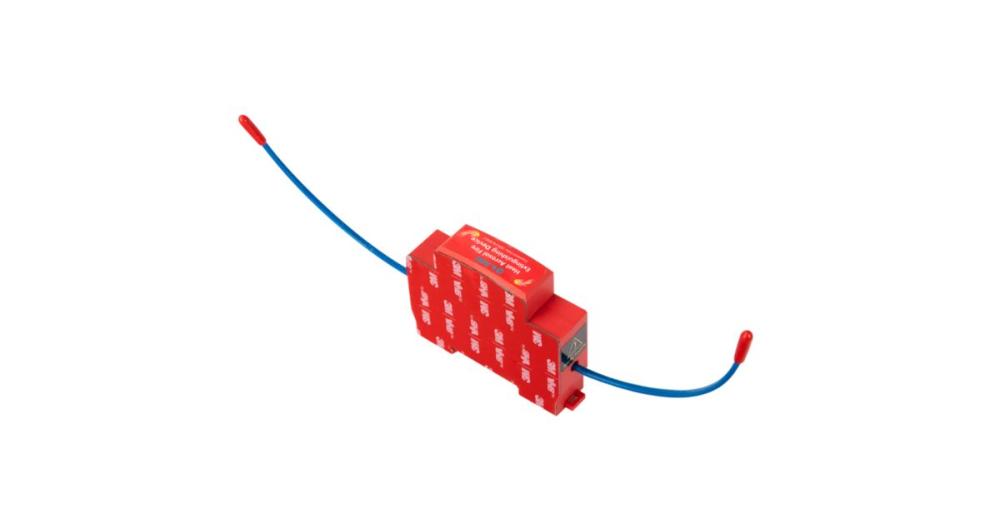
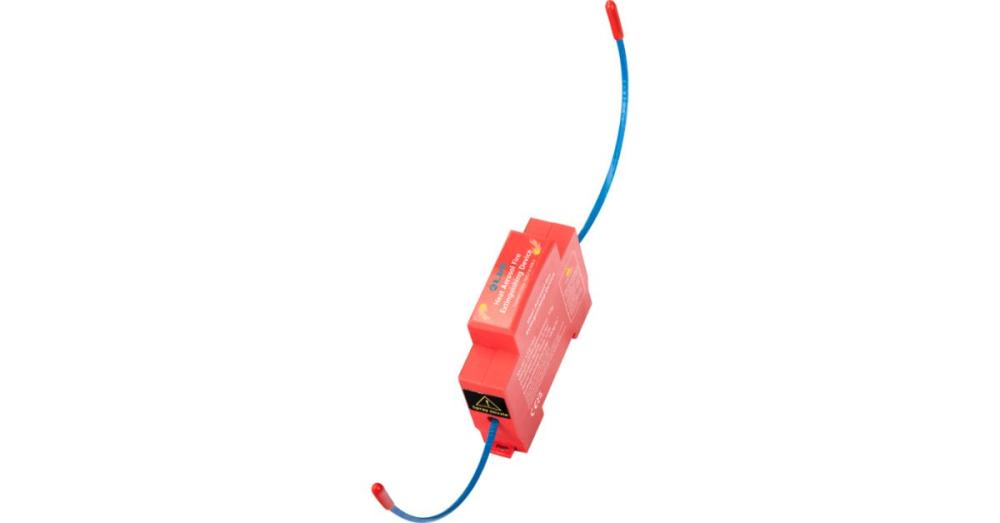
A DIN-Rail Aerosol Fire Extinguishing Device is installed directly inside the enclosure, usually on a standard 35 mm DIN rail. When temperatures reach its activation point, it releases a fire-suppressing aerosol that interrupts combustion at an early stage. This makes it an effective heat‑activated aerosol device for confined electrical spaces where fast action matters most.
Why Aerosol Fire Protection Is Better Suited to Electrical Boards Than Water or Foam
Water and foam can damage live equipment and create messy clean-up issues. By contrast, aerosol-based suppression is better suited to sensitive electrical installations because it targets the fire without flooding the enclosure. For consumer unit fire protection, that matters because the goal is to stop escalation while limiting damage to the board itself.
Key Benefits for Installers
For busy installers, the appeal is simple: fit it once, protect the board, and reduce future risk.
- Compact design suits crowded enclosures
- Rapid automatic activation at high temperature
- DIN rail fire extinguisher format allows straightforward installation
- No external pipework or pressurised cylinder required
- Low-maintenance design helps reduce servicing concerns
- Cleaner suppression method for sensitive electrical equipment
Best Fire Protection Device for Consumer Units: LFE10G Heat Aerosol Fire Extinguishing Device
The LFE10G is designed for small enclosed spaces where early intervention can stop a minor fault from becoming a major fire. Also known as the Live Hot Aerosol Fire Extinguishing Device, it offers automatic suppression inside boards, cabinets, and control enclosures without taking up much room.
For installers who want a practical, modern layer of switchboard fire protection, it balances compact design with fast response. It is especially useful where access may be limited or where manual firefighting would come too late. It is well suited to distribution boards, control panels, switchboards, telecom cabinets, battery enclosures, and other compact electrical installations.
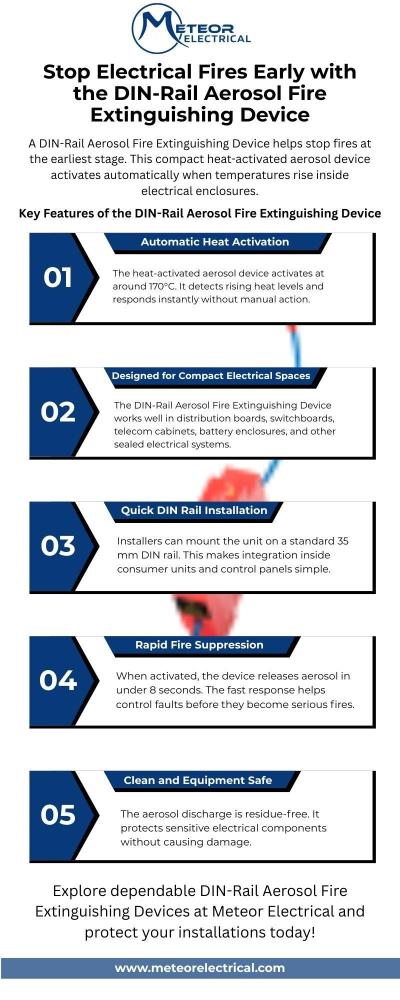
Key Features:
- Activates automatically at 170∘C
- Suitable for enclosed spaces up to 5.0 m3
- Installs on a standard 35 mm DIN rail
- Fast aerosol discharge in ≤8 seconds
- Residue-free and equipment-friendly performance
- Works well in distribution boards, cabinets, and control panels
Ready to strengthen electrical board protection? Shop the LFE10G now.
Buyer’s Checklist: Key Specifications Buyers Should Compare Before Purchasing
Before buying, focus on the specifications that affect real-world performance and fit.
- Activation temperature and sensitivity
- Protected enclosure volume
- Mounting compatibility with DIN rail systems
- Discharge speed and suppression method
- Maintenance requirements and equipment safety
Key Takeaways
- Electrical fires often start from heat, loose connections, or overloads.
- Enclosed boards allow fire to spread faster than many people expect.
- A DIN-Rail Aerosol Fire Extinguishing Device helps suppress fires at an early stage.
- Aerosol suppression is better suited to electrical enclosures than water or foam.
- Choosing the right device means checking activation, fit, coverage, and speed.
Conclusion - Put Electrical Fires Out for Good with a Reliable Heat‑Activated Aerosol Device
Early-stage suppression is becoming a smart standard in modern electrical installations because it protects equipment, reduces downtime, and adds peace of mind. If you are sourcing a DIN-Rail Aerosol Fire Extinguishing Device for projects in Ireland or the UK, Meteor Electrical is a strong place to start for reliable enclosure fire protection solutions.
Protect your next installation with confidence and explore the range at Meteor Electrical today.
FAQs
1. What is the best fire suppression device for a consumer unit?
A compact automatic aerosol unit is often the best choice because it reacts to heat quickly and suits enclosed electrical environments without using water or foam.
2. How does a DIN-rail fire extinguisher work inside an electrical board?
It mounts inside the board and activates when internal heat reaches a set temperature, releasing aerosol to suppress combustion before the fire spreads.
3. Is aerosol fire suppression safe for electrical panels and sensitive equipment?
Yes. It is generally better suited to electrical panels than traditional water or foam systems as it is cleaner and more equipment friendly.
4. Where should a fire extinguishing device be installed in a distribution board or enclosure?
It should be fitted securely inside the enclosure on a compatible DIN rail position with placement that allows effective coverage of the protected space.
5. What should electricians and facilities managers check before buying an electrical enclosure fire protection device?
Check activation temperature, enclosure coverage, mounting format, discharge speed, maintenance needs and whether it is designed specifically for electrical enclosure fire suppression.