
Information
How to Choose the Right Wired Doorbell: A Buyer's Guide to Features and Compatibility
How to Choose the Right Wired Doorbell: A Buyer's Guide to Features and Compatibility
Choose a wired doorbell where the chime, bell push and transformer all match on voltage, and you're sorted. Start by deciding if you want a chime with its own transformer built in, or a separate one. Then make sure any lit-up bell push suits the chime you've chosen. At Meteor Electrical, we stock a small range of wired doorbell parts that fit together nicely, so you're not left guessing. In this guide, we'll go through the parts of a system, how to match them, four products worth a look, and how to fit it all safely.
Why Bother With a Wired Doorbell?
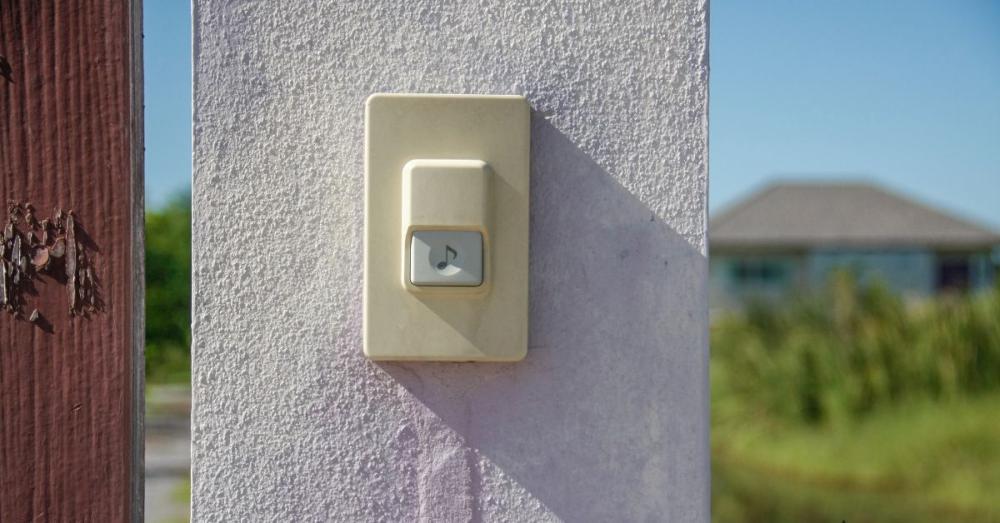
Wireless gadgets grab all the headlines, but plenty of people still prefer a good old wired doorbell. Here's why it keeps winning:
- No batteries: The power comes from a low-voltage supply, so you'll never press the button on parcel day and get silence from a flat battery.
- No Wi-Fi needed: It runs on cable, not a signal, so a dodgy router or a thick stone wall won't stop the chime from ringing.
- Fewer things to go wrong: A push, a chime and a transformer is a pretty basic circuit, so once it's wired up properly there's not much that can fail.
- Fits most buildings: Houses, flats, offices and small commercial premises all use more or less the same set-up, so the advice here covers nearly any front door.
- Simple to swap parts: Every part is separate, so if the chime gets tired or the push gets scratched, you change that one bit and leave the rest alone.
What's in a Wired Doorbell System?
Every wired doorbell is made of the same four bits. Here's what each one does:
- Bell push: the button outside; a lit one is easier to spot at night.
- Chime: the sounder indoors. Put it somewhere the whole place can hear it.
- Transformer: drops mains voltage to a safe low level for the push and chime.
- Bell cable: carries that low voltage between the other three.
They need to work as a team. If one part is the wrong size for the others, nothing else can make up for it. That's why compatibility matters more than anything else when you're buying.
Source - Ring
Built-In or Separate Transformer? Getting the Match Right
Now for the bit that trips people up: where does the power come from? Run through these five checks, and you'll avoid most problems.
- Choose your supply type first: Some chimes, like the Eterna one, have a transformer built in, so the chime connects to the mains and only the push is wired at low voltage.
- Or go for a separate unit: Other chimes need their own bell transformer, like the Red Arrow 8VA, and that needs to be installed in a suitable enclosure.
- Match voltage and VA: Most wired doorbells usually run on around 8V to 12V AC, so check the transformer's output and VA rating suit your chime's rated voltage.
- Watch out with lit-up pushes: The little lamp in an illuminated push draws a small current all the time, so check your chime and transformer are compatible, or some chimes may hum.
- Sketch the cable route: Use bell cable between the push, chime and transformer, and keep it away from mains cables where required. Draw the route before you drill anything.
Four Wired Doorbell Products Worth a Look at Meteor Electrical
These four come from our doorbells range and cover the whole job, from the button on the wall to the power behind it. They were all showing as in stock when we checked, and prices include VAT.
Byron Wired-Door Chime
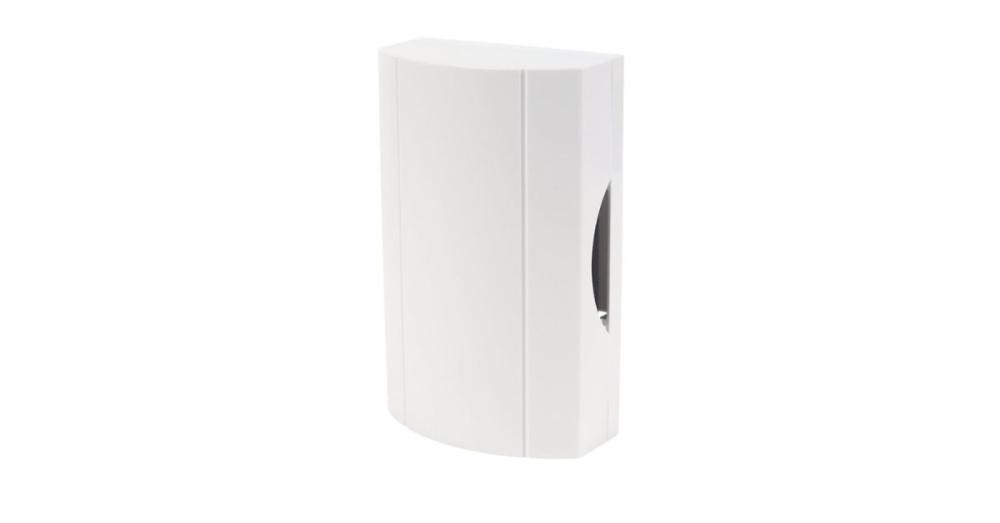
The Byron Wired Door Chime is white, wall-mounted and gives you that classic electro-mechanical ding-dong. It's transformer-operated, so you'll need a suitable supply to go with it. At £9.76 inc. VAT, it's a simple, budget-friendly choice for houses, flats and small offices.
Eterna Push - Interchangeable Illuminated Wired Bell Push
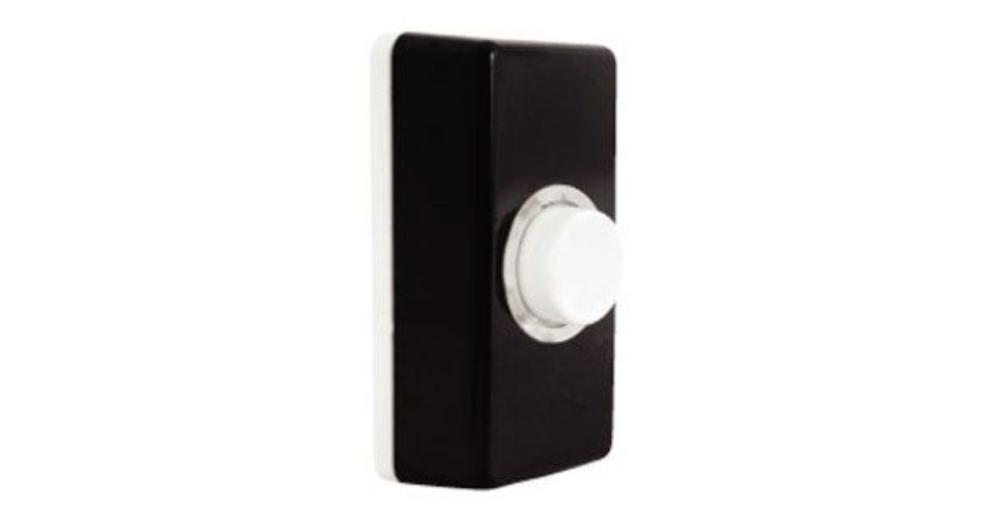
This illuminated push has a polycarbonate body, concealed fixing holes and interchangeable covers in black or white. The lamp helps visitors find the button after dark, but check the chime copes with it. It's £3.60 inc. VAT, and IP20 means sheltered spots only.
Eterna Chime with Built-in Transformer
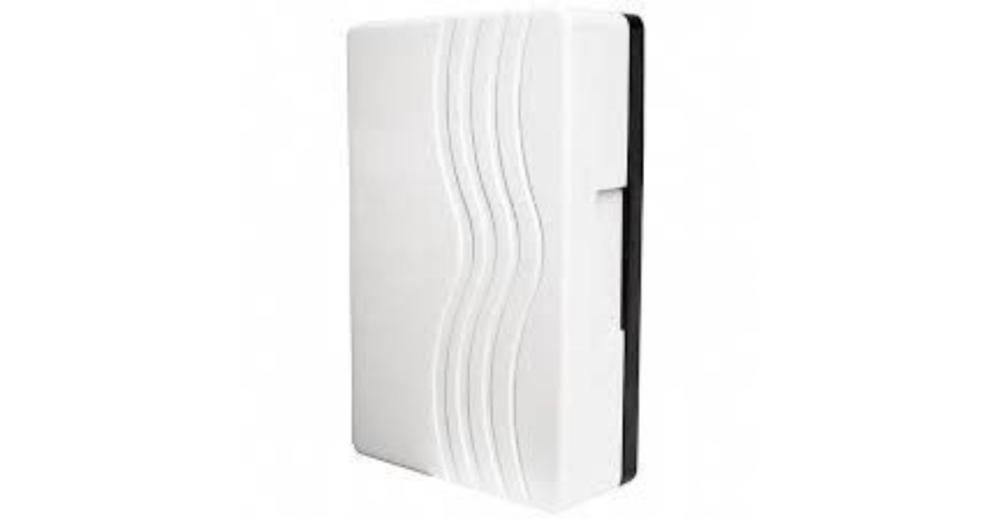
This white ABS chime replaces an old one on a wired system, and the built-in transformer makes fitting neater and quicker. It's IP20, so keep it indoors. At £18.44 inc. VAT, it has a downloadable datasheet if you want the full details.
Red Arrow Bell Transformer
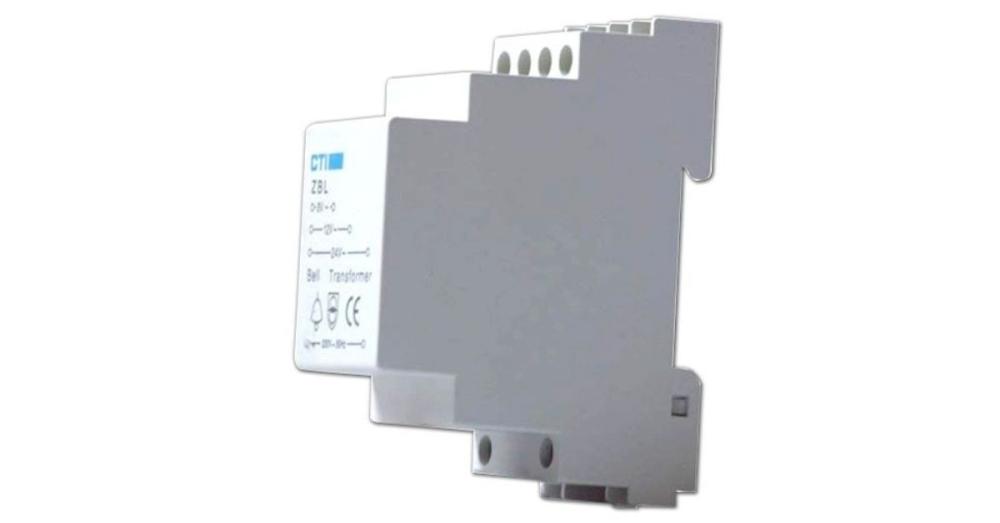
The Red Arrow Bell Transformer 4P 8VA takes 240V 50Hz and gives out 12V and 24V at 8VA. It has 6mm² terminal capacity, a 6-year life expectancy, a 1-year guarantee, and meets IEC and EN 61558. You'll pay £12.80 inc. VAT.
Fitting It: A Few Tips to Get It Right
A good product still needs a good install. Keep these five things in mind:
- Use the right cable: Run bell cable for every low-voltage link and fix it neatly with cable clips.
- Put things where they make sense: Fit the push at a comfortable height beside the door, and mount the chime centrally so you can hear it all over.
- Box in a separate transformer: Put it in a suitable enclosure rather than leaving connections exposed.
- Leave the mains side to a pro: Mains connections to the transformer or chime must follow current wiring regulations (BS 7671) and be done by a competent person, usually from a fused spur or a dedicated circuit.
- Grab the extras: Back boxes and similar bits are in our wiring accessories range.
Final Thoughts
So, choosing a wired doorbell really comes down to three checks. Pick your chime, work out whether the transformer is built in or separate, and make sure any illuminated push suits it. Add tidy bell cable and a mains connection done by a competent person, and it'll ring reliably.
Not sure what to pick? The counter team at Meteor Electrical can help you match the right wired doorbell parts, with trade account pricing and next working day delivery on in-stock items across Northern Ireland and the Republic of Ireland.
FAQs
Q1. What voltage does a wired doorbell typically need to run on?
Usually a low voltage, around 8V to 12V AC, from a bell transformer or a chime with one built in. Just make sure the chime's rated voltage matches the transformer's output.
Q2. Does each wired door chime need a separate bell transformer?
Not always. Some chimes have a transformer built in and connect straight to the mains. Others need a separate one, like an 8VA bell transformer, so check the instructions.
Q3. Will an illuminated bell push work with any wired doorbell?
Not always. The lamp passes a tiny current through the chime, and some chimes hum or ring faintly because of it. Check compatibility first, or go for a plain push.
Q4. Where is the best place to fit the bell push and the chime?
Put the push at a comfortable height beside the door, and the chime somewhere central so you'll hear it anywhere in the house. Clip the bell cable neatly out of the way.
Q5. Who should connect the mains side of a wired doorbell setup?
A competent person. The mains connection has to meet BS 7671 and usually comes from a fused spur or a dedicated circuit, so it's one for a qualified electrician.