
How Do You Choose the Right MID Approved Sub Meter for UK Properties?
How Do You Choose the Right MID Approved Sub Meter for UK Properties?
As the saying goes, "what gets measured gets managed." Nowhere is this truer than in the world of electricity, where an unmeasured supply quickly becomes an unmanaged cost. For landlords, property managers, and commercial building owners across the United Kingdom, accurate sub metering has moved from a nice-to-have to a genuine necessity. With energy prices remaining a persistent concern for tenants and businesses alike, the question is no longer whether to install a sub meter, but which one to choose, and why it needs to be legally compliant.
This guide walks through everything a property owner needs to know before purchasing a MID Approved Sub Meter, explaining the standards involved, the situations where sub-metering makes sense, and the practical steps to selecting a unit that will serve a property reliably for years.
What Does MID Approval Actually Mean?
MID (Measuring Instruments Directive) approval is a European standard proving an electricity meter is certified for accuracy by independent tests. If you plan to charge tenants, sub-tenants, or businesses for their power, using a MID-approved energy meter isn't optional—it's a legal requirement. Non-certified meter readings won't hold up for billing, whereas MID certification guarantees trustworthy numbers that prevent costly disputes.
Why UK Properties Increasingly Rely on Sub Metering
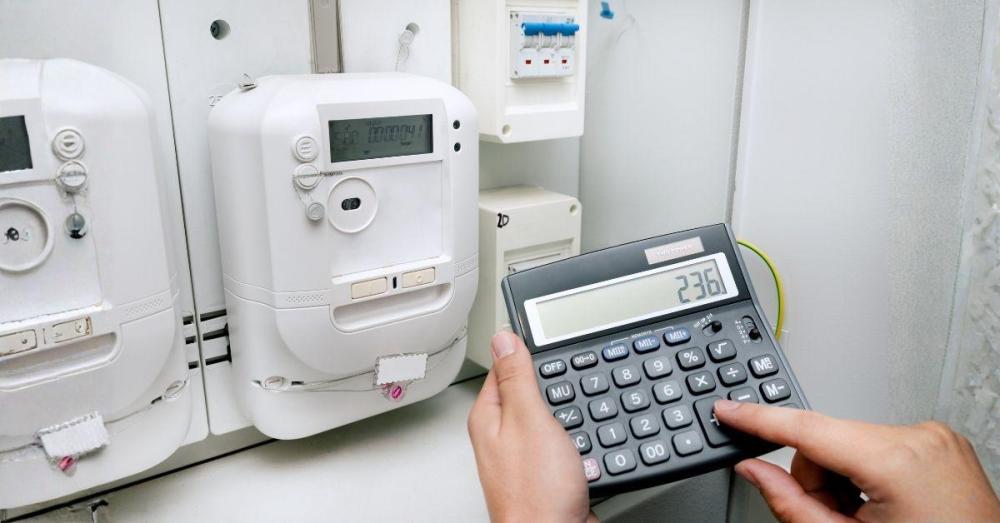
Electricity sub metering has quietly become the norm in shared buildings across the country, whether that's an old house split into flats or a large mixed-use development with shops downstairs and offices above. Instead of one big meter trying to cover an entire building, sub-meters let you measure exactly what each flat, unit, or office is actually using.
A few reasons this has caught on so widely:
- It's simply fairer - Tenants pay for what they use, not a rough guess based on floor space or headcount.
- Fewer arguments - When the numbers are clear and itemised, there's not much left to disagree about.
- You can actually see what's happening - Owners get a proper picture of which units are drawing the most power, which helps when planning maintenance or spotting waste.
- It works well with solar and storage - Buildings with panels or batteries need separate tracking for what's generated versus what's used.
When you install an electrical sub meter UK wide, you're basically turning one shared connection into several individually accountable ones. That alone makes billing far less of a headache.
Key Factors When Choosing a Sub Meter
There's no single spec that tells you "buy this one." It really comes down to a handful of practical questions worth working through before you spend any money.
Current rating and load capacity.
Most homes and small commercial units are fine with a meter rated at either 45A or 100A, depending on what's actually being used. Go too low, and you risk inaccurate readings or a meter that wears out faster than it should. Go too high, and you're just paying for capacity you'll never touch.
Single-phase or three-phase supply.
Homes and smaller units usually run single-phase. Bigger commercial premises with heavy machinery or a lot of lighting circuits might need three-phase instead.
How you'll actually read it.
Some meters just show a number on an LCD screen that you check manually. Others let you read remotely or online, which is far handier if you're managing several properties and can't be popping round every month.
How payment works.
If the setup calls for prepayment, say a holiday let or a short-term tenancy, a coin or token meter does the job neatly. For a standard tenancy, a kWh sub meter that you read manually or remotely tends to make more sense.
Where it's going to sit.
Some meters are surface-mounted and fit neatly into a utility cupboard. Others are built to slot into a distribution board alongside your protective devices.
Source - Setra Systems Inc.
Sub Metering for Landlords and Commercial Properties
An energy meter for landlords does one job really well: it turns a shared supply into something you can bill for, fairly and legally. If you're letting out an HMO, converted flats, or serviced accommodation, you need documented, MID-compliant readings before you can justify passing on any electricity cost to tenants. Guessing, or relying on some informal split, tends to end badly. It can also fall foul of consumer protection rules if a tenant decides to push back.
The same logic scales up. A commercial electricity sub meter lets office blocks, retail units, and industrial premises split costs between tenants or departments without anyone having to take it on trust. Facilities managers get cleaner cost tracking, and tenants get a bill that actually reflects what they used rather than a percentage worked out from floor space.
Wherever an electricity meter for tenant billing comes into play, the meter has to carry MID approval. That's the one detail that decides whether your billing process is watertight or open to challenge.
Recommended MID Approved and Sub Metering Solutions
It's a lot easier to choose once you can actually see what's out there. Meteor Electrical carries a solid range of electricity meters covering different property types and billing setups, from reconditioned single-phase units through to coin-operated prepayment meters.
1. 100A Single Phase Mains Electric & Solar kWh Meter (Landis+Gyr)
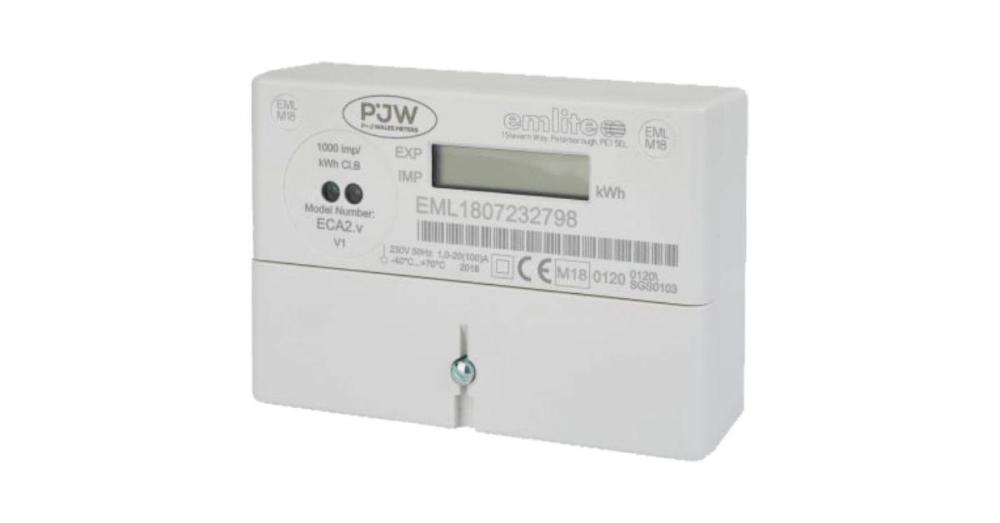
This one's a reconditioned single-phase meter rated at 100A, and it copes well whether you're monitoring standard mains electricity or solar generation. It's a solid, budget-friendly choice if you want accurate figures without paying brand-new prices.
2. Euro 1 & 2 100A Electronic Coin Prepayment Meter (PJW)
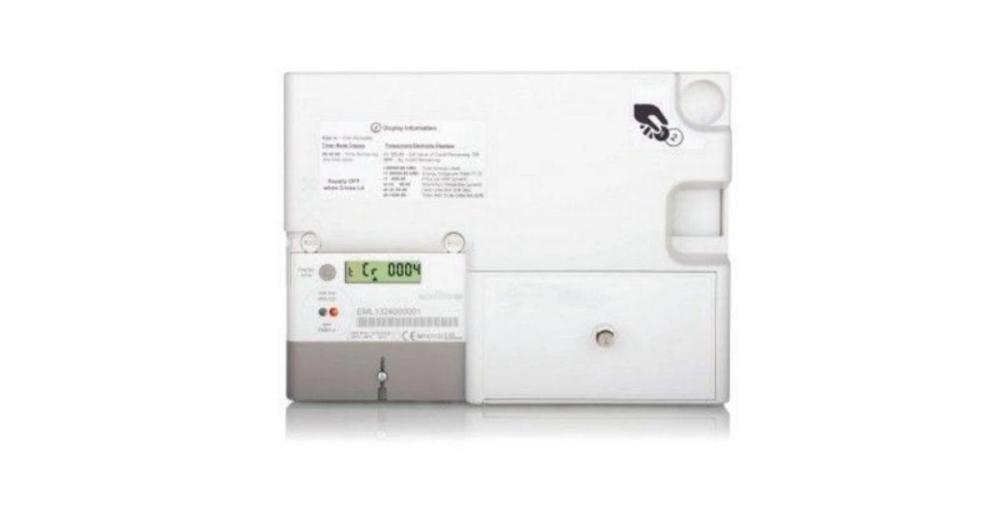
A MID-approved coin meter that runs on Euro coins and handles up to 100A. It suits holiday accommodation or short lets nicely, since prepayment keeps things simple for both the owner and whoever's staying there.
3. TAINIHAN 100A Single Phase Surface kWh Meter (CESCO)
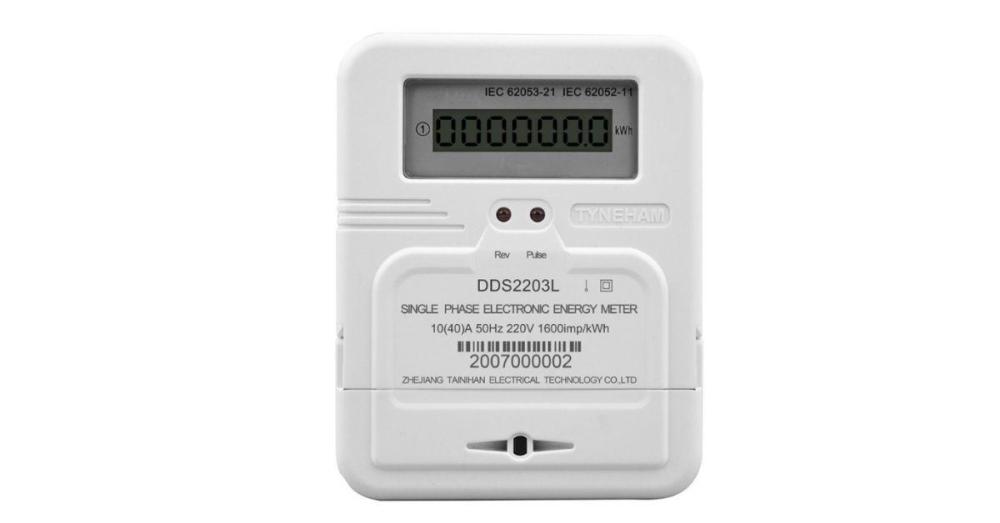
Surface-mounted and easy to fit into a utility cupboard, this single-phase meter is rated at 100A, which covers most domestic and small commercial loads. Straightforward to read, no fuss.
4. GARO Solar Distribution Board with Meter
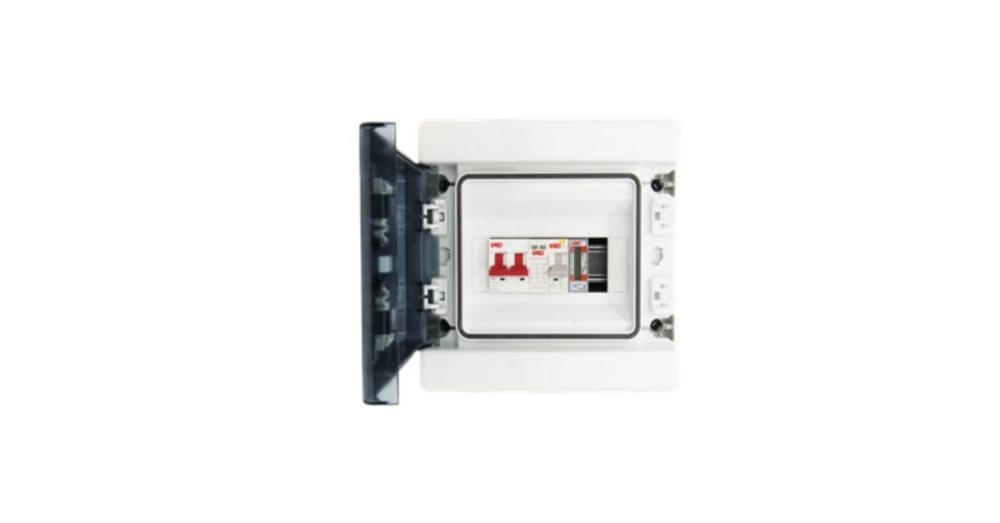
Built for properties running solar, this combines a distribution board and meter in one unit, so you can track what's being generated and what's being used from a single, tidy enclosure.
5. Emlite 100A £1 & £2 Coin Meter
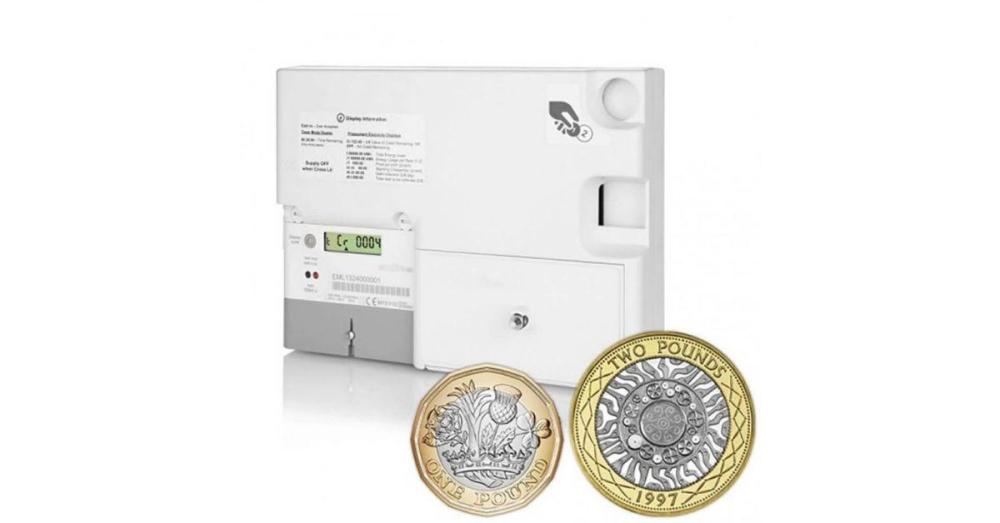
A coin-operated meter that takes UK £1 and £2 coins, useful for bedsits, shared houses, or holiday lets where tenants would rather pay for power as they go rather than get a bill later.
6. GARO Single Phase Meter 45A
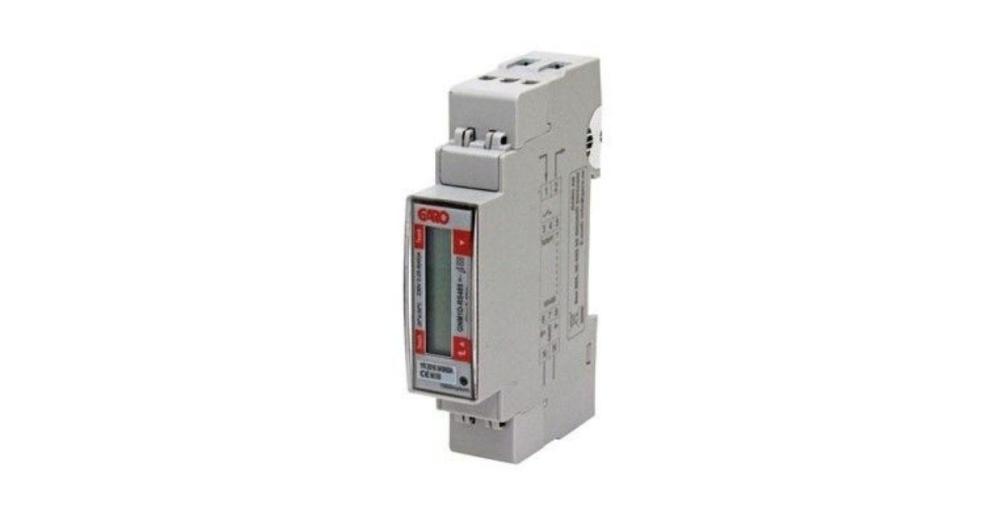
A smaller single-phase meter rated at 45A. Good fit for lighter domestic loads or secondary rooms where you don't need the higher rating but still want accurate billing.
Installation and Compliance Considerations
Technically, a suitably qualified person can install their own electricity meter. But if you're not that person, don't attempt it. It's genuinely risky work, and it's the sort of job best left to a qualified electrician. There's also an accuracy angle here that people overlook: how a meter is positioned, wired, and housed affects how reliably it performs for years afterwards, not just on day one.
Worth keeping in mind too, most meters last somewhere between ten and twenty years, depending on whether they're the older electromechanical type or a newer electronic one. Getting them checked now and then isn't just good practice; it matters just as much to a landlord billing tenants as it does to a household simply keeping tabs on their own usage.
Closing out:
At the end of the day, picking the right sub meter is about matching current rating, supply type, and payment method to how the property is actually used, and making sure whatever you install carries proper MID certification so the billing holds up. Get that right, and you save everyone- landlords, tenants, businesses- a fair amount of hassle down the line.
Meteor Electrical stocks a trusted range of MID-approved sub-meters backed by real trade experience, so if you're ready to sort your property's metering properly, it's a good place to start. Check out our website for more information
Frequently Asked Questions
Q1. What is a MID-approved sub-meter?
It's an electricity meter tested and certified under the Measuring Instruments Directive, meaning its readings are accurate enough to use for billing.
Q2. Do landlords legally need MID-approved meters?
Yes. If you're charging tenants for electricity, a MID-approved meter gives you the accuracy needed to justify the figures.
Q3. Can I install a sub meter myself?
Only if you're properly qualified. Doing it without the right training is risky and can affect both safety and accuracy.
Q4. How long does a sub meter typically last?
Most last between ten and twenty years, though it's worth having accuracy checked periodically throughout that time.
Q5. What size sub meter do I need?
Most homes and small commercial units are well served by a 45A or 100A single-phase meter, depending on the load involved.