
How Do You Choose the Right Ladder or Work Platform for Your Project?
How Do You Choose the Right Ladder or Work Platform for Your Project?
Picking the right ladder or work platform really comes down to three questions: how high do you need to reach, what are you standing on, and how long will you actually be up there? Answer those honestly, and everything else falls into place. Meteor Electrical carries a solid range of ladders and platforms for trade and home use, so once you know what you need, finding it isn't hard.
In this guide, we'll go through the different types of projects, how ladders stack up against platforms, the factors worth weighing before you buy, mistakes people make far too often, and a short safety checklist you can run through before every job. Let’s get started!
Start by Understanding the Type of Project

Before you even open a catalogue, it helps to be honest about what the job actually involves. The height, how long you'll be working, and where you're working all shape which piece of kit makes sense. Most projects fall into one of three buckets.
- Indoor Maintenance Jobs: Changing lights, painting, electrical work and ceiling repairs usually call for something light you can move around easily.
- Outdoor Construction and Landscaping: Roofing, gutter cleaning, exterior painting and tree trimming need a sturdier kit that can cope with uneven ground and weather.
- Commercial and Industrial Work: Warehouses, manufacturing, facility maintenance and construction sites tend to need higher duty ratings and gear built for daily wear.
Ladder vs. Work Platform: Which One Is Better?
Neither one beats the other outright. It really depends on how long the task takes, how high you need to go, and how much room you need to move around while you work.
| Factor | Ladder | Work Platform |
|---|---|---|
| Best applications | Quick, short-duration tasks | Longer jobs where you need both hands free |
| Stability | Fine on firm, level ground | Usually steadier thanks to a wider base |
| Working comfort | Standing room is limited | More space to move and work comfortably |
| Mobility | Light and quick to reposition | A bit heavier, but still easy to carry |
| Weight capacity | Depends on the duty rating | Often built for higher sustained loads |
| Setup time | Ready almost straight away | Takes a little longer with guardrails to assemble |
| Safety | Needs three points of contact | Guardrails and a wider base add extra security |
| Typical users | Tradespeople, decorators, electricians | Maintenance teams, facilities staff, contractors |
Typical users Tradespeople, decorators, electricians Maintenance teams, facilities staff, contractors
Quick takeaway: If the job is quick and you just need to nip up and down, grab a ladder. If you'll be up there a while and need both hands free, a work platform is the smarter buy.
7 Key Factors to Consider Before Choosing Access Equipment
It's tempting to just buy the tallest one on the shelf, but that's not really how this works. Here's what actually matters.
1. Working Height Requirements:
Measure your real reach, arms included, before you pick anything.
2. Weight Capacity (Duty Rating):
Make sure the rating covers you, your tools, and your materials together.
3. Frequency of Use:
An occasional DIY job doesn't need the same kit as daily trade work.
4. Surface Conditions:
Concrete, gravel, uneven ground and indoor flooring all need a different base setup.
5. Type of Work Being Performed:
Painting, electrical installation, decorating, maintenance and heavy-duty construction each favour different equipment.
6. Portability and Storage:
Think about how often it needs to travel and where you'll actually keep it.
7. Safety Features:
Anti-slip feet, guardrails, locking mechanisms, stabilisers and wide steps all make a real difference.
Source - WorkSafeBC
Different Types of Ladders and When to Use Them
Not every ladder is right for every job, and the material matters just as much as the height. Fibreglass tends to be the safer pick around electrical work since it doesn't conduct electricity, while aluminium is usually lighter if you're moving it around a lot. Here are a few worth knowing about.
Jefferson Tools 600mm Wide 2 Tread Aluminium Work Platform:
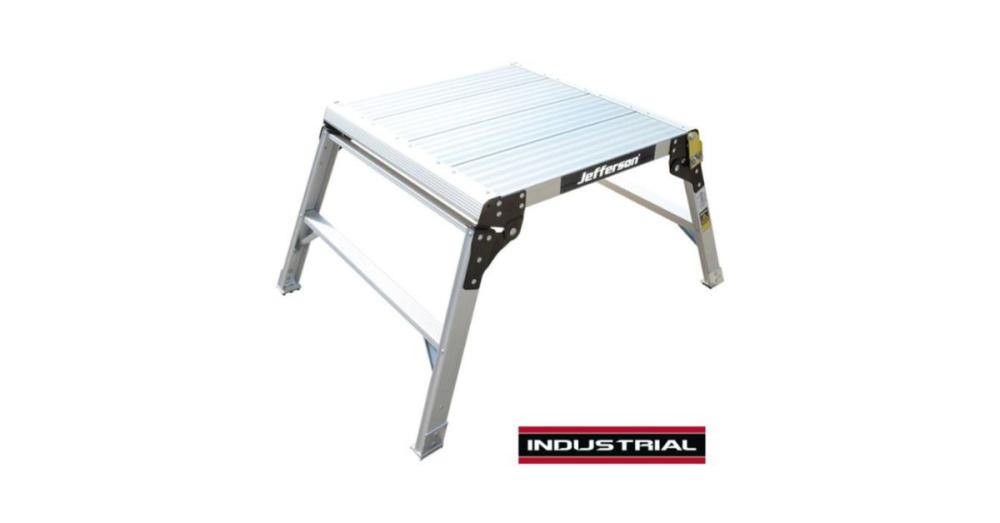
A wide, steady aluminium platform that works well for indoor maintenance where you need a roomy, firm spot to stand for a short task.
300mm Wide Fibreglass Work Platform:
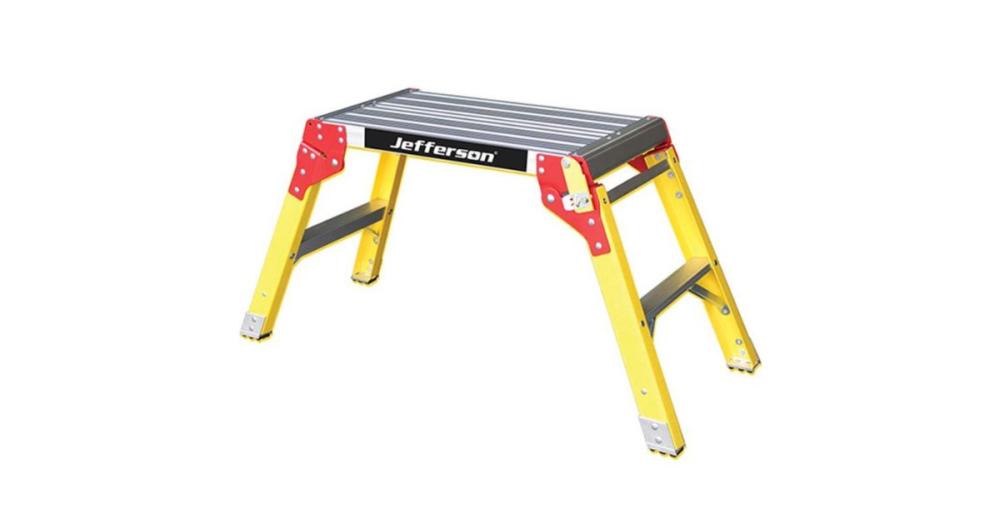
Compact and non-conductive, this one suits electricians working near live circuits or in tighter spots.
5 Tread Fibreglass Step Ladder:
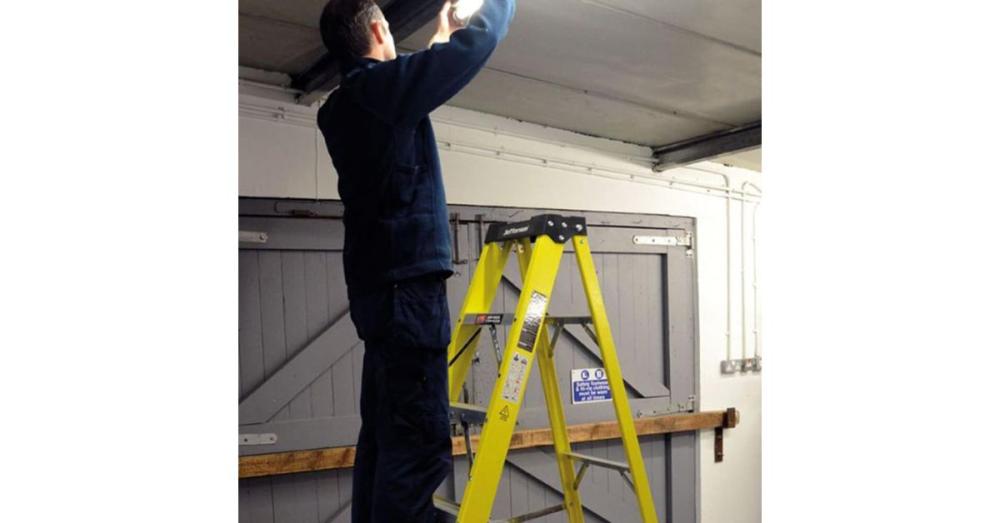
A handy mid-range option for household or light trade jobs, with the added benefit of fibreglass insulation.
7 Tread Fibreglass Step Ladder:
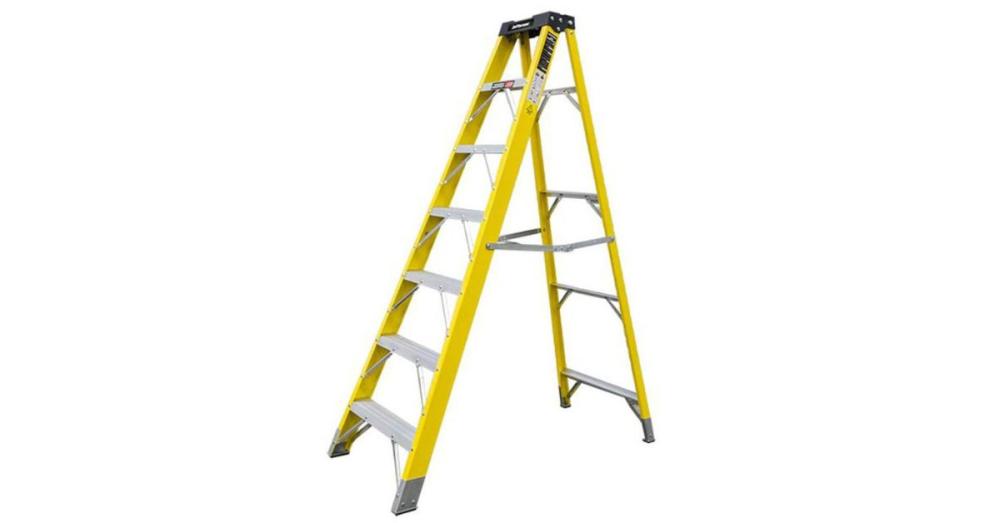
Gives you extra reach for taller ceilings or outdoor jobs, while keeping the safety of fibreglass build.
Deligo 4 Tread Fibreglass Stepladder:
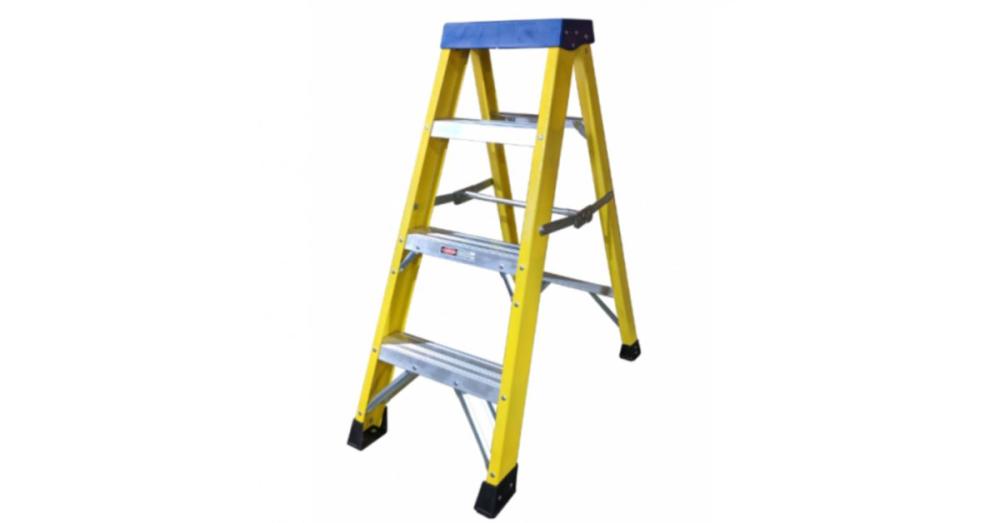
Small, light, and ideal for quick indoor tasks like swapping a bulb or a minor repair.
Deligo 6 Tread Fibreglass Stepladder:
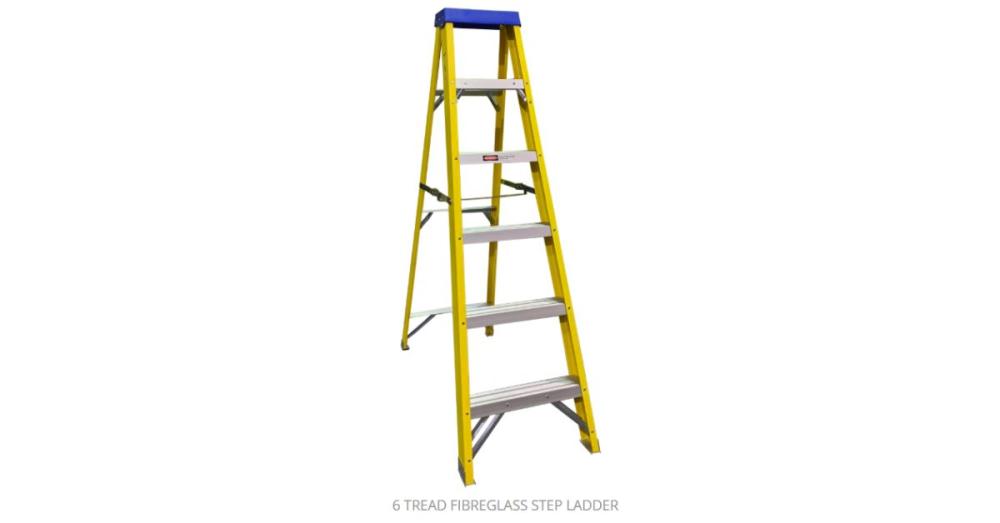
A bit taller and sturdier, good for general maintenance that needs more reach than a standard stepladder gives you.
When Is a Work Platform the Better Choice?
Once a job runs longer than a few minutes, or you need both hands free for wiring, painting or fitting work, a platform makes far more sense than balancing on rungs. The extra standing room and guardrails genuinely change how comfortable and confident you feel working at height. If you're weighing up options, the range at Meteor Electrical is worth a look, since it covers platforms and ladders across different budgets and heights in one place.
Common Mistakes People Make When Choosing Ladders
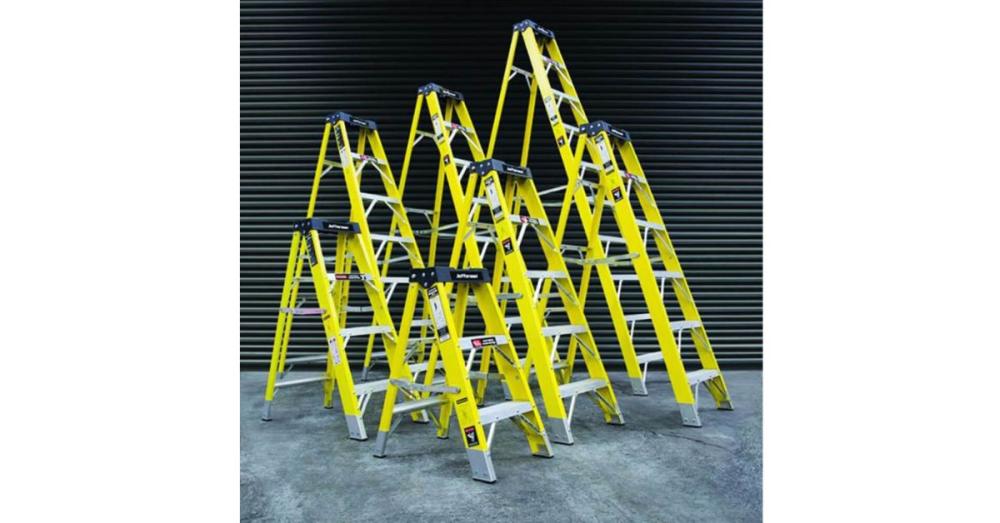
A few small slip-ups when buying a ladder can turn into bigger headaches on site. Watch out for these.
- Guessing the height instead of actually measuring your reach.
- Ignoring the duty rating and loading it up with more than it's rated for.
- Using aluminium near electrics instead of a non-conductive fibreglass model.
- Buying on price alone without checking build quality or certification.
- Forgetting about storage, then struggling to fit it anywhere on site.
- Not checking the ground it'll actually stand on before buying.
Safety Checklist Before Every Job
This takes barely a minute, but it's the difference between a smooth job and an accident. Run through it every time.
- Check rungs and feet for damage.
- Make sure the duty rating suits your load.
- Set up only on firm, level ground.
- Lock every hinge and spreader properly.
- Keep three points of contact at all times.
- Never stand on the top step.
Wrapping up
At the end of the day, choosing between a ladder and a work platform is about matching the equipment to the job in front of you, the ground you're standing on, and how long you'll be up there. Quick indoor jobs suit something light you can set up fast. Longer or heavier work is where a platform earns its keep, with more stability and comfort. Spend a few extra minutes checking height, duty rating and safety features before you buy, and the job itself will go a lot more smoothly.
For a quality ladder or work platform you can browse the range on Meteor Electrical. Buy today and get free delivery on orders over £30. For more information contact us!
FAQ Section
Q1: What height ladder do I actually need?
Measure your reach plus arm span, then add roughly 1 metre for comfortable clearance.
Q2: Is fibreglass better than aluminium?
Fibreglass doesn't conduct electricity, so it's safer near live wiring or circuits.
Q3: How often should ladders be inspected?
Check every use before, and do a proper inspection every few months.
Q4: Can one ladder suit both indoor and outdoor work?
Yes, as long as it's light, weather-resistant, and rated for the surfaces you'll use it on.
Q5: When should I choose a platform over a ladder?
Pick a platform for longer jobs where you need both hands free and steadier footing.